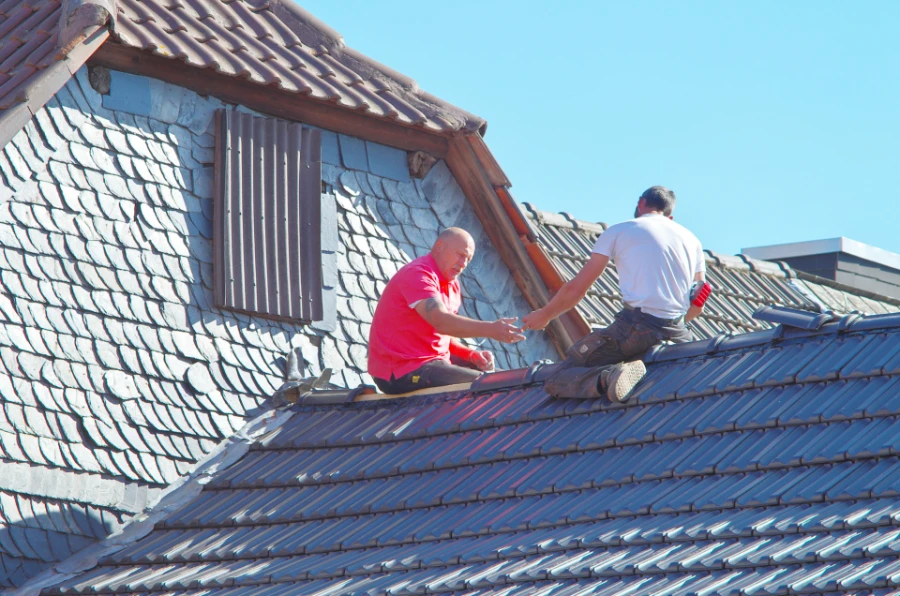

A multi-family property keeps track of many moving parts. Tenants expect safe homes, and owners expect protected investments. The roof protects everyone beneath it, making steady care a top priority. This guide helps you navigate a smart maintenance path.
Understanding Multi-Family Roofing Challenges
Large residential complexes face unique structural pressures. Get regular help from experienced roof replacement professionals to preserve structural soundness before small problems grow. Property managers must track minor wear closely to avoid expensive structural damage.
Different wings of a building experience varying levels of sun exposure and wind damage. Tenants might not report small ceiling stains until a major downpour occurs. Steady tracking keeps these hidden problems from turning into full building emergencies.
Shared roofs mean that a single leak can disrupt multiple households at once. This friction damages tenant relations and creates administrative burdens for management teams. Regular oversight keeps the peace and protects the physical asset.
The High Cost of Hidden Leaks
Water damage hides behind walls before showing its face. Small drips create massive structural trouble long before anyone notices a stain on the ceiling. More than 40% of building insurance claims in multi-family housing stem from undetected roof leaks. Tracking moisture issues early saves thousands of dollars in emergency fees.
Unseen water intrusion destroys insulation and breeds mold within wall cavities. Repair these hidden areas by opening drywall and displacing residents from their units. High costs accumulate fast when multiple apartments need mold remediation.
Insurance companies look closely at maintenance history when reviewing claims for water damage. Ignoring minor issues can cause denied coverage or increased premiums next year. Proactive tracking keeps policies affordable and operations smooth.
Benefits of Bi-Annual Inspections
Routine checks keep small defects from turning into full disasters. Setting up a regular calendar means catching issues during mild spring and autumn weather. Managers scheduling bi-annual inspections reduce emergency repair costs by 30%. Regular visits protect budgets from unexpected spikes.
Spring assessments find winter ice damage. Autumn visits prepare the surface for heavy snow. Caught early, minor tears in the membrane need only simple patches.
Regular inspection logs provide written proof of care for owners and insurance adjusters. Documentation demonstrates responsible management and supports future budget requests. Consistent reporting keeps everyone aligned on the true state of the property.
Addressing Poor Drainage on Flat Systems
Flat structures present special water management difficulties. Standing water weakens commercial membranes and creates deep cracks and eventual leaks. Poor drainage and lack of regular inspection cause roughly 80% of flat roofs to fail early. Clearing drains keeps water moving off the building.
Leaves and twigs can block drainage paths within a few weeks. When water gathers in large pools, the extreme weight strains the underlying deck support beams. Heavy pooling accelerates material breakdown and threatens structural safety. Managers should check these critical drainage elements during walks:
- Main scuppers are clearing debris
- Low spots where water collects
- Flashing seals near edge perimeters
- Gravel guards hold back sediment
Maximizing Property Value and ROI
Smart improvements raise the baseline value of your real estate asset. Buyers look closely at structural health before making official purchase offers. Upgrading to modern multi-family roofing materials delivers an average ROI of 70% during property valuation. High-quality systems attract better contract terms and happier investors.
Modern materials provide better insulation and lower utility bills for common areas. Lower operational costs improve the net operating income of the entire complex. Appraisers notice these efficiency upgrades during building walkthroughs.
Properties with documented care records command higher prices in real estate. Investors prefer buying buildings where major infrastructure needs no immediate capital injection. Protective care pays major dividends during ownership transitions.
Creating a Preventive Maintenance Plan
A successful maintenance program relies on strict seasonal scheduling. Spring cleanups clear out winter debris and check for freeze damage. Summer periods provide the perfect dry conditions for coating applications and major structural fixes. Autumn visits clear falling leaves before freezing temperatures arrive.
Written logs protect management teams and provide consistent property oversight. Every photo, repair receipt, and inspection report belongs in a centralized digital folder. Centralized tracking identifies recurring issues in specific building wings.
Clear records clarify future capital needs for property owners and stakeholders. Having proof of regular upkeep simplifies conversations about long-term building investments. Detailed files eliminate guesswork during annual budget reviews.
Setting Clear Maintenance Expectations
A strong service agreement outlines exactly what every inspection covers. Contracts must define response times for emergency leaks and routine repairs. Managers should establish explicit performance benchmarks with chosen service providers:
- Response windows under 4 hours for active leaks
- Detailed photo reports are provided after every site visit
- Fixed pricing structures for common patch repairs
- Annual warranty reviews for all covered materials
Clear communication prevents misunderstandings regarding warranties and service exclusions. Partners who understand your property goals work more efficiently throughout the year. Strong vendor connections keep multi-family properties running smoothly.
Budgeting for Long-Term Structural Needs
Minor repairs fix immediate leaks but cannot extend a failing roof indefinitely. Property managers must balance the cost of patching against the price of full replacement. Spending too much on old systems wastes valuable operational capital.
Evaluating system age determines the right time for a complete upgrade. Professional assessments guide these financial choices with accurate material condition ratings. Strategic planning prevents unexpected capital calls for property owners.
Healthy reserve funds protect building valuations and reassure mortgage lenders. Well-funded properties handle emergency situations without raising tenant fees unexpectedly. Financial readiness keeps properties competitive and stable.
Preparing Multi-Family Roofs For Extreme Weather
Severe storms bring heavy winds and sudden hail that test structural limits. Property managers must verify that peripheral flashing and edge metal remain securely attached before storm seasons arrive. Loose components allow high winds to catch the roof membrane, lifting large sections away from the deck.
Regularly clearing nearby tree branches prevents physical impact damage during high wind events. Heavy limbs overhanging the residential complex pose a threat to upper-floor units. Removing limbs protects the building exterior and the residents living underneath.
Inspecting roof sealants after major weather events highlights weak areas that need immediate attention. Specialized sealants around vents and skylights degrade under intense sun exposure. Replacing brittle materials prevents sudden water entry during the next heavy downpour.
Maintaining a multi-family roof requires steady attention and strategic planning. Regular inspections, proactive drainage fixes, and strong vendor relationships protect the entire community. Stay ahead of minor leaks to preserve property value and keep residents happy. With a solid plan in place, property managers can handle weather challenges with complete confidence.
Helpful Finds for Landlords and Investors
Owning or managing rental property is a business. These are the tools that pay for themselves:
- The Book on Managing Rental Properties – the standard guide for small landlords.
- Keypad Deadbolt – rekey between tenants in seconds.
- Smoke & CO Detector (2-Pack) – code compliance made simple.
- Property Inspection Checklist Pad – document move-in and move-out condition.
Rise Apartments is a participant in the Amazon Services LLC Associates Program. As an Amazon Associate we earn from qualifying purchases made through the links above, at no extra cost to you.
Frequently Asked Questions (FAQs)
Most experts recommend inspecting multi-family roofs at least twice a year, typically in spring and fall, to identify and address issues before they worsen.
Hidden leaks can damage insulation, drywall, and structural components while promoting mold growth long before visible signs appear.
Regular inspections, prompt repairs, and preventive maintenance help identify small problems early and reduce the likelihood of costly emergencies.
Blocked drains, clogged scuppers, ponding water, and damaged flashing are among the most common drainage issues affecting flat roofing systems.
Well-maintained roofs improve building condition, reduce future repair liabilities, and can positively influence property valuations and buyer confidence.
Maintenance records should include inspection reports, photographs, repair invoices, warranties, and documentation of any work performed.
Replacement may be more cost-effective when the roof is nearing the end of its service life or when repair costs become frequent and substantial.
High winds, hail, heavy rain, and falling debris can damage roofing materials, flashing, sealants, and drainage systems, increasing the risk of leaks.
A strong agreement should outline inspection schedules, response times, reporting requirements, pricing structures, and warranty responsibilities.
Preventive maintenance helps avoid leaks, disruptions, and costly repairs, creating a safer and more comfortable living environment for residents.