
Windows are one of those things buyers notice right away. They look through them, around them, and at them, all before they even step inside the house. So when a window is foggy, cracked, or just looks tired, it speaks volumes. Not always in a good way. This post breaks down what window problems actually signal to buyers, how it affects your sale, and what you can do about them.
Why Windows Matter More Than You Think
Most sellers focus on kitchens and bathrooms when prepping a home for sale. Windows often get ignored. That’s a mistake.
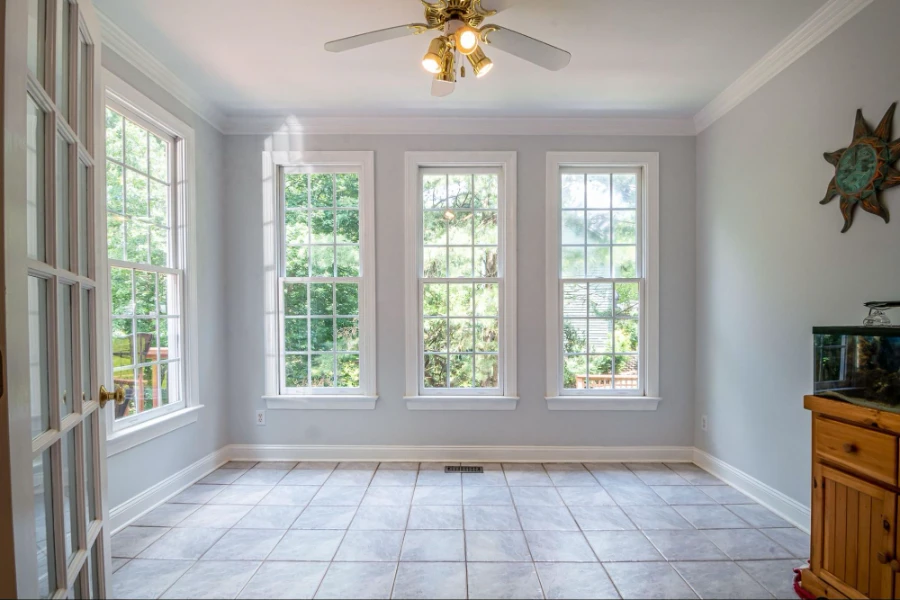
Windows are a visible part of every single room. A buyer walking through your home will look out of them, notice the light coming through them, and almost certainly spot any damage or deterioration. Even one foggy window in the living room can start planting seeds of doubt.
Windows also represent a decent chunk of a home’s energy efficiency. When buyers see problems, they’re not just thinking about aesthetics. They’re quietly calculating replacement costs in their head.
What Foggy Windows Are Telling People
Foggy windows, that cloudy, hazy film you see between the panes, happen when the seal on a double or triple-pane window fails. Once that seal breaks, moisture gets in, and you get that milky look that won’t wipe off because it’s trapped inside the glass.
| A failed seal means the argon gas layer that keeps the window energy-efficient has escaped. That window now performs like a single-pane, meaning higher heating and cooling bills. |
To a buyer, foggy windows signal the home is old or wasn’t well maintained. Some buyers will overlook one foggy window. Many won’t overlook three or four. At some point it starts to look like a pattern of neglect rather than a one-off issue.
How Cracked Windows Change a Buyer’s Mindset
When buyers see cracked glass, they start wondering: Was something thrown at it? Did the frame shift? Is there a foundation issue causing movement in the walls? That last thought is a serious one. Stress cracks starting at a corner can sometimes signal structural settling. Most of the time, it’s just impact damage or temperature stress, but a buyer doesn’t know that. Their imagination fills in the blanks. A cracked window in a dark living room can also make the space feel neglected and poorly maintained. A cracked window also signals the current owner didn’t bother fixing something easy to see. If they skipped that, what else did they skip?
| A crack in a window is harder to dismiss than fog. It’s obvious, it’s immediate, and it raises a different kind of concern; buyers start thinking about what caused it. |
How Buyers and Investors View These Red Flags
Cash buyers and real estate investors pay close attention to window condition. If you’re working with Madison County House Buyers or similar local home buyers, they’ll factor window issues directly into their offer. They’re looking at the full picture of deferred maintenance, and windows are one of the first things on that checklist.
Even traditional buyers with financing will often request repairs or a price reduction after an inspection flags multiple window issues. Lenders can get involved too; certain loan programs require windows to be in working, sealed condition before approving the mortgage.
| Window problems almost always cost you more at closing than they would have cost to fix beforehand. |
Buyers Assume When They See Window Problems
Here’s the thing about buyer psychology: they generalize. When they see a few obvious problems, they start assuming there are many hidden ones too. Window issues become a proxy for overall home care.
A buyer who spots foggy seals and a cracked pane might start wondering about the roof, the HVAC, and the plumbing. It’s not always logical, but it happens consistently. Sellers who address visible issues before listing remove that mental trigger entirely.
Inspectors will note every window problem in their report. That report goes to the buyer, their agent, and sometimes their lender. A long list of window deficiencies makes a home look poorly maintained on paper, even if everything else is in great shape.
What to Do Before You List
- If you have foggy windows, some companies offer seal repair or glass-only replacement for double-pane units, much cheaper than replacing the whole window. If the frames are still solid, this is often worth doing.
- Cracked glass should almost always be replaced before listing. It’s not expensive for a standard pane, and it removes an obvious visual negative from your home immediately.
Quick tip: Walk through your home before listing and look at every window: open them, check the seals, look at the frames, check the locks. Fix what you can and disclose what you can’t. Buyers respond better to transparency than surprises.
| Windows are one of the most honest parts of a house. They show age, they show care, and they show buyers exactly how much attention the home has received over the years. Taking care of them before you sell isn’t just about aesthetics or improving curb appeal. It’s about protecting your asking price and keeping deals from falling apart. |
Frequently Asked Questions (FAQs)
Yes, foggy windows can negatively affect a home’s value because buyers often see them as a sign of poor maintenance or reduced energy efficiency. Multiple foggy windows may also lead buyers to expect future repair costs.
In most cases, yes. Replacing cracked windows before listing your home can improve buyer confidence, enhance curb appeal, and help prevent repair negotiations during the inspection process.
Buyers may associate cracked windows with larger structural or maintenance problems. They often wonder if the damage was caused by foundation movement, poor upkeep, or other hidden issues within the home.
Absolutely. Home inspectors usually note foggy seals, cracked glass, broken locks, and damaged frames in their reports. These issues can lead buyers to request repairs, credits, or price reductions before closing.