Finding an apartment used to be a time-consuming process.
You drove across town. You called multiple leasing offices. And you waited for callbacks. Then you spent entire weekends touring properties that often looked very different from their advertisements.
Today, the experience looks completely different. In fact, technology is changing the apartment rental process from beginning to end. Renters can search neighborhoods, compare floor plans, sign leases, submit maintenance requests, and even unlock their front doors using a smartphone.
The transformation isn’t just about convenience.
It’s about making better decisions, saving time, reducing stress, and creating a smoother experience for both renters and property managers.
For anyone searching for their next home, understanding how these innovations work can help them take full advantage of modern rental tools and avoid many of the frustrations that renters faced only a few years ago.
The Evolution of Apartment Hunting
From Newspaper Listings to Digital Platforms
Not long ago, apartment hunters relied heavily on newspaper classifieds and roadside signs.
The options were limited.
Information was incomplete.
Photos were often unavailable.
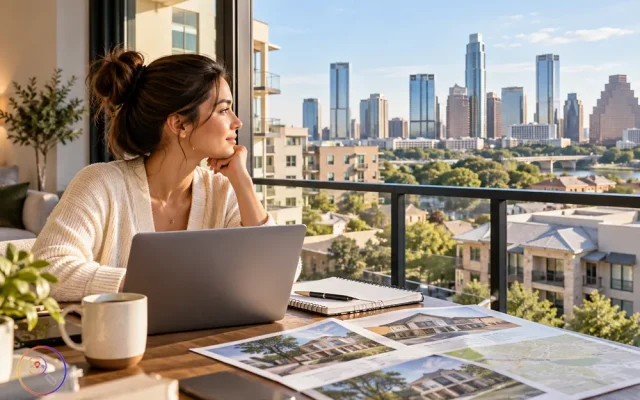
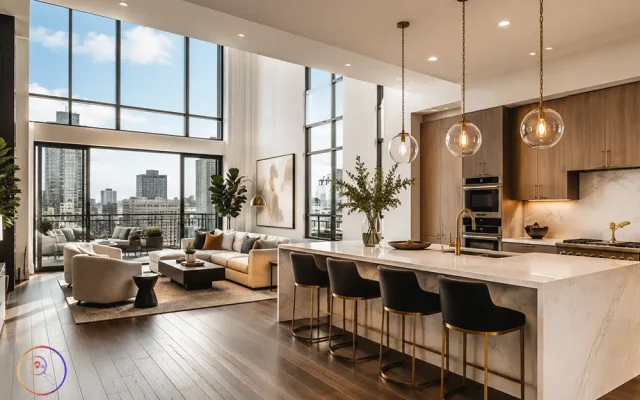
Today’s renters have access to thousands of listings within seconds. Online rental platforms allow users to compare communities, explore neighborhoods, review amenities, and check pricing from virtually anywhere.
This shift has fundamentally changed how people search for housing.
Instead of spending days gathering information, renters can now spend their time evaluating options and narrowing down the best fit.
The result is a more informed decision-making process.
Advanced Search Features Helping Renters Save Time
Modern apartment websites have become surprisingly sophisticated.
Instead of searching only by price and location, renters can now filter properties using highly specific criteria.
Popular filters include:
- Pet-friendly communities
- In-unit laundry
- Covered parking
- Fitness centers
- Walkability scores
- School districts
- Commute times
- Smart-home features
These tools eliminate countless hours of unnecessary searching.
A renter working downtown, for example, can quickly identify apartments within a 20-minute commute while filtering out communities that don’t meet their budget or lifestyle requirements.
Many apartment websites now offer virtual tours, AI-powered search filters, and neighborhood insights to help renters make better decisions. Behind many modern digital experiences are specialized software teams, including organizations such as the SysGears dev team, which builds technology solutions for industries that rely on user-friendly online experiences.
This type of innovation continues to improve the apartment search experience every year.
Virtual Tours Are Redefining Property Visits
How 3D Tours and Video Walkthroughs Work
One of the biggest changes in apartment renting involves virtual touring technology.
Instead of scheduling multiple in-person visits, renters can now explore properties online through interactive experiences.
These tours often include:
| Virtual Tour Feature | Benefit |
|---|---|
| 3D Floor Plans | Better space visualization |
| Interactive Room Navigation | Self-guided exploration |
| Video Walkthroughs | Realistic apartment view |
| Amenity Tours | Preview shared spaces |
| Virtual Staging | Improved design perspective |
Renters can move from room to room, inspect finishes, and understand layouts before ever stepping onto the property.
For someone relocating from another city or state, this can be a game changer.
The Advantages of Touring Apartments Online
Virtual tours provide several practical benefits.
First, they reduce wasted trips.
Second, they help renters eliminate unsuitable properties early.
Third, they make apartment hunting accessible for individuals with busy schedules or mobility challenges.
I’ve noticed that many renters now use virtual tours as an initial screening tool. They narrow their options down to two or three properties before scheduling in-person visits.
That’s a far more efficient approach.
As a result, technology is changing the apartment rental journey by making property evaluations faster and more convenient.
Artificial Intelligence Is Personalizing Apartment Searches
AI-Powered Recommendation Systems
Artificial intelligence has quietly become one of the most influential tools in modern apartment hunting.
Many rental platforms now analyze user behavior and preferences to recommend relevant listings automatically.
For example, if a renter consistently views apartments near public transportation with pet-friendly amenities, the platform may begin prioritizing similar options.
This personalization saves time and reduces information overload.
Instead of sorting through hundreds of irrelevant listings, renters receive recommendations aligned with their needs.
That’s valuable.
Especially in competitive housing markets.
Chatbots and Instant Leasing Support
Leasing offices don’t operate 24 hours a day.
Renters do.
This is where AI-powered chatbots are making a difference.
Modern apartment websites frequently use automated assistants to answer common questions such as:
- Current availability
- Pricing information
- Pet policies
- Parking options
- Application requirements
- Tour scheduling
Rather than waiting for business hours, prospective residents can receive immediate answers.
Quick responses often lead to quicker leasing decisions.
Smart Leasing and Digital Applications
Online Rental Applications Simplify the Process
Paper applications are rapidly disappearing.
Thankfully.
Digital leasing platforms have streamlined nearly every step of the rental application process.
Applicants can now:
- Upload identification documents
- Submit proof of income
- Complete background authorizations
- Pay application fees
- Track application status
Everything happens online.
This reduces delays while improving accuracy.
For renters, that means less paperwork and fewer opportunities for mistakes.
Electronic Signatures and Remote Leasing
Electronic signature technology has become one of the most significant advances in rental housing.
Lease agreements that once required multiple office visits can now be completed remotely.
A renter relocating across the country can often secure housing without ever entering the leasing office.
That level of flexibility was almost unimaginable a decade ago.
The convenience extends beyond move-in day as well.
Lease renewals, policy acknowledgments, and community notices can all be handled digitally.
Once again, technology is changing the apartment rental experience by removing unnecessary friction from the process.
Smart Apartments Are Becoming More Common
Popular Smart Home Features in Rental Communities
Technology doesn’t stop once renters move in.
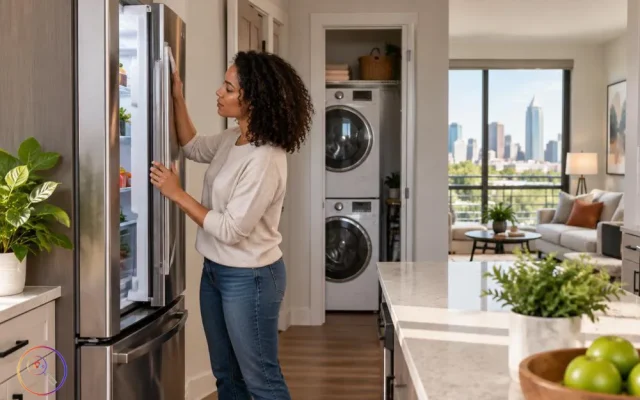
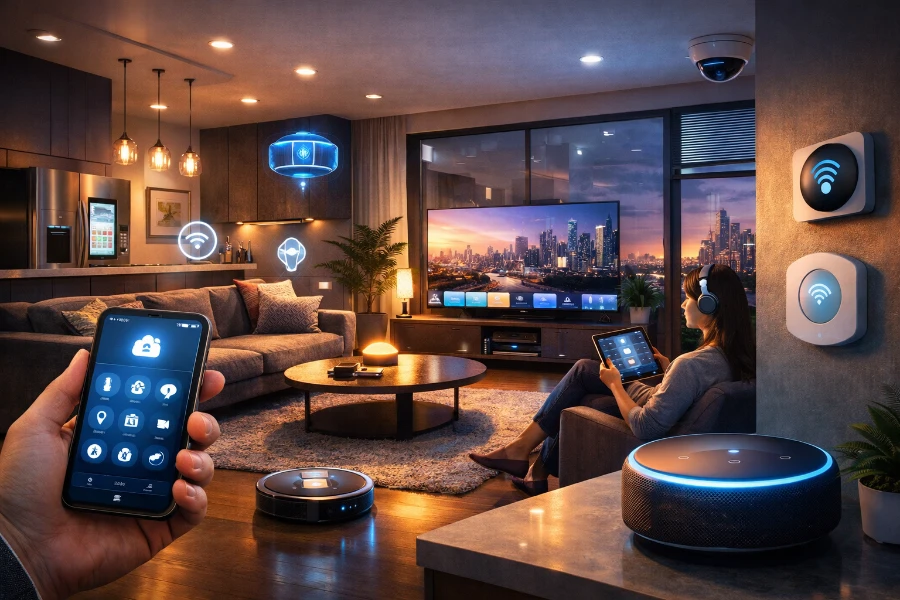
Many apartment communities now incorporate smart-home technology directly into individual units.
Common features include:
- Smart thermostats
- Smart locks
- Voice-controlled assistants
- Smart lighting systems
- Remote appliance controls
- Automated security devices
These features offer convenience while helping residents better manage energy usage.
Some systems can even learn occupant behavior and automatically adjust settings for improved efficiency.
How Smart Technology Improves Daily Living
The appeal of smart-home technology goes beyond novelty.
It solves real problems.
Imagine adjusting your thermostat before arriving home after work.
Or receiving an alert if your apartment door is left unlocked.
Or granting temporary access to a pet sitter without handing over a physical key.
Small conveniences add up quickly.
Many renters increasingly view smart-home technology as a desirable amenity rather than a luxury feature.
As adoption grows, technology is changing the apartment rental market by influencing what renters expect from modern housing.
Mobile Apps Are Transforming Resident Experiences
Managing Apartment Life from a Smartphone
The relationship between renters and property managers has changed dramatically.
A few years ago, reporting a maintenance issue often meant making a phone call, leaving a voicemail, and hoping for a timely response.
Today, most professionally managed apartment communities offer dedicated resident apps.
These apps allow residents to:
- Pay rent online
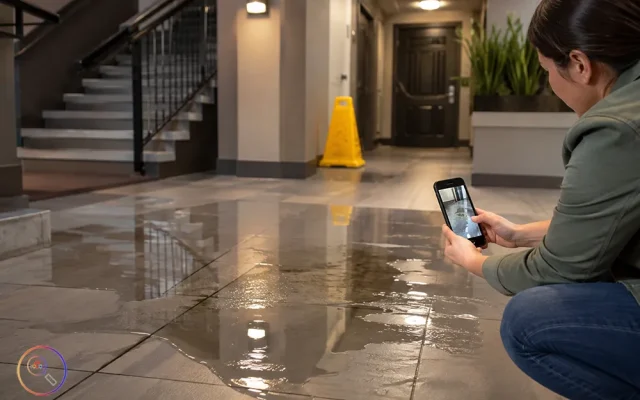
- Submit maintenance requests
- Upload photos of issues
- Receive package notifications
- Reserve amenities
- Access community announcements
- Contact management directly
The convenience is hard to ignore.
Instead of wondering whether a maintenance request was received, residents can track progress in real time.
That transparency creates trust.
And trust improves the overall resident experience.
Why Renters Prefer Digital Resident Portals
Digital portals simplify everyday tasks.
More importantly, they centralize communication.
Rather than searching through emails, texts, or printed notices, residents can find important information in one location.
Here’s how resident portals compare to traditional methods:
| Task | Traditional Method | Digital Method |
|---|---|---|
| Rent Payment | Check or money order | Online payment |
| Maintenance Requests | Phone call | Mobile app submission |
| Community Updates | Bulletin board | Push notifications |
| Amenity Reservations | Office visit | Online scheduling |
| Lease Documents | Paper copies | Digital access |
These improvements may seem small individually.
Collectively, however, they make apartment living much easier.
It’s another example of how technology is changing the apartment rental experience long after the lease is signed.
Technology Is Improving Apartment Security
Modern Access Control Systems
Security remains one of the most important concerns for renters.
Technology is helping apartment communities address that concern in new ways.
Traditional keys are increasingly being replaced by digital access systems.
These systems may include:
- Mobile phone credentials
- Key fobs
- Smart locks
- Temporary visitor passes
- Digital entry logs
The benefits are significant.
Lost keys no longer require lock replacements.
Temporary access can be granted instantly.
Property managers gain greater control over building access.
Residents gain peace of mind.
Security Cameras and Smart Monitoring
Modern apartment communities often incorporate advanced surveillance systems throughout common areas.
These systems help:
- Deter criminal activity
- Improve incident investigations
- Monitor entrances and exits
- Enhance resident safety
At the same time, responsible property management teams must balance security with privacy considerations.
The goal is creating safer environments without making residents feel overly monitored.
When implemented properly, security technology enhances confidence in the community.
Consequently, technology is changing the apartment rental landscape by making safety a more visible and manageable part of daily life.
Data and Analytics Are Improving Rental Decisions
How Property Managers Use Data
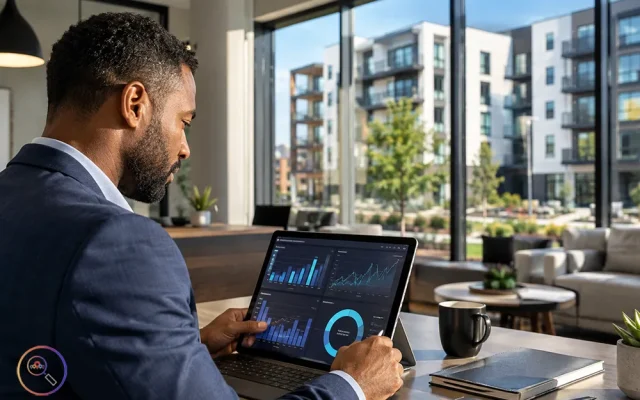
Data analytics may not be visible to renters, but it plays a growing role behind the scenes.
Property managers increasingly rely on data to understand community performance and resident needs.
They analyze information such as:
- Occupancy trends
- Maintenance patterns
- Resident feedback
- Amenity usage
- Leasing conversion rates
This information helps management teams make smarter operational decisions.
For example, if maintenance data reveals recurring plumbing issues in a particular building, proactive repairs can be scheduled before larger problems develop.
That’s beneficial for everyone involved.
Benefits for Renters
Data-driven decision-making often results in better living experiences.
Residents may benefit from:
- Faster maintenance response times
- Improved amenities
- Better staffing levels
- Enhanced communication
- More efficient building operations
Most renters never see the analytics dashboard.
However, they experience the results.
Communities become more responsive.
Problems get resolved more quickly.
Services improve.
As property management evolves, technology is changing the apartment rental process in ways that directly impact resident satisfaction.
The Role of Technology in Sustainable Apartment Living
Smart Energy Management Systems
Sustainability is no longer a niche consideration.
Many renters actively seek environmentally responsible communities.
Technology is helping apartment operators meet those expectations.
Smart energy systems can automatically:
- Adjust heating and cooling
- Optimize lighting schedules
- Monitor utility consumption
- Reduce unnecessary energy waste
For renters, this often translates into lower utility bills and a more comfortable living environment.
That’s a win-win.
Eco-Friendly Innovations Residents Appreciate
Many modern apartment communities are investing in technology-driven sustainability features.
Examples include:
| Sustainability Feature | Potential Benefit |
|---|---|
| Smart Thermostats | Lower energy consumption |
| LED Smart Lighting | Reduced electricity use |
| Water Monitoring Systems | Conservation and leak detection |
| EV Charging Stations | Support for electric vehicles |
| Smart Irrigation | Reduced water waste |
These technologies not only support environmental goals but also create practical value for residents.
As consumer preferences evolve, sustainability will likely become an even greater competitive advantage.
Challenges and Concerns of Digital Renting
Privacy and Data Security
Technology creates opportunities.
It also introduces responsibilities.
Apartment communities now collect and store significant amounts of resident information.
This may include:
- Contact details
- Financial information
- Lease documents
- Payment histories
- Access credentials
Protecting that information is critical.
Renters should pay attention to privacy policies and understand how their information is stored and used.
Property managers must invest in cybersecurity measures to reduce risks.
Convenience should never come at the expense of security.
Balancing Technology and Human Interaction
Despite all these innovations, people still matter.
A lot.
Technology works best when it enhances human service rather than replacing it entirely.
Most renters still appreciate speaking with knowledgeable leasing professionals when making important housing decisions.
Likewise, residents facing complex issues often prefer personal conversations over automated systems.
The most successful apartment communities understand this balance.
They use technology to improve efficiency while maintaining meaningful human connections.
Future Trends Shaping Apartment Rentals
Artificial Intelligence and Predictive Services
The next wave of apartment technology is already emerging.
Artificial intelligence is expected to play a larger role in community operations.
Future applications may include:
- Predictive maintenance alerts
- Personalized resident recommendations
- Automated energy optimization
- Enhanced leasing support
- Smarter building management systems
Imagine receiving a notification that an appliance may require maintenance before it actually breaks.
That’s where the industry is heading.
Preventive service could become the new standard.
The Rise of Fully Connected Communities
The concept of the smart apartment is expanding into the smart community.
Entire apartment properties are becoming connected ecosystems where technology supports nearly every aspect of daily living.
Future communities may offer:
- Integrated transportation services
- Smart parking systems
- Connected fitness facilities
- Personalized amenity access
- Enhanced package management
- Advanced environmental monitoring
For renters, these innovations could create more seamless living experiences while simplifying everyday responsibilities.
The pace of change is unlikely to slow down.
If anything, it will accelerate.
Helpful Finds for a Smart Apartment
You do not need a smart building to live in a smart home. These renter-friendly devices move with you:
- Smart Plug Pack – schedules lamps, fans and coffee makers.
- Smart LED Bulbs – no wiring, no landlord permission.
- Smart Speaker – the hub for everything else.
- Smart Door Sensor – know when the door opens while you are out.
Rise Apartments is a participant in the Amazon Services LLC Associates Program. As an Amazon Associate we earn from qualifying purchases made through the links above, at no extra cost to you.
Conclusion
The apartment rental industry has undergone a remarkable transformation over the past decade.
Searching for apartments, touring properties, submitting applications, signing leases, paying rent, requesting maintenance, and managing daily life have all become more efficient through digital innovation.
Most importantly, technology is changing the apartment rental experience in ways that benefit both renters and property managers. Virtual tours save time. Smart-home features improve convenience. Mobile apps simplify communication. Data analytics enhance operations. Sustainability technologies reduce waste.
The result is a rental experience that is faster, more transparent, and more personalized than ever before.
For renters, the key is learning how to take advantage of these tools. Use virtual tours before scheduling visits. Explore resident apps when comparing communities. Evaluate smart-home features alongside traditional amenities. Pay attention to security and privacy practices. And don’t hesitate to ask how technology supports the resident experience before signing a lease.
As innovation continues, one thing is clear: technology is changing the apartment rental market permanently. The communities that embrace these advancements thoughtfully will likely deliver better experiences, stronger resident satisfaction, and greater long-term value for everyone involved.