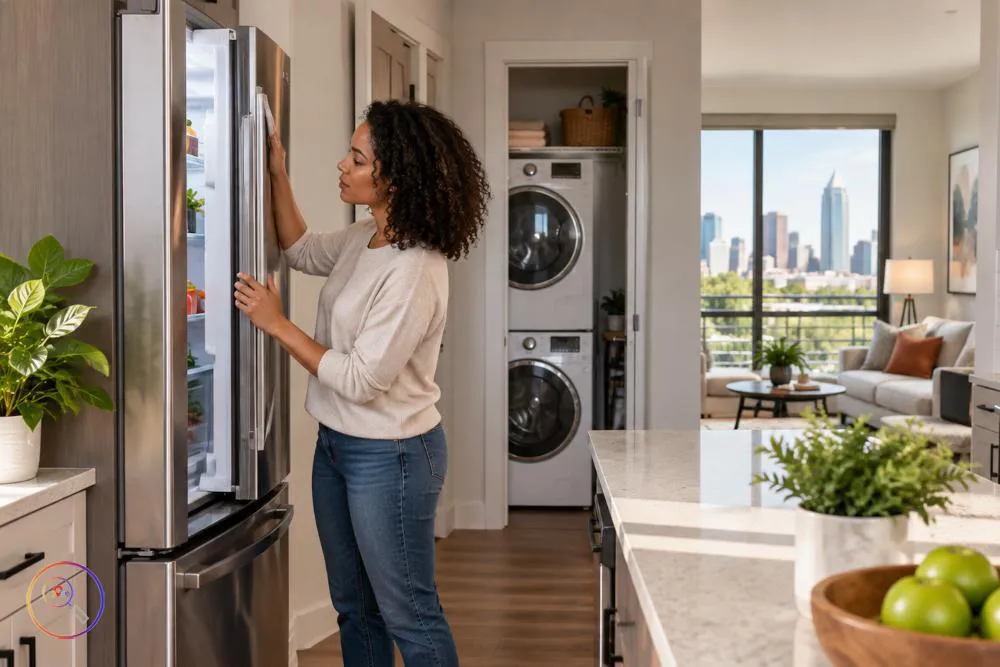

Living in an Atlanta apartment comes with plenty of conveniences, especially when major appliances such as the refrigerator, dishwasher, stove, washer, and dryer are already included. But even when those appliances belong to the property rather than the renter, a little routine care can make apartment life much easier.
Atlanta’s warm, humid climate can also affect how certain appliances perform. Laundry machines may develop musty odors more quickly, refrigerators can work harder during hot weather, and enclosed apartment kitchens or laundry closets may have limited airflow.
Fortunately, renters do not need to become appliance technicians. Most apartment appliance maintenance comes down to keeping equipment clean, using it correctly, noticing changes in performance, and reporting problems before they become bigger issues.
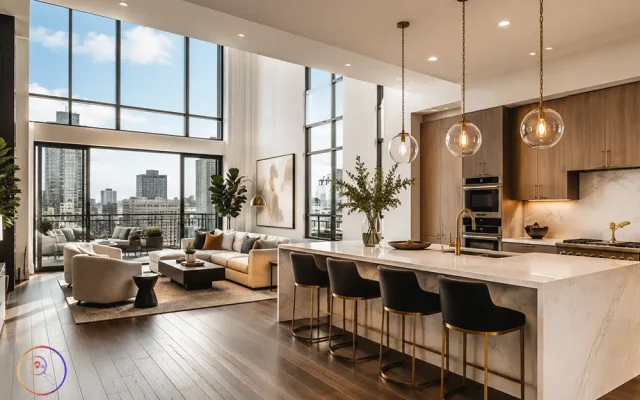
For renters who are currently apartment hunting, appliance condition is also something worth considering before signing a lease. A modern kitchen may look impressive during a tour, but how well the appliances have been maintained can have a meaningful effect on everyday convenience after move-in.
Why Appliance Maintenance Matters in an Apartment
When you own a home, deciding when to repair or replace an appliance is generally your responsibility. Apartment living works differently.
Landlord-provided appliances are usually maintained through the property management team according to the lease and community policies. Renters, however, are typically responsible for normal day-to-day use and basic cleaning.
That makes preventive care especially useful.
Regular appliance maintenance may help:
- Keep appliances operating efficiently
- Reduce unpleasant odors
- Prevent food or detergent buildup
- Identify water leaks earlier
- Reduce the chance of unexpected appliance downtime
- Make maintenance requests easier to diagnose
- Keep your apartment cleaner
- Protect personal belongings from leaks or other appliance problems
The goal is not to perform complicated repairs yourself. In fact, renters should generally avoid taking appliances apart or attempting electrical, gas, refrigerant, or plumbing repairs unless they own the appliance and are qualified to do the work.
Instead, focus on the simple tasks that fall within normal renter care.
Check Appliances Before You Lease an Apartment
Apartment maintenance can actually begin before move-in.
When touring apartments in Atlanta, renters understandably focus on rent, location, floor plans, amenities, parking, and neighborhood convenience. Kitchen and laundry appliances sometimes receive only a quick glance.
Take a few extra minutes to inspect them.
You do not need to conduct a technical inspection. Simply look for obvious signs of age, neglect, or damage.
| Appliance | What to Look For During an Apartment Tour |
|---|---|
| Refrigerator | Damaged door seals, excessive noise, broken shelves, rust, or water beneath the unit |
| Dishwasher | Rusted racks, unusual odors, standing water, or a damaged door |
| Stove/Oven | Damaged burners, cracked cooktop surfaces, loose controls, or heavy grease buildup |
| Washer | Musty smell, damaged gasket, rust, or visible leaks |
| Dryer | Excessive lint buildup, damaged lint screen, or unusually hot laundry area |
| Microwave | Damaged door, cracked interior, loose turntable, or nonworking controls |
If you notice a problem, ask whether it will be repaired before move-in.
It is much easier to address an appliance concern before your lease begins than to discover the same problem while unpacking groceries or trying to wash clothes during your first week.
Document Appliance Condition at Move-In
Your move-in inspection is one of the best opportunities to establish the condition of your apartment.
Along with documenting walls, flooring, windows, countertops, and fixtures, photograph the appliances included with the unit.
Take clear pictures of:
- Refrigerator shelves and drawers
- Refrigerator and freezer doors
- Dishwasher interior
- Stove and cooktop
- Oven interior
- Microwave
- Washer and dryer
- Existing dents, cracks, stains, rust, or damage
If the property provides a move-in condition form, note any appliance problems there as well.
Documentation can help distinguish existing damage from problems that occur later, and it gives both renters and property managers a clearer starting point if repairs become necessary.
Refrigerator Maintenance for Apartment Renters
The refrigerator is one of the hardest-working appliances in an apartment because it operates continuously.
A small problem can quickly become inconvenient, particularly if temperatures rise enough to affect stored food.
A refrigerator should generally remain at 40°F or below, while the freezer should stay around 0°F. An inexpensive appliance thermometer can make it easier to confirm actual temperatures rather than relying entirely on the refrigerator’s control dial.
Keep the Door Seal Clean
The rubber gasket around the refrigerator door helps prevent cold air from escaping.
Food residue, dirt, or damage can prevent the door from sealing properly.
Wipe the gasket periodically using a damp cloth and check whether the door closes securely. One simple test is to close the door on a dollar bill or piece of paper. You should feel some resistance when pulling it out.
If the door no longer seals properly, submit a maintenance request.
Avoid Overpacking the Refrigerator
A refrigerator needs airflow to cool food evenly.
Filling every available space can restrict circulation, while an almost completely empty refrigerator may also operate less efficiently.
Try to leave enough room between items for cold air to circulate.
Also avoid blocking interior vents with containers or groceries.
Keep the Area Around the Refrigerator Clear
Apartment refrigerators are sometimes placed tightly between cabinets or walls.
The appliance still needs the manufacturer-recommended clearance for ventilation.
Do not store bags, boxes, cleaning supplies, or other objects behind or around the refrigerator if they interfere with airflow.
If condenser coils are accessible and the manufacturer’s instructions allow renter cleaning, they can be cleaned periodically. If accessing them requires moving a large built-in appliance or removing panels, contact maintenance instead.
Dishwasher Maintenance in Atlanta Apartments
Dishwashers are convenient, but they can quickly develop odors or cleaning problems when food debris accumulates.
One of the easiest preventive measures is cleaning the dishwasher filter.
Depending on the model, the filter may be located beneath the lower spray arm. Follow the manufacturer’s instructions when removing and rinsing it.
A monthly check is a reasonable routine for many households, particularly if the dishwasher is used frequently.
Load the Dishwasher Correctly
Overloading may prevent water from reaching dishes properly.
Make sure large plates, pans, or utensils do not block the spray arms.
Before starting the dishwasher:
- Scrape large pieces of food from plates.
- Check that nothing prevents the spray arms from rotating.
- Make sure dishwasher-safe items are positioned securely.
- Use the recommended amount and type of detergent.
- Avoid putting items inside that are not dishwasher safe.
If your dishes suddenly start coming out dirty despite proper loading and a clean filter, the dishwasher may need maintenance.
Garbage Disposal Care
Not every Atlanta apartment includes a garbage disposal, but when one is provided, proper use can prevent many common kitchen problems.
Run cold water before turning the disposal on, continue running water while it operates, and allow the water to run briefly afterward.
Avoid putting large amounts of grease or difficult materials into the disposal.
Problematic items can include bones, fibrous vegetables, large quantities of potato peels, coffee grounds, pasta, rice, and cooking grease.
Most importantly, never place your hand inside a garbage disposal.
If the disposal hums without spinning, repeatedly stops working, leaks, or produces unusual sounds, turn it off and contact maintenance.
Washer Maintenance in Apartments
In-unit laundry is one of the most desirable apartment conveniences, but washers can develop odors when moisture remains trapped between loads.
This can be especially noticeable in Atlanta’s humid climate.
Front-loading washers deserve particular attention because water can remain around the rubber door gasket.
After finishing laundry, leave the washer door slightly open when appropriate so moisture can evaporate. Leaving the detergent drawer open can also improve airflow.
Wipe the gasket occasionally and remove any trapped lint, hair, or debris.
Another common problem is using too much detergent.
More detergent does not necessarily produce cleaner clothes. Excess detergent can create residue inside the machine and contribute to odors.
Use the amount recommended for your washer and detergent type.
Watch for Washer Leaks
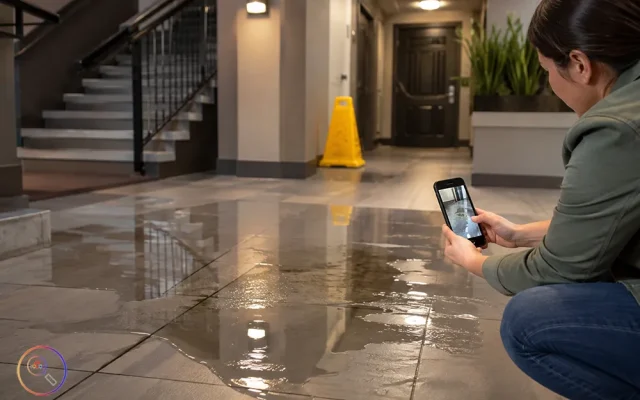
A small washer leak can become a significant apartment problem if water spreads beneath flooring, cabinets, or into neighboring units.
Look occasionally around the machine for moisture.
If washer hoses are safely visible, check for obvious bulges, cracks, or corrosion without disconnecting anything.
Report suspicious hoses or leaks promptly.
Renters should generally avoid attempting complicated appliance repairs themselves, particularly when the appliance belongs to the property. When a problem requires specialized diagnosis or repair, residential appliance repair in Atlanta may be appropriate depending on who is responsible for arranging service under the lease.
Dryer Maintenance Is About More Than the Lint Screen
Cleaning the dryer lint filter after every load is one of the simplest and most important appliance habits.
However, the lint screen and dryer vent are not the same thing.
The lint filter captures much of the lint generated during drying, while the dryer vent carries hot, moist air away from the appliance.
A dryer can therefore have a perfectly clean lint screen while still experiencing restricted airflow elsewhere in the vent system.
Pay attention to changes such as:
- Clothes taking noticeably longer to dry
- The dryer becoming unusually hot
- The laundry closet feeling much hotter than normal
- Burning or unusual odors
- Excess lint accumulating around the dryer
- Clothes remaining damp after a normal cycle
In an apartment building, dryer vent systems may extend into walls or through shared building structures. Renters should not attempt to access these systems themselves.
Submit a maintenance request if drying performance changes noticeably.
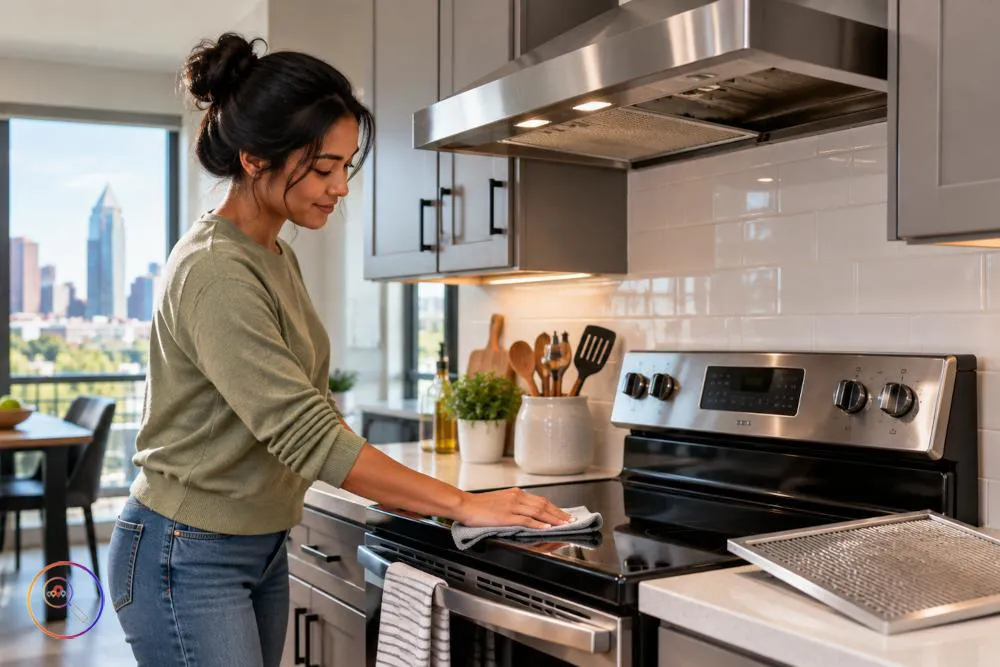
Oven and Range Maintenance
Cooking appliances usually need straightforward cleaning rather than complicated maintenance.
Clean spills after the surface has cooled, particularly grease and food residue that can smoke or burn during future cooking.
Use cleaners and tools appropriate for the specific cooktop material. Glass-top ranges, electric coils, and gas burners can all require different cleaning methods.
Avoid using abrasive products unless the manufacturer specifically recommends them.
You should also avoid lining the bottom of an oven with aluminum foil unless the appliance manufacturer permits it. Foil can interfere with airflow and may damage certain oven surfaces.
If an oven stops heating evenly, a burner repeatedly fails, controls behave unexpectedly, or you notice electrical problems, report the issue.
Don’t Forget the Range Hood
Range hoods are easy to overlook because they are not usually considered major appliances.
However, they play an important role in controlling smoke, grease, heat, and cooking odors.
If your apartment has a removable range hood filter, check the manufacturer’s cleaning recommendations.
Frequent cooking, particularly frying or high-heat cooking, can cause grease to accumulate faster.
Cleaning the filter every month or two may be reasonable for regularly used kitchens, although the appropriate schedule depends on the appliance.
A heavily clogged filter may reduce airflow and allow more grease to accumulate around the kitchen.
Which Appliance Tasks Should Renters Handle?
Responsibility depends on the apartment community and your lease, but a practical division often looks something like this:
| Maintenance Task | Typical Renter Role | Typical Property Management Role |
|---|---|---|
| Dryer lint screen | Clean after each load | Provide or replace damaged screen |
| Dishwasher filter | Basic routine cleaning | Repair mechanical problems |
| Refrigerator interior | Keep clean | Repair cooling or electrical issues |
| Refrigerator seal | Keep clean and report damage | Repair or replace damaged gasket |
| Washer gasket | Wipe clean | Repair leaks or mechanical failures |
| Dryer vent | Report poor airflow | Arrange vent inspection or cleaning |
| Stove and oven | Clean normal spills | Repair burners, controls, or heating issues |
| Landlord-provided appliance | Use properly and report problems | Arrange repairs according to lease |
| Renter-owned appliance | Maintain and arrange repairs | Usually limited involvement |
Your lease and community policies should always be your first reference.
If you are uncertain whether something is your responsibility, contact the leasing office before hiring a technician or attempting repairs yourself.
How to Submit a Better Apartment Maintenance Request
Writing “dishwasher doesn’t work” may technically describe the problem, but additional details can help maintenance teams diagnose issues faster.
A useful maintenance request should explain what is happening and when it started.
For example:
Instead of:
“Dryer broken.”
Try:
“Dryer has been taking about twice as long to dry clothes since Monday. The lint screen is clean, but the machine and laundry closet feel hotter than usual.”
That provides more useful information.
When appropriate, include:
- Appliance name
- Brand or model if easily visible
- Description of the problem
- When the issue started
- Whether the problem occurs every time
- Error codes displayed
- Unusual noises or smells
- Photos or short video if your resident portal allows them
- Whether there is active water leakage
Clear reporting can help property staff determine whether an issue is routine, urgent, or requires an outside technician.
Problems Renters Should Report Quickly
Some appliance issues should not wait until your next convenient maintenance request.
Report problems promptly when you notice persistent water leaks, burning smells, electrical sparking, repeated breaker trips, excessive appliance heat, refrigerator temperatures that cannot remain safe, or unusual mechanical noises that suddenly appear.
Gas odors require particular caution.
If you suspect a gas leak, leave the area and follow your property’s emergency instructions and local utility guidance rather than trying to locate or repair the problem yourself.
Water leaks also deserve immediate attention because even a relatively small leak can spread beneath flooring or into nearby units.
Appliance Maintenance and Your Apartment Search
Renters comparing Atlanta apartments may want to consider appliance quality alongside visible features such as countertops, cabinets, flooring, and finishes.
New appliances can be appealing, but the age of an appliance alone does not determine how well it performs.
A well-maintained older refrigerator may be more reliable than a newer appliance that has been neglected.
During your apartment search, consider asking:
- Which appliances are included with the unit?
- Is the washer and dryer included or only the connections?
- Who handles appliance repairs?
- How are maintenance requests submitted?
- Is emergency maintenance available?
- Are appliances replaced between residents when needed?
- Are there fees associated with certain repairs?
- Can residents install their own appliances?
These questions can provide useful insight into what day-to-day living may actually be like after move-in.
When Apartments Upgrade Appliances
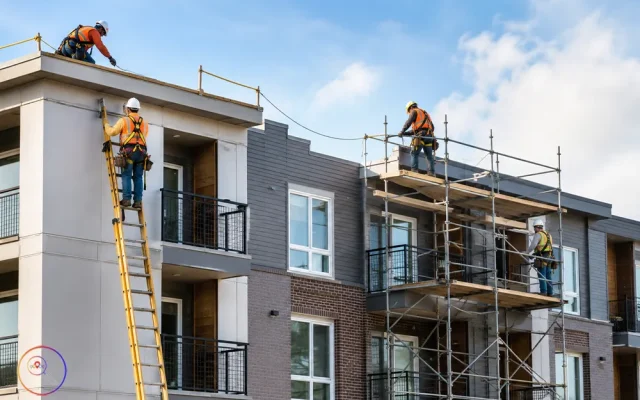
Apartment communities periodically replace appliances because of age, repeated repair costs, renovations, energy efficiency goals, or property-wide upgrades.
Those projects can require more coordination than renters might expect.
Management may need to schedule unit access, arrange delivery, remove old appliances, coordinate installation, and communicate with residents while minimizing disruption.
That is why an organized property management process matters. Renters and managers interested in the operational side can also see how modern apartments handle rapid tenant upgrades when coordinating improvements across occupied communities.
For residents, the most important step is paying attention to notices from management regarding entry dates, delivery windows, and instructions for clearing space around the appliance being replaced.
Small Habits Can Help Appliances Last Longer
Most renters do not need an elaborate appliance maintenance schedule.
A handful of habits can make a noticeable difference.
| Frequency | Simple Apartment Appliance Task |
|---|---|
| After every dryer load | Clean the lint filter |
| After laundry | Let front-loading washer dry out |
| Weekly | Wipe major kitchen appliance surfaces |
| Monthly | Check dishwasher filter and washer gasket |
| Every 1–2 months | Inspect or clean range hood filter as appropriate |
| Every few months | Check around appliances for leaks or damage |
| About twice a year | Check accessible refrigerator coils if renter cleaning is appropriate |
| Anytime something changes | Report unusual sounds, smells, heat, leaks, or performance |
These tasks take relatively little time but may help prevent neglected buildup from turning into larger problems.
Helpful Finds for Appliance Care
Stainless appliances look great until the first fingerprint. Keep them showroom-ready:
- Stainless Steel Cleaner & Polish – removes smudges without streaks.
- Microfiber Cloths (24-Pack) – the right cloth for stainless and glass.
- Dishwasher Cleaner Tablets – monthly maintenance that prevents odor.
- Washing Machine Cleaner – front-loaders need it every month.
Rise Apartments is a participant in the Amazon Services LLC Associates Program. As an Amazon Associate we earn from qualifying purchases made through the links above, at no extra cost to you.
Frequently Asked Questions About Apartment Appliance Maintenance
Who is responsible for appliance repairs in an Atlanta apartment?
Responsibility depends on the lease, ownership of the appliance, and the circumstances surrounding the damage. If the apartment supplied the appliance, contact property management before arranging your own repair.
Should renters repair landlord-owned appliances themselves?
Generally, renters should report mechanical problems rather than disassembling or repairing landlord-owned appliances. Unauthorized repairs could create safety issues or complicate responsibility for later damage.
How often should refrigerator coils be cleaned?
Twice per year is a reasonable starting point for many refrigerators when the coils are accessible and the manufacturer recommends cleaning them. Apartments with pets or significant dust may require more frequent cleaning.
Why does my apartment washer smell musty?
Moisture, detergent residue, and buildup around the gasket can contribute to odors. Leaving the door open between loads, wiping the gasket, and using the recommended amount of detergent may help.
Why is my dryer taking longer than usual?
Slow drying may be caused by an overloaded machine, clogged lint screen, restricted vent, or appliance problem. If cleaning the lint screen does not help, report the issue rather than attempting to access the building’s dryer vent system yourself.
Should I clean the dishwasher filter?
Many modern dishwashers have removable filters that require periodic cleaning. Check your appliance instructions or ask your property management team if you are unsure how the filter should be maintained.
What should I do if an appliance starts leaking?
Stop using the appliance when safe to do so and notify property management promptly. Active leaks can damage cabinets, flooring, belongings, and neighboring units.
What if the refrigerator stops keeping food cold?
Check that the appliance is receiving power and that the door closes fully, but avoid dismantling it. Report the issue quickly, particularly if interior temperatures rise above safe food-storage levels.
Can I replace an apartment appliance with my own?
Do not assume that you can. Most communities have rules regarding appliance installation, electrical connections, plumbing connections, and removal of property-owned equipment. Ask management before making any changes.
Are appliances worth checking during an apartment tour?
Yes. Appliances are part of everyday apartment living, so their condition can affect convenience after move-in. Look for obvious damage and ask how the property handles maintenance and replacement.
Make Appliance Care Part of Easier Apartment Living
Appliance maintenance in an Atlanta apartment does not have to be complicated.
For most renters, good appliance care comes down to three things: keep it clean, use it correctly, and report problems early.
Clean the dryer lint screen. Rinse the dishwasher filter. Let your washer dry between loads. Keep refrigerator seals clean. Pay attention when an appliance suddenly becomes louder, hotter, slower, or less effective.
Just as importantly, know where your responsibility ends.
Complex electrical, plumbing, gas, ventilation, or mechanical repairs should usually be handled through property management or an appropriate professional rather than becoming a DIY apartment project.
For anyone comparing apartments in Atlanta, appliance condition and maintenance procedures are worth considering alongside rent, amenities, location, and floor plan. A well-maintained apartment is not simply one that looks good during a tour. It is one where the systems you depend on every day continue working after you move in.