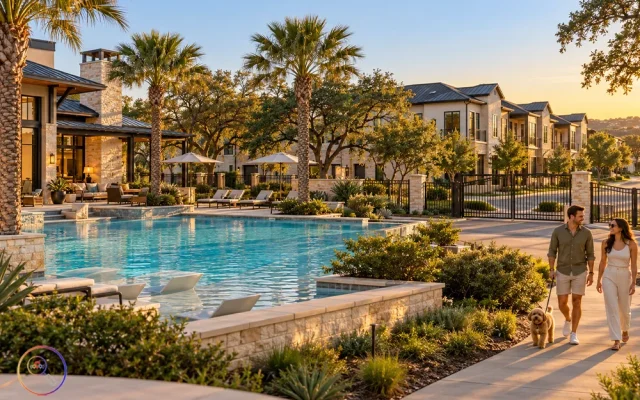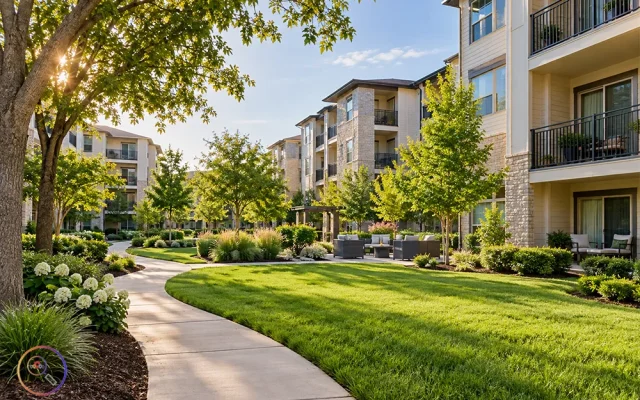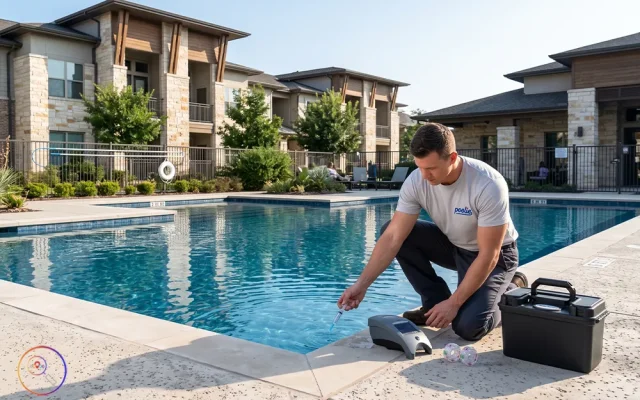

The outdoor areas of an apartment community influence much more than curb appeal. Walkways, landscaping, playgrounds, ponds, gathering spaces, and drainage systems all affect how residents experience the property—and how much time the maintenance team spends dealing with preventable problems.
A well-designed outdoor space can make an apartment community feel more comfortable and organized while reducing recurring maintenance requests. On the other hand, poorly planned landscaping, worn paths, standing water, failing irrigation, and neglected amenities can quickly become ongoing management headaches.
For apartment owners and property managers, the goal is not necessarily to create the most elaborate outdoor environment. It is to make strategic improvements that are attractive, durable, easy to inspect, and practical to maintain.
The following six improvements can help apartment communities create more functional outdoor spaces while making day-to-day property management easier.
1. Define Durable Walking and Gathering Zones That Reduce Landscape Wear
Apartment residents rarely limit themselves to officially designated sidewalks. If the shortest route between a parking area, mailbox, apartment building, dog park, or leasing office crosses a lawn, people will eventually create their own path.
These informal routes are sometimes called desire lines.
At first, they may appear as slightly flattened grass. Over time, however, repeated foot traffic can create bare soil, mud, erosion, and uneven surfaces. Maintenance crews may repeatedly reseed or resod the area, only to see the same problem return.
Instead of fighting established traffic patterns, apartment communities can sometimes incorporate them into the landscape.
Depending on the property, solutions may include:
- Paver walkways
- Decomposed granite paths
- Concrete extensions
- Stepping-stone routes
- Mulched pathways
- Defined connections between parking and common areas
The same principle applies to outdoor gathering areas.
A bench placed directly on grass may eventually create a worn area around it. Picnic tables, grills, shade structures, and seating areas generally work better when they are installed on durable surfaces designed for frequent use.
Creating defined activity zones can also make the property feel more intentional. Residents know where to walk, sit, gather, and move through shared spaces rather than gradually spreading activity across landscaped areas.
Think About the Resident’s Daily Route
Property managers can learn a great deal simply by observing where residents naturally walk.
Look at the routes between:
- Apartment buildings and parking lots
- Mailboxes and building entrances
- Dog parks and pet-waste stations
- Clubhouses and pools
- Leasing offices and guest parking
- Playground areas and nearby buildings
- Trash or recycling areas and residential buildings
If residents consistently cut through the same landscaped area, redesigning the route may cost more initially than repairing the grass. However, it can significantly reduce repeated landscaping work over several years.
| Outdoor problem | Short-term response | Longer-term approach |
|---|---|---|
| Worn grass from foot traffic | Reseed or resod | Install a durable walking surface |
| Mud around benches | Add mulch | Create a paved seating pad |
| Residents cutting across landscaping | Add signs | Evaluate whether a practical walkway is needed |
| Erosion beside sidewalks | Replace soil | Redirect drainage and stabilize the edge |
| Heavy traffic around mailboxes | Repair turf | Expand the hardscape around the area |
Outdoor improvements that follow actual resident behavior are often easier to maintain than landscaping that expects residents to take inconvenient routes.
2. Match Pond Aeration and Fountain Equipment to the Water Feature
Water features can make an apartment community feel more peaceful and visually appealing. A pond visible from apartment balconies, walking trails, or outdoor seating areas may even become one of the property’s most recognizable amenities.
However, ponds also require ongoing management.
Small decorative water features and large retention or amenity ponds have very different maintenance needs. A small courtyard pond may only need enough water movement to maintain its appearance, while a larger community pond may require more substantial circulation and aeration.
Problems can become especially noticeable during warm weather.
Poorly maintained water features may develop:
- Algae growth
- Unpleasant odors
- Stagnant areas
- Debris accumulation
- Insect activity
- Pump failures
- Reduced water clarity
Equipment should therefore be selected according to the actual size and purpose of the water feature.
An aerating pond fountain for large ponds is typically selected according to characteristics such as pond size and the amount of circulation required rather than appearance alone.
For apartment communities, documenting the equipment matters as much as installing it.
A maintenance record should identify the pump or fountain serving each water feature, along with basic information such as service dates, electrical requirements, model numbers, and inspection intervals.
Include Water Features in Routine Property Walks
Ponds can sometimes fall outside a normal maintenance routine because they are neither building systems nor conventional landscaping.
Adding them to the regular property inspection can help teams notice changes earlier.
Check for:
- Unusual water color
- Reduced fountain output
- Debris around intake areas
- Damaged electrical components
- Erosion near the shoreline
- Excessive vegetation growth
- Resident reports of odor or insects
For prospective renters touring the community, a clean and properly functioning pond can reinforce the impression that the property is well maintained. A neglected one can do the opposite.
3. Standardize Irrigation and Drainage Checks Before Seasonal Weather Changes

Landscaping contributes heavily to the appearance of an apartment community, but maintaining it efficiently requires more than simply running sprinklers on a schedule.
Irrigation systems change over time.
Sprinkler heads can shift, become blocked by vegetation, break during landscaping work, or begin watering areas they were never intended to reach. Programming that worked earlier in the year may also become inefficient as temperatures and rainfall patterns change.
A seasonal irrigation inspection can catch these problems before they lead to dead landscaping or unnecessary water use.
Property teams should inspect:
- Sprinkler head alignment
- Broken or leaking heads
- Overspray onto sidewalks or parking areas
- Dry sections of lawn
- Excessively saturated areas
- Controller schedules
- Drip irrigation around planting beds
- Irrigation near building foundations
Drainage deserves equal attention.
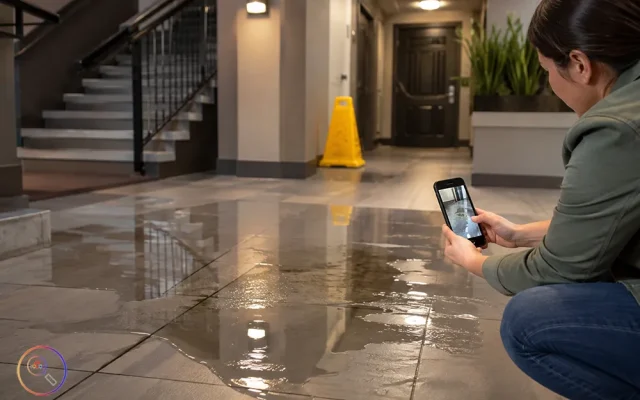
Outdoor drainage problems sometimes develop slowly. Leaves, mulch, soil, and landscaping debris can partially block drains long before obvious flooding occurs.
After a heavy rain, walk the apartment property and look for areas where water consistently collects.
Pay particular attention to:
- Building entrances
- Ground-floor patios
- Sidewalk intersections
- Parking spaces
- Mailbox areas
- Playground entrances
- Dog parks
- Pool decks
- Retaining walls
- Landscape beds near foundations
Standing water can inconvenience residents, damage landscaping, create muddy walking routes, and generate maintenance requests that continue until the underlying drainage problem is corrected.
Create a Simple Seasonal Checklist
Apartment communities do not necessarily need a complicated inspection system.
A basic schedule may include:
| Time | Outdoor maintenance focus |
|---|---|
| Early spring | Irrigation startup, drainage inspection, landscape damage |
| Late spring | Sprinkler coverage and plant growth |
| Summer | Irrigation efficiency, pond condition, shaded amenity areas |
| Early fall | Drain cleaning, leaf buildup, landscape trimming |
| Late fall | Irrigation shutdown where applicable and drainage preparation |
| After major storms | Standing water, erosion, broken limbs, blocked drains |
Consistency is often more valuable than complexity.
4. Keep Grounds Equipment Serviceable With the Right Attachments
Larger apartment communities frequently rely on landscaping contractors, but some multifamily properties maintain equipment for grounds work, snow removal, material handling, landscaping projects, and general property improvements.
Equipment becomes more useful when it can perform several jobs.
A skid steer, for example, might be used for:
- Moving mulch
- Transporting soil
- Carrying pallets
- Removing debris
- Digging post holes
- Moving landscaping materials
- Supporting pavement or drainage repairs
The advantage disappears when equipment is constantly unavailable because attachments do not fit correctly or maintenance teams do not know which parts belong to which machine.
Aftermarket skid steer attachments provide one example of equipment made to work with specific machine configurations without necessarily being sold as original-brand attachments.
Whatever equipment a property uses, standardization can make management easier.
Maintenance teams should document:
- Machine model
- Compatible attachment class
- Attachment inventory
- Service intervals
- Replacement parts
- Storage location
- Operator responsibilities
For apartment communities with multiple properties, consistent equipment standards can be especially useful. Teams transferring between properties are less likely to encounter an entirely different system every time they assist another location.
Keep Equipment Storage Organized
Outdoor equipment storage deserves attention as well.
Frequently used tools should be easy to locate and inspect. Seasonal equipment can be stored separately so everyday maintenance staff are not moving rarely used machinery just to reach basic landscaping tools.
An organized maintenance area can reduce time spent looking for equipment and make damaged or missing items easier to identify.
5. Improve Playground Containment and Surfacing
Playgrounds can be valuable amenities for apartment communities that serve households with children. They also require consistent inspection because small maintenance issues can become safety concerns.
Loose playground surfacing is a good example.
Materials such as engineered wood fiber or rubber mulch can gradually move away from heavily used areas. Children running, swinging, climbing, and landing naturally push material toward the edges of the play space.
Weather can redistribute it further.
The Consumer Product Safety Commission’s playground safety guidelines address playground surfacing and other safety considerations.
Property teams should not assume that loose-fill surfacing remains evenly distributed simply because the playground still looks covered from a distance.
High-use areas deserve closer attention, particularly beneath:
- Swings
- Slides
- Climbing structures
- Platforms
- Exit points
- Frequently used paths through the play area
Containment can help keep loose material where it belongs.
An adaptable commercial playground border is one type of boundary system designed to keep surfacing material inside a designated play area.
However, borders do not eliminate the need for inspection.
Maintenance teams should still check surfacing depth, redistributing or replenishing material when necessary.
Look Beyond the Surfacing
A playground inspection should also cover the surrounding environment.
Check for:
- Loose hardware
- Damaged components
- Broken fencing
- Trip hazards
- Standing water
- Exposed roots
- Sharp objects
- Damaged benches
- Trash or debris
- Landscaping obstructing visibility
Lighting may also be worth reviewing, especially when the playground is positioned between residential buildings or near evening gathering areas.
For residents, a clean and well-maintained playground contributes to the overall impression of the apartment community. It signals that common spaces receive the same attention as building interiors.
6. Build a Preventive Outdoor Inspection Calendar With Clear Ownership
Even good outdoor improvements will eventually need maintenance.
The most effective way to reduce surprise repairs is to inspect outdoor spaces regularly rather than waiting for resident complaints.
The challenge is accountability.
A calendar that says “inspect playground monthly” may not accomplish much if nobody knows who is responsible. Assigning specific areas to specific roles makes the system more practical.
For example:
| Area | Suggested inspection frequency | What to check |
|---|---|---|
| Walking paths | Monthly | Cracks, trip hazards, erosion |
| Landscaping | Weekly or biweekly | Dead plants, irrigation, debris |
| Pond or fountain | Weekly | Water movement, debris, equipment |
| Drainage | Monthly and after storms | Blockages and standing water |
| Playground | Regularly based on use | Surfacing, hardware, debris |
| Outdoor lighting | Monthly | Failed fixtures and visibility |
| Dog park | Weekly | Gates, fencing, waste stations |
| Seating areas | Monthly | Furniture condition and cleanliness |
Responsibilities can be divided among maintenance staff, grounds teams, vendors, and property managers.
The important part is making sure everyone understands who is expected to inspect what.
Use Resident Reports as Useful Property Data
Resident maintenance reports should not be viewed only as individual complaints.
When several residents report similar outdoor problems, the pattern can reveal an issue in the property’s inspection routine.
For example, repeated reports about a muddy walkway may indicate:
- Poor drainage
- Irrigation overspray
- An unofficial pedestrian route
- Damaged pavement
- A landscaping design problem
Likewise, repeated complaints about an outdoor light may indicate that fixture inspections are not happening frequently enough.
Reviewing resident feedback alongside the preventive-maintenance calendar can help property managers identify where their current schedule needs improvement.
Additional Outdoor Improvements Worth Considering
The six areas above can reduce recurring maintenance work, but apartment communities may benefit from reviewing several other outdoor features as well.
Outdoor Lighting
Lighting affects resident comfort, navigation, and the usability of amenities after sunset.
Check common pedestrian routes, parking areas, stairs, mailbox stations, pet areas, and community entrances regularly.
Replacing individual failed bulbs is important, but property managers should also look for areas where existing lighting simply does not cover how residents actually use the property.
Pet Areas
Pet-friendly apartments often experience concentrated outdoor wear.
A designated dog area can help contain some of that activity, particularly when it includes:
- Durable ground surfaces
- Secure fencing
- Waste stations
- Convenient trash bins
- Shade
- Seating
- Drainage
Well-positioned pet-waste stations throughout the property can also make it easier for residents to keep shared outdoor areas clean.
Outdoor Seating
Residents increasingly use common spaces for relaxing, socializing, reading, or working outside.
Outdoor seating does not need to be elaborate. Sometimes a few well-positioned benches or tables can improve an underused part of the property.
Choose locations that make sense for daily resident life rather than placing furniture only where it looks attractive in photographs.
Trash and Recycling Areas
Waste areas are operational spaces, but they still affect resident impressions.
Check them for:
- Overflow
- Damaged gates
- Poor lighting
- Drainage problems
- Broken fencing
- Abandoned bulk items
- Debris around containers
Keeping these areas orderly can prevent one highly visible maintenance problem from making an otherwise attractive apartment community feel neglected.
Prioritizing Outdoor Improvements on a Limited Budget
Most apartment communities cannot complete every outdoor upgrade at the same time.
A useful approach is to rank improvements according to four factors:
Safety. Does the issue create a potential hazard for residents, guests, or staff?
Maintenance frequency. How often does the property team currently spend time repairing the same problem?
Resident impact. Is the issue affecting a space residents use every day?
Property appearance. Does the condition noticeably influence curb appeal or the leasing experience?
A simple scoring system can help.
| Priority factor | Low | Medium | High |
|---|---|---|---|
| Safety concern | Cosmetic only | Possible inconvenience | Potential hazard |
| Maintenance demand | Rare | Several times yearly | Frequent recurring work |
| Resident use | Limited | Moderate | Daily |
| Leasing visibility | Hidden | Somewhat visible | Highly visible |
Issues scoring high in several categories usually deserve attention before purely cosmetic improvements.
Outdoor Spaces Are Part of the Apartment Experience
Renters do not experience an apartment community only from inside their units.
They walk from their cars to their buildings. They collect mail, walk dogs, bring children to playgrounds, meet neighbors outdoors, use pools and common areas, and pass landscaping every day.
That means outdoor property management directly contributes to the overall resident experience.
The most useful improvements are often not dramatic renovations. They are practical changes that reduce repeated work while making everyday spaces easier and more pleasant to use.
Durable walking routes can prevent constant turf repairs. Better drainage can reduce standing water complaints. Properly maintained playground surfaces can make family amenities easier to oversee. Organized equipment and inspection schedules can help maintenance teams spend less time reacting to problems.
For apartment owners and managers, that is the real value of thoughtful outdoor improvements: a property that looks better, works better for residents, and requires fewer avoidable maintenance interventions over time.