

Humidity can have a bigger effect on apartment living than many renters realize. It influences how comfortable a unit feels, how hard the air conditioner needs to work, how quickly bathrooms and laundry areas dry, and even how enjoyable a balcony or courtyard is during warmer months.
For renters comparing apartments in Texas, these details can matter quite a bit. Houston, League City, Pearland, Corpus Christi, and other Gulf Coast communities typically experience more moisture in the air than many inland markets. Even within the same metro area, an apartment near a bayou, retention pond, heavily landscaped courtyard, or poorly drained green space can feel noticeably different from another property a few miles away.
Humidity can also contribute to another familiar warm-weather problem: mosquitoes.
That does not mean renters should automatically avoid apartments in humid areas. It simply means climate, drainage, landscaping, ventilation, and property maintenance deserve a place on the apartment-shopping checklist alongside rent, parking, amenities, and commute time.
Why Humidity Matters When Choosing an Apartment
Most apartment searches begin with straightforward criteria such as monthly rent, location, bedroom count, pet policies, parking, and amenities.
Climate rarely gets the same attention.
Yet once you move in, humidity can influence day-to-day comfort just as much as the size of the kitchen or whether the community has a pool.
High outdoor humidity can make hot weather feel more uncomfortable because perspiration evaporates less efficiently. Indoors, excessive moisture can contribute to condensation, musty odors, slower-drying towels and clothing, and moisture buildup around windows or bathrooms.
The U.S. Environmental Protection Agency generally recommends keeping indoor relative humidity between about 30% and 50% when possible. Maintaining that range can improve comfort while reducing conditions that encourage mold and other moisture-related problems.
For apartment renters, controlling humidity is partly about personal habits and partly about the building itself.
A well-maintained apartment with effective air conditioning, bathroom ventilation, proper drainage, and prompt leak repairs will usually handle a humid climate much better than a property where those systems are neglected.
Humidity Can Affect More Than the Temperature
Two apartments set to the same thermostat temperature can feel surprisingly different.
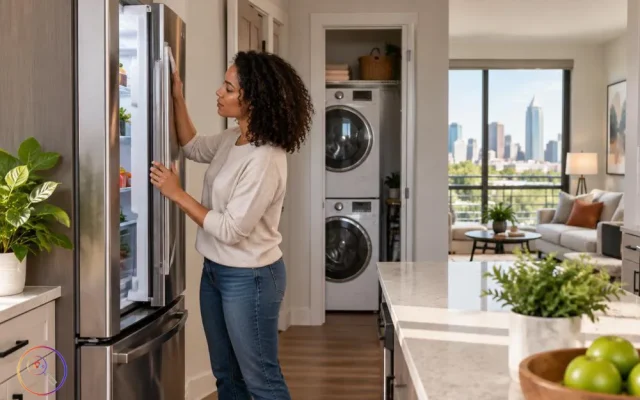
A unit where the HVAC system removes moisture effectively may feel cooler and more comfortable than one with high indoor humidity. This is one reason apartment tours should go beyond simply checking whether the air conditioner turns on.
Pay attention to how the space actually feels.
Possible warning signs of excessive indoor moisture include:
- Condensation forming on windows
- Persistent musty smells
- Damp-feeling closets
- Peeling or bubbling paint
- Dark discoloration around vents or bathrooms
- Bathrooms that remain damp long after showers
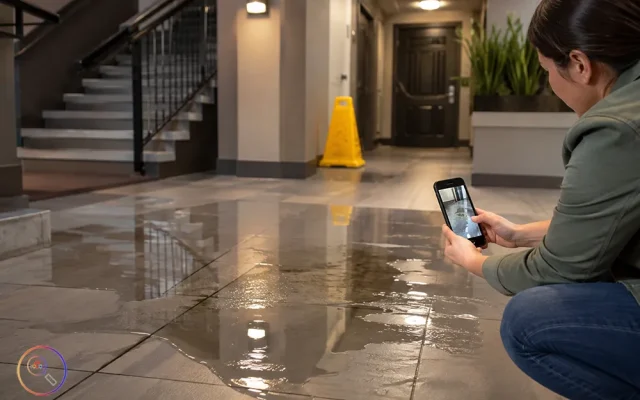
- Water stains on ceilings or walls
- Excessive condensation around HVAC vents
- Clothing or towels that seem unusually slow to dry
One sign by itself does not necessarily mean an apartment has a serious moisture problem. However, several signs appearing together deserve further questions before signing a lease.
Ask the leasing team how maintenance handles leaks, HVAC problems, drainage complaints, and other moisture-related issues.
Why Humid Apartment Communities May See More Mosquitoes
Warm temperatures and moisture create favorable conditions for mosquito activity.
This becomes especially noticeable around apartment communities because multifamily properties often contain many features capable of holding small amounts of water.
Examples include:
- Retention ponds
- Pool areas
- Roof gutters
- Storm drains
- Decorative fountains
- Irrigation systems
- Planter saucers
- Pet water bowls
- Children’s outdoor toys
- Trash and recycling areas
- Low spots in landscaping
- Poorly draining sidewalks or parking areas
Mosquitoes do not necessarily need a large pond to reproduce. Small containers and shallow areas where water remains for several days may provide enough moisture for breeding.
That makes property maintenance especially important.
A community with attractive landscaping and a resort-style pool can still be pleasant in a humid climate when drainage, irrigation, vegetation, and common areas are properly maintained. Problems are more likely when water is routinely allowed to accumulate.
For renters interested in seeing how mosquito management is approached in an especially humid coastal environment, a complete guide to mosquito control in fort lauderdale provides additional perspective.
South Florida is considerably different from many Texas markets, but the underlying lesson applies broadly: warm weather combined with abundant moisture can extend the period during which mosquitoes remain active.
Texas Renters May Notice Big Differences Between Markets
Texas is too large to treat as one climate.
Apartment living in Houston can feel very different from apartment living in Dallas, Austin, San Antonio, or El Paso.
Houston and many communities closer to the Gulf commonly deal with higher humidity. Inland areas can still experience hot and humid periods, particularly after storms, but conditions may not remain consistently moisture-heavy.
This difference can affect everything from balcony use to air-conditioning habits.
| Apartment Factor | More Humid Conditions | Drier Conditions |
|---|---|---|
| Indoor comfort | Moisture may make rooms feel warmer | Heat may feel less muggy |
| Laundry | Towels and clothing may dry more slowly | Fabrics generally dry faster |
| Outdoor spaces | Mosquito activity may be more noticeable | Fewer moisture-related breeding areas |
| HVAC use | Moisture removal becomes especially important | Cooling may be the main concern |
| Landscaping | Drainage and irrigation management matter more | Water retention may be less frequent |
| Windows and bathrooms | Condensation may occur more easily | Moisture may evaporate faster |
These are general tendencies rather than guarantees.
The apartment building itself matters enormously. A well-designed and well-maintained community in a humid city may manage moisture better than a poorly maintained property in a somewhat drier location.
That is why renters should evaluate the individual community instead of making assumptions based only on the city.
Mosquito Season Is Not Always a Short Summer Problem
Many renters think of mosquitoes as a midsummer nuisance.
In warm climates, activity can last much longer.
Temperature, rainfall, humidity, and available breeding sites all influence mosquito populations. Research discussed in this article examines how the number of days with weather conditions suitable for mosquitoes has changed across U.S. locations.
For renters, the practical takeaway is straightforward.
Mosquito prevention should not necessarily begin only when mosquitoes become unbearable. In warm, humid apartment communities, it is easier to reduce breeding opportunities consistently than to respond after populations have already increased.
Rainy stretches are particularly important. Water can accumulate quickly in places residents rarely inspect, including balcony containers, landscaping depressions, gutters, drains, and pool-area equipment.
What to Look for Outside During an Apartment Tour
An apartment tour should include more than the model unit.
Walk around the property.
Outdoor conditions can tell you quite a bit about how the community handles humidity, rain, and standing water.
Check the Landscaping
Healthy landscaping is a nice amenity, but extremely dense vegetation can retain moisture and reduce airflow.
Look for landscaping that appears maintained rather than overgrown. Pay particular attention to shrubs growing directly against apartment walls or around patios.
Also check whether irrigation appears controlled or whether sprinklers have created soggy areas.
Look at Drainage
After rain, some temporary puddling is normal.
Persistent standing water is different.
Look around:
- Parking lots
- Sidewalk edges
- Courtyards
- Dog parks
- Pool areas
- Storm drains
- Downspouts
- Building foundations
- Low areas in lawns
Large puddles or constantly saturated soil can indicate drainage problems worth asking about.
Examine Retention Ponds
Retention ponds are common in many Texas apartment communities.
Their presence alone should not automatically be considered a negative. These features are often part of a property’s stormwater-management system.
What matters more is maintenance.
A maintained pond with managed vegetation and functioning drainage is very different from an area filled with trash, stagnant pockets of water, or unmanaged vegetation.
Walk Near the Pool Area
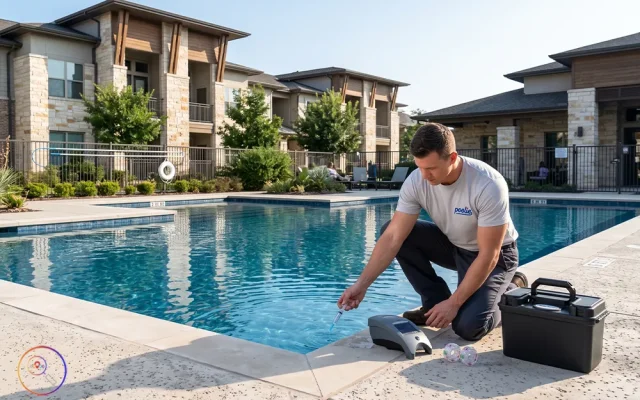
Pools naturally contain water, but properly maintained swimming pools are not the same as neglected standing water.
Instead, check the surrounding deck, landscaping, drains, furniture, and equipment areas for places where rainwater appears to collect.
Visit the Property at Different Times
If possible, visit a community more than once.
A midday tour may give you a very different impression from an early-evening visit when residents are using balconies, dog parks, walking paths, and outdoor seating areas.
An evening visit can help you evaluate how comfortable those amenities are when you would realistically use them.
Questions Renters Can Ask Before Signing a Lease
You do not need to conduct a formal inspection of the property.
A few practical questions can still reveal how seriously management takes moisture and outdoor maintenance.
Consider asking:
- How frequently is landscaping maintained?
- How are drainage problems reported?
- What happens when residents report standing water?
- Does the property have routine pest-control service?
- How quickly are HVAC service requests typically addressed?
- Who handles leaks inside units?
- Are bathroom exhaust fans vented and maintained?
- Are residents responsible for pest control inside their apartments?
- Does the lease address pest-control responsibilities?
- How are retention ponds or water features maintained?
Pay attention to the quality of the answer, not just the answer itself.
Clear explanations usually provide more useful information than vague assurances that mosquitoes or moisture are “never a problem.”
Apartment Location Within the Community Can Matter
Two units within the same apartment complex can have different experiences.
A ground-floor apartment beside dense landscaping may encounter more insects than an upper-floor unit overlooking a parking garage.
Likewise, an apartment beside a pond, pool, wooded area, or drainage channel may have different outdoor conditions from a unit facing an interior hallway or street.
When choosing between available units, consider what surrounds each one.
Units Near Water Features
A pond or pool view may be attractive, but spend a few minutes outdoors before making your decision.
Check whether water appears maintained and whether surrounding landscaping drains well.
Ground-Floor Apartments
Ground-floor living can offer easier access, patios, and convenient pet walks.
However, proximity to grass, bushes, and outdoor moisture means window screens, door seals, and landscaping maintenance become especially important.
Upper-Floor Apartments
Higher floors may experience fewer insects entering directly from nearby vegetation, although they are certainly not mosquito-proof.
Upper-floor balconies can still collect rainwater in planters, furniture covers, and containers.
Apartments Near Courtyards
Courtyard units can provide attractive views and quick access to shared amenities.
Look carefully at irrigation, fountains, shaded planting beds, and drainage before choosing one.
Simple Ways Renters Can Reduce Mosquitoes Around Their Apartment
Renters cannot control an entire apartment property.
They can control their immediate living area.
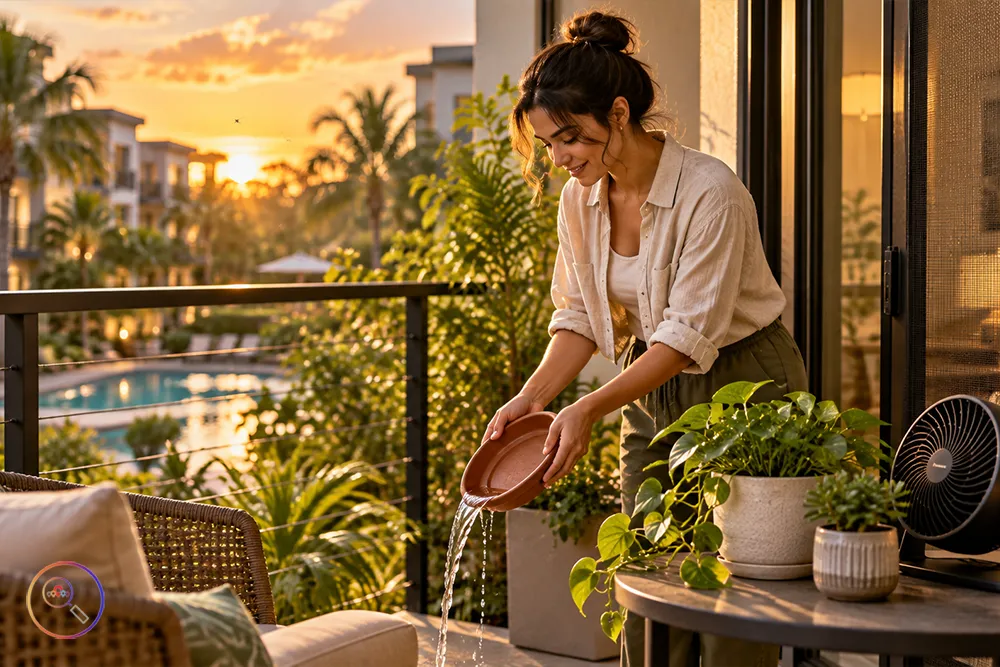
Public health guidance emphasizes regularly removing water from containers around the home because mosquitoes lay eggs near water. In an apartment setting, that means paying particular attention to balconies, patios, and entry areas.
Empty Standing Water Regularly
Check anything capable of collecting rainwater, including:
- Plant saucers
- Buckets
- Watering cans
- Outdoor toys
- Storage containers
- Furniture covers
- Pet bowls
- Decorative items
Emptying and cleaning water-holding containers regularly can interrupt mosquito breeding close to the apartment.
Check Window and Door Screens
A good screen allows renters to enjoy ventilation without giving insects an easy entrance.
Look for:
- Tears
- Loose corners
- Bent frames
- Gaps around edges
Report damaged screens to management if repairs fall under property maintenance.
Use Outdoor Fans
Mosquitoes are relatively weak fliers.
A fan directed across a balcony or patio seating area may make the space less comfortable for mosquitoes while also making humid evenings feel more pleasant.
Keep Balcony Vegetation Manageable
Apartment gardening can make balconies more inviting, but plants can also create hiding areas and water-collection points.
Check planter saucers after watering and rain.
Avoid allowing water to remain underneath pots.
Keep Doors Closed
Leaving a patio door open during humid evenings can quickly allow insects inside, particularly when interior lights are on.
Using properly fitted screens offers a better option when you want airflow.
When Mosquitoes Are a Property-Level Issue
There is a limit to what renters can reasonably manage.
A mosquito problem caused by an apartment-wide drainage issue, overflowing gutter, broken irrigation system, or poorly maintained retention area cannot be solved by emptying one flowerpot.
Report property-level problems to management.
Useful details might include:
- The exact location
- How long water has been standing
- Whether the problem follows every rainfall
- Photos of drainage issues
- Dates when the issue was noticed
- Whether mosquitoes are concentrated around the area
Written maintenance requests can also create a clearer record than relying entirely on informal conversations.
If several residents notice the same issue, individual reports may help management recognize that the problem is affecting a larger portion of the community.
How Renters Can Manage Indoor Humidity
Mosquito prevention mainly concerns the exterior of the apartment, but indoor humidity affects daily comfort too.
Fortunately, renters can make several improvements without modifying the property.
Use Bathroom Exhaust Fans
Run the bathroom fan during showers and for a period afterward.
This helps remove moisture before it spreads throughout the apartment.
Use Kitchen Ventilation
Cooking can add substantial moisture to indoor air.
Use the kitchen exhaust fan when preparing foods that generate steam.
Avoid Drying Large Amounts of Laundry Indoors
Air-drying clothes can release moisture into the apartment.
If indoor humidity is already high, use a dryer when available or provide enough ventilation for moisture to escape.
Keep Airflow Moving
Ceiling fans and portable fans do not actually remove moisture, but improved air circulation can make rooms feel more comfortable and help damp surfaces dry.
Consider a Hygrometer
A small indoor humidity meter can help determine whether the apartment simply feels humid or actually has consistently elevated relative humidity.
This can also provide useful information when discussing persistent moisture concerns with maintenance.
Consider a Dehumidifier When Appropriate
Portable dehumidifiers can help in particularly damp apartments, although they should not be used as a substitute for fixing leaks, malfunctioning HVAC equipment, or building-related moisture problems.
If humidity remains unusually high despite normal air-conditioning use, report the issue.
Know the Difference Between Humidity and a Maintenance Problem
Living in Houston during a humid summer does not automatically mean every damp feeling is a building defect.
At the same time, renters should not dismiss persistent moisture simply because the local climate is humid.
Weather-related humidity is one thing.
Recurring leaks, soaked drywall, water stains, persistent condensation, or strong musty odors may indicate a maintenance issue requiring attention.
| Situation | What a Renter Can Do |
|---|---|
| Apartment feels slightly muggy | Check thermostat settings and indoor humidity |
| Bathroom stays damp | Use exhaust fan and improve airflow |
| Window condensation occurs repeatedly | Monitor humidity and report persistent issues |
| Water appears under a sink | Submit a maintenance request promptly |
| Ceiling develops a water stain | Document and report it |
| HVAC is running but humidity remains very high | Ask maintenance to inspect the system |
| Musty odor persists | Look for moisture sources and notify management |
| Standing water forms outside regularly | Report drainage concerns |
Addressing water problems early is generally easier than dealing with the damage that can develop when moisture remains unnoticed.
Add Climate Questions to Your Apartment Search
Renters often compare apartment communities by creating a checklist.
Humidity-related considerations can easily become part of that process.
When touring apartments in warm or humid Texas markets, consider adding the following questions:
Inside the apartment
- Does the unit smell fresh or musty?
- Is there condensation around windows or vents?
- Do bathroom fans work?
- Are there visible water stains?
- Does the apartment feel unusually damp?
- Are window and patio-door screens intact?
Around the community
- Does landscaping drain properly?
- Are gutters and drains clear?
- Is standing water visible?
- Are ponds and fountains maintained?
- Is vegetation overgrown?
- Are outdoor amenities comfortable in the evening?
For management
- How are pest complaints handled?
- How quickly are leaks addressed?
- Is routine pest control provided?
- Who handles drainage problems?
- Are residents responsible for any pest-control costs?
These questions are particularly useful when comparing several apartment communities that otherwise appear similar.
Think About Comfort Beyond the Floor Plan
Apartment hunting naturally focuses on visible features.
Quartz counters, fitness centers, pools, dog parks, coworking lounges, balconies, and updated appliances are easy to compare because you can see them immediately.
Everyday comfort is sometimes less obvious.
Drainage, ventilation, HVAC performance, shade, landscaping, insects, noise, sun exposure, and humidity may have a much larger effect on daily life once the novelty of a new apartment wears off.
That is especially true when relocating between different Texas climates.
Someone moving from Dallas to Houston, for example, may want to pay more attention to indoor moisture control and outdoor drainage than they did previously. Someone relocating from Houston to a drier market may notice the opposite difference.
Neither climate is automatically better.
The important question is whether the apartment and community are designed and maintained appropriately for local conditions.
A Better Apartment Search Includes the Environment Around the Unit
Finding the right apartment is about more than calculating square footage and comparing monthly rent.
The surrounding environment matters.
In humid climates, renters should consider how well the property handles moisture, landscaping, stormwater, ventilation, and pests. Small observations during a tour—such as damaged window screens, water pooling beside a walkway, or a bathroom that smells persistently damp—can provide useful clues about what everyday living may be like.
Mosquitoes are only one part of that picture.
Humidity can affect indoor comfort, outdoor amenities, maintenance needs, and the way an apartment feels throughout much of the year.
The good news is that renters are not powerless. Choosing a well-maintained property, asking the right questions before signing a lease, eliminating standing water around personal outdoor spaces, using ventilation properly, and reporting drainage or moisture problems early can make humid-climate apartment living considerably more comfortable.
When comparing apartments, look beyond the model unit.
Walk the grounds. Check the drainage. Stand on the balcony. Look at the landscaping. Notice how the apartment feels when the air conditioner is running.
Those details may not appear on an apartment listing, but they can make a meaningful difference once the apartment becomes home.
Helpful Finds for Humid Climates
Gulf Coast humidity gets into everything. These keep an apartment dry and comfortable:
- Dehumidifier (1,500 sq ft) – the single biggest comfort upgrade in Houston.
- Digital Hygrometer – know when you are above 50 percent.
- Moisture Absorber Boxes – for closets and bathrooms.
- Mold & Mildew Remover – for grout, caulk and window sills.
Rise Apartments is a participant in the Amazon Services LLC Associates Program. As an Amazon Associate we earn from qualifying purchases made through the links above, at no extra cost to you.