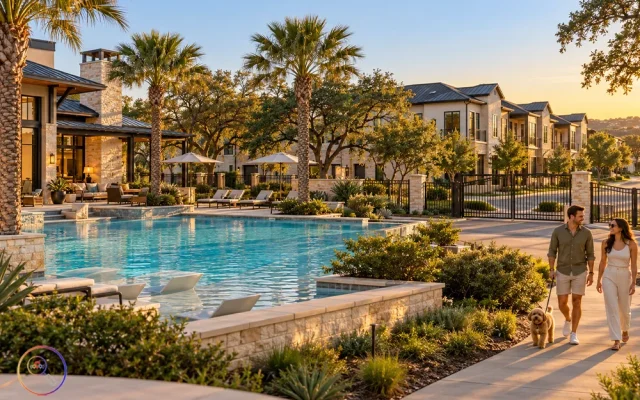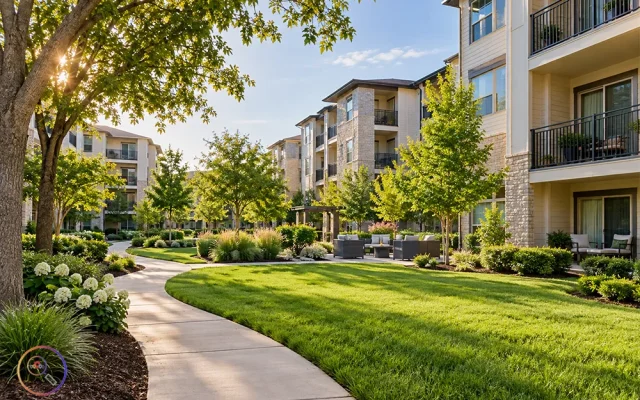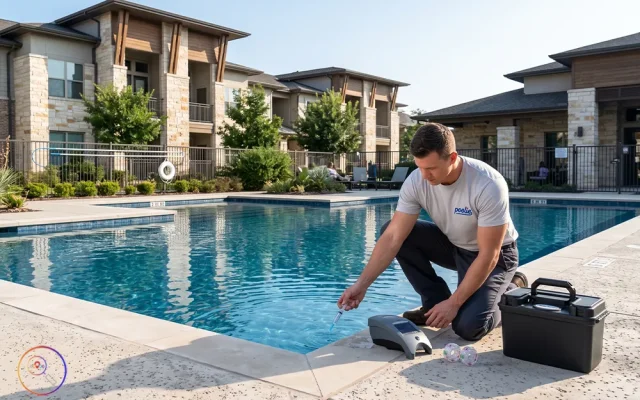

Apartment amenities can influence more than how attractive a community looks during a tour. When shared spaces are comfortable, accessible, and used thoughtfully, they can also give residents more opportunities to meet neighbors and feel at home where they live.
A pool, clubhouse, outdoor kitchen, fitness center, dog park, or sports court does not automatically create a sense of community, though. In many apartment properties, impressive amenity spaces remain surprisingly quiet outside peak hours.
The difference often comes down to how those spaces are used.
Residents generally do not need a packed social calendar or highly organized activities. Instead, apartment communities can create simple, optional opportunities that give people a reason to spend time in common areas without making participation feel like an obligation.
That distinction matters for renters, too. When comparing apartment communities, it can be helpful to look beyond the number of amenities listed on the property website. Consider whether the amenities seem practical, welcoming, and genuinely usable in everyday life.
Research also suggests that access to neighborhood amenities and shared spaces can contribute to stronger social connections. Residents who regularly encounter neighbors in common areas may be more likely to feel they have someone they can count on.
Here are six practical ways apartment communities can turn existing amenities into opportunities for natural resident interaction.
1. Use Sports Courts for Casual Resident Activities
Basketball courts, pickleball courts, volleyball areas, and nearby recreational fields provide an easy setting for residents to interact because the activity itself gives everyone something to focus on.
That can make recreational events more comfortable than traditional social mixers.
Instead of organizing a complicated league immediately, apartment communities can begin with something simple, such as:
- Saturday morning pickup basketball
- Monthly pickleball sessions
- Casual volleyball evenings
- Seasonal sports tournaments
- Walking or jogging groups
- Family-friendly recreational afternoons
The goal should be flexibility rather than competition.
Residents should be able to join occasionally without committing to an entire season. A two-hour open-play window, for example, allows people to participate according to their schedules.
This works especially well in apartment communities because residents often have different work hours, family responsibilities, and social preferences.
Make Participation Easy
A simple online signup form or community app announcement may be enough to gauge interest.
Communities can also post schedules near:
- Mailrooms
- Elevators
- Clubhouses
- Package pickup areas
- Fitness centers
Keeping participation informal makes it easier for new residents to join later.
For residents who decide to create recognizable teams, coordinated items such as unique custom baseball uniforms can be one optional approach. However, matching clothing is not necessary for the activity to succeed. The recurring interaction matters much more.
Over time, residents who repeatedly see one another during games may begin recognizing each other elsewhere around the property.
A person who was simply “someone from Building C” may eventually become the neighbor you greet in the parking lot or talk with while checking the mail.
That familiarity is often how apartment connections begin.
2. Turn the Clubhouse Into a Casual Welcome Space

Moving into a new apartment involves more than unpacking boxes.
New residents are also learning where everything is located, figuring out parking, adjusting to a new commute, finding nearby stores, and becoming familiar with their surroundings.
The apartment clubhouse or resident lounge can provide a comfortable place for newcomers to become familiar with the community.
However, welcome events work best when they remain optional and informal.
Rather than organizing a lengthy meet-and-greet, an apartment community might hold a simple 45- to 60-minute open-house period.
The setup does not need to be elaborate.
Coffee, water, and a few light snacks are often sufficient.
What matters more is allowing residents to stop by briefly without feeling expected to remain for the entire event.
Keep the Atmosphere Natural
Furniture can remain arranged as residents normally use it. There is usually no need to transform the clubhouse into a formal event venue.
Keeping staff presence limited can also help the gathering feel less structured.
Invitation wording matters as well.
Language such as “Stop by if you’d like to meet a few neighbors” feels different from messaging that suggests residents are expected to participate.
Apartment communities can also offer more than one time option.
For example:
| Welcome Session | Residents It May Suit |
|---|---|
| Weekday evening | Residents who work traditional daytime schedules |
| Saturday morning | Families and residents with busy evenings |
| Midday weekday | Remote workers and residents with flexible schedules |
Offering different times acknowledges that apartment residents rarely have identical routines.
3. Make Outdoor Kitchens and Courtyards More Useful
Outdoor kitchens, grilling stations, courtyards, picnic areas, and rooftop terraces are frequently featured in apartment listings.
For renters, these amenities can be especially valuable when their apartment does not have a large private patio or entertaining space.
But these areas often sit unused unless residents already have a reason to visit them.
Seasonal gatherings can provide that reason.
An apartment community might schedule a handful of casual events throughout the year instead of trying to fill the calendar every weekend.
Examples include:
- Spring courtyard gathering
- Early-summer grilling evening
- Late-summer poolside get-together
- Fall outdoor dinner
- Winter hot chocolate station
Keeping these events occasional can actually make them more appealing.
Residents know they are available without feeling overwhelmed by constant programming.
Avoid Making Food Events Complicated
Food-centered gatherings do not need to become formal potlucks.
A community could provide basic refreshments while allowing residents to bring something if they wish.
Making contributions optional prevents the event from becoming another responsibility.
It is also important to consider the practical side of shared outdoor areas.
Communities should clearly communicate:
- Grill reservation procedures
- Cleanup expectations
- Quiet hours
- Guest policies
- Alcohol rules, if applicable
- Fire and safety requirements
Clear expectations make shared amenities easier for everyone to enjoy.
Why This Matters When Apartment Hunting
Renters touring apartment communities may want to look at whether outdoor spaces appear genuinely functional.
Ask questions such as:
- Are grills available year-round?
- Do residents need reservations?
- Is outdoor seating available?
- Are shaded areas provided?
- How late can the courtyard be used?
- Are gatherings common or uncommon?
An amenity’s usefulness often matters more than its appearance in marketing photos.
4. Let Pet Amenities Encourage Natural Interaction
Dog parks and pet relief areas are some of the most naturally social spaces within apartment communities.
Dog owners frequently visit the same area at similar times each day. As a result, residents may begin recognizing one another without attending any organized event.
Pets often provide an easy conversation starter, too.
Research cited in the original article notes that many dog owners report their pets helping them become closer to their neighbors.
Apartment communities can support this natural interaction without turning the dog park into a heavily programmed social venue.
For example, management could designate an occasional Saturday morning as a pet meetup window while simply making sure water stations, waste bags, and shared areas are ready for use.
Good Pet Amenities Need Clear Rules
Social interaction should never come at the expense of safety.
Apartment communities should clearly post expectations regarding:
- Leash requirements
- Off-leash boundaries
- Pet supervision
- Waste cleanup
- Aggressive behavior
- Vaccination or registration requirements
- Maximum occupancy where appropriate
- Small-dog and large-dog areas, if available
Renters with pets should pay attention to these details during apartment tours.
A clean dog park with visible rules and reliable waste stations can tell you much more about everyday management than simply seeing “pet-friendly” in an apartment listing.
5. Use Clubrooms for Coworking and Skill Sharing

Shared workspaces have become increasingly useful apartment amenities as remote and hybrid work remain part of many residents’ routines.
A resident who works from home may spend hours inside the same apartment each day.
Having somewhere else on the property to work can provide a welcome change of environment without requiring a commute to a coffee shop or coworking office.
Apartment communities can make better use of clubrooms and business centers by introducing optional coworking periods.
For example:
Tuesday, 9 a.m.–noon: Quiet coworking in the resident lounge.
That is often enough structure.
Residents bring their laptops, work independently, and leave whenever they need to.
There is no presentation, networking requirement, or scheduled discussion.
The benefit comes simply from having other people nearby.
Consider a Community Skill Board
Another low-maintenance idea is a resident skill board.
Residents can voluntarily list something they can help with or something they would like to learn.
Examples might include:
| Resident Can Help With | Resident Wants to Learn |
|---|---|
| Resume proofreading | Basic Spanish |
| Plant care | Photography |
| Dog walking tips | Cooking |
| Computer troubleshooting | Yoga |
| Guitar basics | Budget planning |
Apartment management does not need to coordinate every interaction.
The board simply helps interested residents discover common interests.
A digital version could also be included in a resident app or private community portal.
Privacy should remain a priority, however. Residents should choose what information they share rather than having contact information posted automatically.
6. Make Amenity Information Easy to Find
Sometimes the biggest barrier to resident participation is not a lack of interest.
Residents simply do not know what is happening.
A straightforward monthly community calendar can solve much of that problem.
Each listing should include:
- Activity
- Date
- Start time
- Expected duration
- Location
- Whether registration is required
- Any items residents should bring
Avoid making residents open several different messages to understand one event.
The easier information is to find, the more likely people are to use it.
Use More Than One Communication Channel
Not every renter checks the same communication platform.
A balanced approach might include:
| Communication Method | Best Use |
|---|---|
| Resident app | Timely announcements and reminders |
| Monthly calendars and longer information | |
| Lobby board | Quick visual reminders |
| Elevator notice | Short upcoming-event announcements |
| QR code | Direct access to schedules or signup forms |
Communities should avoid sending excessive notifications, however.
Too many messages can cause residents to ignore all of them.
A predictable monthly calendar followed by one reminder shortly before an event may be more effective than frequent announcements.
Ask Residents What They Actually Want
Amenity programming should not be based entirely on assumptions.
A short resident survey can reveal which activities people actually value.
Useful questions might include:
- Which shared amenities do you use most?
- Which amenities would you like to use more often?
- What days work best for community activities?
- Do you prefer morning, afternoon, or evening events?
- Would you attend quiet coworking sessions?
- Are you interested in recreational sports?
- Would you participate in occasional seasonal gatherings?
Keeping surveys short improves the chance residents will complete them.
More importantly, apartment teams should use the answers.
There is little value in repeatedly scheduling Thursday evening activities if residents consistently indicate that Saturday mornings work better.
What Renters Can Learn From Shared Amenities
Amenities are often one of the first things people compare while searching for apartments.
Pools, clubhouses, fitness centers, dog parks, business centers, and rooftop lounges can certainly make an apartment community more appealing.
But quantity is not everything.
When touring apartments, consider how the spaces appear to function in real life.
Look for signs such as:
- Residents actually using common areas
- Clean and maintained furniture
- Working equipment
- Clear amenity rules
- Adequate lighting
- Convenient operating hours
- Accessible reservation systems
- Comfortable seating
- Visible maintenance
- Reasonable guest policies
A beautifully photographed lounge that is difficult to reserve may provide less everyday value than a modest clubhouse residents can actually use.
The same principle applies to fitness centers, grilling areas, pools, coworking rooms, and pet amenities.
Questions to Ask During an Apartment Tour
If shared amenities are important to your apartment search, consider asking the leasing team:
- What hours are the amenities available?
- Are reservations required?
- Are there additional amenity fees?
- Can residents bring guests?
- How often are common spaces cleaned?
- Are events regularly scheduled?
- How are residents notified of community activities?
- Are there quiet hours?
- Can residents reserve spaces for private gatherings?
- Are some amenities seasonal?
These questions can provide a more realistic picture of what living in the community will actually be like.
Community Building Should Remain Optional
One of the most important principles for apartment communities is recognizing that not everyone wants the same level of interaction.
Some residents enjoy knowing many neighbors.
Others value privacy and prefer to keep their home life quiet.
Both preferences are reasonable.
Apartment communities therefore do not need to manufacture constant interaction.
The better approach is to create opportunities without creating pressure.
A well-run community might offer several different ways for residents to participate:
- A sports activity for active residents
- A dog meetup for pet owners
- A coworking session for remote workers
- A seasonal outdoor event for families
- A casual welcome gathering for newcomers
Residents can choose what fits their lifestyle.
This approach also prevents “community” from becoming synonymous with mandatory social events.
Start With the Amenities Residents Already Have
Apartment communities do not necessarily need to build new facilities to improve the resident experience.
Often, the first step is simply getting more value from existing spaces.
A clubhouse can double as a coworking area.
A basketball court can host occasional pickup games.
An outdoor kitchen can support seasonal gatherings.
A dog park naturally creates opportunities for neighbors to meet.
Even a mailroom bulletin board can become a useful communication hub.
Property teams can start with one or two ideas, observe how residents respond, and adjust from there.
A simple 90-day approach might look like this:
| Month | Initiative |
|---|---|
| Month 1 | Publish a clear community and amenity calendar |
| Month 2 | Test one casual clubhouse or coworking activity |
| Month 3 | Introduce one outdoor, sports, or pet-focused activity |
This keeps the process manageable while giving residents enough time to become aware of what’s available.
Final Thoughts
Shared amenities can add real value to apartment living, but their value depends largely on whether residents can comfortably use them.
The most successful approach is rarely the most elaborate.
It is usually something simple: a regular pickup game, a casual clubhouse gathering, a shared outdoor meal, a dog park meetup, or a quiet coworking morning.
These activities give residents a reason to spend time in common areas while still allowing everyone to decide how involved they want to be.
For renters, this is also a useful reminder when comparing apartments. Do not only ask which community has the longest amenity list. Look at how those amenities fit into everyday life.
A functional, welcoming shared space that residents actually use can contribute far more to the apartment experience than an impressive feature that mostly sits empty.