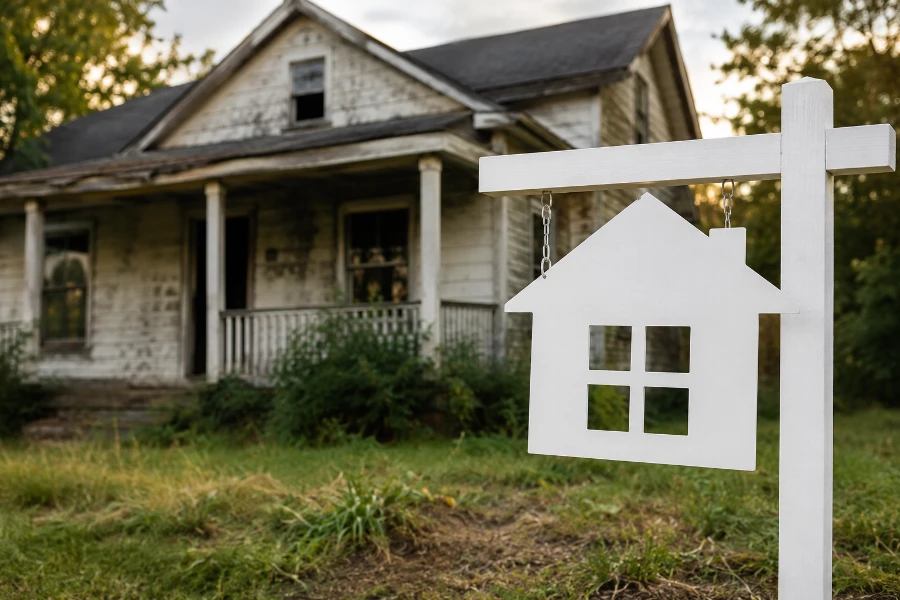

Selling your property as is. ‘As is’ means you list your home without having made any repairs or improvements to it. Buyers view the property it it’s current state. Selling as is can be a quick sale and save money on repairs, but could also negatively impact the sale price and attractiveness of the property.
This is a popular choice when owners desire a quick sale or can’t invest in improvements. Selling as is can be a convenient solution, but there are financial considerations to weigh. For some investors or traditional buyers it may be an easier sale, but most prospective owners expect the property to be ready to occupy when buying a home.
How Selling As Is Can Save Time and Money
A major benefit of offering your house as is is that you won’t have to fund any repairs, upgrades, or staging. For example, anything from flooring, kitchens to a roof can cost between $10,000$50,000 based on the work. Being able to avoid these costs saves you time to move in a more timely manner In particular if you are moving out of state, short on funds, or selling an estate. Usually, a house sale as is will take 3045 days to close while a normal sale followed by repairs and inspections will take 6090 days to close.
The convenience appeal is financial, but also emotional. For the owner who has work commitments or family or health issues, having to manage repairs and organize contractors is frustrating and time-consuming. Selling as is puts the hassle onto the buyer, making it easier for the seller.
Potential Impact on Sale Price and Buyer Pool
If you don’t do upgrades, you’ll often get a lower list price. Buyers come with an idea of how much repairs cost and negotiate the price As a result. Current industry stats indicate as-is homes tend to sell for between 5 and 20% less than similar homes in move-in ready condition. That’s $15,000$60,000 in my example of a $300,000 home!
The discounted price will draw in the investor and cash buyer market eager for some sweat equity, but could turn off traditional buyers expecting a ready-to-move-in home. Location and type of property matter as well. One market with limited supply might still bring the highest bid even in this condition, where another with a higher supply might take longer to sell at a bigger discount. Knowing the market helps set realistic expectations.
Negotiating Repairs and Inspection Outcomes
Even in as-is sales, buyers will usually ask for an inspection, and those results will influence the final offer. Though you’re not obliged to do repair work, the inspection report will give buyers power to negotiate on price or ask for concession about the purchase. As a seller you should be aware of what the potential issues are (plumbing, leaky roof, code violations, electrical issues) and what they are ordinarily worth in your area, so you know how to respond to educated inquiries without having to undertake work that exceeds your budget.
For owners who want as little trouble as possible, communicating and documenting the property’s condition clearly can avert conflicts. Being honest about existing problems might help build credibility and avoid surprises on the day of closing.
Finding the Right Buyer for As-Is Homes
As-is properties tend to appeal to investors, flippers, or buyers seeking a project. Cash buyers are particularly valuable because they can close quickly and aren’t reliant on traditional mortgage approvals that might require repairs. Working with professionals experienced in as-is sales can help match your property with the right audience, reducing time on the market. Homeowners looking for speed and simplicity often benefit from connecting with specialized buyers, such as cash home buyers in Virginia Beach, who understand the process and can make fair offers without requiring repairs or extended negotiations.
The human side of this approach is that it minimizes stress. Knowing the buyer has the experience and resources to handle issues can give sellers peace of mind and a predictable closing timeline, which is often the primary goal in urgent situations.
Weighing Risk and Convenience
There are Definitely trade-offs when selling a house as is. You gain a quicker sale, with few hurdles including repairs, inspections and staging, but it comes at the expense of top dollar and diminishing the potential pool of buyers. The trick is to know your numbers and be comfortable with your timing, tastes and risk-trak.
For some sellers, they are comfortable taking less for their home with the certainty of another sale in a short period of time, while others are willing to do some fixes in exchange for a larger profit. On balance selling as is is a pragmatic trade-off between getting the property away and pushing for maximum return. Thoughtful planning and consideration of the market, condition and buyer type should help reduce to a minimum risk of stress from our selling experiences.
Understanding Disclosure Requirements When Selling a House As Is
Many homeowners assume that selling a house as is means they can avoid discussing problems with the property.
That is not how most real estate laws work.
In many states, sellers are still legally required to disclose known material defects even when the home is listed as-is. Structural issues, water damage, mold, foundation cracks, pest problems, or past insurance claims may still need to be documented properly.
Failing to disclose known issues can create legal problems after closing.
This is why experienced sellers often prepare:
- Previous inspection reports
- Repair invoices
- Roof or HVAC warranties
- Insurance claim documentation
- Utility records
- Property disclosure forms
Clear documentation protects both parties.
And surprisingly, transparency can sometimes improve buyer confidence even when the property needs work.
A buyer may accept an aging roof more comfortably if they know exactly when it was last repaired and what condition it is in.
When selling a house as is, honesty often reduces delays, renegotiations, and canceled contracts.
Situations Where Selling a House As Is Makes Sense
Not every homeowner benefits from completing renovations before listing.
In many real-world situations, selling as-is becomes the most practical option available.
Common scenarios include:
| Situation | Why Selling As Is Helps |
| Inherited property | Avoids major cleanup and renovation expenses |
| Divorce | Speeds up asset division and sale timeline |
| Financial hardship | Eliminates upfront repair costs |
| Relocation | Allows faster move without managing contractors |
| Landlord burnout | Avoids updating an older rental property |
| Major repair issues | Prevents investing money into a declining asset |
| Estate sales | Simplifies the process for surviving family members |
Some owners simply do not want months of uncertainty.
That matters.
The emotional relief of simplifying the process is often underestimated when discussing selling a house as is.
Common Repairs Buyers Worry About Most
Buyers usually calculate repair risks quickly during an as-is transaction.
Certain issues tend to create the biggest pricing concerns:
- Foundation movement
- Roof leaks or aging shingles
- Electrical panel problems
- Plumbing leaks or sewer line issues
- HVAC system failure
- Mold or water intrusion
- Termite damage
- Outdated wiring
- Code violations
- Window replacement costs
These repairs can dramatically affect financing approval as well.
For example, some government-backed mortgage programs may reject homes with serious safety or habitability issues. That is one reason cash buyers dominate many as-is transactions.
Understanding which repairs create the largest buyer concerns helps sellers prepare for negotiations more realistically.
Preparing an As-Is Property Before Listing
Selling as-is does not mean presenting the property poorly.
That is an important distinction.
You may skip major renovations while still improving the home’s appearance and marketability.
Simple improvements can still help attract better offers:
- Deep cleaning the property
- Removing clutter
- Improving curb appeal
- Cutting overgrown landscaping
- Touching up paint where inexpensive
- Fixing broken lighting
- Removing odors
- Cleaning carpets
- Securing loose handrails or hazards
Small cosmetic efforts can create a much stronger first impression without requiring a full remodel.
Sometimes spending a few hundred dollars strategically can help reduce much larger buyer discounts later.
The Role of Pricing Strategy in Selling a House As Is
Pricing becomes extremely important in as-is transactions.
Overpricing usually backfires quickly.
Buyers searching for distressed or fixer-upper properties compare opportunities aggressively. If the home appears overpriced relative to repair costs, the listing may sit on the market for weeks or months.
Experienced agents often recommend pricing slightly below comparable renovated homes while accounting for:
- Estimated repair costs
- Local inventory levels
- Market demand
- Neighborhood values
- Property age
- Financing limitations
- Buyer competition
The strongest strategy is often realistic pricing from day one rather than repeated price reductions later.
A well-priced as-is home can still generate multiple offers in competitive markets.
Advantages of Working With Experienced Professionals
The process becomes smoother when sellers work with professionals familiar with selling a house as is.
This may include:
- Real estate agents experienced in distressed properties
- Real estate attorneys
- Estate sale coordinators
- Investor-focused brokers
- Professional home buyers
- Property cleanout services
These professionals understand how to market properties with repair needs properly.
More importantly, they help sellers avoid common mistakes such as:
- Underpricing severely
- Ignoring disclosure obligations
- Accepting risky financing offers
- Missing hidden closing costs
- Allowing inspection negotiations to spiral
Good guidance reduces uncertainty.
And uncertainty is often the biggest source of stress during an as-is sale.
How Market Conditions Affect As-Is Home Sales
Housing markets influence as-is transactions heavily.
In a strong seller’s market with limited inventory, buyers may compete aggressively even for homes needing repairs.
In slower markets, buyers gain leverage.
This affects:
- Days on market
- Negotiation strength
- Inspection demands
- Financing flexibility
- Final sale price
For example:
| Market Condition | Likely Outcome for As-Is Sellers |
| Low inventory market | Faster offers and smaller discounts |
| High interest rate environment | Buyers negotiate harder |
| Buyer’s market | Longer selling timeline |
| Investor-heavy market | More cash offers |
| Luxury market | Buyers expect higher condition standards |
Understanding local conditions helps sellers decide whether waiting, repairing, or listing immediately makes the most financial sense.
Emotional Factors Behind Selling a House As Is
Real estate discussions usually focus on money.
But emotions drive many decisions.
Some homeowners feel overwhelmed by deferred maintenance. Others are managing probate, illness, job relocation, or financial strain.
In those moments, convenience has real value.
The ability to avoid contractors, inspections, repeated showings, and repair schedules can provide enormous peace of mind.
That is one reason selling a house as is continues to grow in popularity despite the possibility of accepting a lower sale price.
Sometimes certainty matters more than squeezing every dollar from the property.
And for many sellers, reducing stress becomes the biggest victory of all.
Final Perspective on Selling a House As Is
The decision ultimately comes down to priorities.
If maximizing profit is the primary goal, investing in repairs and upgrades may deliver stronger returns.
But if speed, simplicity, flexibility, and reduced stress matter more, selling a house as is can be a highly practical strategy.
The key is entering the process informed.
Understand your property’s condition.
Know your local market.
Price realistically.
Disclose issues honestly.
Target the right buyers.
Most importantly, recognize that every seller’s situation is different.
There is no universal right answer.
A successful as-is sale is not about perfection.
It is about aligning the sale strategy with your financial goals, timeline, and personal circumstances.
Frequently Asked Questions (FAQs)
Yes. Buyers often negotiate based on inspection findings, even in as-is transactions.
No. Most buyers still request inspections to understand the property’s condition before closing.
Usually, yes. Many as-is sales close faster because sellers avoid repairs and renovation delays.
In many cases they do, because buyers factor repair costs into their offers.
Investors, flippers, landlords, and cash buyers are the most common purchasers of as-is homes.
Yes. Some lenders may reject homes with major structural or safety issues.
Absolutely. Cleaning and basic presentation can still improve buyer interest and offers.
In many states, sellers must still disclose known material defects even in as-is sales.
It can be, especially when sellers need speed, simplicity, and want to avoid repair costs.
The biggest advantage is convenience because sellers can avoid costly repairs and lengthy preparation work.