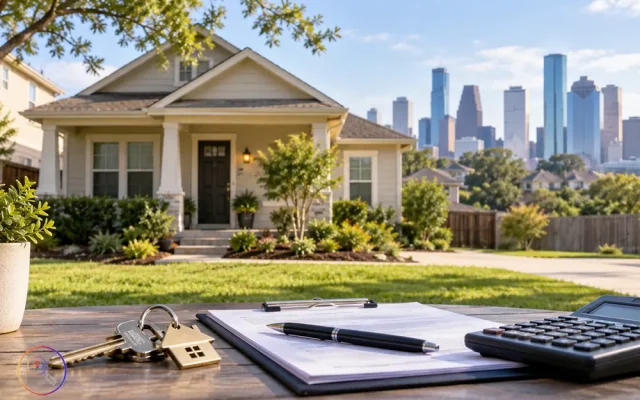


Selling a home involves more than choosing an attractive listing price and preparing the interior for showings. While fresh paint, updated landscaping, and modern fixtures can improve a property’s appearance, buyers also pay close attention to the condition of major components. Among these, the roof can have a particularly significant influence on a home’s marketability.
Understanding how roof condition impacts property value helps homeowners make informed decisions before listing. An aging or damaged roof can raise concerns about future expenses, complicate negotiations, and potentially affect financing or insurance eligibility. Conversely, a well-maintained roof can reassure buyers and make a property more competitive.
This consideration is especially important in areas such as Bradenton, Florida, where intense sunlight, heavy rainfall, humidity, and seasonal storms place considerable demands on residential roofing systems. Consulting an experienced family-owned roofing company can help homeowners evaluate existing roof conditions and determine whether inspections, repairs, or replacement should be considered before selling.
Whether a property has a recently installed roof or one approaching the end of its expected service life, understanding the relationship between roofing and real estate value can help sellers protect their investment and prepare for a smoother transaction.
Why Roof Condition Matters When Selling a House
A roof is one of the home’s most important protective components. It shields the building from rainfall, wind, sunlight, and environmental conditions that could otherwise damage the interior.
However, its importance extends beyond basic weather protection.
Homebuyers often consider roof condition when estimating the total cost of purchasing and maintaining a property. A house with a reliable roofing system may appear more financially manageable than a similar property requiring expensive repairs shortly after closing.
For sellers, this can influence several aspects of the transaction:
- Buyer confidence: A properly maintained roof suggests responsible property ownership.
- Offer prices: Buyers may account for anticipated repair or replacement expenses.
- Negotiating power: Documented roof maintenance can help address concerns raised during inspections.
- Insurance eligibility: Some insurers evaluate roof age, material, and condition when determining coverage.
- Financing: Significant roof defects may require attention before certain mortgage transactions can close.
- Time on the market: Unresolved roofing problems may discourage interested buyers or delay negotiations.
Although roof condition does not determine property value by itself, it can influence how buyers compare otherwise similar homes.
How Roof Condition Impacts Property Value and Market Appeal
The relationship between roofing and real estate value is not always straightforward. Installing a new roof does not automatically increase a home’s selling price by the full amount spent on replacement.
Instead, roof condition contributes to the property’s overall attractiveness, expected maintenance requirements, and perceived risk.
Consider two homes in the same neighborhood with similar square footage, layouts, and interior finishes.
One has a recently replaced roof with transferable warranty information and documented maintenance. The other has an aging roof showing visible deterioration.
Even if both properties are listed at comparable prices, buyers may prefer the first home because it presents fewer immediate maintenance concerns.
The second property may still sell successfully, but buyers could request concessions to compensate for expected roofing expenses.
How Different Roof Conditions Can Affect a Sale
| Roof condition | Potential buyer reaction | Possible effect on the sale |
|---|---|---|
| New or recently replaced | Greater confidence in near-term reliability | Stronger market appeal |
| Well-maintained with documented repairs | Reduced concern about hidden problems | Smoother inspections and negotiations |
| Older but functioning properly | Questions about remaining lifespan | Requests for inspections or maintenance records |
| Minor visible damage | Concern about repair costs | Repair requests or modest concessions |
| Significant leaks or deterioration | Concern about extensive damage | Lower offers, financing issues, or delays |
| Roof approaching replacement | Anticipation of a major future expense | Negotiations involving replacement costs |
These outcomes depend on local housing conditions, property pricing, and the severity of the roofing issues.
The Roof’s Influence on First Impressions
First impressions matter in real estate, and the roof is a major part of a property’s exterior appearance.
Prospective buyers may notice missing shingles, damaged flashing, stained surfaces, or uneven rooflines before entering the home. These conditions can create doubts about the property’s overall maintenance history.
Even a beautifully renovated interior may struggle to overcome concerns about a visibly neglected roof.
On the other hand, a clean, properly maintained roofing system complements attractive siding, landscaping, and exterior finishes.
Visible Roofing Problems Buyers May Notice
Common warning signs include:
- Missing, loose, or curling shingles
- Cracked or broken roofing tiles
- Rust or corrosion on metal roofing components
- Damaged flashing around chimneys and roof penetrations
- Sagging or uneven roof sections
- Excessive debris accumulation
- Damaged gutters or drainage components
- Visible water staining near roof edges
Not every visible issue indicates that a roof requires replacement. Nevertheless, these conditions may prompt buyers to request additional evaluations.
Before listing, homeowners should consider addressing obvious defects that could negatively affect curb appeal or raise questions during showings.
Why Roof Age Matters to Potential Buyers
Roof age is one of the first details knowledgeable buyers may ask about.
Although a roof can remain functional for many years, its expected lifespan depends on the roofing material, installation quality, maintenance history, ventilation, and exposure to severe weather.
A roof’s chronological age does not necessarily reflect its actual condition. However, buyers often use age as an initial indicator of potential future expenses.
Typical Roofing Material Lifespans
| Roofing material | Approximate service life |
|---|---|
| Asphalt shingles | 15–30 years |
| Architectural asphalt shingles | 20–30 years |
| Metal roofing | 40–70 years |
| Concrete tiles | 30–50 years or longer |
| Clay tiles | 50 years or longer |
| Wood shingles or shakes | 20–30 years |
| Slate roofing | 50–100 years or longer |
These ranges are general estimates rather than guarantees. Weather exposure, installation methods, maintenance, and manufacturer specifications can substantially affect actual service life. Tile and slate roofing systems may also require replacement of underlayment or other components before the surface material reaches the end of its lifespan.
For example, an asphalt shingle roof installed 22 years ago may still be functioning adequately, but buyers could question how much longer it will remain serviceable.
A professional inspection can help clarify whether the roof needs routine maintenance, localized repairs, or more extensive work.
How Roof Condition Affects Home Inspections
Home inspections are an important part of many residential real estate transactions.
After an offer is accepted, buyers commonly arrange an inspection to evaluate the property’s major systems and identify potential defects.
The roof receives particular attention because roofing problems can contribute to damage in other areas of the building.
Inspectors may assess:
- Visible roofing material deterioration
- Flashing around chimneys, vents, and other penetrations
- Signs of leaks or moisture intrusion
- Gutter and drainage conditions
- Roofline irregularities
- Accessible attic conditions
- Water stains on ceilings or insulation
- Evidence of previous repairs
Depending on accessibility, safety conditions, and the inspection’s scope, an inspector may evaluate the roof from the ground, a ladder, or another appropriate viewing location.
A general home inspection is not always a substitute for a detailed evaluation by a qualified roofing contractor.
What Happens When an Inspection Reveals Problems?
If buyers discover significant roofing defects, they may seek further evaluation before proceeding.
Possible outcomes include requests for repairs, a reduction in the agreed purchase price, closing credits, or changes to the transaction timeline.
In some circumstances, buyers may terminate the transaction when permitted under the purchase contract.
Sellers can reduce uncertainty by identifying roofing problems before the property enters the market.
How Roof Condition Influences Property Appraisals
A property appraisal provides an opinion of market value based on factors such as location, comparable sales, property characteristics, and overall condition.
Roofing can influence this evaluation, particularly when visible defects or deferred maintenance affect the home’s condition.
However, appraisers do not necessarily subtract the full estimated replacement cost simply because a roof is older.
Instead, the effect depends on the severity of the condition, market expectations, relevant comparable sales, and the valuation approach used.
Roof Age Versus Roof Condition
An older roof in good condition may have less influence on a property’s value than a newer roof that has suffered substantial storm damage.
Similarly, an expensive roof replacement does not guarantee an equivalent increase in appraised value.
This distinction matters because homeowners sometimes assume that spending $20,000 on roofing improvements will automatically increase their home’s value by $20,000.
Real estate markets rarely work that way.
The financial benefit of roof improvements may come from protecting existing value, improving marketability, reducing buyer objections, or preventing negotiations from breaking down.
Roof Condition and Homeowners Insurance in Florida
Insurance considerations can make roof condition especially important during home sales in Florida.
Insurance providers may evaluate roofing materials, age, condition, and documented damage when deciding whether to issue or renew coverage.
Some transactions may also involve a four-point inspection or other documentation requested by an insurer.
For buyers, uncertainty about obtaining affordable insurance can become a serious concern.
Why Insurance Questions Matter
A prospective buyer may love a property but hesitate to proceed if the roofing system creates difficulties obtaining suitable coverage.
Insurers have different underwriting requirements, and eligibility depends on the company’s standards and applicable Florida law.
Therefore, sellers should not assume that an older roof automatically makes a property uninsurable.
Instead, homeowners can provide accurate information about roof installation dates, maintenance records, repairs, and professional evaluations.
For Bradenton homeowners, addressing roofing concerns before listing can help reduce surprises when prospective buyers begin exploring insurance options.
Repairing Versus Replacing a Roof Before Selling
One of the most important questions sellers face is whether to repair an existing roof or invest in a complete replacement.
The best choice depends on the roof’s condition, expected service life, repair costs, local market conditions, and the seller’s financial objectives.
When Roof Repairs May Be Enough
Localized repairs may be appropriate when the roofing system is generally sound and problems are limited.
Examples include replacing a few damaged shingles, correcting isolated flashing defects, repairing minor leaks, or addressing damaged roof penetrations.
These improvements may resolve buyer concerns without requiring a major investment.
When Roof Replacement May Be Worth Considering
Replacement may be more appropriate when:
- Roofing materials show widespread deterioration.
- Multiple leaks have developed.
- Repairs have become frequent or increasingly expensive.
- Significant storm damage affects large sections.
- The roof is near the end of its expected service life.
- A qualified contractor determines that repairs will not provide a reliable long-term solution.
However, sellers should consider whether the anticipated selling benefits justify the cost.
In some cases, disclosing the condition and pricing the property accordingly may be more practical than replacing the roof immediately.
Comparing Roof Repair and Replacement
| Consideration | Roof repair | Roof replacement |
|---|---|---|
| Initial cost | Usually lower | Usually higher |
| Best suited for | Isolated damage | Widespread deterioration |
| Project scope | Limited sections | Most or all of the roofing system |
| Potential buyer appeal | Shows identified problems were addressed | Reduces concerns about near-term replacement |
| Remaining lifespan | Depends on existing roof | Generally begins a new service period |
| Return on investment | Often favorable for necessary minor work | Depends heavily on the market and replacement cost |
Obtaining a written professional assessment helps sellers compare these options realistically.
The Importance of a Pre-Listing Roof Inspection
A pre-listing roof inspection gives homeowners an opportunity to identify potential problems before prospective buyers discover them.
Rather than waiting for an inspection report to reveal deficiencies, sellers can review their roofing system in advance and decide how to proceed.
This approach offers several advantages.
First, it allows time to obtain repair estimates without the pressure of an approaching closing deadline.
Second, it helps sellers establish realistic expectations about necessary improvements.
Third, it creates an opportunity to document completed work and communicate accurate information to buyers.
A pre-listing inspection does not guarantee that a buyer’s inspector will reach identical conclusions. However, it can help reduce unexpected findings.
Many real estate professionals encourage property owners to address maintenance concerns before marketing a home. Early preparation can make it easier to present the property accurately and respond to buyer questions.
Roofing Documentation That Can Strengthen Buyer Confidence
A well-maintained roof becomes more reassuring when the homeowner can provide records supporting its condition.
Buyers may appreciate receiving clear documentation rather than relying solely on verbal descriptions.
Useful records include:
- Original roof installation dates
- Roofing contractor invoices
- Inspection reports
- Repair receipts and completed work descriptions
- Material and manufacturer information
- Warranty documents and transfer conditions
- Applicable permits and inspection approvals
- Records of previous storm damage and repairs
Maintaining organized documentation can make the home-selling process more transparent.
For example, if an inspection reveals a previously repaired flashing area, the seller may be able to provide an invoice describing the completed work.
This evidence does not eliminate the need for buyer due diligence, but it can help answer reasonable questions about the property’s maintenance history.
How Roof Problems Affect Buyer Negotiations
Roofing issues can become a major point of negotiation after a home inspection.
When buyers discover defects, they may calculate not only the immediate repair expense but also the potential inconvenience of scheduling contractors and managing future problems.
As a result, repair estimates can influence the buyer’s willingness to proceed at the original purchase price.
Sellers generally have several ways to respond.
Complete the repairs before closing. This may resolve concerns when the work is limited, affordable, and can be completed within the transaction timeline.
Offer an appropriate credit or concession. Depending on the purchase agreement and lender requirements, a negotiated concession may allow buyers to arrange work after closing.
Adjust the purchase price. A price reduction can reflect the property’s existing condition, although it does not necessarily resolve insurance or financing requirements.
Sell the property in its current condition. Some buyers are willing to purchase homes that need repairs, provided the condition is accurately disclosed and the terms are acceptable.
The appropriate strategy depends on the severity of the defects, financing arrangements, market demand, and the parties’ contractual obligations.
Special Roofing Considerations for Bradenton, Florida
Homeowners in Bradenton face environmental conditions that differ from those in many inland markets.
The combination of coastal humidity, strong sunlight, heavy seasonal rainfall, and potential tropical storms can accelerate wear on some roofing materials.
Therefore, sellers should pay attention to roofing details that may be particularly important in Florida.
Wind Resistance and Storm Damage
Strong winds can loosen roofing materials, damage flashing, and expose vulnerable areas to moisture.
After significant storms, homeowners should look for visible damage from a safe location and arrange professional evaluation when necessary.
Moisture and Water Intrusion
Persistent moisture can contribute to roof deterioration, damaged underlayment, and interior water problems.
Sellers should investigate ceiling stains, damp attic materials, and recurring leaks rather than simply covering cosmetic evidence.
Roof Fastening and Installation Quality
Proper installation and fastening are critical in areas exposed to severe wind conditions.
Depending on the roof’s age and construction history, buyers or insurance providers may ask for available documentation concerning wind mitigation features.
Roof Maintenance in Coastal Conditions
Salt exposure, ultraviolet radiation, humidity, and temperature fluctuations may affect roofing components differently depending on material and location.
Routine professional maintenance can help homeowners identify developing issues before they become expensive.
Common Roofing Mistakes Sellers Should Avoid
Some homeowners unintentionally create additional complications by postponing roofing decisions until a buyer’s inspection.
Common mistakes include ignoring minor leaks, concealing water stains, making undocumented repairs, or assuming that a roof must be replaced solely because of its age.
Another mistake is choosing the least expensive repair without considering whether it adequately addresses the underlying problem.
A temporary patch may improve appearance, but it does little to reassure buyers if the original cause remains unresolved.
Sellers should also avoid advertising a roof as “new” without accurate installation records or making unsupported claims about remaining service life.
Accurate descriptions and appropriate disclosures are essential.
Preparing Your Roof Before Listing: A Practical Checklist
Homeowners can use the following checklist to organize roofing preparations before putting a property on the market.
| Task | Why it matters |
|---|---|
| Review the roof’s approximate age | Helps anticipate buyer questions |
| Schedule a professional inspection | Identifies defects and maintenance needs |
| Address active leaks | Reduces the risk of additional damage |
| Repair damaged roofing materials | Improves condition and visual appeal |
| Check flashing and drainage | Helps identify potential moisture-entry points |
| Clear gutters where appropriate | Supports proper water drainage |
| Gather maintenance documentation | Gives buyers useful information |
| Review applicable warranty terms | Clarifies available coverage and transferability |
| Obtain estimates for major repairs | Supports informed pricing and negotiations |
| Discuss roofing findings with the listing agent | Helps establish an appropriate selling strategy |
The goal is not necessarily to make every roof look brand-new. Instead, sellers should aim to present an accurately maintained property with clearly documented conditions.
Does a New Roof Guarantee a Higher Selling Price?
A new roof can make a property more appealing, but homeowners should be cautious about assuming a guaranteed financial return.
The benefits depend on market conditions.
In a competitive seller’s market, a property with an older but serviceable roof may still attract strong offers.
In a slower market, buyers may be more selective and place greater importance on major components requiring little immediate attention.
Likewise, a new roof may be more valuable to prospective buyers when comparable properties have aging roofing systems.
The strongest benefit often comes from removing uncertainty.
When buyers know that a major protective component has been professionally replaced, they may feel more comfortable with the property’s anticipated maintenance costs.
Nevertheless, sellers should compare the project expense with realistic market expectations before committing to replacement.
Long-Term Property Value Starts With Preventative Maintenance
Although homeowners usually think about roof condition when preparing to sell, consistent maintenance throughout ownership can be more effective than waiting until problems become severe.
Periodic inspections, prompt leak repairs, drainage maintenance, and timely replacement of damaged components can help preserve the roof’s function.
Proper maintenance also reduces the likelihood that minor defects will cause extensive interior damage.
Over time, these efforts may help protect the property’s overall condition and reduce major repair expenses.
When the owner eventually decides to sell, a documented history of responsible maintenance can become a useful part of the home’s presentation.
Understanding how roof condition impacts property value is therefore relevant long before a property reaches the real estate market.
Final Thoughts
Roof condition influences more than a home’s exterior appearance. It can affect buyer confidence, inspection findings, insurance considerations, negotiations, and the overall ease of completing a real estate transaction.
For homeowners preparing to sell in Bradenton, Florida, evaluating the roof before listing is a practical step toward protecting property value.
Not every older roof requires replacement, and not every roofing improvement produces a dollar-for-dollar increase in selling price. What matters most is understanding the roof’s actual condition and choosing improvements that make financial sense.
By arranging appropriate inspections, addressing necessary repairs, maintaining accurate records, and communicating transparently with buyers, sellers can reduce uncertainty and position their properties more effectively in the housing market.
A reliable roofing system is ultimately more than a protective feature. It is an important part of a home’s overall condition and long-term investment appeal.
Frequently Asked Questions (FAQs)
1. How does roof condition impact property value during a home sale?
Roof condition affects buyer confidence, anticipated maintenance expenses, and overall marketability. Significant roofing defects can contribute to lower offers or requests for concessions.
2. Can an old roof reduce my home’s selling price?
Yes. Buyers may negotiate a lower price when an older roof is approaching replacement, although age alone does not necessarily mean the roof is defective.
3. Should I replace my roof before selling my house?
Replacement may make sense when deterioration is widespread or the roof is no longer reliable. However, repairs or pricing adjustments may be more economical for some sellers.
4. Will a new roof increase my home’s appraised value?
A new roof may support a home’s overall condition and market appeal, but an increase in appraised value is not guaranteed and may be less than the replacement cost.
5. What roofing problems do home inspectors look for?
Inspectors commonly evaluate visible material damage, flashing, leaks, drainage, roofline irregularities, and signs of moisture intrusion in accessible areas.
6. Can roof damage prevent a buyer from getting homeowners insurance?
Significant damage may affect insurance eligibility or coverage terms. Requirements vary among insurers, and roof age alone does not automatically determine insurability.
7. How much does roof age matter when selling a home in Florida?
Roof age can influence buyer expectations and insurance questions, but actual condition, material type, maintenance history, and applicable underwriting rules are also important.
8. Should I get a roof inspection before listing my property?
A pre-listing inspection can help identify concerns early, provide repair estimates, and reduce the likelihood of unexpected roofing issues during negotiations.
9. Can I sell a home with a damaged roof?
Yes, depending on the condition, applicable disclosure requirements, contract terms, and the buyer’s financing and insurance arrangements. Sellers may need to negotiate repairs or pricing concessions.
10. What is the best way to protect my home’s value through roof maintenance?
Arrange periodic inspections, address leaks promptly, maintain drainage systems, document repairs, and seek professional advice when roofing materials show significant deterioration.