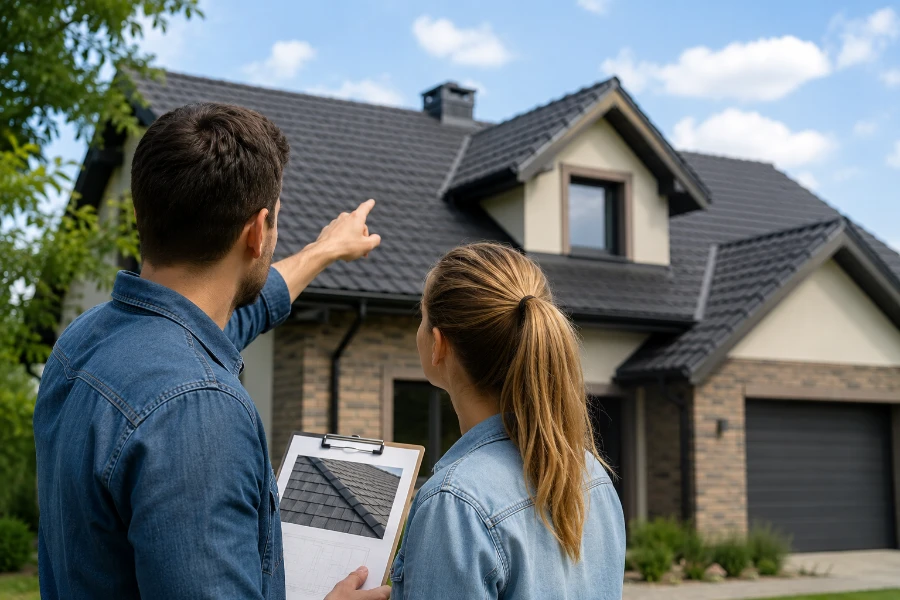

Buying your first home feels exciting. Emotional, too. You picture furniture layouts, weekend barbecues, and finally having a place that belongs to you. Then reality shows up. Fast.
One of the biggest surprises for first-time buyers is roofing.
Most people barely glance at the roof during a showing. They notice kitchens. Flooring. Paint colors. But roofing can quietly become one of the most expensive parts of homeownership if you overlook it early. In fact, many buyers discover hidden roofing problems only after moving in, when leaks appear during the first storm or insurance companies start asking uncomfortable questions.
Even worse, a neglected roof replacement can easily cost thousands more than expected once structural damage enters the picture.
That sounds intimidating. But here’s the good news: understanding roofing before you buy gives you a massive advantage. You don’t need to become a contractor overnight. You simply need to know what matters, what questions to ask, and which warning signs deserve attention.
This guide breaks it down clearly. No fluff. No confusing contractor language. Just practical information that helps first-time buyers protect their investment from day one.
Why Roofing Matters More Than Most Buyers Realize
Roofing is not just about shingles sitting on top of a house.
It affects nearly everything.
Energy efficiency. Insurance approval. Water protection. Ventilation. Structural integrity. Resale value. Even indoor air quality.
A weak roof rarely stays a “roof problem” for long. Water intrusion spreads. Mold develops quietly behind walls. Insulation becomes damaged. Wood decking softens. Small issues become expensive repairs faster than most homeowners expect.
That’s why experienced buyers pay close attention to roofing during the purchase process.
The roof protects every single thing underneath it. Literally.
The Roof Is Your Home’s First Defense System
Think about what your roof handles every year:
- Heavy rain
- Wind
- Heat
- UV exposure
- Falling debris
- Moisture buildup
- Temperature swings
That’s relentless pressure.
Good roofing systems are designed to absorb those stresses for decades. Poor roofing systems fail early, especially when installation shortcuts or cheap materials are involved.
And here’s something first-time buyers often miss: even a roof that “looks okay” from the ground can hide serious problems underneath.
I’ve seen homes with clean-looking shingles that had:
- Soft decking beneath the surface
- Hidden leaks in the attic
- Improper flashing around vents
- Poor ventilation causing trapped moisture
Cosmetic appearance alone tells only part of the story.
Roofing Also Impacts Insurance and Monthly Costs
Insurance companies care deeply about roofing.
Some insurers hesitate to cover homes with older roofs. Others increase premiums significantly if the roofing material is nearing the end of its lifespan.
This catches many buyers off guard.
Imagine closing on your dream home only to discover:
- Your insurance premium is far higher than expected
- Coverage limitations exist
- The insurer requires repairs immediately
It happens more often than people think.
Roofing also affects utility bills. Poor attic ventilation and aging materials trap heat inside the home, forcing HVAC systems to work harder. That means higher monthly costs year-round.
A strong roofing system saves money in ways buyers don’t always see immediately.
Common Roofing Types First-Time Buyers Will Encounter
Not all roofing systems behave the same way.
Each material comes with different costs, maintenance needs, and lifespan expectations.
Asphalt Shingle Roofing
This is the most common residential roofing material in the United States.
Why? Affordability.
Asphalt shingles are relatively inexpensive and easy to install. They usually last between 15 and 30 years depending on quality, climate, and maintenance.
Pros
- Lower upfront cost
- Widely available
- Easier repairs
- Multiple style options
Cons
- Shorter lifespan than premium materials
- Vulnerable to wind damage
- Heat and UV exposure can shorten durability
For many first-time buyers, asphalt roofing offers a practical starting point.
Metal Roofing
Metal roofing has become increasingly popular, especially in areas with severe weather.
And no, it doesn’t sound like living inside a drum during rainstorms.
Modern systems are surprisingly quiet.
Benefits of Metal Roofing
| Feature | Benefit |
| Long lifespan | Often 40–70 years |
| Energy efficiency | Reflects heat effectively |
| Weather resistance | Strong against wind and hail |
| Lower maintenance | Fewer recurring repairs |
The downside? Initial cost.
Metal roofing costs more upfront, but many homeowners recover that investment over time through durability and energy savings.
Tile Roofing
Tile roofing looks beautiful. It also lasts a long time.
But there’s a catch.
Tile systems are heavy. Extremely heavy compared to shingles.
That means the home structure must properly support the load. Repairs also tend to cost more because tiles can crack when walked on improperly.
Still, tile roofing performs exceptionally well in hot climates and offers impressive longevity.
Wood Shake and Specialty Roofing
Wood shake roofs have undeniable curb appeal. They create a warm, natural appearance many homeowners love.
However, they demand maintenance.
Moisture, insects, and fire resistance concerns make wood roofing less practical in some regions. Specialty roofing materials can also complicate insurance costs and future repairs.
Beauty matters. Practicality matters too.
How to Evaluate Roofing Before Buying a Home
This is where smart buyers separate themselves from rushed buyers.
You don’t need roofing expertise. You need observation skills and the willingness to ask questions.
Questions Every Buyer Should Ask
Start simple.
Ask:
- How old is the roof?
- Has it been repaired before?
- Were permits pulled for major work?
- Is there a transferable warranty?
- Has the home experienced storm damage?
If sellers hesitate or provide vague answers, pay attention.
Documentation matters.
Visible Roofing Warning Signs During a Home Tour
You can spot many roofing concerns without climbing a ladder.
Look carefully for:
- Curling shingles
- Missing shingles
- Sagging rooflines
- Granules collecting in gutters
- Ceiling stains
- Mold smells
- Peeling paint near roof edges
Inside the attic, warning signs include:
- Damp insulation
- Sunlight entering through boards
- Dark water marks
- Poor airflow
Tiny clues often reveal larger problems.
Why Roofing Inspections Are Worth Every Dollar
A general home inspection is helpful.
A dedicated roofing inspection is better.
General inspectors evaluate the overall property. Roofing specialists go deeper. They understand flashing systems, ventilation performance, underlayment conditions, drainage design, and storm-related damage patterns.
That detailed evaluation can save thousands.
In many cases, roofing inspections also strengthen buyer negotiations. Sellers may agree to:
- Reduce the purchase price
- Cover repairs
- Offer credits at closing
Without inspection documentation, buyers lose leverage.
Roofing Lifespan Expectations Matter
Every roof ages differently.
Material type matters. Climate matters. Maintenance matters.
Here’s a general breakdown:
| Roofing Material | Average Lifespan |
| Asphalt shingles | 15–30 years |
| Metal roofing | 40–70 years |
| Tile roofing | 50+ years |
| Flat roofing systems | 10–25 years |
But numbers alone don’t tell the full story.
A poorly installed 20-year roof may fail in 10 years. Meanwhile, a well-maintained roof can exceed expectations significantly.
Installation quality changes everything.
What Shortens Roofing Life Faster Than Expected
Several factors accelerate roofing deterioration:
Poor Ventilation
Heat and moisture trapped in the attic damage roofing materials from underneath.
Severe Weather
Hail, wind, and extreme heat wear down surfaces over time.
Cheap Materials
Budget materials often fail faster under stress.
Deferred Maintenance
Ignoring small repairs almost always creates bigger problems later.
Roofing rewards proactive homeowners. It punishes neglect quickly.
The Real Cost of Roofing Ownership
Many buyers focus only on the purchase price of the home.
That’s understandable.
But roofing ownership includes ongoing costs beyond installation itself.
Minor Repairs Add Up
Small repairs may include:
- Replacing shingles
- Flashing repairs
- Sealing vent penetrations
- Gutter adjustments
Individually, these costs seem manageable.
Collectively? They become part of long-term homeownership budgeting.
Hidden Roofing Costs Buyers Miss
This surprises many first-time homeowners.
Roofing projects often involve:
- Decking replacement
- Permit fees
- Disposal costs
- Ventilation upgrades
- Gutter modifications
The visible shingles are only one piece of the system.
That’s why roofing estimates can vary dramatically between contractors.
Insurance and Roofing Realities
Roofing claims create confusion for many new homeowners.
Here’s the simple version: insurance usually covers sudden damage, not gradual neglect.
Insurance Typically Covers
- Hail damage
- Wind damage
- Fallen tree impact
- Sudden storm events
Insurance Usually Does NOT Cover
- Wear and tear
- Aging materials
- Poor maintenance
- Long-term leaks ignored over time
This distinction matters.
Some homeowners assume insurance automatically pays for old roofs. That’s rarely how it works.
Roofing Maintenance Basics for New Homeowners
The good news?
Most roofing maintenance is simple.
Consistency matters more than complexity.
Seasonal Roofing Checklist
Spring
- Check for winter damage
- Inspect gutters
- Look for loose shingles
Summer
- Trim overhanging branches
- Check attic ventilation
- Watch for heat-related cracking
Fall
- Remove leaves and debris
- Clean gutters thoroughly
- Inspect flashing before winter
Winter
- Watch for ice buildup
- Monitor attic moisture
- Check ceilings for leaks
Small habits prevent major expenses.
Tiny Roofing Problems Become Massive Repairs Fast
This happens constantly.
A small leak appears harmless at first. Maybe just a stain near the ceiling corner.
Then months pass.
Moisture spreads slowly behind walls. Mold develops quietly. Wood weakens. Insulation becomes saturated.
Suddenly the “minor leak” becomes a structural repair project.
Roofing problems rarely improve on their own.
Quick action almost always costs less.
Roofing Scams First-Time Buyers Should Avoid
Unfortunately, roofing scams are common after storms.
Especially in neighborhoods with widespread damage.
Watch Out for:
- Contractors demanding huge upfront payments
- High-pressure same-day sales tactics
- Unlicensed crews
- Extremely low bids
- Door-to-door storm chasers
Good roofing contractors don’t need scare tactics.
Reliable professionals provide:
- Written estimates
- Insurance documentation
- Local references
- Clear timelines
- Detailed explanations
Trust matters in roofing because mistakes are expensive.
How to Choose a Roofing Contractor
This decision matters more than many homeowners realize.
The best roofing materials still fail when installed poorly.
Before hiring anyone:
- Verify licensing
- Confirm insurance coverage
- Read reviews carefully
- Ask for recent references
- Review warranty details
- Compare multiple estimates
And here’s an important point: the cheapest estimate rarely delivers the best value.
Quality installation saves money long-term.
Roofing Challenges Change by Climate
Roofing needs vary dramatically depending on location.
Hot Climates
Heat accelerates shingle aging and stresses ventilation systems.
Cold Climates
Snow loads and freeze-thaw cycles create moisture risks.
Storm-Prone Regions
High winds and hail demand stronger impact-resistant materials.
That’s why roofing recommendations should always consider local weather conditions.
What works perfectly in Arizona may perform terribly in Minnesota.
Smart Roofing Advice for First-Time Buyers
Let’s simplify the biggest lessons.
Never Ignore the Roof During Home Shopping
A beautiful kitchen can distract buyers from serious roofing issues.
Stay focused.
The roof protects the entire investment.
Budget Beyond the Mortgage
Homeownership includes maintenance costs.
Roofing emergencies happen unexpectedly. A dedicated repair fund helps avoid financial panic later.
Inspections Are Worth It
Skipping roofing inspections to save money often becomes expensive later.
Very expensive.
Think Long-Term
Some roofing materials cost more upfront but last decades longer.
Cheaper is not always cheaper.
Final Thoughts
First-time homebuyers often underestimate roofing because it sits quietly overhead, out of sight and out of mind.
Until something goes wrong.
But smart buyers approach roofing differently. They ask questions. They inspect carefully. And they understand how roofing affects insurance, energy efficiency, maintenance costs, and long-term property value.
That knowledge changes everything.
You don’t need to become a roofing expert overnight. You simply need enough awareness to make informed decisions and avoid preventable mistakes.
Because once you own the home, the roof becomes your responsibility.
And protecting that roof means protecting everything underneath it.
Frequently Asked Questions (FAQs)
Most homeowners should inspect roofing at least twice a year and after major storms to catch small problems early.
Roofing lifespan depends on the material, but asphalt shingles typically last 15–30 years while metal and tile roofs can last much longer.
Yes, but you should factor future repair or replacement costs into your budget and negotiate repairs if necessary.
Insurance usually covers sudden storm damage but not wear, aging, or poor maintenance.
Common signs include missing shingles, leaks, sagging areas, mold growth, and water stains on ceilings.
Absolutely. A dedicated roofing inspection can reveal hidden issues that general home inspections may miss.
Asphalt shingles are often the most budget-friendly option, while metal roofing offers longer-term durability.
Setting aside a small annual maintenance fund helps cover inspections, gutter cleaning, and minor repairs before they grow.
Yes, damaged or poorly ventilated roofing can trap heat and force HVAC systems to work harder.
If the roof has widespread damage, recurring leaks, or is nearing the end of its lifespan, replacement may become more cost-effective than repairs.