Behind every successful apartment community are skilled property managers working behind the scenes to keep operations running smoothly, residents satisfied, and properties performing at their best. For example, First Command Property Management helps Treasure Valley property owners streamline operations through disciplined, results-driven services that include marketing, tenant screening, maintenance coordination, inspections, rent collection, and financial reporting. While property management often focuses on protecting investments and maximizing returns, these same practices also create better living experiences for residents. That’s why understanding how property managers contribute to apartment communities is valuable for anyone searching for a place to call home.
When renters tour an apartment community, they often focus on visible features.
- The floor plans.
- The amenities.
- The location.
However, what happens behind the scenes often has an even greater impact on daily life.
A beautiful apartment can quickly lose its appeal if maintenance requests go unanswered, communication is poor, or common areas are neglected. On the other hand, a well-managed property creates a positive experience that residents notice every day.
The best apartment communities rarely become great by accident.
Instead, they are shaped by professional management, thoughtful planning, and consistent attention to detail.
Let’s explore how property managers create stronger, safer, and more enjoyable apartment communities.
What Property Management Really Means
Beyond Collecting Rent
Many people assume property management simply involves collecting rent and enforcing lease agreements.
That perception misses most of the story.
Today’s property managers wear many hats. They oversee maintenance operations, coordinate vendors, communicate with residents, manage budgets, ensure compliance with regulations, monitor community standards, and help plan improvements that benefit both owners and residents.
Their responsibilities extend far beyond administrative work.
Every decision they make can affect the daily experience of hundreds of residents.
Consider the following comparison:
| Basic Management Tasks | Comprehensive Property Management |
| Rent collection | Resident experience management |
| Lease administration | Community engagement |
| Vendor coordination | Preventive maintenance planning |
| Complaint handling | Long-term property improvements |
| Rule enforcement | Resident retention strategies |
The difference is significant.
Strong management focuses not only on property operations but also on creating an environment where people enjoy living.
Why Professional Management Matters
Professional management creates benefits for multiple groups simultaneously.
For residents, it means responsive service and well-maintained homes.
For property owners, it means improved occupancy and asset protection.
For communities, it means stability and consistency.
This balance is what separates average apartment communities from exceptional ones.
Creating a Positive Resident Experience
Responsive Communication Builds Trust
Communication is one of the most overlooked aspects of apartment living.
Yet it influences nearly every resident interaction.
Think about it.
A maintenance issue becomes much less frustrating when residents receive regular updates.
A policy change feels easier to understand when it’s communicated clearly.
Questions become less stressful when management responds promptly.
Great property managers recognize that communication is not simply about sharing information. It’s about building trust.
Many communities now use:
- Resident portals
- Mobile apps
- Email updates
- Text notifications
- Online service request systems
These tools allow residents to stay informed without needing to visit the leasing office for every concern.
More importantly, they help create transparency.
When residents know what’s happening, confidence grows.
Fast Maintenance Improves Quality of Life
Few things impact resident satisfaction more directly than maintenance.
A dripping faucet.
A malfunctioning air conditioner.
A broken appliance.
These issues can quickly affect comfort and convenience.
Exceptional property managers understand that maintenance is not merely a repair function. It’s a resident experience function.
The most successful communities focus heavily on preventive maintenance.
Rather than waiting for problems to occur, they proactively inspect systems and address potential issues before they escalate.
Examples include:
- HVAC inspections
- Roof evaluations
- Plumbing checks
- Lighting replacements
- Common area inspections
This proactive approach reduces disruptions while extending the life of property assets.
Residents benefit from fewer unexpected problems.
Owners benefit from lower long-term repair costs.
Everyone wins.
Making Residents Feel Valued
People want more than a place to sleep.
They want a place to belong.
The best apartment communities recognize this reality.
That’s why many successful property managers invest in resident appreciation programs and community-building activities.
Examples may include:
- Holiday gatherings
- Food truck events
- Resident appreciation days
- Fitness classes
- Pet-friendly events
- Community contests
These events might seem small.
However, they often create meaningful connections among neighbors.
When residents feel connected to their community, satisfaction increases and turnover decreases.
That’s a powerful combination.
Building Safer Apartment Communities
Property Inspections and Preventive Care
Safety starts with awareness.
Professional property managers routinely inspect properties to identify issues before they become major concerns.
Inspections often focus on:
- Exterior lighting
- Sidewalk conditions
- Stairways
- Building systems
- Fire safety equipment
- Security features
Regular inspections help identify hazards early.
More importantly, they demonstrate a commitment to resident well-being.
Many issues can be addressed quickly when discovered during routine evaluations.
Waiting until problems become obvious often leads to higher costs and greater inconvenience.
Security Measures Residents Appreciate
Safety remains one of the top priorities for apartment residents.
As a result, many apartment communities continue investing in security improvements.
Common measures include:
| Security Feature | Resident Benefit |
| Controlled access gates | Reduced unauthorized entry |
| Security cameras | Increased monitoring |
| Well-lit walkways | Improved visibility |
| Secure package lockers | Reduced package theft |
| Emergency call systems | Faster response capabilities |
While no community can eliminate every risk, thoughtful security planning helps residents feel more comfortable in their surroundings.
That peace of mind matters.
Emergency Preparedness
Unexpected situations happen.
Severe weather.
Power outages.
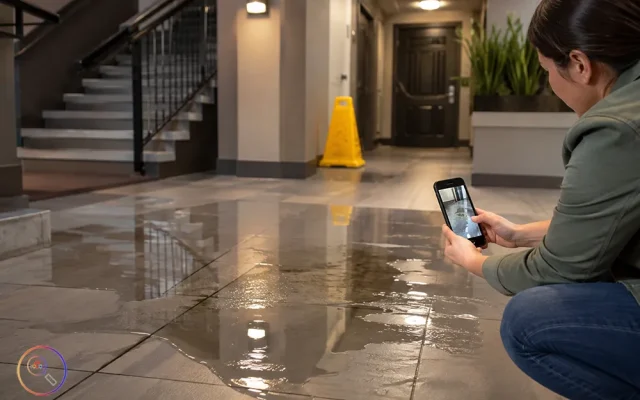
Water leaks.
Natural disasters.
Strong apartment communities prepare before emergencies occur.
Experienced property managers develop response plans that help residents stay informed and protected when emergencies arise.
Preparation often includes:
- Emergency communication systems
- Vendor partnerships
- Disaster recovery procedures
- Resident notification protocols
- Backup operational plans
Residents may never notice these preparations.
Yet they become incredibly important when unexpected situations occur.
Encouraging a Strong Sense of Community
Community Events and Social Opportunities
One challenge of apartment living is that neighbors often live close together without ever meeting.
That can create a disconnected environment.
Successful apartment communities work to change that.
Many property managers organize social events that encourage interaction and help residents build relationships.
These events can range from simple coffee mornings to large seasonal celebrations.
The goal isn’t necessarily entertainment.
It’s connection.
When neighbors know each other, communities often become friendlier, safer, and more enjoyable places to live.
People naturally look out for one another.
That creates benefits no amenity can fully replace.
Shared Spaces That Bring People Together
Physical spaces also influence community culture.
Well-designed common areas encourage interaction and engagement.
Popular gathering spaces often include:
- Clubhouses
- Outdoor lounges
- Fitness centers
- Dog parks
- Co-working spaces
- Pool areas
However, amenities only provide value when they are properly maintained.
That’s where strong management becomes essential.
Whether a community works with a national operator, a local company, or a team specializing in Meridian Property Management, maintaining shared spaces remains a critical responsibility that directly impacts resident satisfaction.
A beautiful amenity loses value quickly if it isn’t cared for properly.
Great management ensures these spaces remain functional, attractive, and welcoming.
Creating a Welcoming Culture
Culture isn’t something that appears overnight.
It develops through countless daily interactions.
Professional property managers help establish a culture of respect by consistently applying policies, addressing concerns fairly, and maintaining open communication with residents.
Small actions often have the greatest impact.
A friendly greeting.
A prompt response.
A clean environment.
A fair resolution to a concern.
Together, these seemingly minor efforts shape the overall community experience.
Maintaining Attractive and Functional Properties
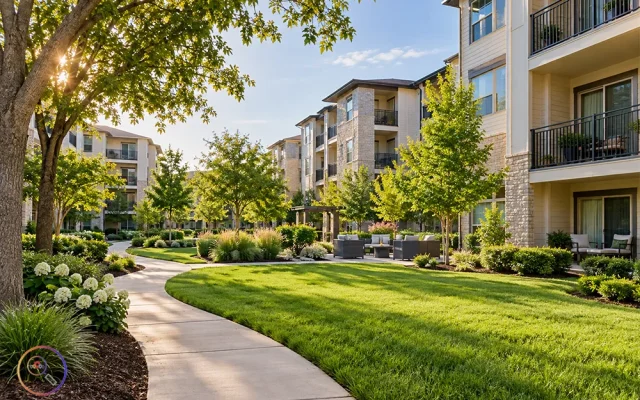
Curb Appeal Matters More Than Many People Realize
Before residents step inside an apartment, they form opinions based on what they see outside.
The landscaping.
The parking areas.
The building exteriors.
The cleanliness of common spaces.
These details create first impressions that influence how people feel about a community.
Strong property managers understand that curb appeal isn’t simply about aesthetics. It reflects the overall level of care given to the property.
Communities that consistently maintain attractive grounds often experience:
- Higher resident satisfaction
- Stronger lease renewal rates
- Better online reviews
- Increased occupancy
- Greater property value
Something as simple as fresh landscaping or clean walkways can dramatically improve how residents perceive their community.
Attention to detail matters.
Keeping Amenities in Top Condition
Amenities help apartment communities stand out.
However, they only provide value when they function properly.
Residents expect fitness equipment to work.
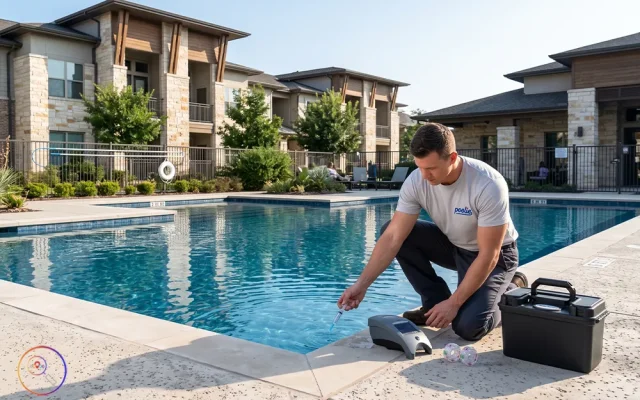
They expect pools to be clean.
They expect clubhouses to be available and maintained.
The most successful property managers create structured maintenance schedules for community amenities to ensure they remain in excellent condition year-round.
Consider the difference between these two situations:
| Poorly Managed Amenity | Professionally Managed Amenity |
| Frequent equipment failures | Routine inspections |
| Delayed repairs | Fast issue resolution |
| Dirty common areas | Consistent cleaning |
| Resident complaints | Positive resident feedback |
| Reduced usage | High resident engagement |
The gap between these experiences is significant.
Residents notice when amenities receive proper attention.
They also notice when they don’t.
Long-Term Property Improvements
Great apartment communities evolve over time.
Resident preferences change.
Technology advances.
Building materials age.
Forward-thinking property managers continuously evaluate opportunities to improve the property while maintaining affordability and operational efficiency.
Common improvements may include:
- Modernized interiors
- Updated lighting systems
- Energy-efficient appliances
- Improved outdoor spaces
- Smart home technology
- Enhanced resident amenities
These investments often generate benefits far beyond appearance.
They improve functionality, resident satisfaction, and long-term property performance.
Supporting Fair and Consistent Community Standards
Clear Policies Create Better Living Environments
Apartment communities bring together people from diverse backgrounds, lifestyles, and schedules.
Without clear expectations, conflicts can easily arise.
That’s why community standards matter.
Effective property managers establish policies that help maintain a positive living environment while balancing the needs of all residents.
Common policies often address:
- Noise levels
- Parking regulations
- Pet ownership
- Trash disposal
- Shared amenity use
- Guest guidelines
The key is consistency.
Rules should be applied fairly and communicated clearly.
When residents understand expectations, misunderstandings become less frequent.
Conflict Resolution and Problem Solving
Even in the best communities, disagreements happen.
Neighbors may have concerns.
Policies may be misunderstood.
Unexpected situations may arise.
Strong property managers play an important role in resolving conflicts professionally and fairly.
Rather than escalating issues, they focus on practical solutions.
Effective conflict resolution often involves:
- Listening carefully to all parties
- Gathering accurate information
- Applying policies consistently
- Communicating clearly
- Following up after resolutions
This approach helps preserve relationships while maintaining community harmony.
Residents appreciate knowing there is a professional process in place when concerns arise.
Using Technology to Improve Apartment Living
Resident Portals and Online Services
Technology has transformed apartment living.
Many communities now provide convenient online tools that simplify everyday tasks.
Modern resident portals often allow residents to:
- Pay rent online
- Submit maintenance requests
- Access lease documents
- Receive community updates
- Reserve amenities
- Communicate with management
These features save time for both residents and management teams.
More importantly, they improve convenience.
In today’s fast-paced environment, convenience matters.
A lot.
Smart Technology in Modern Communities
Smart technology is becoming increasingly common across apartment communities.
Many residents now expect digital conveniences that simplify daily life.
Examples include:
- Smart locks
- Keyless entry systems
- Package management technology
- Smart thermostats
- Mobile access controls
- Electric vehicle charging stations
While these upgrades require investment, they often improve both resident satisfaction and operational efficiency.
Forward-looking property managers recognize that technology can enhance the resident experience while streamlining community operations.
Data-Driven Property Management
Today’s apartment communities generate valuable information.
Maintenance trends.
Resident feedback.
Amenity usage patterns.
Lease renewal statistics.
Occupancy performance.
Successful property managers use this information to make informed decisions rather than relying solely on assumptions.
For example:
If maintenance requests consistently increase in a particular building, management can investigate underlying causes.
If residents frequently request a specific amenity, future improvements can align with actual demand.
When decisions are supported by data, communities often achieve better outcomes.
The Value of Property Management Consultation
Not every improvement starts with a major renovation or large budget.
Sometimes it begins with expert guidance.
A professional Property Management Consultation can help owners identify operational inefficiencies, improve resident satisfaction, strengthen maintenance programs, and uncover opportunities for long-term growth.
These consultations often evaluate:
- Leasing performance
- Resident retention
- Maintenance processes
- Financial reporting
- Vendor management
- Community operations
The goal is simple.
Find practical ways to improve performance while creating a better experience for residents.
Many of the most successful apartment communities continuously seek outside perspectives to identify areas for improvement.
That commitment to growth often separates good communities from exceptional ones.
Why Great Property Management Benefits Everyone
Benefits for Residents
Residents experience the impact of professional management every day.
Often without even realizing it.
Benefits commonly include:
- Faster maintenance responses
- Cleaner common areas
- Better communication
- Safer environments
- Reliable amenities
- Stronger community culture
These improvements contribute directly to overall quality of life.
When residents enjoy where they live, apartment communities thrive.
Benefits for Property Owners
Owners also gain significant advantages from professional management.
Strong property managers help protect investments while supporting long-term financial performance.
Key benefits often include:
| Owner Benefit | Impact |
| Higher occupancy | Increased revenue |
| Better retention | Reduced turnover costs |
| Preventive maintenance | Lower repair expenses |
| Professional leasing | Faster unit absorption |
| Financial oversight | Improved budgeting |
| Risk management | Reduced operational issues |
The relationship between resident satisfaction and financial performance is stronger than many people realize.
Happy residents tend to stay longer.
Longer stays improve stability.
Stability improves profitability.
Benefits for Apartment Communities as a Whole
The biggest benefit may be the overall health of the community itself.
When management consistently delivers high-quality service, the entire property benefits.
Communities become:
- More desirable
- More stable
- More attractive to prospective residents
- Better maintained
- More financially sustainable
These outcomes create a positive cycle that benefits everyone involved.
Residents enjoy a better living experience.
Owners protect their investments.
Management teams build stronger reputations.
Helpful Finds for Landlords and Investors
Owning or managing rental property is a business. These are the tools that pay for themselves:
- The Book on Managing Rental Properties – the standard guide for small landlords.
- Keypad Deadbolt – rekey between tenants in seconds.
- Smoke & CO Detector (2-Pack) – code compliance made simple.
- Property Inspection Checklist Pad – document move-in and move-out condition.
Rise Apartments is a participant in the Amazon Services LLC Associates Program. As an Amazon Associate we earn from qualifying purchases made through the links above, at no extra cost to you.
Final Thoughts
The best apartment communities are not created by amenities alone.
They’re built through consistent leadership, responsive service, thoughtful planning, and attention to detail.
Behind nearly every successful community, you’ll find experienced property managers working to balance resident satisfaction with operational excellence.
From maintenance coordination and safety initiatives to community engagement and technology implementation, their influence touches nearly every aspect of apartment living.
For renters searching for their next home, evaluating the quality of management may be just as important as evaluating the apartment itself.
A beautiful floor plan can attract attention.
A great location can generate interest.
But strong management is often what transforms an apartment complex into a true community.
That’s the difference residents feel every single day.