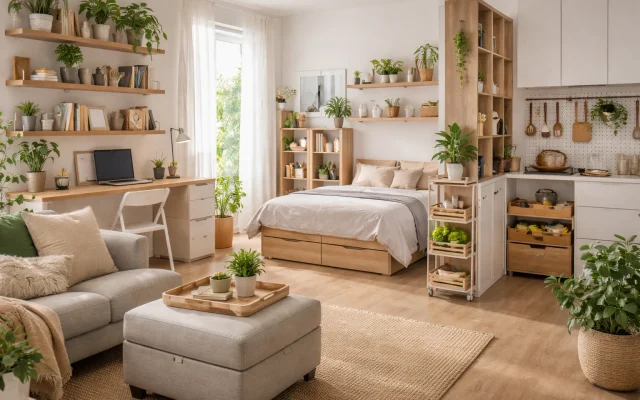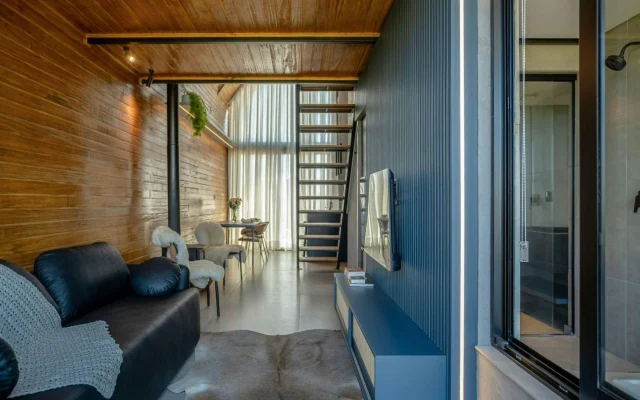


Creating a luxurious apartment isn’t necessarily about expensive furniture, designer labels, or filling every corner with decorative accessories. Contemporary luxe is about making thoughtful choices that combine modern elegance with everyday comfort. Even a modest apartment can feel sophisticated when its furniture, lighting, colors, and textures work together.
The appeal of contemporary luxe design is its versatility. You can create a refined living room with a comfortable sofa and a statement coffee table, transform your bedroom with layered bedding and warm lighting, or make a small apartment feel more spacious through strategic furniture placement.
The best part? You don’t have to renovate your apartment or spend thousands of dollars to achieve the look.
Whether you’re decorating your first rental or refreshing a home you’ve lived in for years, contemporary luxe offers a practical approach to creating an apartment that looks beautiful without sacrificing comfort or functionality.
What Is Contemporary Luxe Interior Design?

Contemporary luxe is an interior design approach that combines clean, modern silhouettes with rich materials, sophisticated finishes, and comfortable furnishings.
Unlike traditional luxury interiors, which often feature ornate furniture, elaborate molding, and heavily decorated rooms, contemporary luxe emphasizes simplicity and carefully chosen statement pieces.
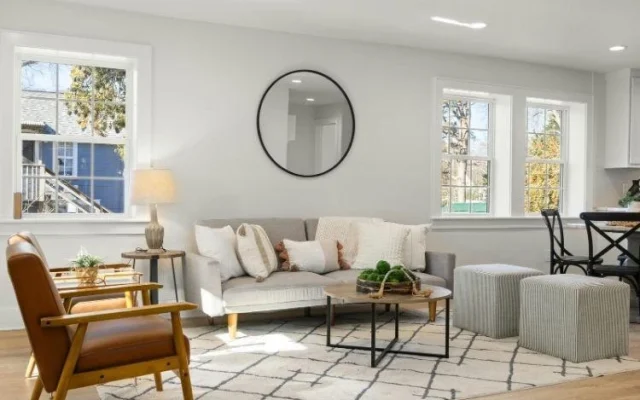
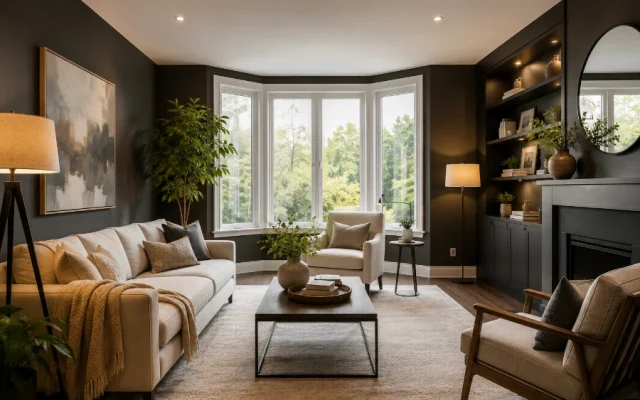
Imagine a neutral-colored living room with a curved cream sofa, a textured area rug, a marble-inspired coffee table, and a sculptural brass floor lamp. Nothing feels excessive, yet the space looks thoughtfully designed.
That’s the essence of contemporary luxe.
Key Characteristics of Contemporary Luxe
| Design Element | Defining Features | Apartment-Friendly Approach |
|---|---|---|
| Color palette | Warm neutrals, muted earth tones, understated accents | Build around cream, beige, taupe, or warm gray |
| Furniture | Clean lines, elegant proportions, comfortable upholstery | Choose fewer pieces with strong silhouettes |
| Materials | Velvet, linen, leather, wood, stone, and metal | Combine affordable materials with premium-looking finishes |
| Lighting | Soft, layered illumination | Use floor lamps, table lamps, and renter-friendly lighting |
| Decorative accents | Oversized art, ceramics, mirrors, and sculptural objects | Create focal points instead of filling every surface |
| Storage | Concealed or visually coordinated organization | Use attractive cabinets, baskets, and multifunctional furniture |
The goal isn’t to make your home look like a hotel lobby. It’s to create a polished environment that still accommodates your routines, belongings, and personal style.
Build a Sophisticated Color Palette
A cohesive color palette is one of the easiest ways to establish a contemporary luxe aesthetic.
Luxury interiors often feel harmonious because their colors complement rather than compete with each other. This doesn’t mean everything must be beige or white.
Instead, establish a neutral foundation and introduce richer colors through carefully selected accents.
Start with Warm Neutrals
Colors that work particularly well include:
- Ivory and soft white
- Oatmeal and warm beige
- Greige and mushroom
- Taupe and muted brown
- Charcoal and warm gray
- Deep espresso and soft black
These shades create visual continuity between rooms while providing a flexible background for different furniture styles.
If your rental has white walls, you already have a useful starting point. Rather than repainting, bring warmth through upholstery, rugs, curtains, and natural wood finishes.
Use the 60-30-10 Color Principle
The 60-30-10 principle provides a convenient starting point for balancing colors throughout a room.
Approximately 60% of the visible space features a dominant color, 30% incorporates a secondary shade, and 10% introduces an accent.
For example:
| Color Role | Suggested Color | Where to Use It |
|---|---|---|
| 60% dominant | Warm ivory | Walls, sofa, larger furnishings |
| 30% secondary | Taupe or walnut brown | Rugs, curtains, accent chairs |
| 10% accent | Antique brass or emerald green | Lighting, cushions, artwork |
This isn’t a rigid formula. It’s simply a guide to help prevent your apartment from feeling visually disjointed.
For a more dramatic contemporary luxe look, consider combining charcoal, ivory, walnut, and muted gold.
For something softer, use cream, pale oak, dusty rose, and champagne metallic finishes.
Layer Textures to Make Your Apartment Feel Luxurious
One of the most noticeable differences between a plain modern apartment and a contemporary luxe interior is the use of texture.
A room filled exclusively with smooth surfaces can feel flat. Introducing contrasting fabrics and materials creates visual depth and makes the environment more inviting.
Consider pairing a smooth leather sofa with a woven rug, velvet cushions, and a ceramic side table.
Each surface contributes something different without requiring additional colors or patterns.
How to Combine Textures Successfully
Begin with larger surfaces and gradually introduce smaller accents.
- Foundational texture: Choose a wool-look, woven, or low-pile rug that establishes warmth.
- Primary upholstery: Add a sofa or armchair in velvet, linen, leather, or performance fabric.
- Soft accessories: Introduce cushions, throws, and curtains in complementary materials.
- Hard finishes: Incorporate stone, wood, metal, glass, or ceramic accents.
- Finishing touches: Add one or two natural elements, such as greenery or a sculptural wooden bowl.
A useful approach is to combine smooth, soft, and textured surfaces within the same room.
Avoid adding several heavily textured statement pieces that compete for attention. Contemporary luxe works best when every material has enough visual space to be appreciated.
Create a Contemporary Luxe Living Room

The living room often establishes the design direction for the rest of an apartment.
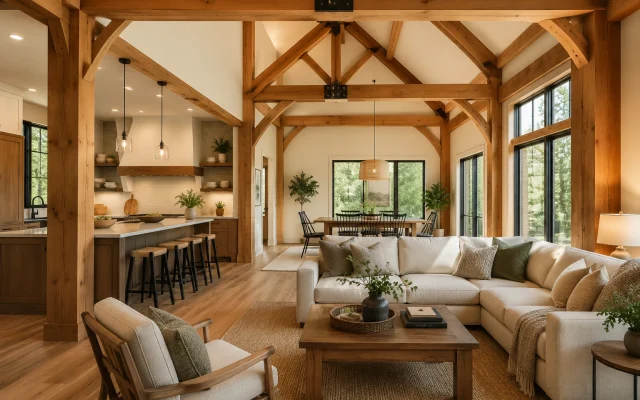
It’s where you relax, entertain, watch television, and sometimes work. Because this space serves several purposes, successful contemporary luxe design should consider both appearance and everyday functionality.
You can approach the process as styling your home’s runway, but with practicality guiding your decisions.
Choose a Sofa with an Elegant Silhouette
The sofa is typically the largest piece of furniture in the living room, making it one of the most important design decisions.
Contemporary luxe sofas often feature streamlined profiles, curved arms, generous cushions, or low, structured backs.
Consider three factors when choosing your sofa:
Proportions: The sofa should complement the dimensions of your apartment rather than overwhelm the room.
Comfort: A visually attractive sofa still needs enough seat depth, back support, and cushioning for everyday use.
Material: Upholstery should suit your lifestyle, particularly if you have pets, children, or frequent guests.
| Upholstery | Appearance | Practical Considerations |
|---|---|---|
| Velvet | Rich, soft, elegant | Check cleaning instructions and resistance to crushing |
| Leather | Refined and timeless | Requires material-appropriate maintenance |
| Performance fabric | Tailored and versatile | Often practical for households concerned about spills |
| Linen blend | Relaxed, sophisticated | Can wrinkle and may require additional care |
| Bouclé | Textural, contemporary | Loop construction may snag, particularly around pets |
For smaller apartments, a compact sofa with raised legs can make the floor feel more open.
In larger living rooms, a curved sofa or generously proportioned sectional can create a stronger focal point.
Select a Statement Coffee Table
A coffee table can introduce a luxurious finish without requiring a major furniture investment.
Instead of choosing an ordinary rectangular table, consider a design with an interesting shape or contrasting materials.
Popular options include marble-inspired surfaces, smoked glass, oval silhouettes, dark wood, and sculptural bases.
A rounded coffee table can also be especially useful in apartments with limited circulation space.
Some examples to explore include the Nathan James Kova Marble Top Coffee Table and Modway Lippa 48″ Oval Coffee Table.
When styling the table, keep the arrangement minimal.
A decorative tray, one or two books, and a ceramic vase can be enough to create a finished look.
Leave room for everyday items such as drinks, remotes, or snacks. A beautifully styled coffee table shouldn’t become inconvenient to use.
Use Layered Lighting Instead of Relying on One Fixture
Lighting has an enormous influence on how luxurious an apartment feels.
Even well-designed furniture can appear uninviting under harsh overhead lighting.
Layered lighting introduces different sources of illumination at varying heights.
Ideally, a living room includes:
- Ambient lighting: The main illumination provided by ceiling fixtures or larger lamps.
- Task lighting: Focused light for reading, working, or other activities.
- Accent lighting: Softer illumination highlighting artwork, shelving, or architectural details.
For renters, floor lamps and table lamps offer convenient alternatives to permanent fixture replacements.
A sculptural floor lamp can become an attractive decorative feature, while smaller lamps add warmth to side tables and consoles.
Examples include the Brightech Elizabeth Industrial Floor Lamp and Globe Electric Holden Table Lamp.
Warm white bulbs around 2700K to 3000K generally work well for relaxed residential spaces.
To create a more refined atmosphere, choose lamps with matching or complementary color temperatures rather than mixing noticeably cool and warm bulbs.
Ground the Seating Area with a Rug
An area rug visually connects your sofa, chairs, and coffee table.
Without one, furniture may appear disconnected, especially in apartments with hard flooring.
For contemporary luxe interiors, consider rugs with subtle patterns, tonal variations, or interesting textures.
Three popular options are:
| Rug Type | Visual Effect | Best Application |
|---|---|---|
| Low-pile wool or wool-look | Refined and understated | Living rooms and high-use areas |
| Plush textured rug | Soft and inviting | Bedrooms and cozy seating areas |
| Natural-fiber rug | Relaxed and organic | Neutral or boho-luxe interiors |
The Safavieh Hudson Shag Collection Area Rug offers an example of plush styling, while the nuLOOM Rigo Hand Woven Jute Rug illustrates a more natural, textured approach.
When selecting a size, aim for a rug large enough to sit beneath at least the front legs of the main seating furniture when possible.
A rug that is too small can make the room feel less cohesive.
Design a Contemporary Luxe Bedroom for Comfort

Your bedroom offers an opportunity to make luxury more personal.
Unlike the living room, which often accommodates guests and several activities, the bedroom can focus primarily on relaxation.
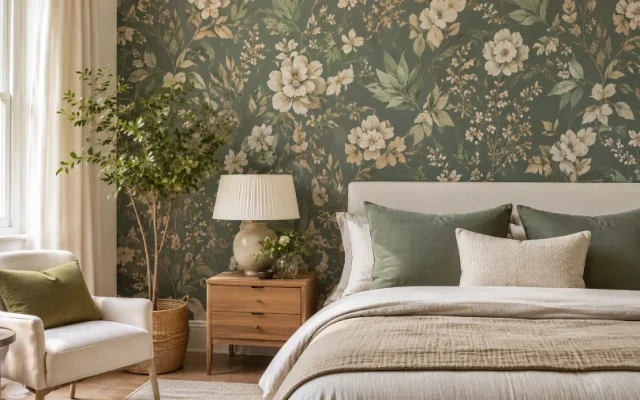
Contemporary luxe bedroom design combines comfortable bedding, streamlined furniture, calming colors, and thoughtfully positioned lighting.
Even if your bedroom also accommodates a desk or another functional area, a consistent design approach can help it feel organized and peaceful.
Make the Bed the Main Focal Point
The bed naturally attracts attention, so start with its frame and headboard.
An upholstered headboard introduces softness and makes the room feel more finished.
Depending on your preferences, consider linen upholstery for an airy appearance, velvet for a richer finish, or a simple padded headboard for understated elegance.
Examples include the Modway Emily Tufted Upholstered Fabric Headboard and Novogratz Her Majesty Upholstered Bed.
Before purchasing, measure the available floor space carefully.
Allow sufficient room for opening drawers, using nightstands, and walking comfortably around the bed.
An oversized frame may look impressive in product photography but feel cramped in a smaller apartment.
Create a Hotel-Inspired Bedding Arrangement
One of the most affordable ways to make a bedroom feel luxurious is to improve the presentation of the bedding.
Begin with comfortable sheets in a neutral shade. Add a duvet or quilt that complements the headboard and surrounding furniture.
Then introduce texture through a throw blanket and a limited number of decorative pillows.
A simple arrangement might include:
- White or ivory sheets as the foundation.
- A neatly arranged duvet in taupe, oatmeal, or cream.
- Two supportive sleeping pillows and two decorative shams.
- One contrasting throw at the foot of the bed.
- An optional accent cushion for color or texture.
The Brooklinen Luxe Core Sheet Set, Bedsure Chunky Knit Throw Blanket, and MIULEE Velvet Decorative Throw Pillow Covers are examples of different bedding layers.
Avoid overloading the bed with decorative pillows that must be removed every night.
A smaller number of comfortable, well-coordinated pieces often looks more sophisticated than an elaborate arrangement.
Style Nightstands Without Creating Clutter
Nightstands are useful for introducing symmetry and decorative balance.
However, they should remain functional.
A carefully styled nightstand might feature a compact lamp, a small tray, and one personal object.
For coordinated bedroom furniture, consider the Walker Edison Mid Century Modern Nightstand or the Nathan James Hugo Nightstand.
A small accessory such as the Umbra Brass Vanity Tray can help keep jewelry, keys, and other essentials organized.
Matching nightstands create a balanced appearance, but they aren’t essential.
You can also use two different pieces with similar heights, finishes, or silhouettes to achieve a coordinated effect.
Introduce Soft Bedroom Lighting
Bedroom lighting should support both relaxation and practical activities.
A bedside lamp provides convenient illumination for reading, while a smaller accent lamp can soften dark corners.
Plug-in fixtures, such as the Globe Electric Harrow Plug-In Wall Sconce, may offer an alternative to hardwired wall lighting when installation is permitted.
If you’re considering additional lighting, explore contemporary minimalist lighting ideas that combine functionality with subtle decorative appeal.
For a rental, avoid drilling, rewiring, or replacing installed fixtures without reviewing your lease and obtaining any necessary permission.
Make a Small Apartment Feel More Luxurious

Contemporary luxe is particularly suitable for smaller apartments because the style encourages intentional furniture selection.
Instead of relying on numerous decorative pieces, the goal is to maximize the visual impact of a limited number of well-chosen items.
A small room can look sophisticated when furniture proportions, lighting, storage, and circulation are carefully considered.
Use Mirrors to Reflect Light
Mirrors can make a compact apartment feel brighter and visually more spacious.
Place a mirror where it reflects natural light, artwork, or an appealing part of the room.
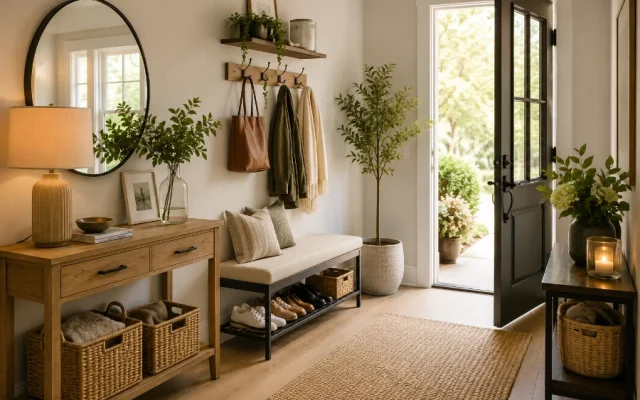
A large mirror near a window may improve the perceived openness of a living area, while a narrow mirror above an entryway console creates a practical focal point.
Different styles can achieve different effects.
The Kate and Laurel Arendahl Ornate Mirror offers a more decorative approach, whereas the NeuType Full Length Mirror with Aluminum Frame works with streamlined interiors.
For a dramatic statement, consider proportions similar to the Howard Elliott Full Length Wall Mirror.
Large mirrors should be securely positioned or anchored using appropriate hardware, particularly in homes with children or pets.
Invest in Multifunctional Furniture
Furniture that serves more than one purpose can reduce visual clutter and free valuable floor space.
A storage ottoman, for instance, provides seating while concealing blankets or other belongings.
A lift-top coffee table can support occasional laptop use and store smaller household items.
A daybed can accommodate guests while offering additional storage.
| Furniture | Primary Function | Additional Benefit |
|---|---|---|
| Storage ottoman | Footrest or occasional seating | Concealed storage |
| Lift-top coffee table | Living room surface | Storage or temporary work surface |
| Storage bed | Sleeping | Space for linens and seasonal items |
| Nesting side tables | Convenient surfaces | Flexible layout |
| Upholstered daybed | Seating and sleeping | Guest accommodation |
Examples include the Convenience Concepts Designs4Comfort Storage Ottoman, WLIVE Lift Top Coffee Table with Storage, and DHP Franklin Upholstered Daybed.
Choose multifunctional furniture because it solves an actual need, not simply because it offers extra features.
Maintain Clear Walking Paths
A sophisticated room should be comfortable to move through.
Before buying furniture, map out the placement of major pieces and identify the routes between doorways, seating, and storage.
Where possible, maintain approximately 30 to 36 inches for frequently used walking paths. Smaller clearances may work in some layouts, but accessibility requirements and personal needs should guide the final arrangement.
Use furniture with slimmer profiles or rounded corners when space is tight.
Avoid forcing every piece against the wall, though. In some rooms, pulling a sofa slightly forward or creating a defined seating group improves the overall composition.
Reduce Visual Clutter
Clutter can undermine even an otherwise beautiful apartment design.
Fortunately, contemporary luxe does not require perfectly empty surfaces.
Instead, aim for a balance between useful items and decorative objects.
A simple method is to:
- Group smaller belongings in coordinated trays or containers.
- Store rarely used items inside cabinets or drawers.
- Limit decorative objects to a few meaningful pieces.
- Keep frequently used essentials conveniently accessible.
- Leave some shelves and surfaces partially open.
Decorative trays can organize living room accessories, such as a Round Decorative Tray.
In bedrooms or entryways, the Umbra Brass Vanity Tray provides another example of a compact organizing accessory.
For shelves and consoles, items such as the Sullivans Ceramic Vase Set can add interest without introducing unnecessary complexity.
Add Luxury Through Artwork and Decorative Details
Contemporary luxe interiors generally benefit from a small number of impactful decorative pieces.
Rather than covering every wall with art, consider using one substantial artwork to establish the mood of a room.
A large abstract print in a neutral palette can complement a modern living room. Black-and-white photography may provide a more dramatic alternative.
For an apartment with warm wood furniture, art featuring earthy tones can tie the room together.
Choose Artwork Based on Scale
Artwork should relate to the furniture beneath it.
For example, a piece displayed over a sofa often looks balanced when its width is approximately two-thirds to three-quarters of the sofa’s width.
This is a guideline rather than a requirement, but it helps prevent small artwork from looking disconnected from large furniture.
If you’re renting, consider lightweight framed prints and hanging methods approved for your walls.
Use Metallic Finishes Sparingly
Metallic accents are associated with contemporary luxe design, but too many competing finishes can make an interior feel busy.
Choose a primary finish, such as brushed brass or matte black, and repeat it subtly.
You might coordinate the metal finish on your floor lamp with a mirror frame or coffee table legs.
Chrome, nickel, and bronze can also work when they complement the room’s overall palette.
The objective is visual consistency, not making every detail match exactly.
Combine Contemporary Luxe with Other Interior Design Styles

Contemporary luxe doesn’t have to replace your existing decorating preferences.
Its flexible approach makes it compatible with several popular interior styles.
The key is to retain a consistent color palette and introduce contrasting elements thoughtfully.
Boho Contemporary Luxe
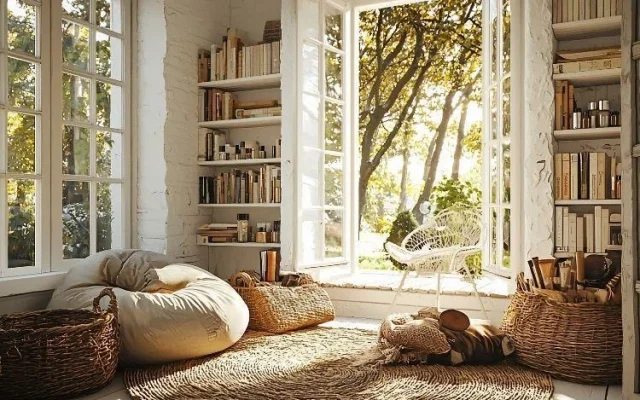
Bohemian interiors often feature natural materials, relaxed furniture, woven textures, and layered accessories.
When combined with contemporary luxe, these elements create a warm interior that feels both casual and sophisticated.
Start with a neutral sofa, add a refined rug, and introduce natural textures through woven accessories or wood furniture.
A chair such as the Christopher Knight Home Rattan Chair can contribute an organic element.
Similarly, a nuLOOM Rigo Hand Woven Jute Rug introduces natural texture.
Finish with a structured metallic lamp, such as the Brightech Elizabeth Industrial Floor Lamp, to balance the softer elements.
The result should feel thoughtfully layered rather than overly decorated.
Minimalist Contemporary Luxe
Minimalist contemporary luxe emphasizes clean lines, restrained colors, and carefully selected materials.
Instead of introducing more décor, focus on improving the visual quality of what you already use.
Choose simple furniture silhouettes, attractive lighting, and a few decorative objects with interesting shapes.
For example, a neutral sofa such as the Rivet Andrews Contemporary Sofa can be paired with a refined side table and understated accents.
A lamp similar to the Globe Electric Holden Table Lamp can introduce subtle contrast.
Decorative ceramics, including pieces like the Sullivans Ceramic Vase Set, provide texture without introducing excessive color.
In this variation of contemporary luxe, negative space is an important part of the design.
Industrial Contemporary Luxe
Industrial interiors typically emphasize exposed materials, black metal, weathered wood, and utilitarian forms.
Contemporary luxe softens this aesthetic through plush textiles, refined furniture, and warmer illumination.
For instance, you might combine a dark metal bookshelf with cream upholstery, an elegant rug, and a stone-inspired coffee table.
A piece such as the Nathan James Kova Marble Top Coffee Table can create an interesting contrast with more rugged surroundings.
For lighting, a fixture similar to the Globe Electric Harrow Plug-In Wall Sconce can complement an industrial design scheme.
An open shelving unit such as the Walker Edison Industrial Bookshelf may provide both storage and display space.
Keep shelves organized with books, ceramics, and a few coordinated objects rather than filling every available compartment.
Contemporary Luxe Apartment Decorating on a Budget
You don’t need to replace all your furniture to give your apartment a more upscale appearance.
In fact, a few targeted improvements can make a greater difference than purchasing numerous inexpensive decorative items.
Begin by evaluating what already works.
A comfortable sofa with an outdated color might look entirely different with a coordinated throw and new cushions.
An ordinary living room can feel more inviting with improved lighting and a properly sized area rug.
Prioritize High-Impact Changes
| Upgrade | Potential Cost | Visual Impact |
|---|---|---|
| Replace mismatched cushions | Low | Adds cohesion and texture |
| Add a large mirror | Low to moderate | Improves light and visual depth |
| Introduce layered lighting | Low to moderate | Creates a warmer atmosphere |
| Upgrade bedding | Moderate | Makes the bedroom feel more finished |
| Add an area rug | Moderate | Defines furniture arrangements |
| Replace a major furniture piece | Moderate to high | Changes the room’s overall character |
Costs depend on product quality, size, materials, and where you shop.
For renters working with a limited budget, lighting and textiles are often the most practical starting points.
Consider shopping secondhand for mirrors, side tables, and decorative ceramics. These pieces can add character without the cost of buying everything new.
Avoid Spending on Trends That Won’t Last
Trendy finishes and decorative accessories can be tempting, particularly when they appear frequently on social media.
However, contemporary luxe is most successful when it reflects your personal preferences rather than temporary trends.
Invest more carefully in furniture you use every day.
For smaller accents, choose items you can easily change as your style evolves.
A neutral sofa paired with interchangeable cushions, throws, and artwork is often more adaptable than a large statement piece in a color you may quickly tire of.
Make Contemporary Luxe Design Work in a Rental
One of the biggest challenges of decorating an apartment is working around existing finishes and lease restrictions.
You may not be allowed to repaint walls, replace flooring, install permanent lighting, or modify cabinetry.
Fortunately, contemporary luxe can be achieved without making major changes.
Focus on Removable Improvements
Consider renter-friendly upgrades such as freestanding mirrors, decorative floor lamps, oversized artwork, and furniture that conceals unattractive features.
If your apartment has basic blinds, curtains installed with an approved mounting method may soften the windows.
If the kitchen has standard cabinetry, coordinated countertop accessories and attractive storage containers can make the space feel more cohesive.
Removable wallpaper or adhesive accessories may be options, but check your lease and test compatibility before using them.
Products advertised as removable can still damage certain paints or surfaces.
Let Existing Finishes Guide Your Choices
Rather than fighting the apartment’s fixed features, incorporate them into your design.
If your rental has warm-toned flooring, choose furniture and fabrics that complement those undertones.
If the kitchen features dark cabinets, you might repeat small amounts of black or charcoal elsewhere.
If the apartment has cool gray flooring, introduce warmth through rugs, wood furniture, and creamy textiles.
Working with the existing architecture is usually easier and more affordable than trying to conceal every feature.
Maintain Your Contemporary Luxe Apartment

A luxurious appearance is easier to maintain when your furnishings are practical for your lifestyle.
Different materials require different cleaning methods, and expensive-looking fabrics aren’t always difficult to care for.
The key is choosing suitable materials and following their recommended maintenance instructions.
Establish a Simple Maintenance Routine
| Task | Suggested Frequency | Purpose |
|---|---|---|
| Dust furniture and decorative surfaces | Weekly or as needed | Reduces buildup |
| Vacuum rugs and upholstered furniture | Weekly or according to use | Removes dust and debris |
| Clean spills | Promptly | Reduces risk of staining |
| Wash bedding | According to use and care instructions | Maintains comfort and cleanliness |
| Check furniture hardware | Periodically | Helps maintain stability |
| Deep-clean upholstery | As recommended by the manufacturer | Preserves fabric condition |
| Refresh decorative accessories | Occasionally | Keeps the space feeling intentional |
Use cleaning products that are compatible with each material.
Avoid applying fabric protectors unless the manufacturer confirms they are suitable for the upholstery. Some protectors can affect appearance, texture, or performance.
For velvet, leather, stone, and metallic finishes, follow material-specific care instructions rather than relying on one universal cleaning product.
Maintaining an organized environment is equally important.
When frequently used items have designated storage locations, your apartment is easier to keep comfortable and visually cohesive.
Common Contemporary Luxe Decorating Mistakes
Even an attractive design concept can fall short when a few important details are overlooked.
Choosing appearance over comfort. A beautiful chair or sofa won’t be worthwhile if you dislike using it. Consider practical comfort alongside aesthetics.
Buying oversized furniture. Large sofas, tables, and beds can overwhelm small apartments. Always measure rooms, doorways, and circulation areas before purchasing.
Using too many metallic accents. Gold, brass, and chrome work best when they support the overall palette rather than dominate it.
Ignoring lighting. A room with beautiful furniture may still feel uninviting under harsh overhead illumination.
Overdecorating shelves and tables. Too many small accessories can create visual clutter. Use fewer pieces with stronger shapes or personal meaning.
Creating a room that feels impersonal. Contemporary luxe should still reflect your interests, memories, and routines.
A thoughtfully decorated apartment doesn’t need to look identical to a showroom. Personal touches often make sophisticated interiors more welcoming.
Final Thoughts: Luxury Is About Thoughtful Design
Contemporary luxe apartment design proves that sophisticated interiors don’t require enormous rooms or unlimited budgets.
The most successful spaces combine comfortable furniture, complementary colors, varied textures, and attractive lighting into an environment that supports everyday living.
Start with the area that would benefit most from improvement.
You might begin by replacing harsh lighting in your living room, adding a comfortable rug, or refreshing your bedding.
Then make gradual improvements as your budget allows.
The goal is to create an apartment that feels polished without becoming impractical. When thoughtful design and personal comfort work together, even a relatively small rental can feel like a luxurious place to call home.
Frequently Asked Questions About Contemporary Luxe Apartment Design
1. What is contemporary luxe interior design?
Contemporary luxe combines clean modern furniture, sophisticated finishes, rich textures, and understated decorative accents. The result is an elegant but comfortable interior.
2. Can contemporary luxe work in a small apartment?
Yes. Contemporary luxe works well in smaller spaces because it emphasizes proportion, thoughtful furniture selection, and reduced visual clutter.
3. What colors are best for a contemporary luxe apartment?
Cream, taupe, warm gray, beige, charcoal, and muted brown are popular foundations. Brass, black, emerald, or other accent colors can add contrast.
4. Is contemporary luxe expensive to achieve?
Not necessarily. You can introduce the style through affordable improvements such as lighting, cushions, rugs, mirrors, and coordinated accessories.
5. What’s the difference between modern and contemporary luxe?
Modern interiors often prioritize clean lines and restrained decoration. Contemporary luxe builds on those qualities by adding richer textures, softer furnishings, and refined finishes.
6. What furniture works best for contemporary luxe design?
Sofas with elegant silhouettes, upholstered beds, sculptural tables, streamlined storage pieces, and comfortable accent chairs work particularly well.
7. How can I make my rental apartment look luxurious without renovating?
Focus on portable improvements such as freestanding lamps, attractive furniture, textiles, mirrors, artwork, and decorative storage. Always review lease restrictions before making changes.
8. Can contemporary luxe be combined with minimalist design?
Yes. Minimalist contemporary luxe emphasizes restraint, neutral palettes, clean silhouettes, and a small number of carefully selected decorative pieces.
9. What type of lighting creates a luxurious apartment atmosphere?
Layered lighting works best. Combine ambient lighting with table lamps, floor lamps, and task lighting, using warm white bulbs where appropriate.
10. What should I upgrade first when decorating on a budget?
Start with improvements that affect the overall atmosphere, particularly lighting, textiles, and clutter management. These changes often make a noticeable difference without requiring major furniture purchases.