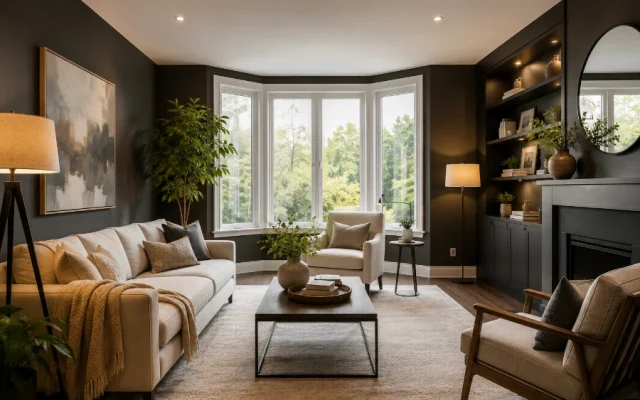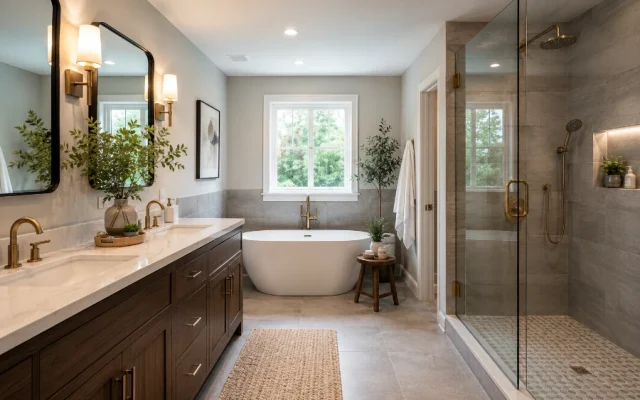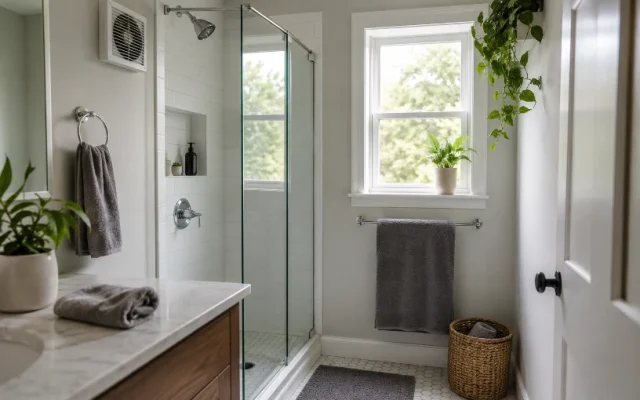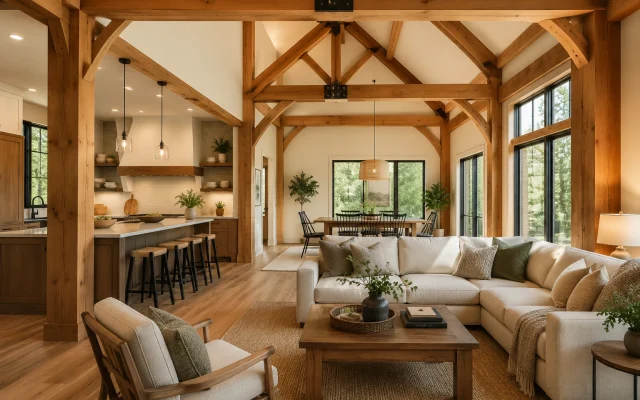
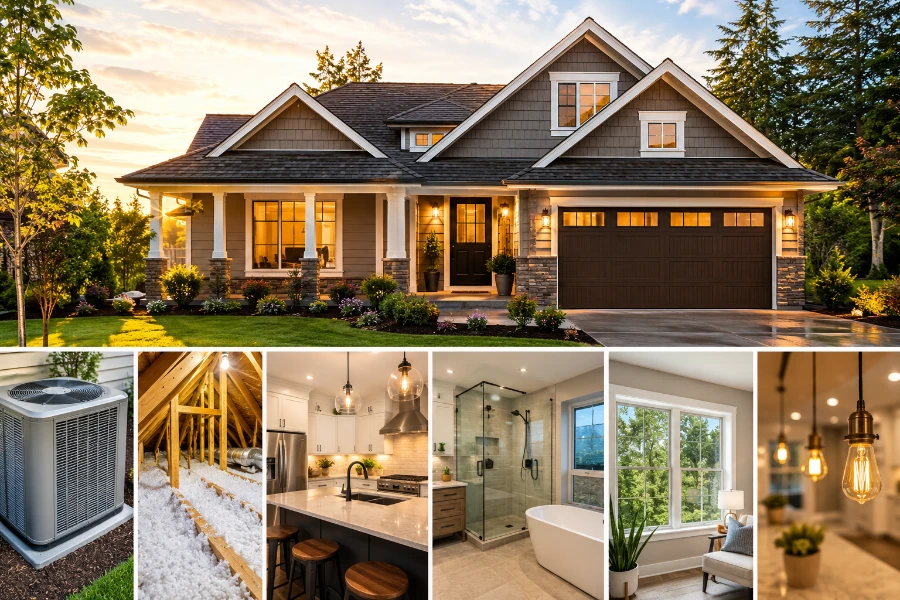

The best home upgrades that improve comfort and value do more than make a property look attractive. They make everyday living easier, improve energy efficiency, reduce maintenance expenses, and help protect your investment over time.
However, not every home improvement project delivers the same benefits. A complete kitchen renovation might transform your home’s appearance, but a less expensive insulation upgrade could make a bigger difference in monthly utility costs. Similarly, replacing an aging HVAC system may improve indoor comfort more than installing expensive decorative finishes.
The challenge is deciding which improvements deserve your attention and budget.
Whether you’re preparing to sell, renovating an older property, or planning to stay in your home for years, choosing the right upgrades can make a meaningful difference.
This guide explores practical improvements that balance comfort, functionality, durability, and long-term property value.
Why Choosing the Right Home Upgrades Matters
Home improvement decisions should begin with a clear understanding of what you want to accomplish.
Some homeowners prioritize resale value. Others want lower energy bills, better indoor comfort, or fewer unexpected repairs. Ideally, a well-planned improvement delivers several of these advantages at once.
For example, upgrading attic insulation can reduce heating and cooling demands while improving indoor temperature consistency. Replacing deteriorated windows can address drafts, outside noise, and moisture problems. Meanwhile, updating a kitchen with better storage and lighting can make daily activities more convenient.
Before committing to a renovation, consider four important questions:
- Does this improvement solve an existing problem? Fixing a persistent issue often provides more practical value than adding a purely decorative feature.
- Will it improve daily comfort? A home should function well for the people living in it.
- Can it reduce future expenses? Improvements that lower energy consumption or prevent property damage may provide continuing financial benefits.
- Will potential buyers appreciate it? Broadly appealing improvements can help a property compete in the resale market.
Importantly, resale value and return on investment are not identical. A $20,000 improvement that increases property value by $12,000 still creates resale value, but it does not recover its entire cost.
Understanding that distinction helps homeowners establish realistic renovation expectations.
1. Start With Essential Home Systems Before Cosmetic Improvements
When planning home upgrades that improve comfort and value, start with the systems responsible for keeping the property safe, functional, and comfortable.
These include heating and cooling equipment, plumbing, electrical infrastructure, insulation, and water heating systems.
A beautifully remodeled home can still be uncomfortable if the HVAC system struggles to maintain consistent temperatures. Likewise, new flooring and countertops offer limited practical benefits when plumbing leaks or outdated electrical equipment require attention.
Upgrade an aging HVAC system
Heating, ventilation, and air conditioning equipment directly affects indoor comfort, humidity control, and energy consumption.
An aging or poorly maintained system may cause:
- Uneven temperatures between rooms
- Excessive heating or cooling costs
- Poor humidity control
- Frequent repair expenses
- Unusual operating noises
- Reduced indoor comfort
Modern high-efficiency equipment may include variable-speed motors, improved humidity management, and smart thermostat compatibility.
For homes with suitable ductwork and electrical capacity, a properly sized heat pump may also be worth evaluating.
However, replacing HVAC equipment solely because it has reached a particular age is not always necessary. System condition, repair history, efficiency, and installation quality matter more than age alone.
Before replacing equipment, request a professional load calculation to ensure the new system is appropriately sized.
Evaluate electrical and plumbing infrastructure
Electrical panel upgrades can be valuable when existing equipment is unsafe, overloaded, or unable to support planned improvements.
Similarly, replacing deteriorating supply lines, repairing hidden leaks, and upgrading failing plumbing components can prevent expensive problems later.
These projects may not produce the immediate visual impact of a renovation, but they support long-term reliability.
Best approach: Address safety concerns, active damage, and major system deficiencies before spending heavily on cosmetic upgrades.
2. Improve Insulation and Air Sealing for Year-Round Comfort
Insulation and air sealing are among the most practical home upgrades that improve comfort and value.
Although these improvements are largely invisible once completed, they can significantly affect how a home feels throughout the year.
Poorly insulated homes often experience uncomfortable temperature changes, drafts, and excessive heating or cooling demands.
Why insulation matters
Insulation slows heat transfer between conditioned indoor spaces and the surrounding environment.
During summer, effective insulation helps limit heat entering the home. In winter, it reduces unwanted heat loss.
Common areas that may benefit from additional insulation include:
- Attics
- Exterior walls
- Floors over crawl spaces
- Basement rim joists
- Accessible areas surrounding conditioned rooms
However, adding insulation without addressing air leakage can limit the improvement.
Why air sealing is equally important
Small gaps around plumbing penetrations, recessed fixtures, attic access openings, and other building connections allow conditioned air to escape.
Sealing these gaps can help reduce drafts and improve overall efficiency.
According to the U.S. Environmental Protection Agency’s ENERGY STAR program, homeowners can save an estimated average of 15% on heating and cooling costs by making appropriate air sealing and insulation improvements.
Actual savings depend on the climate, existing building conditions, and the scope of the work.
Before beginning, consider scheduling a home energy assessment. A qualified professional can identify areas where improvements are likely to deliver the greatest benefit.
Additionally, make sure any insulation work addresses moisture control and ventilation requirements. Improper installation can create condensation problems.
3. Prevent Water Damage Before It Becomes an Expensive Problem
Water damage prevention rarely receives the same attention as kitchen renovations or flooring upgrades.
Nevertheless, it deserves a prominent place in any home improvement plan.
Persistent leaks and uncontrolled moisture can damage drywall, flooring, insulation, cabinetry, and structural materials. Moisture problems can also create conditions that support mold growth.
Preventing these issues is generally less disruptive than repairing them after significant damage occurs.
Practical water damage prevention upgrades
Consider the following improvements:
Whole-home leak detection systems
Modern monitoring systems can detect unusual water activity. Some include automatic shutoff valves that stop water flow when a potential leak is identified.
Updated plumbing supply connections
Inspect flexible water supply lines serving toilets, sinks, refrigerators, dishwashers, and washing machines. Replace deteriorated or unsuitable components with properly rated alternatives.
Sump pump improvements
Properties with sump pumps may benefit from backup power, alarms, or secondary pumping equipment. These upgrades are particularly useful where groundwater intrusion is a recurring concern.
Improved exterior drainage
Poor grading, clogged gutters, and improperly directed downspouts can allow water to accumulate near foundations.
Correcting drainage problems helps protect basements, crawl spaces, and foundation-adjacent materials.
Bathroom waterproofing
Properly installed waterproof membranes, shower pans, and plumbing seals can reduce moisture intrusion behind finished surfaces.
Why prevention protects property value
Undetected moisture can lead to hidden deterioration that becomes apparent during inspections or renovation work.
Prospective buyers may also hesitate when a property has unresolved water damage or visible evidence of previous moisture problems.
A sensible prevention strategy protects the home’s condition while reducing the likelihood of expensive emergency repairs.
For homeowners interested in understanding the broader restoration industry, resources discussing ServiceMaster Restore franchise operations provide additional background on the professional services associated with property damage restoration.
However, prevention should remain the priority whenever possible.
4. Make Kitchen Upgrades That Improve Everyday Functionality
Kitchen improvements can enhance daily convenience while making a home more attractive to potential buyers.
But a successful kitchen upgrade does not always require removing cabinets, replacing every appliance, or completely changing the layout.
In many cases, smaller functional improvements provide substantial benefits.
Focus on the features you use every day
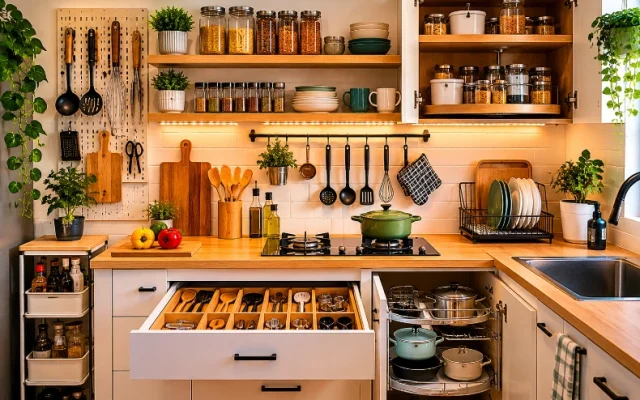
Consider these practical kitchen enhancements:
- Workstation sinks: Deep sinks with integrated accessories can make food preparation and cleanup more convenient.
- Under-cabinet lighting: LED fixtures improve visibility around countertops and food preparation areas.
- Pull-out cabinet organizers: Sliding storage systems make deep cabinets easier to access.
- Improved kitchen ventilation: Properly vented range hoods help remove cooking moisture, odors, and airborne particles.
- Durable countertops: Materials that resist stains and everyday wear may reduce maintenance requirements.
- Energy-efficient appliances: Replacing inefficient or failing appliances can improve performance and potentially lower operating costs.
- Induction cooktops: Compatible induction equipment offers precise temperature control and reduces waste heat during cooking.
Consider a minor kitchen renovation
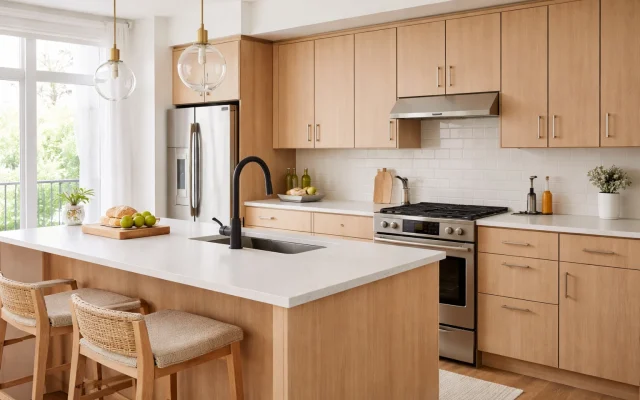
If your existing kitchen layout works well, replacing cabinet doors, updating hardware, installing a backsplash, improving lighting, and refreshing countertops may provide the appearance of a substantial renovation without the expense of a complete rebuild.
The 2025 Cost vs. Value Report from Zonda estimated that a midrange minor kitchen remodel recovered approximately 113% of its cost at resale nationally.
However, these figures represent modeled market averages rather than guaranteed returns.
Major luxury renovations can still be worthwhile for personal enjoyment, but homeowners should avoid assuming that expensive finishes automatically produce equivalent resale gains.
Practical tip: Prioritize workflow, storage, lighting, and durable materials before choosing decorative upgrades.
5. Upgrade Bathrooms With Durability and Comfort in Mind
Bathrooms experience frequent exposure to water, humidity, and temperature changes.
Consequently, the most valuable bathroom improvements often begin beneath the visible finishes.
Beautiful tile cannot compensate for inadequate waterproofing or poorly installed plumbing.
Waterproofing should come first
When renovating a shower or bathtub enclosure, prioritize a properly designed waterproofing system.
This may include:
- Waterproof membranes behind tile
- Correctly installed shower pans
- Properly sloped shower floors
- Sealed plumbing penetrations
- Compatible drains and waterproofing components
- Appropriate exhaust ventilation
Tile and grout should not be treated as the primary waterproof barrier.
A properly constructed system helps protect underlying materials against prolonged moisture exposure.
Comfort-focused bathroom improvements
After addressing waterproofing, consider upgrades that make the bathroom easier and more enjoyable to use.
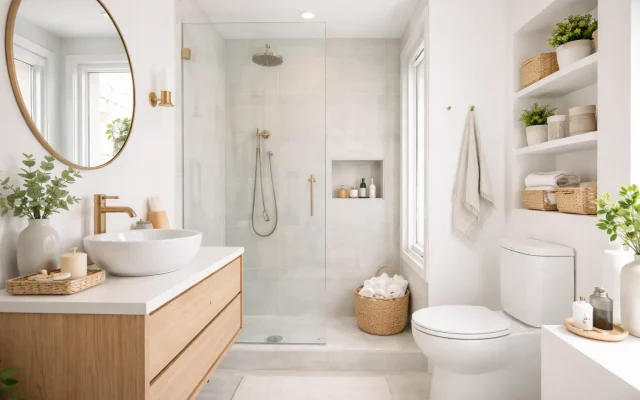
Walk-in showers can create a more open layout. Comfort-height toilets may improve accessibility for some users. Heated floors provide additional comfort in colder climates, while improved lighting makes grooming and everyday tasks easier.
Other useful improvements include quiet exhaust fans, water-efficient fixtures, slip-resistant flooring, and accessible storage.
For homeowners planning to age in place, reinforced shower walls that can accommodate future grab bars may also be worthwhile.
The goal is to create a bathroom that remains practical and attractive long after the renovation is completed.
6. Replace or Improve Windows for Better Indoor Comfort
Windows influence temperature control, outside noise, natural lighting, and the overall appearance of a property.
Older windows may develop drafts, deteriorating seals, damaged frames, or excessive condensation.
However, full window replacement is not always the most economical solution.
When window replacement makes sense
Replacement may be worth considering when windows have significant frame deterioration, damaged components, persistent operational problems, or failed insulated glass units.
Modern energy-efficient products may include low-emissivity (low-E) coatings, insulated glazing, and improved frame designs.
Depending on the climate and window specifications, these features can reduce unwanted heat transfer and improve comfort.
Consider repairs before full replacement
If existing windows remain structurally sound, less expensive improvements may provide meaningful benefits.
Options include replacing worn weatherstripping, sealing accessible gaps, repairing damaged components, and installing suitable storm windows.
Window films or solar shades can also help manage excessive sunlight in certain rooms.
For homeowners considering replacement, window installation and repair franchise resources offer background on businesses operating in this service category.
Regardless of the contractor selected, proper installation is essential.
Even a high-performance window can develop problems if flashing, drainage, structural attachment, or surrounding air sealing is inadequate.
7. Modernize Lighting for an Immediate Comfort Upgrade
Lighting is one of the most affordable home upgrades that improve comfort and value.
A poorly lit room can feel smaller and less functional, even when its furnishings and finishes are attractive.
By contrast, thoughtful lighting can make the same space feel welcoming, organized, and more comfortable.
Use layered lighting
Effective lighting typically combines three elements:
Ambient lighting: Provides general illumination throughout the room.
Task lighting: Delivers focused light for activities such as reading, cooking, or working.
Accent lighting: Highlights architectural features, artwork, or decorative elements.
For example, a kitchen may combine recessed ceiling fixtures with under-cabinet task lighting and pendant lights above an island.
Consider LED and smart lighting upgrades
LED lighting offers long service life and generally uses less electricity than traditional incandescent lighting.
Dimmer switches can also improve comfort by allowing brightness levels to change throughout the day.
Smart lighting controls add scheduling, remote operation, and automation capabilities.
However, confirm that bulbs, dimmers, and fixtures are compatible before installation.
For the greatest visual improvement, focus on lighting quality, fixture placement, and appropriate color temperature rather than simply adding more brightness.
8. Improve Curb Appeal Without Overspending
Exterior improvements influence a buyer’s first impression of a property.
They also affect how homeowners experience their house every day.
A well-maintained entrance, functional exterior lighting, and attractive landscaping can make a home feel more welcoming without requiring extensive construction.
Exterior improvements worth considering
Some practical options include:
- Repainting or refinishing the front door
- Replacing damaged entry hardware
- Repairing deteriorated siding
- Upgrading worn garage doors
- Installing attractive exterior lighting
- Maintaining landscaping and drainage
- Repairing cracked walkways
- Cleaning siding and other exterior surfaces
Exterior improvements can offer strong resale performance.
For example, Zonda’s 2025 Cost vs. Value Report identified garage door replacement and steel entry door replacement among the highest-ranking projects for estimated cost recovery.
Still, homeowners should distinguish between replacing a deteriorated component and replacing something that remains in excellent condition.
Sometimes cleaning, repainting, or repairing existing materials offers better value than purchasing new products.
9. Add Smart Home Features That Solve Real Problems
Smart home technology can improve convenience, but the best upgrades serve a clear practical purpose.
Rather than installing technology throughout the house simply because it is available, focus on devices that improve energy management, safety, or everyday functionality.
Smart upgrades to consider
| Smart feature | Potential benefit |
|---|---|
| Smart thermostat | Better temperature scheduling and HVAC control |
| Water leak detectors | Earlier warnings of moisture or plumbing leaks |
| Smart lighting | Convenient scheduling and remote control |
| Smart locks | Flexible access management |
| Smart smoke and carbon monoxide alarms | Connected alerts and safety monitoring |
| Energy monitoring systems | Better visibility into electricity consumption |
Smart thermostats can be especially helpful for households with predictable schedules.
However, energy savings depend on how the equipment is configured and used. A smart thermostat will not automatically fix inefficient ductwork, inadequate insulation, or improperly sized HVAC equipment.
Similarly, security and automation devices should be selected with attention to privacy, ongoing subscription costs, compatibility, and long-term support.
Choose technology that improves your home rather than creating unnecessary complexity.
10. Understand Which Home Upgrades Offer the Best Overall Value
The best renovation depends on the home’s current condition, location, climate, and the homeowner’s goals.
A property with inadequate attic insulation may benefit greatly from an energy-efficiency upgrade.
Meanwhile, a well-insulated home with an outdated but functional kitchen might gain more everyday usefulness from improved storage and lighting.
There is no universal ranking that applies equally to every property.
Comparing home improvements
The following table provides a practical starting point for evaluating different upgrades.
| Home upgrade | Comfort impact | Primary financial benefit |
|---|---|---|
| HVAC improvements | High | Potential energy savings and reliability |
| Insulation and air sealing | High | Lower heating and cooling costs |
| Water leak prevention | Moderate | Reduced risk of major repair expenses |
| Minor kitchen improvements | High | Functionality and potential resale appeal |
| Bathroom waterproofing | Moderate | Long-term durability and damage prevention |
| Window improvements | High when existing windows perform poorly | Energy performance and reduced maintenance |
| LED lighting | Moderate to high | Lower electricity use and improved usability |
| Exterior improvements | Moderate | Curb appeal and potential resale value |
| Smart home upgrades | Moderate | Convenience and potential operating savings |
These comparisons are qualitative. The financial outcome of each project depends on installation costs, existing conditions, local buyer preferences, and how long the homeowner retains the property.
11. How to Prioritize Upgrades Based on Your Budget
Not every home improvement needs to happen at once.
A phased approach allows homeowners to address important issues while managing expenses.
Budget-friendly improvements
For homeowners working with limited funds, consider:
- Replacing outdated bulbs with LEDs
- Improving weatherstripping around doors
- Installing cabinet organizers
- Updating worn hardware
- Repairing minor plumbing leaks
- Improving bathroom ventilation
- Sealing accessible air leaks
- Refreshing interior paint where needed
These projects often produce noticeable improvements without major structural changes.
Midrange improvements
With a larger budget, consider attic insulation, professional air sealing, kitchen lighting upgrades, selected appliance replacements, minor bathroom renovations, or drainage improvements.
A targeted renovation can make an older home feel significantly more functional without changing the entire floor plan.
Major investments
Larger improvement budgets may support full HVAC replacement, window replacement, significant plumbing or electrical work, extensive bathroom renovations, or major exterior repairs.
Before committing to these projects, obtain detailed estimates and confirm whether permits or inspections are required.
Also, maintain a contingency allowance for unexpected conditions, especially when renovating older homes.
The most effective renovation plan balances immediate needs with longer-term goals.
12. Common Home Improvement Mistakes to Avoid
Even well-intentioned renovations can become expensive when homeowners focus on the wrong priorities.
One common mistake is spending heavily on cosmetic upgrades while ignoring existing maintenance problems.
Another is choosing high-end materials that are difficult to maintain or inconsistent with the surrounding housing market.
Other mistakes include:
Over-improving for the neighborhood. Luxury finishes may be enjoyable, but local resale prices can limit the amount buyers are willing to pay.
Ignoring installation quality. High-quality products installed incorrectly can lead to leaks, premature deterioration, and repair expenses.
Skipping necessary permits. Unpermitted electrical, plumbing, or structural work can create safety concerns and complications during a future sale.
Overlooking ongoing maintenance. Some upgrades introduce replacement parts, subscriptions, cleaning requirements, or specialized servicing.
Assuming every improvement pays for itself. Comfort, convenience, and enjoyment are legitimate benefits, even when resale returns are limited.
Before undertaking a major project, compare multiple qualified contractors and review the proposed scope of work.
Clear expectations and proper documentation can help prevent disagreements and unexpected costs.
13. Should You Upgrade Your Home Before Selling?
Preparing a property for sale requires a different strategy than renovating a home you plan to occupy for another decade.
When selling soon, the primary objective is usually to improve marketability without spending more than necessary.
Begin by addressing visible damage, safety concerns, malfunctioning equipment, and obvious maintenance problems.
Next, focus on affordable improvements that make the home clean, bright, and welcoming.
Fresh neutral paint, repaired fixtures, attractive landscaping, and improved lighting may help buyers picture themselves living in the property.
However, avoid assuming that every expensive renovation will increase the eventual sale price.
Before investing in major kitchen or bathroom work, consult a knowledgeable local real estate professional. Comparable sales can provide insight into which improvements buyers in your market expect.
In some cases, offering a competitively priced home in good working condition may be more financially sensible than undertaking a major renovation immediately before selling.
Frequently Asked Questions (FAQs)
1. What home upgrade adds the most value?
Garage door replacement, steel entry doors, and minor kitchen renovations have shown strong estimated resale returns in national remodeling reports. However, the best improvement for an individual home depends on its condition and local market.
2. Which home improvements make the biggest difference in comfort?
HVAC improvements, insulation, air sealing, window repairs, and better lighting can significantly improve everyday comfort. Prioritize whichever system currently causes the greatest inconvenience.
3. Is replacing windows worth the investment?
Window replacement may be worthwhile when existing units have significant deterioration, persistent drafts, or failed components. If the windows remain in good condition, weatherstripping, sealing, or other repairs may offer better value.
4. How much can insulation and air sealing save on energy bills?
ENERGY STAR estimates average savings of approximately 15% on heating and cooling costs for appropriate air sealing and insulation improvements. Actual results vary according to climate, home condition, and project scope.
5. Are smart home upgrades attractive to buyers?
Practical features such as smart thermostats, leak detectors, and convenient lighting controls may appeal to buyers. However, complicated systems or equipment requiring costly subscriptions may offer limited resale benefits.
6. Is a minor kitchen renovation better than a complete remodel?
A minor renovation can provide excellent value when the kitchen layout remains functional. Full renovations may be justified when major layout changes, damaged infrastructure, or extensive deterioration need attention.
7. What bathroom improvements are worth prioritizing?
Proper waterproofing, effective ventilation, durable flooring, accessible fixtures, and efficient lighting should take priority. Decorative upgrades are best considered after functional and moisture-related concerns are addressed.
8. Should I replace my HVAC system before selling?
Not necessarily. A functioning and properly maintained HVAC system may not require replacement solely for resale purposes. Consider its condition, efficiency, reliability, and the expectations of buyers in your market.
9. What are the most affordable home upgrades that improve comfort and value?
LED lighting, weatherstripping, cabinet organizers, minor plumbing repairs, updated hardware, and targeted air sealing are relatively affordable options. Their effectiveness depends on the home’s existing problems.
10. How do I decide which home improvement project to complete first?
Start with safety issues, active leaks, and deteriorating essential systems. Next, prioritize improvements that reduce recurring expenses or solve major comfort problems. Cosmetic renovations can follow once the home’s fundamental needs are addressed.
Final Thoughts: Make Home Improvements That Deliver Lasting Benefits
The most worthwhile home upgrades that improve comfort and value are not necessarily the largest, most expensive, or most visually dramatic projects.
Often, the improvements that deliver the greatest long-term satisfaction are practical changes that make a home easier to maintain, more energy-efficient, and more comfortable.
Start by addressing important systems such as HVAC equipment, insulation, plumbing, and moisture protection. Then consider kitchen functionality, bathroom durability, window performance, lighting, and exterior appearance.
Above all, make decisions based on your property’s actual needs rather than renovation trends alone.
A thoughtful improvement plan can help you enjoy a better living environment today while protecting the long-term condition and potential resale value of your home.