

Bath remodeling Richmond VA is an opportunity to transform one of your home’s most frequently used rooms into a space that is more attractive, comfortable, and practical. Whether you’re replacing an outdated bathtub, installing a modern walk-in shower, or completely redesigning your bathroom, the right improvements can make a noticeable difference in your daily routine.
Richmond homeowners have plenty of reasons to consider bathroom renovations. Older homes may have inefficient plumbing fixtures, worn flooring, limited storage, or layouts that no longer meet household needs. Even newer bathrooms can benefit from updated lighting, improved ventilation, contemporary finishes, and more accessible features.
However, a successful renovation requires more than selecting beautiful tiles and fixtures. Understanding remodeling costs, choosing durable materials, planning an efficient layout, and hiring qualified professionals are equally important.
This guide explores everything you should know about bathroom remodeling in Richmond, Virginia, including current cost estimates, popular design features, renovation timelines, and practical ways to make the most of your investment.
Why Bath Remodeling Richmond VA Is Worth Considering
A bathroom should be more than a functional necessity. It should provide a comfortable environment where you can prepare for the day, unwind in the evening, and enjoy your home.
Unfortunately, aging bathrooms often develop problems that affect convenience, comfort, and appearance.
Common issues include:
- Outdated bathtubs, shower enclosures, and bathroom fixtures
- Insufficient lighting around mirrors and vanities
- Cracked tiles, damaged grout, and deteriorating flooring
- Poor ventilation that contributes to excess moisture
- Limited storage for towels, toiletries, and cleaning supplies
- Inefficient toilets and showerheads
- Difficult-to-access bathtubs and slippery surfaces
- Layouts that waste valuable floor space
Professional bath remodeling Richmond VA services can help address these concerns while introducing modern design elements.
Improve Everyday Comfort
An updated bathroom can simplify your morning routine and create a more relaxing atmosphere.
For example, replacing a cramped shower with a larger enclosure may improve comfort, while installing a new vanity can provide additional counter space and storage.
Small changes, such as better task lighting and thoughtfully positioned towel bars, can also improve daily convenience.
Improve Your Home’s Appearance
Bathroom design has evolved considerably over the years.
Modern bathrooms frequently feature clean lines, coordinated finishes, natural textures, and carefully selected lighting.
Replacing outdated fixtures and mismatched materials can make an older bathroom feel refreshed without requiring a complete redesign.
Address Maintenance Problems
A bathroom renovation also provides an opportunity to inspect components that are normally hidden behind walls and beneath flooring.
Contractors may discover deteriorated subfloors, damaged plumbing connections, inadequate waterproofing, or ventilation problems during demolition.
Addressing these issues before installing new finishes can help protect your remodeling investment.
Make Your Bathroom More Accessible
Accessibility is another important reason homeowners pursue bathroom renovations.
Walk-in showers, properly installed grab bars, wider entrances, nonslip flooring, and convenient storage can make bathrooms easier to use for people with different mobility needs.
Designing with long-term accessibility in mind can also reduce the need for major changes later.
Popular Bathroom Remodeling Ideas for Richmond Homes
The best bathroom designs combine visual appeal with practical features that make everyday life easier.
Below are several options homeowners can consider when planning a renovation.
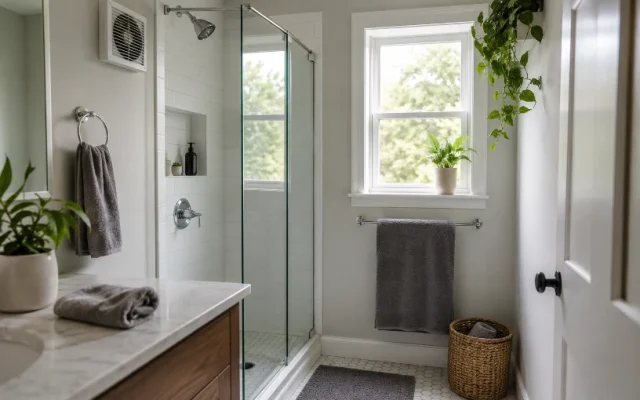
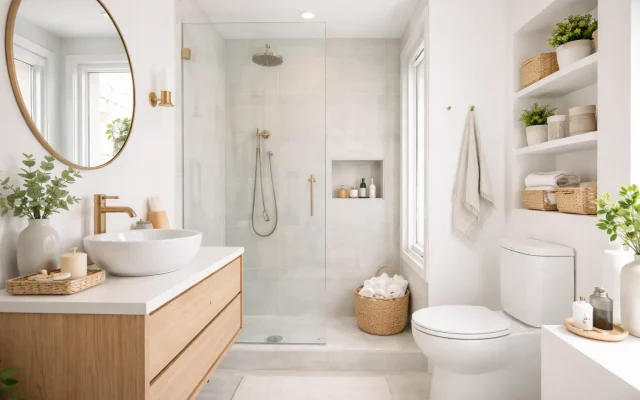
1. Modern Walk-In Showers
Walk-in showers are a popular choice for homeowners who want a clean, contemporary bathroom.
Depending on the available space, a walk-in shower may feature:
- Frameless or semi-frameless glass doors
- Large-format porcelain wall tiles
- Built-in shower niches
- Handheld showerheads
- Rainfall shower fixtures
- Comfortable shower benches
- Linear drains
- Low-threshold or curbless entrances
Glass enclosures can make smaller bathrooms appear more open because they allow light to pass through the shower area.
However, attractive tile alone does not make a shower waterproof. Properly installed waterproofing membranes, correctly sloped shower floors, and compatible drainage systems are essential.
Homeowners should prioritize a reliable waterproofing system before spending more on decorative finishes.
2. Tub-to-Shower Conversions
Many Richmond homeowners have traditional bathtub-and-shower combinations that no longer fit their lifestyles.
Converting an existing bathtub into a shower may create more usable space and improve accessibility.
This upgrade can be especially beneficial when the existing bathtub has high sides that make entering and exiting difficult.
Before removing a bathtub, consider your household’s needs and whether another bathroom includes a tub.
For families with young children or homeowners concerned about future resale flexibility, maintaining at least one bathtub may be worthwhile.
3. Freestanding Soaking Tubs
For homeowners who enjoy long baths, a freestanding soaking tub can create a spa-inspired atmosphere.
These tubs are available in various shapes, including oval, rectangular, and sculptural designs.
A freestanding bathtub works best when the bathroom provides enough clearance for comfortable movement and cleaning.
Remember that a larger tub may also require additional water capacity and structural consideration, depending on its size, construction, and location.
4. Floating and Double Vanities
Bathroom vanities influence storage, functionality, and overall design.
Floating vanities create a lighter appearance by exposing more floor area. They can be especially effective in smaller bathrooms.
Double vanities are useful in bathrooms shared by multiple household members, provided there is sufficient room for both sinks and comfortable circulation.
Popular vanity upgrades include:
- Soft-close drawers and cabinet doors
- Quartz countertops
- Integrated drawer organizers
- Undermount sinks
- Built-in electrical outlets
- Moisture-resistant cabinetry
- Recessed medicine cabinets
Choose a vanity based on how you use the space rather than appearance alone.
5. Updated Bathroom Lighting
Good lighting is one of the most practical improvements you can make during a bathroom remodel.
A well-designed bathroom typically combines three types of lighting.
Ambient lighting provides general illumination throughout the room.
Task lighting illuminates mirrors and vanity areas where people shave, apply makeup, and perform grooming activities.
Accent lighting highlights decorative features or provides soft illumination during evening hours.
Wall-mounted lights positioned around a mirror can often produce more balanced facial lighting than a single overhead fixture.
Where suitable, LED lighting provides an efficient, long-lasting option.
6. Smart Bathroom Features
Technology can improve bathroom convenience, particularly when incorporated during a larger renovation.
Possible features include:
- LED mirrors with adjustable lighting
- Smart ventilation controls
- Programmable heated flooring
- Motion-activated lighting
- Digital shower temperature controls
- Touchless faucets
- Smart toilets with water-saving functions
Not every smart upgrade is necessary. Focus on features that solve a real problem or improve how you use the bathroom.
How Much Does Bath Remodeling Richmond VA Cost in 2026?
Bathroom remodeling costs vary considerably based on project size, material quality, labor, and the extent of construction.
A bathroom that requires only cosmetic improvements will generally cost much less than a full renovation involving plumbing relocation, custom tile installation, and structural modifications.
Published Richmond-area remodeling estimates differ because they include different bathroom sizes and scopes of work.
The following ranges provide a useful starting point for planning.
| Remodeling project | Estimated cost |
|---|---|
| Cosmetic bathroom refresh | $3,500–$6,500 |
| Midrange bathroom remodel | $12,000–$21,000 |
| Major bathroom renovation | $28,000–$48,000+ |
These are approximate 2026 Richmond-area planning ranges, not contractor quotes. Actual projects may fall below or above these amounts.
Cosmetic Bathroom Updates
A cosmetic refresh focuses on improving appearance while leaving the existing layout largely unchanged.
Typical improvements include replacing faucets, painting walls, installing a new mirror, updating lighting, and replacing an outdated vanity.
This option works well when the bathroom’s plumbing, waterproofing, and major fixtures remain in good condition.
Midrange Bathroom Remodeling
A midrange renovation generally involves more substantial upgrades.
Common examples include:
- Installing a replacement bathtub or shower
- Replacing flooring and wall tile
- Updating the bathroom vanity
- Installing modern plumbing fixtures
- Improving exhaust ventilation
- Replacing lighting and accessories
Keeping plumbing fixtures in their existing locations can help control costs.
High-End Bathroom Renovations
Luxury renovations often include custom-designed showers, freestanding tubs, premium stone, heated floors, built-in cabinetry, and significant layout changes.
These projects may also require extensive electrical, plumbing, or structural improvements.
Although luxury materials can create an impressive bathroom, higher spending does not automatically guarantee greater resale value.
What Factors Affect Bathroom Remodeling Costs?
Several decisions have a major influence on your total renovation budget.
Bathroom size: Larger bathrooms typically require more tile, flooring, cabinetry, and labor.
Plumbing changes: Moving a toilet, shower, or sink may require additional plumbing work.
Material selection: Standard ceramic tile and stock cabinetry usually cost less than premium stone and custom-built fixtures.
Existing conditions: Hidden water damage, outdated electrical systems, and deteriorated subfloors can increase costs.
Labor requirements: Complex tile patterns, custom shower construction, and specialty installations generally require more time.
Permit requirements: Applicable permit fees and inspections should be included in your budget.
For a more accurate estimate, request detailed proposals from multiple qualified Richmond remodeling contractors.
Bathroom Remodeling Costs: Where Should You Spend More?
Not every bathroom feature deserves the same share of your budget.
Some improvements contribute directly to durability and function, while others are primarily decorative.
| Upgrade | Budget priority | Why it matters |
|---|---|---|
| Shower waterproofing | Very high | Helps protect surrounding structures from water intrusion |
| Plumbing repairs | Very high | Addresses leaks and aging connections |
| Ventilation | High | Helps control excess moisture |
| Slip-resistant flooring | High | Improves traction on wet surfaces |
| Vanity storage | Medium–high | Adds everyday convenience |
| Decorative lighting | Medium | Improves appearance and usability |
| Premium tile patterns | Optional | Adds visual interest but can increase labor costs |
| Smart mirrors | Optional | Offers convenience and modern styling |
When working with a limited budget, prioritize repairs, waterproofing, ventilation, and functional improvements before selecting expensive decorative materials.
Planning a Successful Bathroom Remodel in Richmond VA
Careful planning can help minimize unexpected expenses, scheduling problems, and design regrets.
Step 1: Define Your Remodeling Goals
Start by identifying what you dislike about your existing bathroom.
Perhaps the shower feels cramped, storage is inadequate, or the room appears outdated.
Create a list separating essential improvements from optional features.
For example, replacing damaged flooring may be essential, while installing a heated towel rack may be optional.
This approach makes decisions easier when comparing designs and contractor estimates.
Step 2: Establish a Realistic Budget
Determine how much you can comfortably spend before selecting materials.
Your budget should include labor, materials, permits, debris removal, and potential unexpected repairs.
Consider reserving approximately 10%–20% as a contingency, particularly when renovating an older bathroom.
Older properties may have concealed problems that become visible only after demolition begins.
Step 3: Evaluate the Existing Layout
Changing the bathroom layout can substantially increase remodeling complexity.
If your current arrangement works reasonably well, keeping the toilet, sink, and shower in their existing locations may reduce plumbing changes.
However, a poorly designed bathroom may justify a more extensive renovation.
Ask your contractor to compare the costs and benefits of retaining the existing layout versus redesigning the space.
Step 4: Choose Materials for Moisture Resistance
Bathrooms are exposed to frequent moisture, temperature changes, and cleaning products.
For that reason, materials should be selected for durability as well as appearance.
Popular choices include:
- Porcelain tile: Durable and highly water-resistant when properly installed
- Ceramic tile: Available in numerous styles and price ranges
- Quartz countertops: Nonporous, low-maintenance surfaces
- Moisture-resistant cabinetry: Helps protect storage areas against humid conditions
- Luxury vinyl flooring: Suitable products can work well in bathrooms when installed according to manufacturer requirements
Remember that water-resistant finishes do not replace the need for proper waterproofing beneath showers and other wet areas.
Step 5: Plan Storage Before Construction
Bathrooms often accumulate more belongings than homeowners anticipate.
Consider incorporating recessed shower niches, medicine cabinets, deep vanity drawers, and linen storage.
Storage should be positioned where items are actually used.
For example, placing towel storage near the shower is generally more convenient than storing towels across the bathroom.
Step 6: Select Fixtures and Finishes Early
Many remodeling delays occur because materials arrive late or homeowners make design changes during construction.
Choose your preferred shower fixtures, tiles, vanity, lighting, flooring, and accessories before major work begins.
Confirm product availability and delivery dates with your contractor.
Also verify that selected products are compatible with the proposed plumbing and electrical systems.
Special Considerations for Older Richmond Homes
Richmond is known for its historic architecture and established neighborhoods.
Homes in areas such as the Fan District, Church Hill, and Museum District may have older construction details that require careful consideration during remodeling.
An older bathroom may contain:
- Aging supply and drain pipes
- Uneven floors or walls
- Outdated electrical wiring
- Limited ventilation
- Previous renovations with inadequate waterproofing
- Deteriorated framing or subfloor materials
These issues do not necessarily make a bathroom renovation impractical.
However, they can influence project costs and scheduling.
Be Careful With Demolition
If you own an older Richmond property, have potentially hazardous materials assessed before disturbing them.
Certain older building materials may contain lead-based paint or asbestos.
Qualified professionals should evaluate suspected hazards and determine appropriate handling procedures.
Preserve Architectural Character Where Appropriate
Not every renovation needs to create an ultra-modern bathroom.
In historic homes, design features such as traditional cabinet profiles, classic tile patterns, and period-appropriate hardware may complement the existing architecture.
A thoughtful renovation can preserve a home’s character while introducing modern plumbing, safer lighting, and better ventilation.
Check Historic District Requirements
Some Richmond properties are subject to historic preservation review, particularly when proposed work affects protected exterior features.
Interior bathroom renovations may involve different considerations than exterior changes.
Confirm any applicable requirements before beginning work.
Do You Need Permits for Bath Remodeling Richmond VA?
Permit requirements depend on the proposed work and the property’s jurisdiction.
For properties within the City of Richmond, structural alterations and certain plumbing, electrical, or mechanical improvements may require permits.
The city identifies separate trade permits for electrical, plumbing, and mechanical work.
A straightforward cosmetic update may have different requirements from a project involving structural changes or new plumbing connections.
Before beginning construction:
- Describe your complete remodeling scope to your contractor.
- Ask which building and trade permits are required.
- Confirm who will submit the applications.
- Make sure required inspections are scheduled.
- Keep copies of permits and inspection records.
The City of Richmond provides information through its Permits and Inspections Department.
Important: A Richmond mailing address does not necessarily mean a property falls within Richmond city limits. Homes in Henrico or Chesterfield counties may be subject to different permitting authorities.
How Long Does a Bathroom Remodel Take?
The project timeline depends on the extent of construction, material availability, and whether unexpected problems arise.
A basic cosmetic update may require only a few days.
A typical full bathroom remodel might take approximately two to six weeks of active construction, while complex renovations can take longer.
The overall project schedule may also include design planning, contractor scheduling, permitting, and material delivery before work begins.
Typical Bathroom Remodeling Process
| Project phase | What happens |
|---|---|
| Initial consultation | Discuss goals, budget, and existing conditions |
| Design and planning | Select layout, materials, and fixtures |
| Permits and ordering | Complete applicable approvals and obtain materials |
| Demolition | Remove old finishes and fixtures |
| Plumbing and electrical | Complete necessary rough-in modifications |
| Waterproofing and surfaces | Install shower systems, tile, and flooring |
| Fixture installation | Install vanity, toilet, lighting, and accessories |
| Final inspection | Verify workmanship and complete required inspections |
These stages may overlap depending on the project.
If you have only one bathroom, discuss how the renovation will affect your household before construction starts.
Choosing the Right Bathroom Remodeling Contractor in Richmond
The quality of your contractor can affect everything from waterproofing performance to the final appearance of your bathroom.
A good remodeling professional should communicate clearly, provide a detailed scope of work, and explain how the project will be completed.
Verify Licensing and Insurance
Before hiring a contractor, confirm the business holds appropriate Virginia credentials for the proposed work.
You can check contractor licensing through the Virginia Department of Professional and Occupational Regulation.
Ask about insurance coverage and who will perform specialized electrical or plumbing work.
Review Previous Bathroom Projects
Look for examples of projects similar to your renovation.
If you want a tiled walk-in shower, review the contractor’s experience with shower waterproofing, drainage systems, and tile installation.
A contractor who specializes in cosmetic updates may have different expertise from one who regularly performs full bathroom reconstructions.
Request Detailed Written Estimates
An estimate should identify the proposed work clearly enough for you to understand what is included.
Look for details covering demolition, materials, labor, plumbing, electrical work, waterproofing, permits, and cleanup.
When comparing quotes, make sure each contractor is pricing a similar scope of work.
The lowest proposal may not be the best choice if it leaves out essential components.
Ask About Warranties
Understand which warranties apply to labor, fixtures, and materials.
Ask how the contractor handles issues discovered after completion and obtain warranty information in writing.
Establish a Payment Schedule
Use a written contract that establishes project milestones, payment terms, and procedures for approving changes.
Avoid making substantial additional payments for work that has not been clearly defined or completed.
Bathroom Remodeling Mistakes to Avoid
Even well-planned renovations can encounter problems.
Fortunately, many common mistakes can be prevented through thoughtful design and clear communication.
Choosing Appearance Over Function
A striking bathroom design is not necessarily a practical one.
Before selecting oversized fixtures or elaborate cabinetry, confirm that doors, drawers, and shower enclosures have adequate clearance.
Overlooking Ventilation
Poor ventilation can contribute to persistent moisture, peeling paint, and mold growth.
A properly sized exhaust fan, correctly ducted to the exterior when required, is an important component of a well-designed bathroom.
Ignoring Waterproofing
Tile and grout are not a complete waterproofing system.
Showers require properly designed and installed waterproofing assemblies to protect surrounding materials.
Ask your contractor which waterproofing products and installation methods will be used.
Making Too Many Changes During Construction
Changing tile patterns, moving plumbing fixtures, or ordering different cabinetry after construction begins can increase expenses and delay completion.
Finalize major design decisions as early as possible.
Forgetting About Future Needs
Consider whether the renovated bathroom will remain comfortable and practical over the coming years.
Features such as improved lighting, accessible storage, slip-resistant flooring, and low-threshold showers may provide lasting benefits.
Small Bathroom Remodeling Ideas That Make a Big Difference
You don’t need a large bathroom to create a comfortable and attractive space.
Smaller bathrooms can benefit from carefully selected fixtures and strategic design decisions.
Consider these improvements:
- Install a compact vanity to create more open floor space.
- Use a glass shower enclosure to improve visual openness.
- Choose a consistent flooring material to create continuity.
- Add recessed medicine cabinets instead of bulky wall storage.
- Select appropriately sized mirrors to reflect more light.
- Use lighter wall colors to create a brighter appearance.
- Install recessed shower niches to reduce clutter.
- Choose a pocket door where practical and structurally feasible.
Large-format tiles may also create a cleaner look by reducing the number of visible grout lines.
However, proper installation and slip resistance should take priority over tile size alone.
Can Bathroom Remodeling Increase Your Richmond Home’s Value?
Bathroom renovations can improve a home’s marketability, particularly when the existing bathroom is visibly outdated or has maintenance problems.
Potential buyers often appreciate clean finishes, functional storage, modern showers, and well-maintained plumbing fixtures.
However, the financial return depends on several factors.
These include the neighborhood, property condition, renovation budget, housing market, and preferences of potential buyers.
A modest bathroom update may provide stronger financial value than an extremely expensive renovation that exceeds the standards of surrounding homes.
Improvements That May Appeal to Buyers
Several bathroom features have broad practical appeal:
- Neutral, coordinated finishes
- Durable flooring
- Updated shower and bathtub fixtures
- Good lighting
- Functional vanity storage
- Effective ventilation
- Clean, properly maintained surfaces
If you plan to sell your home soon, prioritize improvements that address visible defects and everyday functionality.
If you intend to remain in the property for many years, personal comfort and long-term convenience may be more important than potential resale returns.
How to Save Money on Bath Remodeling Richmond VA
A beautiful bathroom does not always require premium materials or extensive construction.
Homeowners can often control remodeling costs by making thoughtful decisions during the planning stage.
Keep the Existing Plumbing Layout
Moving fixtures can increase the amount of plumbing work required.
Keeping major fixtures in their current locations may reduce labor and material expenses.
Choose Midrange Materials
Many porcelain and ceramic tiles provide an attractive appearance without the cost of natural stone.
Similarly, well-made stock or semi-custom vanities may provide excellent storage at a lower cost than fully custom cabinetry.
Refinish When Appropriate
If an existing bathtub is structurally sound, professional refinishing may be worth considering.
However, refinishing will not solve underlying leaks, damaged plumbing, or structural deterioration.
Compare Multiple Contractor Quotes
Obtain several detailed estimates and compare the work being proposed.
Look beyond the bottom-line price and evaluate materials, warranties, project schedules, and contractor qualifications.
Avoid Unnecessary Additions
Smart technology, decorative tile accents, and premium fixtures can be appealing.
However, these upgrades should not take priority over essential repairs and reliable construction.
Bathroom Remodeling Checklist for Richmond Homeowners
Use this checklist to organize your renovation before construction begins.
- Identify the primary problems with your existing bathroom.
- Determine whether you need a cosmetic refresh or complete renovation.
- Establish a budget and contingency reserve.
- Measure the bathroom and evaluate layout options.
- Select preferred shower, bathtub, and vanity features.
- Choose moisture-resistant materials.
- Plan lighting, ventilation, and storage.
- Interview qualified remodeling contractors.
- Verify licensing, insurance, and references.
- Review written estimates and warranty terms.
- Confirm applicable permits and inspections.
- Finalize material selections before construction.
- Establish a project schedule and payment milestones.
- Arrange alternative bathroom access if necessary.
- Complete a final walkthrough before closing out the project.
Taking time to address these details can help keep the remodeling process organized and reduce the likelihood of expensive surprises.
Final Thoughts: Create a Bathroom That Fits Your Lifestyle
A successful bathroom renovation is not simply about installing the newest fixtures or following design trends. It is about creating a space that works better for your household, reflects your personal style, and performs reliably over time.
Whether your goal is a contemporary walk-in shower, a comfortable soaking tub, improved storage, or a complete transformation, careful planning is essential.
For homeowners considering bath remodeling Richmond VA, the most important steps are understanding project costs, choosing suitable materials, verifying permit requirements, and selecting an experienced remodeling contractor.
By balancing attractive design with practical improvements, you can create a bathroom that feels more inviting today and remains comfortable and functional for years to come.
Frequently Asked Questions About Bath Remodeling Richmond VA
1. How much does bathroom remodeling cost in Richmond, VA?
A cosmetic bathroom refresh may cost approximately $3,500–$6,500, while midrange renovations can run around $12,000–$21,000. Major renovations with extensive construction and premium finishes may cost $28,000–$48,000 or more.
2. How long does a typical bathroom remodel take?
A full bathroom renovation often requires approximately two to six weeks of active construction. Complex projects, permit processing, and material delays can extend the overall timeline.
3. Do I need permits for bathroom remodeling in Richmond?
Some projects involving structural alterations, plumbing, electrical work, or mechanical systems require permits. Confirm the requirements with the appropriate local building department before beginning construction.
4. Is a walk-in shower better than a bathtub?
A walk-in shower may improve accessibility and provide a modern appearance, while a bathtub can be useful for families and homeowners who enjoy soaking. The best choice depends on your household’s needs and available space.
5. What flooring is best for a remodeled bathroom?
Porcelain tile and ceramic tile are popular because of their durability and water resistance. Select flooring with appropriate slip resistance and ensure that the underlying installation is suitable for bathroom moisture exposure.
6. Can I remodel a small bathroom without changing the layout?
Yes. Replacing an oversized vanity, improving lighting, adding storage, and installing a glass shower enclosure can make a small bathroom feel more open without relocating major plumbing fixtures.
7. Does bathroom remodeling increase home value?
An updated bathroom can improve property appeal and may contribute to resale value. However, the return depends on renovation costs, local market conditions, and the quality and practicality of the improvements.
8. Should I hire a professional bathroom remodeling contractor?
Professional assistance is especially valuable for projects involving plumbing, electrical work, structural changes, and shower waterproofing. Qualified contractors can also help coordinate permits, inspections, and specialized trades.
9. What is the most important part of a bathroom remodel?
Reliable waterproofing, sound plumbing, effective ventilation, and safe construction should take priority over decorative finishes. These elements help protect the bathroom and surrounding structure from costly moisture-related damage.
10. What should I do before starting bath remodeling Richmond VA?
Start by identifying your goals, setting a realistic budget, and researching design options. Then obtain detailed estimates from qualified contractors, verify permit requirements, and finalize materials before construction begins.