

A small bathroom doesn’t have to feel cramped, outdated, or difficult to organize. With the right approach, even the most compact space can become brighter, more functional, and visually appealing. The best part? You don’t necessarily need an expensive renovation to achieve noticeable results. Simple small bathroom changes, such as improving lighting, updating mirrors, choosing coordinated accessories, and organizing storage, can completely transform the atmosphere.
Whether you’re decorating an apartment bathroom, refreshing a guest bathroom, or improving a compact space in your home, thoughtful design decisions make a difference. Instead of focusing on the room’s limitations, consider how color, light, texture, and layout can work together to create an inviting environment.
The secret is knowing where to invest your attention. Some changes provide an immediate visual improvement, while others make everyday routines more convenient. Combining both approaches helps create a bathroom that looks better and works harder without requiring extensive construction.
1. Improve Lighting to Make the Bathroom Feel Larger
Lighting is one of the most influential elements in small bathroom design. Poor lighting can make an otherwise attractive bathroom feel gloomy and enclosed. On the other hand, strategically placed lighting helps brighten corners, highlight attractive features, and create the illusion of additional space.
Start by evaluating your existing lighting. Does the overhead fixture provide enough illumination? Are there dark areas around the mirror or shower? Does the light create harsh shadows?
Addressing these problems can immediately improve the bathroom’s appearance.
Use Multiple Sources of Light
Layered lighting is particularly effective in compact bathrooms because different fixtures serve different purposes.
- Ambient lighting: Provides general illumination throughout the bathroom.
- Task lighting: Illuminates the vanity and mirror for grooming activities.
- Accent lighting: Highlights decorative features or creates a relaxing atmosphere.
For example, combining a ceiling fixture with vanity lighting can make the room feel more balanced and welcoming.
If you’re renting and cannot replace installed fixtures, consider landlord-approved rechargeable accent lights or other removable lighting solutions designed for bathroom environments.
Make the Most of Natural Light
If your bathroom has a window, avoid covering it with heavy curtains that block daylight.
Instead, consider moisture-resistant light-filtering shades or privacy window film, where permitted. These options can maintain privacy while allowing natural light to enter.
Natural light also works particularly well with pale walls, glossy surfaces, and mirrors.
Practical tip: Choose light bulbs with a consistent color temperature. Mixing warm and cool lighting can make a small bathroom feel visually disjointed. Ensure all fixtures and bulbs are suitable for their location, particularly near water.
2. Upgrade Your Bathroom Mirror for an Instant Transformation
Few small bathroom changes have as much visual influence as updating the mirror.
A well-positioned mirror reflects light, creates depth, and makes narrow walls appear less restrictive. It can also function as a decorative focal point, reducing the need for additional accessories.
For compact bathrooms, consider a mirror that complements the width and shape of your vanity.
An oversized mirror can make the space feel expansive, while a slim-framed design adds definition without overwhelming the wall.
Choose a Mirror That Complements Your Style
Different mirror styles create different visual effects.
| Mirror Style | Visual Benefit |
|---|---|
| Large frameless mirror | Creates a clean, open appearance |
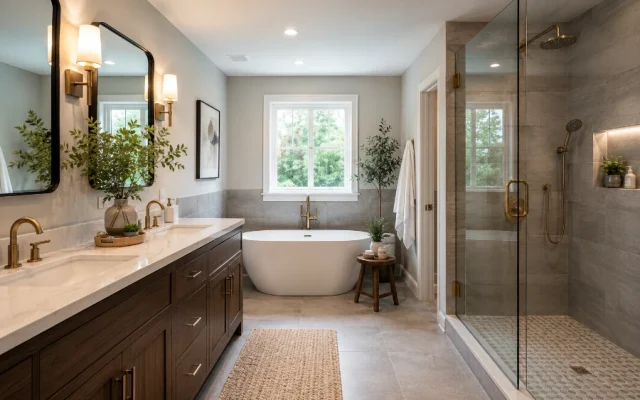
| Round mirror | Softens angular bathrooms |
| Slim metal-framed mirror | Adds a contemporary accent |
| Mirrored medicine cabinet | Combines reflection with storage |
| Backlit mirror | Provides decorative illumination |
When choosing a replacement, consider proportions, mounting requirements, and moisture resistance.
High-quality options, such as bathroom mirrors in Australia, demonstrate how different shapes, frames, and finishes can complement modern bathroom interiors.
For renters, replacing a permanently installed mirror may require permission. A decorative mirror can sometimes be added without removing the existing one, provided it can be mounted securely.
3. Choose Colors That Create a Sense of Openness
Color dramatically influences how large or small a bathroom appears.
Light shades generally reflect more light and help surfaces feel less visually confined. However, that doesn’t mean every small bathroom must be completely white.
Soft neutrals, muted greens, gentle blues, and warm earth tones can create an equally attractive environment.
The key is maintaining visual harmony.
Consider These Small Bathroom Color Combinations
| Color Combination | Overall Effect |
|---|---|
| Warm white and natural wood | Clean, welcoming, and timeless |
| Light gray and matte black | Contemporary and sophisticated |
| Soft sage green and cream | Calm and nature-inspired |
| Pale blue and white | Fresh and airy |
| Beige and brushed brass | Warm and elegant |
| Charcoal accents with light walls | Modern with added depth |
For a small bathroom, choose one dominant color and introduce one or two complementary accents.
Using too many competing colors can make the space appear busy.
Use Dark Colors Strategically
Dark colors aren’t necessarily unsuitable for compact bathrooms.
A dark vanity, contrasting floor, or carefully selected accent wall can create depth and character.
However, balance matters.
If you choose darker surfaces, complement them with good lighting, reflective finishes, or lighter accessories.
In rental bathrooms, removable decorative accessories provide an easier way to introduce new colors without repainting.
4. Reduce Visual Clutter With Smarter Storage
Even a beautifully designed bathroom can feel cramped when countertops are covered with toiletries, towels, cosmetics, and cleaning products.
One of the most affordable small bathroom changes is simply improving organization.
The objective isn’t necessarily to eliminate belongings. Instead, give frequently used items convenient storage locations while keeping unnecessary objects out of sight.
Make Better Use of Vertical Space
Small bathrooms often have limited floor space but unused wall space.
Consider incorporating:
- Floating shelves above the toilet, where safely installed.
- Slim storage cabinets that fit into narrow areas.
- Over-the-door organizers for lightweight essentials.
- Wall-mounted hooks for towels and robes.
- Stackable organizers inside existing cabinets.
- Mirrored medicine cabinets for concealed storage.
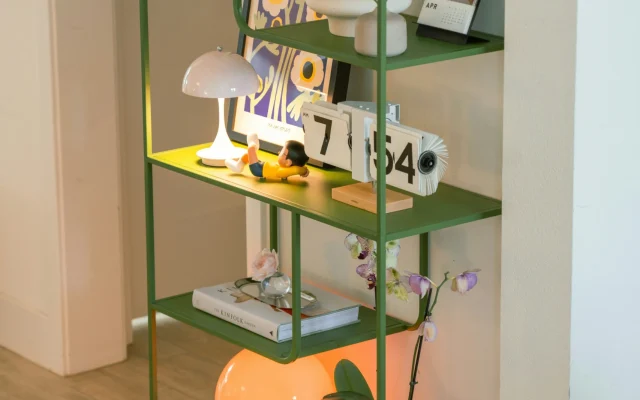
For apartment bathrooms, freestanding narrow shelving or over-the-toilet storage units may be practical alternatives to permanent installations. Secure tall or unstable units appropriately to prevent tipping.
Organize the Vanity
Your vanity should support daily routines without becoming overcrowded.
Keep everyday products within easy reach, but relocate items you rarely use.
Drawer dividers, small baskets, and transparent containers can help separate personal care products.
Try grouping similar items together. Hair accessories belong in one container, skincare products in another, and cleaning supplies in a designated storage area.
This approach makes everything easier to find while improving the bathroom’s overall appearance.
Design tip: Matching organizers create a more cohesive appearance than a collection of unrelated containers. You don’t need expensive products; consistency is more important than price.
5. Refresh Fixtures and Hardware for a Modern Look
Outdated fixtures can make an otherwise attractive bathroom feel older than it is.
Fortunately, replacing selected hardware is often more affordable than purchasing new cabinets or renovating the entire space.
Small updates may include cabinet handles, towel bars, toilet paper holders, faucets, and showerheads.
When choosing finishes, focus on creating a coordinated appearance.
Popular Bathroom Hardware Finishes
Brushed nickel: A versatile choice that works with modern and traditional interiors.
Matte black: Creates strong contrast, particularly against light-colored walls.
Brushed brass: Adds warmth and a refined decorative touch.
Polished chrome: Reflects light and complements many contemporary bathroom styles.
You don’t necessarily need every fixture to match perfectly. However, using too many unrelated finishes can make a small bathroom look inconsistent.
For renters, decorative replacements should be approved where necessary, and original hardware should be stored safely if removal is permitted.
6. Make the Shower Area Feel More Open
In many small bathrooms, the shower occupies a significant portion of the room.
A bulky enclosure, dark curtain, or visually heavy partition can make the space feel smaller.
Fortunately, there are several ways to improve the shower’s appearance without rebuilding it.
Consider Transparent Shower Screens
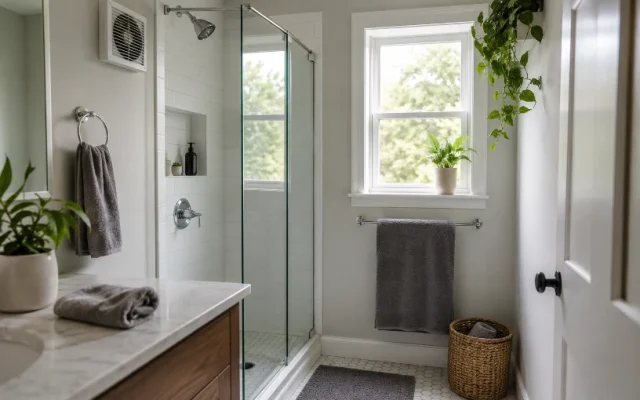
Transparent glass creates a relatively uninterrupted view across the bathroom.
For bathrooms with combined tubs and showers, shower screens for baths can provide a practical alternative to traditional curtains.
These screens help contain splashing while maintaining a streamlined appearance. However, the best choice depends on bathroom dimensions, installation requirements, accessibility, and cleaning preferences.
If replacing a screen isn’t feasible, a light-colored shower curtain can also make a difference.
Choose a curtain that complements the bathroom’s color palette and keep it clean and neatly arranged.
Improve Shower Storage
Shampoo bottles, soap containers, and cleaning products can quickly create visual clutter.
To keep the area organized, consider using a compact shower caddy, corner shelving, or a suitable hanging organizer.
Select moisture-resistant materials and avoid overcrowding the storage area.
Keeping shower essentials grouped together creates a tidier and more comfortable environment.
7. Introduce Texture Without Overwhelming the Room
A bathroom can look visually flat when every surface has the same finish.
Introducing subtle textures adds depth and warmth without requiring elaborate decorations.
For example, smooth ceramic tiles can contrast nicely with woven baskets, cotton towels, and wood-look accessories.
Consider combining:
- Soft cotton towels with glossy tiles.
- Natural wood accents with white countertops.
- Matte accessories with reflective metal fixtures.
- Woven storage baskets with smooth cabinetry.
- Textured bath mats with simple floor finishes.
The objective is to create variation while maintaining consistency.
Avoid introducing too many competing patterns in a compact space. One or two thoughtfully selected textures are usually enough to create visual interest.
8. Replace Worn Bathroom Accessories
Sometimes the smallest updates produce the most noticeable improvements.
A faded bath mat, mismatched towels, or outdated soap dispenser can make a bathroom feel neglected.
Replacing these items is an easy way to refresh the space.
Affordable Accessories Worth Updating
Towels: Choose coordinated colors that complement the room.
Bath mat: Select a low-profile, absorbent, slip-resistant option.
Soap dispenser: A reusable dispenser can make the vanity look neater.
Wastebasket: A compact container with a simple finish reduces visual distraction.
Toothbrush holder: Matching containers create a more organized countertop.
Shower curtain: A fresh curtain can change the room’s entire color scheme.
For a cohesive appearance, select accessories from a limited palette rather than choosing every item independently.
A small bathroom often benefits more from a few carefully coordinated pieces than numerous decorative objects.
9. Use Decorative Details Sparingly
Decorating a compact bathroom requires restraint.
Although decorative objects add personality, too many can quickly make the room feel crowded.
A small plant, framed print, or attractive storage basket may be enough to improve the atmosphere.
Bring in Natural Elements
Natural materials can soften the appearance of bathrooms dominated by ceramic, glass, and metal.
Consider adding wooden accessories, stone-look containers, or a moisture-tolerant plant.
If the bathroom has little natural light, choose plants appropriate for low-light conditions or use a realistic artificial alternative.
Choose Wall Art Carefully
Bathroom wall art should complement the room rather than compete with it.
Simple botanical prints, abstract designs, or minimalist artwork often work well.
Use moisture-resistant frames and avoid placing artwork where it will receive direct splashes.
For renters, removable hanging methods can be useful when suitable for the wall surface, item weight, and bathroom humidity.
Remember that empty wall space can also contribute to an attractive design. Not every surface needs decoration.
10. Make Better Use of the Existing Layout
One of the most effective small bathroom changes involves improving how the room functions rather than adding new features.
Before purchasing anything, evaluate how you move around the bathroom.
Does a laundry basket obstruct a doorway? Is a storage unit preventing a cabinet from opening? Are accessories occupying areas needed for daily activities?
Removing these obstacles can make the room feel more spacious.
Keep Walkways Clear
Avoid placing furniture or storage units where they restrict movement.
Choose narrow or wall-mounted organizers when appropriate.
If your bathroom has a pedestal sink, a slim organizer may provide additional storage without requiring a new vanity.
Choose Compact, Functional Accessories
Look for items that provide more than one benefit.
A mirrored cabinet, for example, combines storage and reflection.
A towel rack with integrated shelving provides hanging space and additional organization.
These functional accessories help maximize limited square footage without introducing unnecessary furniture.
11. Give the Bathroom a Thorough Cleaning
Not every improvement requires purchasing something new.
In fact, a detailed cleaning can produce some of the most dramatic visual results.
Soap residue, water spots, discolored grout, and dusty fixtures can make a bathroom appear older and darker.
Start by cleaning the mirror, faucets, shower enclosure, countertops, and flooring.
Pay particular attention to areas where mineral deposits or soap buildup affect the appearance of surfaces.
Refresh Grout and Sealant
Grout and caulk can influence how clean a bathroom looks.
Discolored grout may benefit from cleaning with products suitable for the tile and grout material.
Cracked, loose, or mold-damaged sealant may require repair or replacement. Because failed sealant can allow moisture intrusion, address persistent problems rather than simply covering them.
If you’re renting, report damaged grout, recurring mold, leaks, or deteriorating sealant to property management.
A clean bathroom with well-maintained surfaces often appears significantly more attractive without any major design changes.
12. Choose Improvements That Fit Your Budget
Not every bathroom refresh needs a large budget.
Prioritize improvements based on their visual influence, practical benefits, and installation requirements.
The following comparison can help you decide where to begin.
| Bathroom Improvement | Relative Cost | Visual Impact | Renter-Friendly Potential |
|---|---|---|---|
| Decluttering and organizing | Low | High | Excellent |
| Coordinated towels and accessories | Low | Moderate | Excellent |
| Replacing a shower curtain | Low | High | Excellent |
| Adding storage organizers | Low to moderate | High | Usually good |
| Improving removable lighting | Low to moderate | Moderate to high | Depends on placement |
| Adding decorative mirrors | Moderate | High | Depends on mounting |
| Replacing cabinet hardware | Low to moderate | Moderate | May require approval |
| Installing a shower screen | Moderate to high | High | Usually requires approval |
| Repainting walls | Moderate | High | Requires permission in rentals |
These are general comparisons rather than fixed cost estimates. Actual expenses depend on product quality, bathroom conditions, and whether professional installation is necessary.
For most renters and homeowners, the smartest starting point is improving organization, lighting, and accessories before considering permanent modifications.
13. Common Small Bathroom Decorating Mistakes to Avoid
Making a bathroom visually appealing isn’t only about what you add. Sometimes, knowing what to avoid is equally important.
Using Too Many Decorative Items
Excessive accessories create clutter and distract from the room’s design.
Choose a few meaningful pieces and allow open surfaces to remain visible.
Ignoring Lighting Quality
Even attractive fixtures and accessories can look less appealing under poor lighting.
Evaluate illumination before investing heavily in decorative upgrades.
Choosing Oversized Storage Furniture
Large cabinets and shelving units may provide storage but can also restrict movement.
Measure available space carefully before purchasing furniture.
Mixing Too Many Colors and Finishes
A limited palette helps connect the different elements of a small bathroom.
Use consistent colors and complementary materials to maintain visual balance.
Overlooking Ventilation
Decorative improvements should never interfere with proper ventilation.
Bathrooms experience frequent moisture exposure, making airflow and humidity control important for preserving finishes and limiting mold growth.
Keep ventilation systems unobstructed and address recurring moisture problems promptly.
Making Permanent Changes Without Permission
Apartment renters should review lease requirements before painting, drilling, replacing plumbing fixtures, or modifying electrical components.
Fortunately, many appealing bathroom improvements can be accomplished with removable accessories and freestanding organizers.
14. A Simple Plan for Refreshing Your Small Bathroom
If you’re unsure where to begin, follow this practical sequence.
Step 1: Declutter the room. Remove unnecessary items and organize products based on frequency of use.
Step 2: Improve the lighting. Clean existing fixtures and consider suitable lighting upgrades.
Step 3: Evaluate the mirror. Determine whether its size, placement, or style could be improved.
Step 4: Select a coordinated color scheme. Choose complementary towels, storage accessories, and decorative accents.
Step 5: Improve storage. Introduce organizers that make better use of drawers, cabinets, doors, or available wall space.
Step 6: Refresh the shower area. Clean surfaces, organize products, and consider a new curtain or an approved enclosure upgrade.
Step 7: Add finishing touches. Introduce one or two decorative elements that enhance the bathroom without creating clutter.
Step 8: Maintain the results. Establish a simple cleaning and organization routine to prevent the room from becoming overcrowded again.
This approach allows you to make gradual improvements while controlling expenses.
Final Thoughts: Small Bathroom Changes Can Deliver Impressive Results
A compact bathroom can be just as comfortable and attractive as a larger one when its design is approached thoughtfully.
Rather than investing immediately in expensive remodeling, focus on improvements that enhance visual openness, simplify organization, and create a cohesive appearance.
Better lighting, a carefully chosen mirror, coordinated colors, improved storage, and updated accessories can transform the atmosphere without significantly changing the room’s layout.
For apartment residents, renter-friendly solutions offer additional flexibility. Removable storage, decorative accessories, and practical organization systems can help personalize a bathroom while respecting lease restrictions.
Ultimately, the most effective small bathroom changes balance appearance with everyday convenience. Even modest adjustments can make the space feel brighter, more organized, and more enjoyable to use.
For additional inspiration, explore these smart bathroom changes that improve function without overdoing it.
Frequently Asked Questions (FAQs)
1. What are the easiest small bathroom changes to make?
Decluttering, adding coordinated accessories, upgrading a shower curtain, and improving storage are among the easiest changes. These updates are generally affordable and don’t require major construction.
2. How can I make a small bathroom look bigger without renovating?
Use good lighting, large mirrors, light or coordinated colors, and streamlined storage. Keeping countertops and floors clear also creates a greater sense of openness.
3. What colors work best in a small bathroom?
Warm whites, soft grays, beige, pale blue, and muted green are popular choices. Darker accents can also work when balanced with sufficient lighting.
4. Are large mirrors suitable for small bathrooms?
Yes. Large mirrors reflect light and visually expand the room, provided they are proportionate to the available wall space and securely mounted.
5. How can renters improve a bathroom without damaging walls?
Renters can use freestanding shelves, removable organizers, coordinated towels, decorative containers, and suitable non-permanent accessories. Always confirm lease requirements before making modifications.
6. What is the best storage solution for a small bathroom?
The best solution depends on the layout. Mirrored cabinets, narrow shelving, drawer dividers, and over-the-door organizers can all help maximize limited space.
7. Do glass shower screens make bathrooms look larger?
Transparent glass can create a more open appearance by reducing visual barriers. However, installation suitability, maintenance, and accessibility should also be considered.
8. How can I decorate a small bathroom on a limited budget?
Start with cleaning, decluttering, matching towels, a new shower curtain, and inexpensive organizers. These small improvements can create a noticeable difference without expensive fixtures.
9. Should all bathroom hardware have the same finish?
Not necessarily, but complementary finishes usually create a more unified appearance. Limiting the number of metal finishes helps prevent a compact bathroom from feeling visually busy.
10. How do I keep my small bathroom looking clean and organized?
Give frequently used items designated storage spaces, keep countertops clear, wipe wet surfaces regularly, and remove products you no longer need. Consistent maintenance helps preserve the refreshed appearance.