

The growing interest in European windows in USA construction and remodeling projects isn’t just a design trend—it’s a performance conversation. Homeowners, architects, and builders are increasingly comparing European-style systems with traditional American windows to evaluate whether the higher upfront cost actually pays off in comfort, energy savings, and durability.
Below is a clear breakdown of how they perform in different U.S. climates and whether they are truly worth the investment.
What Makes European Windows Different?
European windows are engineered more like part of the building envelope rather than simple “open-and-close” units. They typically feature:
- Triple-pane glazing (standard in many systems)
- Airtight multi-seal construction
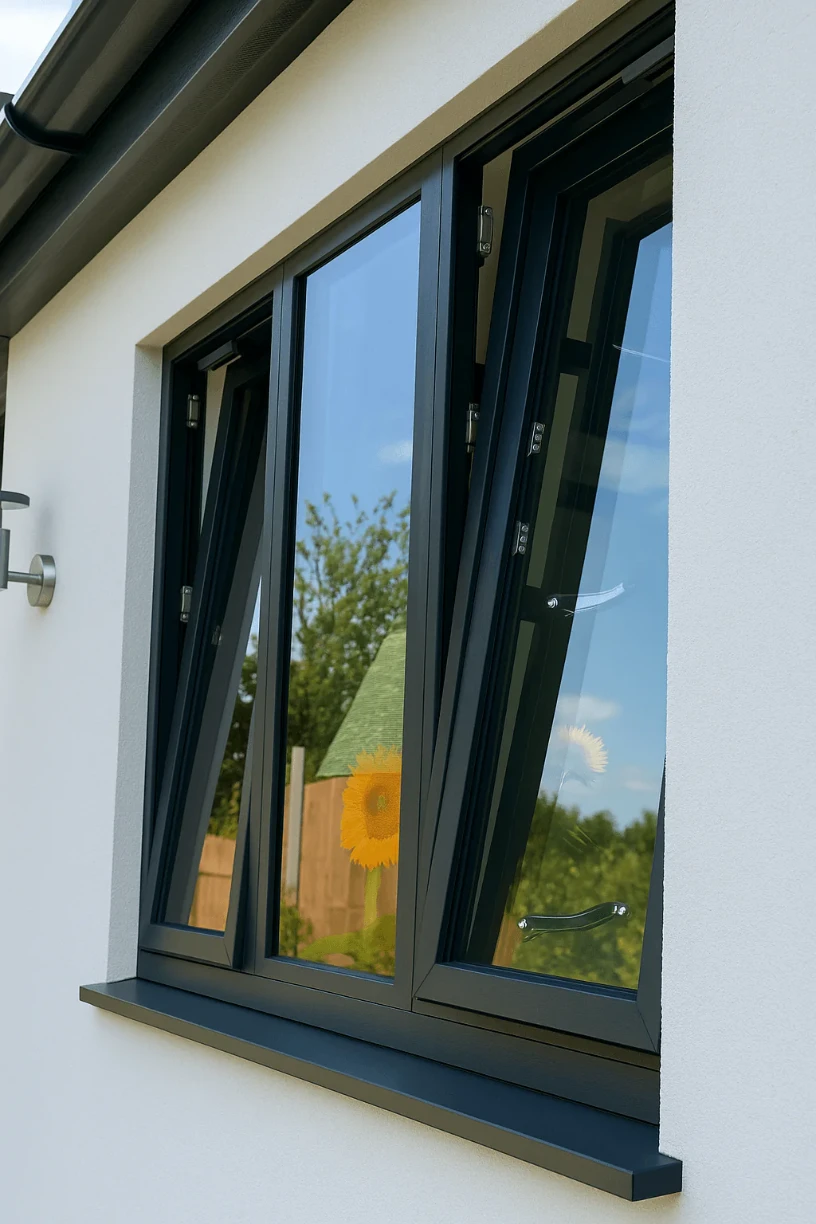
- Tilt-and-turn operation (vent + full opening options)
- High-performance insulated frames
These features are designed to reduce air leakage and heat transfer significantly compared to typical double-pane U.S. windows. In fact, European systems often achieve much lower U-values (better insulation performance) than standard American options.
Performance in Different U.S. Climates
1. Cold Climates (Northeast, Midwest, Mountain States)
This is where European windows shine the most.
Because they are extremely airtight and often triple-glazed, they:
- Reduce heat loss in winter
- Eliminate drafts
- Improve indoor comfort near windows
- Lower heating bills significantly
In cold regions, the energy savings alone can help justify the higher upfront cost over time.
2. Hot & Humid Climates (South, Gulf Coast)
Performance here depends on configuration.
European windows can be highly effective when specified with:
- Low solar heat gain coatings
- Proper ventilation strategy
- High-performance glazing packages
They help keep hot air out and conditioned air in, reducing AC load. However, in extremely humid climates, installation quality becomes critical to avoid condensation issues.
3. Mixed Climates (Most of the U.S.)
In places with hot summers and cold winters, European windows offer balanced benefits:
- Stable indoor temperatures year-round
- Reduced HVAC cycling
- Better sound insulation (useful in cities)
According to energy guidance, windows can account for 25%–30% of residential heating and cooling loss, making high-performance upgrades meaningful in mixed climates.
4. Coastal / Hurricane Zones
Certain European systems can be specified with impact-rated glass and reinforced frames.
Pros:
- Strong wind resistance
- Good airtight sealing
- High durability
Cons:
- Must be properly certified for U.S. codes (important step many overlook)
Key Advantages of European Windows
1. Energy Efficiency
Triple glazing + airtight seals dramatically reduce heat transfer, improving HVAC efficiency year-round.
2. Comfort & Noise Reduction
The airtight design blocks drafts and significantly reduces outside noise—useful for urban areas or busy roads.
3. Tilt-and-Turn Functionality
These windows can:
- Tilt inward for safe ventilation
- Fully open inward for cleaning and airflow
This is especially useful in multi-story homes.
4. Long-Term Durability
European systems are typically built for longevity, with robust hardware and multi-point locking systems.
Potential Downsides (Important to Consider)
1. Higher Upfront Cost
They can cost significantly more than standard U.S. windows, especially once shipping, import, and installation are included.
2. Installation Complexity
Poor installation can eliminate performance benefits. Airtight systems demand precise fitting.
3. Compatibility with U.S. Home Design
- Inward opening may affect blinds, furniture placement, or interior layout
- Not all contractors are familiar with installation
4. Replacement & Parts Availability
Depending on the manufacturer, replacement hardware or glass can take longer to source.
So—Are They Worth It?
Yes, but not for every situation.
European windows are worth it if you prioritize:
- Long-term energy savings
- High comfort and airtight performance
- Modern architectural design
- Noise reduction
They are less compelling if your priority is:
- Lowest upfront cost
- Simple replacement windows
- Standard suburban renovation without efficiency goals
Bottom Line
For energy-conscious homeowners, high-performance builds, and modern architecture, European windows in usa applications can be an excellent investment, especially in colder or mixed climates where heating and cooling efficiency matters most.
Frequently Asked Questions (FAQs)
Yes. Most European windows use triple-pane glass, insulated frames, and airtight sealing systems that reduce heat transfer far better than many standard double-pane American windows.
They can perform very well in hot climates when paired with low solar heat gain coatings and proper glazing configurations to minimize indoor heat buildup.
The higher cost comes from advanced engineering, triple glazing, premium hardware, specialized manufacturing, and often imported materials and shipping.
A tilt-and-turn window can tilt inward slightly for ventilation or swing fully open inward for cleaning, airflow, and emergency exit access.
In many cold-climate regions, yes. Their airtight construction and insulation performance can lower heating costs and improve indoor comfort significantly.
Yes. Triple-pane glazing and tight sealing help reduce traffic, neighborhood, and urban noise much more effectively than many conventional windows.
Some systems are available with impact-rated glass and reinforced frames, but they must meet local U.S. building and hurricane code requirements.
Yes. Proper installation is critical because airtight systems require precise fitting and sealing to maintain their performance benefits.
Most do. Many European systems open inward rather than upward or outward, which can affect furniture placement, blinds, and interior layouts.
Homeowners focused on energy efficiency, long-term comfort, noise reduction, and modern architectural design usually see the greatest value from these systems.