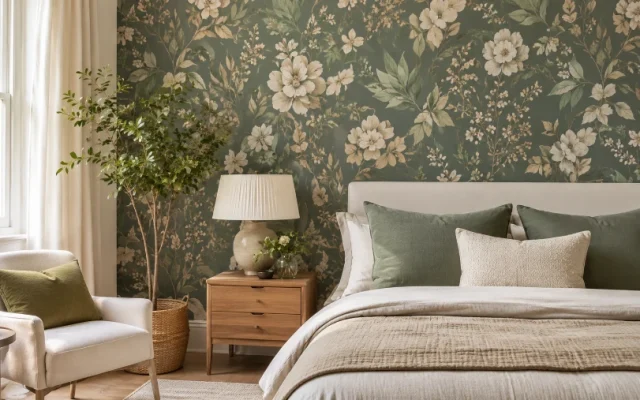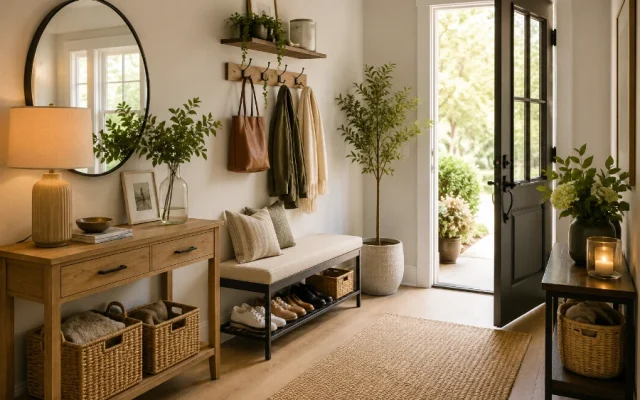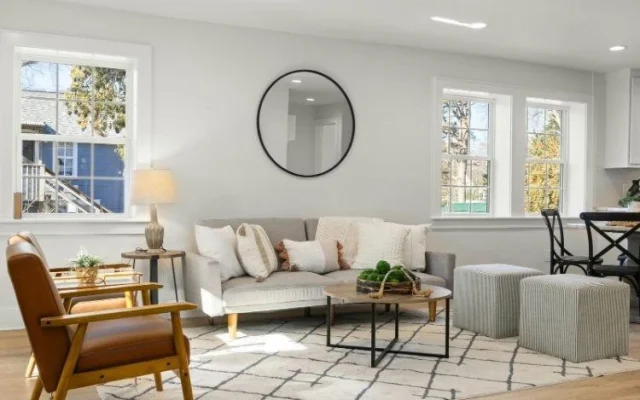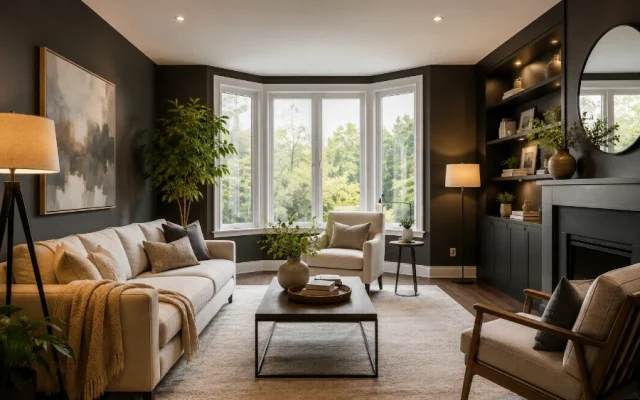

You don’t always need a full renovation to change how a room looks and feels. In fact, some of the most effective updates are also the simplest. Soft furnishings (curtains, cushions, throws, and rugs) can reshape a space without the cost or disruption of major design work.
Interior design has long recognised the importance of these finishing touches. As legendary designer Albert Hadley once said, “Rooms should not only look good, but they should feel good.” Soft furnishings sit right at the intersection of comfort and style, making them one of the most practical tools for transforming a home.
In this guide, we’ll explore how small, thoughtful updates can deliver noticeable results, helping you create a space that feels cohesive, inviting, and personal.
Why Soft Furnishings Matter More Than You Think
It’s easy to focus on big elements like furniture or wall colour, but soft furnishings are what bring a room together. They influence:
- Texture – adding depth and interest
- Colour balance – tying different elements into a cohesive scheme
- Light control – affecting mood and atmosphere
- Comfort – making spaces feel lived-in rather than staged
According to research published in the Journal of Interior Design, layered textures and textiles contribute significantly to how people perceive comfort and warmth in a space (Choi, 2016). In other words, a room without soft furnishings can feel incomplete, even if everything else is in place.
Curtains: The Fastest Way to Change a Room’s Mood
Curtains are often one of the largest visual features in a room, which makes them incredibly impactful. Changing them can instantly shift the tone: from formal to relaxed, dark to airy, or outdated to modern.
Neutral tones, particularly grey, have become a go-to choice for contemporary interiors. They offer flexibility, pairing well with both bold accents and minimalist palettes.
For example, choosing high-quality, ready-made options from Terrys Fabrics can provide an easy way to introduce this versatility without committing to a full redesign.
Beyond aesthetics, curtains also:
- Soften harsh light
- Improve insulation
- Enhance privacy
As interior stylist Emily Henderson notes, “Window treatments are the finishing touch that can make or break a room.” The right choice defines the space.
Cushions and Throws: Small Details, Big Personality
Cushions and throws are often underestimated, but they’re among the most flexible design tools available.
They allow you to:
- Experiment with colour without long-term commitment
- Introduce seasonal updates
- Add layers that make a room feel more inviting
A neutral sofa can feel completely different with the addition of textured cushions or a bold throw. Switching these elements throughout the year is also a simple way to keep your space feeling fresh.
Design expert Nate Berkus puts it simply: “Your home should tell the story of who you are, and be a collection of what you love.” Soft furnishings make that storytelling easy, as they can be updated as your tastes evolve.
Rugs: Defining Space Without Walls
Rugs define how a room functions.
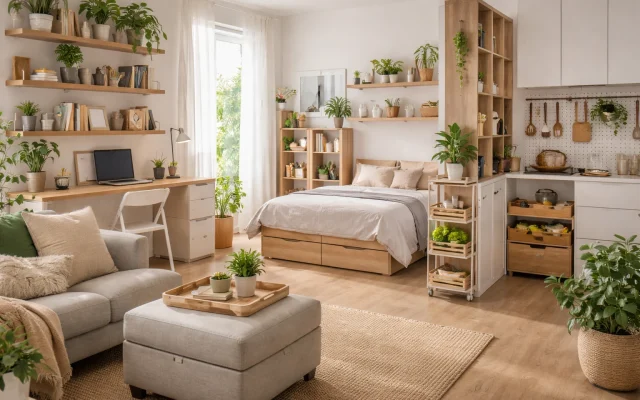
In open-plan spaces, a rug can:
- Anchor a seating area
- Create visual boundaries
- Add warmth underfoot
Even in smaller rooms, a well-chosen rug introduces texture and softness that hard surfaces alone can’t provide.
Research from the University of Minnesota’s Housing Studies suggests that defined zones within a space improve both usability and comfort, particularly in shared living areas (Lawrence, 2018). Rugs play a key role in achieving this without structural changes.
Texture: The Secret to Depth and Interest
One of the most common issues in home design is a space that feels flat. This often happens when everything matches too closely: similar fabrics, finishes, and tones.
Introducing varied textures through soft furnishings can solve this instantly. Think:
- Linen curtains paired with velvet cushions
- Wool throws layered over cotton upholstery
- Woven rugs combined with smooth flooring
This contrast creates visual interest without overwhelming the space.
As designer Kelly Wearstler explains, “Texture is what makes a room feel rich and layered, even when the colour palette is simple.”
Colour Coordination Without Overthinking It
Soft furnishings are one of the easiest ways to refine your colour scheme.
A simple approach:
- Choose a base neutral (such as grey, beige, or white)
- Add two or three complementary accent colours
- Repeat those accents across cushions, throws, and accessories
This creates cohesion without making the room feel overly styled.
Importantly, you don’t need to match everything perfectly. Slight variations in tone often feel more natural and relaxed, which suits modern interiors far better than rigid coordination.
Light and Atmosphere: Subtle but Powerful
Lighting and soft furnishings influence how light behaves in a room.
- Sheer curtains diffuse natural light for a softer glow
- Heavier fabrics create a cosy, enclosed feel
- Layered textiles reduce echo and improve acoustics
These small adjustments can make a room feel calmer and more comfortable without any electrical changes.
Environmental psychology research shows that softer lighting conditions are linked to increased relaxation and well-being (Küller et al., 2006), reinforcing the importance of these subtle design choices.
Seasonal Updates Without the Cost
One of the biggest advantages of soft furnishings is how easy they are to change.
Instead of redecorating, you can:
- Swap lighter fabrics in spring and summer
- Introduce heavier textures in autumn and winter
- Rotate colours to reflect seasonal trends
This keeps your home feeling current without the expense of replacing furniture or repainting walls.
It’s a practical approach that aligns with more sustainable living: updating what you already have rather than starting from scratch.
Balancing Style and Comfort
A well-designed room is comfortable to live in. Soft furnishings are key to achieving that balance.
They:
- Soften hard edges
- Add warmth
- Make spaces feel more welcoming
As architect and designer Ilse Crawford has said, “Design is not just what it looks like and feels like. Design is how it makes you feel.” Soft furnishings directly influence that emotional response.
Helpful Finds to Finish the Look
A few well-chosen pieces pull a room together. These work in nearly any apartment:
- Textured Throw Pillow Covers – the fastest sofa refresh.
- Arched Floor Mirror – makes a small room feel bigger.
- Linen Curtains – softens light and hides vertical blinds.
- Arc Floor Lamp – overhead-style light without wiring.
Rise Apartments is a participant in the Amazon Services LLC Associates Program. As an Amazon Associate we earn from qualifying purchases made through the links above, at no extra cost to you.
Conclusion
Transforming a room doesn’t have to involve major changes. Curtains, cushions, rugs, and textured layers work together to shape how a space looks, feels, and functions. They allow for flexibility, creativity, and personal expression, all without the need for a full redesign.
By focusing on these elements, you can create a home that feels thoughtfully put together and genuinely comfortable. Sometimes, it really is the smallest changes that make the biggest difference.
Frequently Asked Questions (FAQs)
Soft furnishings include items like curtains, cushions, rugs, and throws that add comfort, texture, and style to a room.
They help tie design elements together, improve comfort, and influence lighting, mood, and overall atmosphere.
Curtains can alter light levels, add softness, and instantly shift a room’s style from formal to relaxed or modern.
Yes, they add personality, color, and texture, making a space feel more inviting without major changes.
Rugs define spaces, add warmth, and create visual boundaries, especially in open-plan areas.
Mixing textures adds depth and prevents a space from feeling flat or overly uniform.
Start with a neutral base and add a few complementary accent colors repeated across textiles and decor.
They can diffuse natural light, create cozy environments, and even improve acoustics.
Yes, swapping fabrics and colors seasonally is an easy and cost-effective way to refresh your space.
No, small updates with soft furnishings can significantly change how a room looks and feels.