
Open layouts are popular for a reason. They let natural light move through a home, make daily routines feel less boxed in, and give one space the flexibility to handle cooking, relaxing, hosting, and working. The challenge is that an open room can start to feel plain when there’s nothing giving it shape.
A warm open layout needs more than furniture arranged into separate zones. It needs rhythm, texture, and enough structure to make the space feel grounded without feeling crowded. Timber frame design offers a helpful way to think about that balance. With visible wood, strong lines, and architectural character, an open space can feel comfortable, intentional, and warm.
Why Open Layouts Can Feel Cold
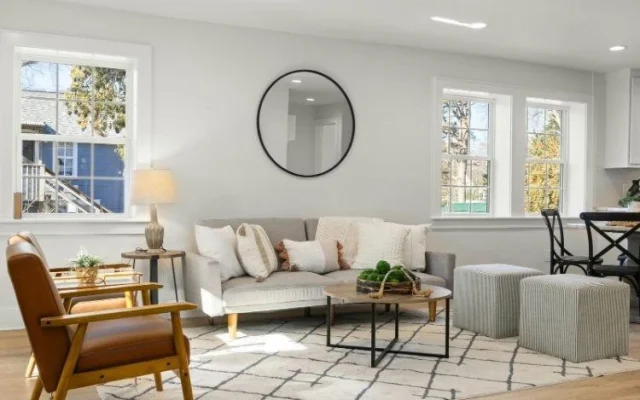
Open layouts can look beautiful in photos, but they can be harder to live in when the space lacks definition. Without walls, trim, built-ins, or changes in ceiling height, one area can blur into the next until the room feels more like a showroom than a home.
This usually happens when there are too many flat surfaces and not enough visual anchors. White walls, smooth floors, sleek cabinets, and simple furniture can make a room feel clean, but they can also leave it feeling unfinished. Sound may carry across the space. Lighting can feel uneven. Furniture groups can look like they’re floating instead of belonging.
Warmth comes from details that help the eye settle. A defined dining area, a textured rug, wood tones, layered lighting, and a few strong architectural lines can make an open layout feel calmer and more personal. The goal is not to fill every corner. It’s to give the space enough shape so it feels welcoming rather than empty.
What Timber Frame Design Gets Right About Warmth
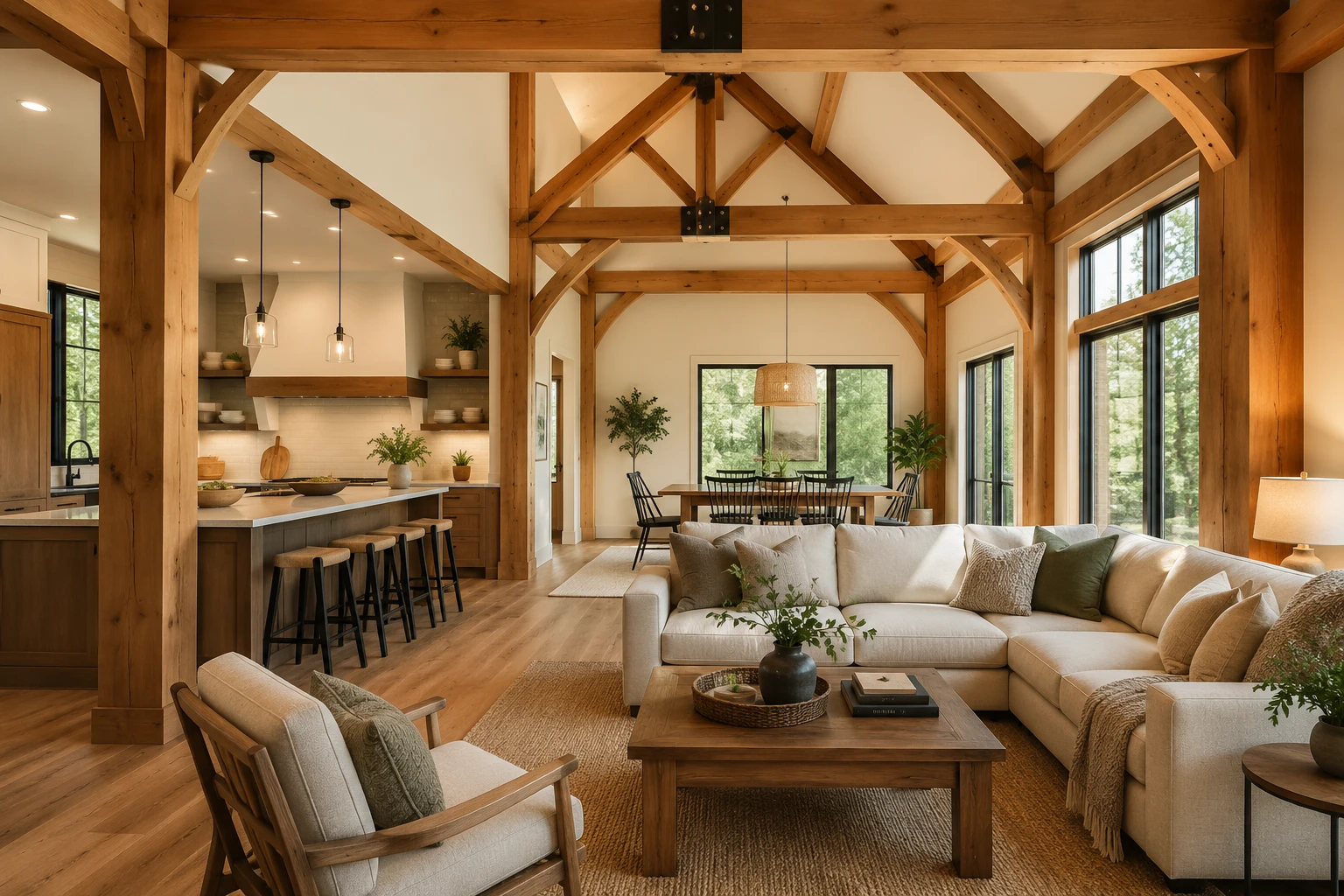
Timber frame design brings warmth into a home by making the structure part of the living experience. Instead of hiding support behind flat walls and finished ceilings, it lets posts, beams, trusses, and rooflines visually shape the room. That matters in an open layout, where fewer walls can sometimes leave a space feeling undefined.
The effect comes from both form and material. Strong timber lines guide the eye across the room, while natural wood grain adds softness that painted drywall, metal, or glass often can’t provide on their own. A beam overhead can make a seating area feel more settled. A visible post can create a subtle boundary between a kitchen and a living room. A vaulted ceiling with exposed timber can make a large space feel impressive without making it feel empty.
This is where real timber frame work offers useful design insight. Projects by Tuscarora Timber Frame show how exposed wood structure can create warmth, rhythm, and definition while preserving the openness that makes modern layouts so appealing. For apartment dwellers and homeowners, the lesson is practical: not every space needs heavy beams; visible structure, natural texture, and thoughtful proportions can make an open room feel more complete.
Defining Space Without Adding Walls
Open layouts work best when each area has a clear role. The living room, dining area, kitchen, and workspace can share the same footprint, but they still need visual cues that show where one function ends and another begins.
Timber frame design offers a helpful lesson here because it uses structure to create definition without relying on full walls. A beam line can suggest the edge of a seating area. A post can mark the transition between a kitchen and dining space. A change in ceiling detail can make one part of the room feel more intimate while maintaining open sightlines.
The same idea can work in everyday interiors. A large rug can ground a conversation area. Pendant lights can define a dining table. Open shelving can separate zones while allowing light to move through the space. Even furniture placement can create structure when sofas, chairs, and tables are arranged with intention.
The point is to make an open layout feel organized rather than divided. When each zone has a visual anchor, the room feels easier to use and more comfortable to spend time in.
Why Natural Materials Make Open Rooms Feel Softer
Open rooms need texture to feel comfortable. When a space has wide sightlines, smooth floors, and large blank surfaces, the materials carry more weight. A few natural finishes can quickly change the mood by introducing variation, depth, and a sense of ease.
Wood is one of the strongest choices because it works across styles. Light oak can make a room feel airy and calm. Walnut adds richness. Reclaimed or hand-finished wood can bring in character without making the space feel cluttered. Stone, linen, wool, leather, rattan, and clay can support the same effect by breaking up flat surfaces and making the room feel more layered.
Designers often use wood in interior projects because it can connect a space to nature while still feeling refined. In an open layout, that connection matters. Natural materials soften the edges of modern design, so the room feels lived-in rather than overly polished.
Using Light to Bring Out Warmth and Texture
Lighting has a major effect on how open layouts feel. A single overhead fixture can leave parts of the room looking flat while other areas feel harsh or shadowed. In a wide, connected space, light needs to work in layers so each zone feels comfortable on its own.
Warm bulbs, floor lamps, table lamps, pendants, and wall sconces can all help soften the room. A pendant over the dining table gives that area a clear center. A floor lamp near the sofa makes the seating area feel more relaxed. Under-cabinet lighting can make the kitchen feel finished without washing the entire room in brightness.
Light also brings out the character of natural materials. Wood grain, woven textures, stone surfaces, and soft fabrics all feel richer when the lighting is warm and balanced. The right lighting plan helps an open layout feel less like one large room and more like a series of connected, comfortable spaces.
Renter-Friendly Ways to Borrow the Look
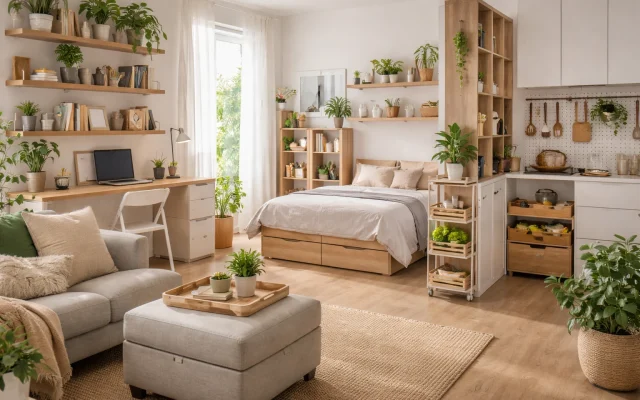
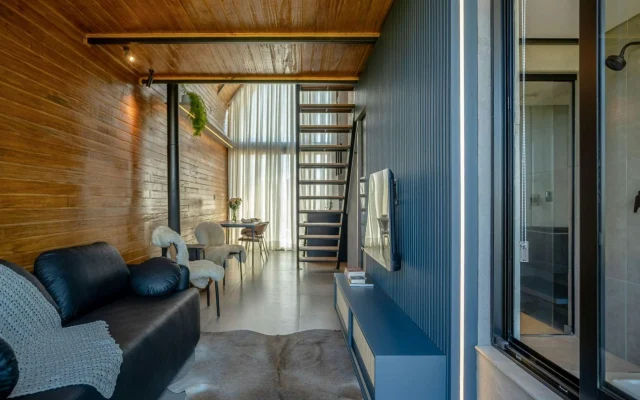
You don’t need exposed beams or a custom build to bring timber-frame warmth into an apartment. The same design ideas can work through pieces that add natural texture, stronger lines, and a clear focal point while leaving the space unchanged.
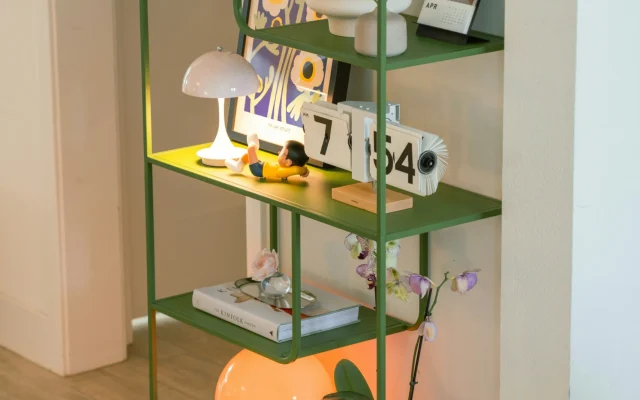
Start with wood-toned furniture that has a strong shape. A dining table with substantial legs, an open-frame coffee table, or a console against a blank wall can give the room more presence. Floating shelves can echo the horizontal feel of beams, while a tall bookcase or ladder shelf can add vertical structure where the room feels flat.
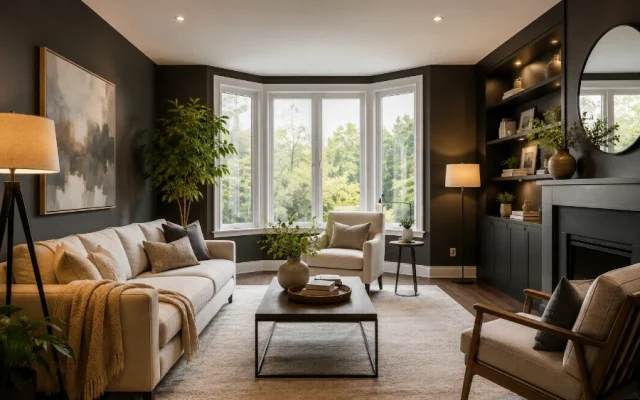
Textiles help soften the look and make it more livable. A large rug can define the seating area, linen curtains can make the room feel taller, and woven baskets or natural-fiber shades can bring warmth to plain corners. Warm table lamps, ceramic pieces, and textured throw pillows can finish the space while keeping the look light and balanced.
These updates work well with other renter-friendly decor ideas because they add character without requiring renovations, permanent fixtures, or major layout changes. The result is an open space that feels more grounded while still staying flexible.
Keeping Timber-Inspired Design Modern
Timber-inspired design feels fresh when it’s balanced with clean shapes and lighter finishes. The goal is to bring in warmth while keeping the room from feeling heavy, dark, or overly rustic.
Start by choosing wood tones with intention. One or two finishes are usually enough for an open layout. Light oak, white ash, and medium walnut can add depth while still feeling polished. If the space already has dark floors or cabinets, lighter textiles and simple furniture can help the room feel less weighed down.
Contrast matters as well. Wood feels more modern when it’s paired with smooth walls, simple upholstery, matte black accents, warm metal finishes, or stone surfaces. A streamlined sofa can sit comfortably beside a chunky wood table when the rest of the room stays uncluttered.
The best timber-inspired spaces feel warm, not themed. They borrow the strength and texture of wood structure, then balance it with restraint, light, and enough negative space for the room to breathe.
Conclusion
Open layouts feel their best when they have enough warmth and definition to support the way people actually live. Space alone doesn’t make a room inviting. The details do: natural texture, balanced lighting, clear zones, and visual anchors that give the eye somewhere to land.
Timber frame design offers a helpful reminder that structure can make a home feel more comfortable without closing it off. When wood, light, and proportion work together, an open layout can feel spacious, grounded, and welcoming.
Frequently Asked Questions (FAQs)
Open layouts can feel cold when there are too many flat surfaces and not enough texture, structure, or visual anchors to define each area.
Timber frame design adds exposed wood, strong architectural lines, and natural texture that help open spaces feel more grounded and inviting.
Yes. Even small apartments can use wood furniture, layered lighting, rugs, and shelving to create warmth without major renovations.
No. Exposed beams and timber accents can also complement modern, minimalist, and contemporary interiors when balanced with clean finishes.
Natural materials like wood, linen, wool, leather, stone, and rattan can make large open rooms feel more comfortable and layered.
Rugs, pendant lighting, furniture placement, shelving, and ceiling details can visually separate spaces while keeping the layout open.
Layered lighting works best because it creates warmth and helps each zone feel functional and comfortable instead of overly bright or flat.
Absolutely. Renters can use wood-toned furniture, floating shelves, woven textures, and warm lighting to borrow the look without permanent changes.
Lighter woods create an airy and calm atmosphere, while darker woods add richness and depth to the space.
Balancing wood with clean lines, lighter fabrics, simple furniture, and uncluttered spaces helps the design stay modern and fresh.