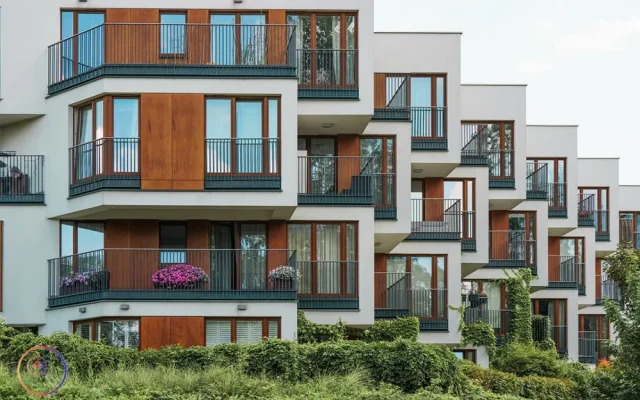

Attracting renters is only half the challenge for apartment owners and property managers. The real opportunity lies in encouraging residents to stay for several years instead of moving out after their first lease. Understanding the top amenities that attract long-term tenants in apartment buildings can help property owners improve resident satisfaction, reduce turnover expenses, and maintain more consistent rental income.
Today’s renters want more than attractive interiors and impressive community spaces. They value convenience, comfort, security, and features that make everyday life easier. While luxury swimming pools and elaborate clubhouses can generate interest during property tours, practical amenities often have a more meaningful influence on whether residents choose to renew their leases.
For investors evaluating an apartment building for lease, understanding which amenities contribute to resident retention is particularly important. The right features can support a property’s long-term performance, while poorly planned upgrades may increase operating expenses without delivering meaningful benefits.
The following guide explores the apartment amenities that can encourage longer tenancies, explains how different renter groups prioritize features, and outlines strategies for maximizing the value of amenity investments.
Why Apartment Amenities Matter for Long-Term Tenant Retention
Apartment amenities are often discussed as marketing tools. However, their influence extends beyond attracting prospective renters.
A well-planned amenity package can make residents more comfortable, simplify routine activities, and create a stronger sense of connection to their community.
When residents find that their apartment consistently meets their needs, relocating may become less appealing.
The Financial Impact of Tenant Turnover
Every tenant departure creates potential expenses for an apartment owner. Depending on the property’s condition, location, and rental market, those expenses can include:
- Cleaning, repainting, and preparing the vacant unit.
- Advertising the apartment to prospective tenants.
- Screening applicants and processing lease paperwork.
- Repairing damage beyond normal wear and tear.
- Lost rental income during vacancy periods.
- Leasing incentives or concessions needed to attract new residents.
- Administrative costs associated with coordinating move-outs and move-ins.
Even a relatively short vacancy can affect a property’s annual income.
For example, consider an apartment renting for $1,800 per month. If the unit remains vacant for 30 days between residents, the property loses approximately $1,800 in potential rental revenue before considering turnover-related maintenance and marketing expenses.
Preventing unnecessary move-outs can therefore have measurable financial benefits.
However, amenities are only one part of the retention equation. Rental affordability, responsive management, property maintenance, and neighborhood convenience also influence renewal decisions.
The most successful properties combine useful amenities with reliable everyday operations.
1. Comfortable Living Spaces and Reliable Climate Control
The apartment itself remains one of the most important factors in long-term resident satisfaction.
Community amenities may create an appealing first impression, but residents spend most of their time inside their homes.
Comfortable temperatures, practical layouts, and dependable appliances can make a substantial difference in daily living.
Climate Control and Energy Efficiency
Reliable heating and air conditioning are essential in many rental markets, particularly those experiencing extreme seasonal temperatures.
Residents generally appreciate apartments with:
- Efficient heating and cooling systems.
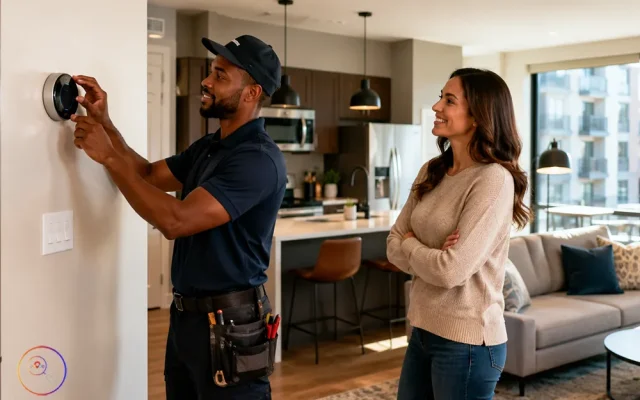
- Programmable or smart thermostats.
- Good insulation and properly sealed windows.
- Consistent airflow throughout the unit.
- Ceiling fans where appropriate.
- Prompt HVAC maintenance and repairs.
Energy-efficient systems may also help residents manage utility expenses, although actual savings depend on equipment performance, usage patterns, and local energy costs.
Property owners should prioritize maintaining existing HVAC systems before investing in optional luxury amenities.
A beautiful community lounge will do little to offset frustration caused by an air conditioner that frequently breaks down.
Practical Apartment Layouts
Long-term renters also need spaces that accommodate changing routines.
Features such as spacious closets, functional kitchens, adequate electrical outlets, and flexible living areas can help residents remain comfortable without needing to move into another apartment.
For example, a renter who begins working remotely may appreciate a layout that allows a small home office.
Similarly, a growing household may place greater value on additional storage than on decorative community features.
The takeaway: Apartment amenities begin inside the individual unit. Reliable comfort and functionality should be the foundation of any resident retention strategy.
2. In-Unit Laundry and Convenient Laundry Facilities
Laundry convenience is one of the most practical amenities apartment buildings can offer.
Residents wash clothing regularly, making laundry access a recurring part of their everyday experience.
An apartment with an in-unit washer and dryer eliminates the need to transport clothing to another building or laundromat.
Benefits of In-Unit Laundry
In-unit laundry can provide several advantages:
- Greater flexibility when scheduling household chores.
- Less time spent traveling to shared laundry areas.
- Improved convenience for families and busy professionals.
- More privacy compared with communal facilities.
- Easier access for residents with mobility limitations.
However, installing washers and dryers in older apartment buildings may require significant plumbing, electrical, and ventilation improvements.
Where in-unit laundry is impractical, owners can still improve the experience through well-maintained shared facilities.
Improving Shared Laundry Rooms
Modern communal laundry areas should offer adequate machine availability, cleanliness, lighting, and convenient payment options.
Digital payment systems, machine availability notifications, and clear maintenance reporting procedures can make shared laundry more attractive.
Providing folding counters, seating, and suitable ventilation may further improve usability.
The goal is not necessarily to install expensive equipment everywhere. It is to make an unavoidable household task as convenient and predictable as possible.
3. Reliable High-Speed Internet and Connectivity
Internet access has become essential for work, entertainment, education, and communication.
For remote professionals, students, and residents who frequently stream content or participate in video meetings, unreliable connectivity can become a major source of frustration.
Apartment buildings that support dependable internet service may appeal to a broad range of renters.
Internet Features Residents Appreciate
Useful connectivity improvements include:
- Access to high-speed broadband providers.
- Fiber internet where available.
- Reliable wiring and network infrastructure.
- Clear information about service providers and installation options.
- Wi-Fi coverage in appropriate shared areas.
- Convenient connectivity arrangements for new residents.
Some properties provide internet packages through building-wide agreements, while others allow tenants to choose their own providers.
Both approaches can work, provided that pricing, service limitations, and resident responsibilities are clearly communicated.
Why Move-In Readiness Matters
Internet-related frustration can begin before residents fully unpack.
A resident who works from home may need a reliable connection immediately after moving in.
Providing clear instructions about available providers, activation requirements, and installation scheduling helps prevent unnecessary delays.
Property managers should also avoid advertising internet speeds that cannot consistently be delivered.
Reliable service builds trust. Misleading promises create dissatisfaction.
4. Secure Parking and Well-Maintained Common Areas
Parking availability can significantly influence apartment satisfaction, particularly in suburban communities and cities where residents depend on personal vehicles.
However, parking convenience involves more than simply providing enough spaces.
Residents also value accessibility, lighting, and consistent enforcement of parking rules.
Parking Amenities That Add Practical Value
Depending on the building and local market, beneficial features may include:
- Assigned or reserved parking spaces.
- Covered parking or garages.
- Adequate lighting in parking areas.
- Convenient visitor parking arrangements.
- Clearly marked accessible parking.
- Well-maintained pavement and walkways.
- Transparent policies for towing and unauthorized parking.
Parking rules should be explained before lease signing whenever possible.
Unexpected parking restrictions, unclear permit requirements, and inconsistent enforcement can quickly damage resident satisfaction.
Security Beyond Parking Areas
Residents also appreciate buildings with well-maintained entrances, appropriate access controls, and functioning exterior lighting.
Potential improvements include controlled entry systems, properly secured common-area doors, and clear procedures for reporting broken locks or lighting problems.
Importantly, no security system can guarantee complete protection against crime.
Property managers should focus on reasonable risk reduction, proper maintenance, and accurate communication rather than making unrealistic safety promises.
5. Secure Package Delivery and Storage Solutions
Online shopping has made package delivery management a routine operational responsibility for apartment communities.
Residents may receive deliveries while they are at work, traveling, or otherwise unavailable.
Without an organized system, packages can accumulate in building entrances, management offices, or unsecured common areas.
This creates inconvenience for residents and additional work for property staff.
Popular Package Management Options
Apartment buildings can consider several solutions.
| Package amenity | Main advantage | Best suited for |
|---|---|---|
| Smart package lockers | Convenient, controlled pickup | Medium and large communities |
| Secure package rooms | Centralized delivery storage | Buildings with substantial delivery volume |
| Staff-assisted package management | Personalized handling | Properties with sufficient onsite staffing |
| Designated delivery areas | Improves organization | Smaller buildings with limited space |
| Delivery notifications | Keeps residents informed | Communities of different sizes |
Smart lockers and controlled-access package rooms can be especially useful when residents have different work schedules.
However, these systems require adequate capacity and reliable maintenance.
A package locker system that frequently fills up or malfunctions may create more frustration than a simpler, well-managed delivery process.
Property owners should evaluate package volume, available space, implementation costs, and resident preferences before investing.
6. Pet-Friendly Amenities and Outdoor Spaces
Pet-friendly policies can expand an apartment building’s appeal to renters who own animals.
For many residents, pets are an important part of their household. Finding suitable housing can influence not only their initial rental decision but also their willingness to renew.
However, an effective pet-friendly community involves more than allowing animals inside apartments.
It requires thoughtful policies, appropriate facilities, and consideration for residents who do not own pets.
Amenities Pet Owners Appreciate
Popular pet-focused features include:
- Designated pet relief areas.
- Convenient pet waste disposal stations.
- Securely fenced dog parks where space permits.
- Pet washing stations.
- Accessible outdoor walking areas.
- Durable, easy-to-clean common-area flooring.
Not every apartment community needs a dedicated dog park.
In smaller properties, accessible walking routes and properly maintained waste stations may offer greater practical value.
Establish Clear and Fair Pet Policies
Pet rules should address waste disposal, noise, leash requirements, permitted animals, and applicable fees.
Policies must also comply with relevant housing laws, including requirements involving assistance animals.
Consistent enforcement is important.
Residents are more likely to appreciate pet-friendly living when property management balances the needs of pet owners with those of the broader community.
7. Fitness Centers and Wellness Amenities
Fitness facilities remain attractive to many apartment renters, particularly those who want convenient opportunities to exercise.
An onsite fitness center can reduce travel time and allow residents to incorporate exercise into their daily routines.
However, the size and complexity of the facility should reflect the needs of the community.
A modest but well-maintained gym may provide more value than a large fitness area filled with equipment residents rarely use.
Features of a Useful Apartment Fitness Center
Consider providing:
- Cardio equipment such as treadmills or stationary bicycles.
- Basic strength-training equipment.
- Adequate ventilation and temperature control.
- Safe flooring and sufficient lighting.
- Regular cleaning and equipment inspections.
- Convenient operating hours.
- Accessible equipment and facilities where required.
Some apartment communities may also benefit from yoga rooms, outdoor exercise areas, or multipurpose wellness spaces.
The most important consideration is actual resident usage.
Before expanding a fitness facility, managers should review existing utilization and ask residents which improvements they would use.
An expensive renovation does not automatically translate into higher renewal rates.
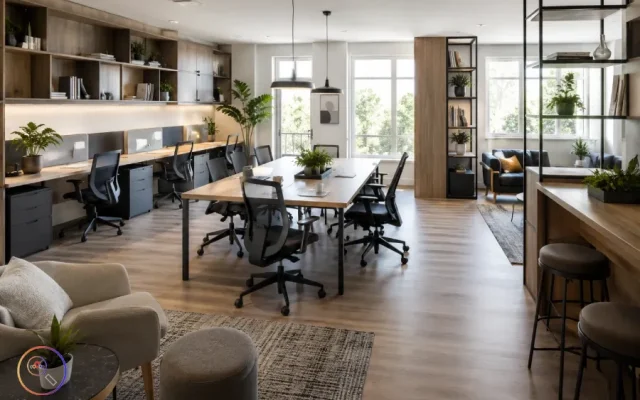
8. Coworking Spaces and Quiet Work Areas
Remote and hybrid work arrangements have changed how some renters use their apartments.
Residents may need quiet places for video calls, focused projects, studying, or occasional meetings.
Although working from home is convenient, smaller apartments may not provide enough separation between work and personal activities.
Community coworking spaces can help address this challenge.
What Makes a Coworking Area Effective?
A productive shared workspace should offer:
- Reliable internet connectivity.
- Comfortable desks and chairs.
- Adequate electrical outlets.
- Proper lighting.
- Quiet surroundings.
- Convenient access hours.
- Private or semiprivate areas for calls when feasible.
Sound control is especially important.
A coworking room positioned beside a noisy recreation area may not provide the environment residents need.
Multipurpose Spaces Can Be More Cost-Effective
Smaller properties may not have enough space for a dedicated business center.
Instead, an existing clubhouse or community room could incorporate workstations during quieter periods.
Flexible furniture and thoughtful scheduling can allow one space to serve multiple purposes.
This approach helps maximize existing square footage without requiring extensive construction.
9. Outdoor Recreation and Community Gathering Spaces
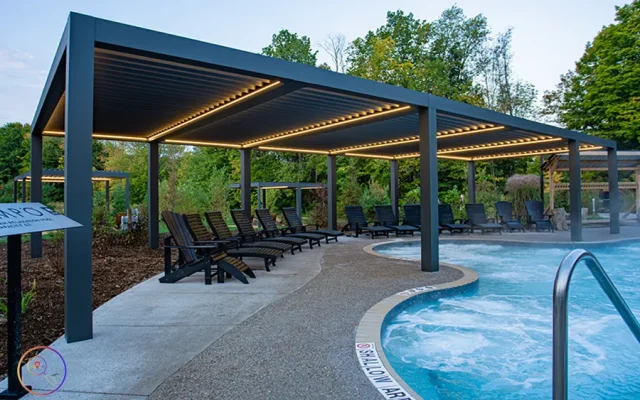
Outdoor amenities can improve residents’ quality of life by providing places to relax, socialize, and enjoy fresh air.
They may be particularly valuable in apartment communities where individual units have limited outdoor space.
Attractive outdoor features can also strengthen a property’s visual appeal.
Popular Outdoor Apartment Amenities
Depending on climate, space, and resident preferences, worthwhile options include:
- Landscaped courtyards.
- Shaded seating areas.
- Walking paths.
- Outdoor grilling stations.
- Picnic tables.
- Rooftop terraces.
- Community gardens.
- Playgrounds.
- Swimming pools.
However, outdoor amenities require ongoing maintenance.
Landscaping must be cared for, lighting must function properly, and recreational equipment should receive regular inspections.
Create Spaces Residents Actually Use
A beautifully landscaped courtyard offers limited value if it lacks comfortable seating or sufficient shade.
Likewise, an outdoor grilling area may become inconvenient when equipment is frequently unavailable or poorly maintained.
Thoughtful design should account for the local climate, accessibility, privacy, and how residents are likely to use the space.
Practical outdoor features often outperform elaborate installations that are difficult to maintain.
10. Smart Home Technology and Convenient Building Access
Smart home features are becoming increasingly familiar in rental housing.
Although demand varies by market, many residents appreciate technology that gives them greater control over their living environment.
The most useful smart amenities address everyday needs rather than simply introducing new gadgets.
Smart Features Worth Considering
| Smart technology | Potential resident benefit | Important consideration |
|---|---|---|
| Smart thermostats | Easier temperature scheduling and control | Compatibility with HVAC systems |
| Smart locks | Convenient access without traditional keys | Backup access and lock reliability |
| Video intercoms | Easier visitor communication | Privacy and system maintenance |
| Smart lighting | Convenient lighting control | Installation and replacement costs |
| Leak detection sensors | Early alerts about potential water problems | Monitoring and response procedures |
| Resident mobile apps | Simplified communication and service requests | Ease of use and data protection |
Technology should simplify apartment living, not make it more complicated.
For example, a smart lock that requires a poorly functioning app can become a serious inconvenience.
Similarly, residents should understand what information connected devices collect and who can access it.
Property managers must consider cybersecurity, privacy, maintenance obligations, and alternative access procedures before implementing smart systems.
Smart technology is most valuable when it remains reliable, intuitive, and easy to maintain.
11. Electric Vehicle Charging Stations
Electric vehicle charging is an increasingly relevant amenity in markets where EV ownership is growing.
For residents who drive electric vehicles, convenient charging access can influence their choice of apartment community.
A property without suitable charging options may be less attractive to these renters.
However, EV charging should not automatically be treated as a priority for every building.
Factors to Consider Before Installing EV Chargers
Property owners should evaluate:
- Current resident demand.
- Local EV adoption trends.
- Available electrical capacity.
- Installation and permitting requirements.
- Parking space allocation.
- Charging fees and electricity costs.
- Equipment maintenance.
- Future expansion possibilities.
Where demand is limited, preparing electrical infrastructure for future installations may be more practical than immediately installing numerous charging stations.
In EV-friendly markets, however, charging access could become an important competitive advantage.
Apartment owners can also review communities offering EV charging to understand how this feature is incorporated into residential properties.
12. Responsive Maintenance and Resident Services
Not every amenity involves physical equipment or shared facilities.
In practice, reliable property management can be one of the strongest reasons residents remain in an apartment building.
Residents notice how quickly maintenance concerns are addressed, whether management communicates clearly, and how effectively problems are resolved.
A property with attractive amenities may still struggle with retention if routine repairs are repeatedly delayed.
Resident Services That Improve Everyday Living
Useful services can include:
- Online maintenance request systems.
- Convenient rent payment options.
- Clear emergency maintenance procedures.
- Timely updates about repair progress.
- Digital lease documents.
- Proactive notices about planned maintenance.
- Consistent communication about building policies.
Property managers should also make it easy for residents to report concerns without feeling ignored.
A simple acknowledgment of a maintenance request, followed by realistic updates, can help establish trust.
Of course, communication must be supported by actual results.
Reliable management practices are not a substitute for essential repairs, but they significantly influence the overall resident experience.
Which Apartment Amenities Should Owners Prioritize?
The most valuable amenities depend on the property’s location, target market, building age, existing infrastructure, and available budget.
A luxury downtown apartment community may serve renters with very different expectations from those living in a suburban workforce housing property.
Therefore, owners should avoid applying the same upgrade strategy to every building.
Comparing Apartment Amenities by Practical Value
The following table provides a general framework for evaluating potential investments.
| Amenity | Daily convenience | Potential retention value | Typical investment level |
|---|---|---|---|
| Reliable HVAC | Very high | High | Low to high, depending on existing systems |
| In-unit laundry | High | High | Moderate to high |
| High-speed internet | Very high | High | Low to high |
| Secure parking | High | High in vehicle-dependent markets | Moderate to high |
| Package lockers | Moderate to high | Moderate to high | Moderate |
| Pet-friendly facilities | High for pet owners | Moderate to high | Low to moderate |
| Fitness center | Varies by resident | Moderate | Moderate to high |
| Coworking area | High for remote workers | Moderate | Moderate |
| Outdoor gathering areas | Moderate | Moderate | Low to high |
| Smart home features | Moderate to high | Varies | Moderate |
| EV charging | High for EV owners | High for a smaller resident segment | High |
These are qualitative planning estimates, not guaranteed financial returns. Actual costs and retention benefits vary considerably by property.
The table highlights an important principle: the most expensive amenity is not necessarily the most valuable.
A reliable HVAC system or convenient laundry arrangement may contribute more to resident satisfaction than a luxury amenity used only occasionally.
Matching Amenities to Different Types of Renters
Residents do not all share the same priorities.
Understanding who lives at a property can help management choose improvements that support real needs rather than assumptions.
Young Professionals
Young professionals may appreciate high-speed internet, fitness facilities, convenient package delivery, secure parking, and flexible workspaces.
Location and commuting convenience can also be important.
Families With Children
Families may prioritize spacious layouts, additional storage, reliable climate control, laundry convenience, and accessible recreational areas.
Practical features that simplify daily household routines can be particularly appealing.
Remote Workers
Remote workers may place greater emphasis on dependable connectivity, quiet surroundings, natural lighting, and coworking facilities.
A poorly functioning internet connection can have a direct effect on their ability to work comfortably.
Pet Owners
Pet owners may value reasonable pet policies, nearby walking areas, convenient waste stations, and pet-friendly outdoor facilities.
A suitable rental environment can reduce the difficulty of finding alternative housing when a lease expires.
Older Adults
Some older residents may prioritize elevators, accessible pathways, dependable maintenance, convenient parking, and manageable layouts.
Accessibility should be evaluated according to applicable legal requirements, rather than assumptions about residents’ ages.
How to Decide Which Amenities Are Worth the Investment
Adding amenities without understanding resident demand can lead to unnecessary spending.
Before renovating a clubhouse or installing new equipment, property owners should evaluate whether the proposed upgrade addresses a recurring concern.
Start With Resident Feedback
Resident surveys can provide valuable insights into what people appreciate and what they would change.
Useful questions include:
- Which existing amenities do you use most frequently?
- What part of apartment living causes the most inconvenience?
- Which additional features would improve your experience?
- Are any existing amenities difficult to access or use?
- What changes would make you more likely to renew your lease?
Surveys should be supported by maintenance records, leasing feedback, and actual usage information.
A feature that sounds appealing in a survey may not receive enough use to justify its operating cost.
Review Local Apartment Competition
Owners should also evaluate nearby apartment properties competing for similar residents.
Compare rental rates, unit sizes, parking availability, laundry facilities, internet access, pet policies, and community amenities.
The goal is not necessarily to match every competing feature.
Instead, identify gaps that matter to the property’s intended renter population.
Calculate Potential Financial Returns
Amenity decisions should account for installation expenses, ongoing maintenance, potential additional revenue, and possible retention benefits.
A simplified calculation can help illustrate the financial impact.
Suppose a 100-unit apartment building has an annual turnover rate of 45%, and the average direct and vacancy-related turnover cost is estimated at $2,500 per unit.
That represents approximately 45 move-outs and $112,500 in estimated annual turnover costs.
If better operations and amenities contribute to reducing turnover to 35%, the property would experience approximately 10 fewer move-outs.
At the same assumed cost per turnover, the resulting savings would be approximately $25,000 annually.
This is an illustrative scenario, not a prediction. The actual outcome depends on whether an improvement genuinely changes residents’ renewal decisions and what it costs to implement and operate.
Practical Ways to Improve Apartment Amenities on a Budget
Not every improvement requires a major renovation.
Some of the most effective upgrades involve improving existing amenities and correcting recurring problems.
Low-Cost Improvements
- Replace damaged or inadequate common-area lighting.
- Improve signage around parking and entrances.
- Keep laundry rooms consistently clean.
- Add practical seating in underused outdoor areas.
- Improve package delivery organization.
- Communicate maintenance schedules more clearly.
- Repair malfunctioning access systems promptly.
Moderate-Cost Improvements
- Modernize shared laundry equipment.
- Install better package storage solutions.
- Upgrade existing fitness equipment.
- Improve community Wi-Fi infrastructure.
- Add pet waste stations.
- Introduce convenient digital resident services.
Larger Capital Improvements
- Install in-unit laundry where feasible.
- Replace aging HVAC equipment.
- Renovate parking structures.
- Develop dedicated coworking areas.
- Install EV charging infrastructure.
- Upgrade major building access systems.
Essential repairs, code compliance, and accessibility obligations should always take priority over discretionary amenities.
The best improvement strategy balances affordability, resident needs, and long-term property performance.
Measuring Whether Amenities Actually Improve Retention
Once improvements are completed, property managers should monitor their results.
Without measurement, it can be difficult to distinguish genuinely useful upgrades from investments that merely improve appearances.
Key Metrics to Monitor
| Metric | What it helps evaluate |
|---|---|
| Lease renewal rate | Whether more residents are choosing to stay |
| Average resident tenure | How long renters remain at the property |
| Amenity usage | Whether residents actually use upgraded facilities |
| Resident satisfaction | How residents perceive building conditions and services |
| Maintenance response time | Whether service efficiency is improving |
| Amenity-related complaints | Whether specific sources of frustration are decreasing |
| Operating expenses | Whether maintenance and utility costs remain manageable |
When reviewing results, owners should account for external factors such as rent increases, changes in local vacancy rates, and broader rental market conditions.
A higher renewal rate following an amenity upgrade does not necessarily prove that the upgrade caused the improvement.
However, tracking several metrics together can provide a clearer picture of its value.
Common Mistakes Apartment Owners Should Avoid
Even well-intentioned amenity improvements can fail when planning and execution are inadequate.
Investing in Appearance Over Function
A stylish lounge may impress visitors, but it will not compensate for unreliable elevators, poor climate control, or recurring maintenance problems.
Residents experience the practical aspects of apartment living every day.
Neglecting Maintenance Costs
Pools, fitness centers, smart technology, and other amenities require ongoing funding.
Owners should calculate long-term maintenance and replacement costs before installation.
Ignoring Existing Residents
A building may invest heavily in features designed to attract new renters while overlooking problems repeatedly reported by current tenants.
This can undermine the very retention goals the improvements are intended to support.
Charging Unclear Amenity Fees
Mandatory fees, access restrictions, and usage charges should be communicated transparently.
Unexpected expenses can create frustration even when the underlying amenity is useful.
Offering Amenities That Are Frequently Unavailable
An amenity has limited practical value when it is routinely closed, overcrowded, broken, or difficult to access.
Reliable availability matters as much as initial installation.
Creating an Apartment Community Residents Want to Stay In
Successful apartment communities offer more than a collection of attractive features.
They provide a dependable living environment where residents can comfortably manage their everyday responsibilities.
A long-term tenant retention strategy should focus on three priorities.
First, maintain the essentials. Reliable heating and cooling, plumbing, internet infrastructure, access systems, and general property maintenance establish the foundation of resident satisfaction.
Second, improve daily convenience. Laundry facilities, package management, accessible parking, pet accommodations, and useful digital services can make apartment living easier.
Third, add amenities that reflect resident preferences. Coworking spaces, fitness facilities, smart technology, EV charging, and recreational areas may be valuable when demand justifies the investment.
Building lasting resident relationships also requires responsive communication, transparent policies, and consistent service.
Property owners who prioritize these fundamentals can create a more attractive rental environment without relying exclusively on expensive luxury upgrades.
Frequently Asked Questions About Apartment Amenities and Long-Term Tenants
1. What amenities attract long-term tenants the most?
Reliable air conditioning, convenient laundry facilities, high-speed internet, secure parking, and responsive maintenance are among the most practical features that can encourage residents to stay longer.
2. Are luxury amenities necessary to retain apartment tenants?
Not necessarily. Luxury features can help attract renters, but well-maintained essentials and everyday conveniences may have greater influence on renewal decisions.
3. Does in-unit laundry increase apartment desirability?
In-unit laundry can make apartments more appealing by saving residents time and simplifying household chores. Its financial value depends on local demand and installation costs.
4. How important is high-speed internet in apartment buildings?
Reliable internet is particularly important for remote workers, students, and residents who rely heavily on online services. Poor connectivity can negatively affect daily satisfaction.
5. Do pet-friendly apartments attract longer-term renters?
Pet-friendly policies may support retention among pet-owning households because finding suitable alternative housing can be challenging. Clear policies and proper maintenance are important.
6. Are apartment fitness centers worth the investment?
Fitness centers can provide value when residents use them regularly. Owners should evaluate demand, equipment maintenance, available space, and operating expenses before investing.
7. Should apartment buildings install EV charging stations?
EV charging can be worthwhile in markets with sufficient electric vehicle demand. Owners should first assess electrical capacity, installation costs, and expected utilization.
8. Can smart home technology improve tenant retention?
Smart locks, thermostats, and other connected devices can improve convenience and comfort. Their retention benefits depend on reliability, resident preferences, and proper support.
9. What are the most affordable apartment amenity improvements?
Better lighting, improved package organization, maintained common areas, clearer parking signage, and more efficient resident communication can enhance the living experience without major renovations.
10. How can apartment owners measure the success of new amenities?
Owners can monitor lease renewal rates, average resident tenure, amenity usage, satisfaction surveys, maintenance complaints, and operating expenses to assess whether improvements are providing meaningful benefits.
Final Thoughts
The top amenities that attract long-term tenants in apartment buildings are not always the most expensive or visually impressive. Often, they are the features that make everyday living more comfortable, convenient, and dependable.
Reliable climate control, laundry access, high-speed internet, secure package management, functional parking, and responsive maintenance create a strong foundation for resident satisfaction.
Additional features such as coworking areas, pet-friendly facilities, fitness centers, smart home technology, and EV charging can strengthen a property’s appeal when they align with actual resident needs.
For apartment owners and property managers, the most effective approach is to prioritize essential services, listen to residents, and invest in improvements that offer lasting practical value.
When apartment living remains comfortable and convenient year after year, residents have more reasons to renew their leases—and property owners have a better opportunity to reduce turnover and support stable rental income.