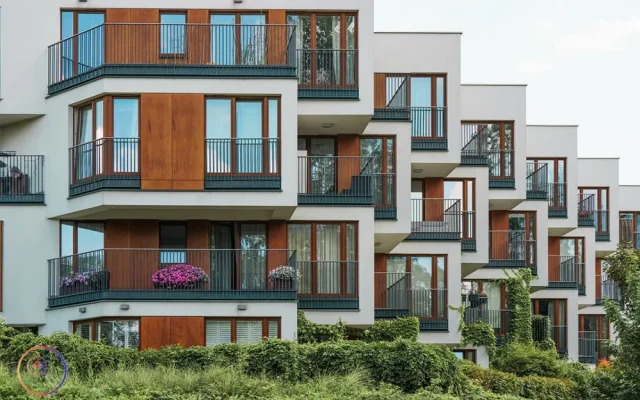


Walking into a brand-new apartment for the first time is a great feeling. The floors shine, the countertops are spotless, the appliances have never been used, and the whole place smells fresh. In fast-growing markets like Houston, Dallas–Fort Worth, Austin, and San Antonio, more renters are getting that experience as new communities open across the suburbs and urban cores alike.
But that “new apartment” feeling doesn’t happen by accident. It’s the result of months of planning, inspections, testing, and cleaning that most renters never see. Understanding what goes on behind the scenes helps you tour smarter, ask better questions, and protect yourself once you get the keys.
Below, we walk through what happens before a new Texas apartment building opens, how to compare new communities, and a practical checklist for a smooth move-in. If you’re already shopping, you can browse brand-new apartments in Houston or modern Houston apartments built in the 2020s as you read.
It Starts With the Budget, Years Before You Tour
The finishes you notice on a tour were decided long before the building broke ground. Quartz or laminate countertops? Luxury vinyl plank or carpet? Standard windows or energy-efficient glazing? A basic HVAC unit or a higher-efficiency system built for Texas summers? Each of those choices traces back to the project’s budget.
Ultimately, those finishes were influenced by the property development funding. Lenders typically release money in stages as the project hits construction milestones, so developers have to decide early where to spend on upgrades and where to stick with standard fixtures.
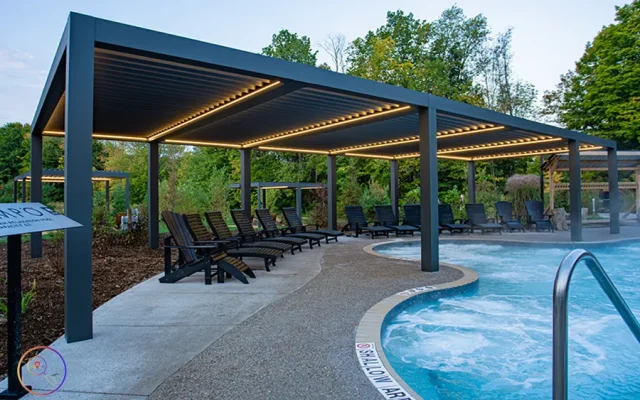
When budgets are tight, you may see simpler finishes or fewer amenities. When there’s more room in the budget, renters often benefit from extras like smart locks, keyless entry, upgraded soundproofing between units, package rooms, and resort-style pools.
Whether you’re touring a mid-rise in Houston, a high-rise in Uptown Dallas, or a garden-style community in Austin or Katy, those early budget decisions shape your day-to-day living experience. That’s also why two “new” buildings at similar rents can feel very different once you’re inside.
Inspections and the Punch List
Before anyone can live in a new building, it has to pass a series of inspections. Once the building meets local code requirements, the city issues a certificate of occupancy, which allows residents to move in. Large communities are often approved in phases, which is why some buildings open while others are still under construction.
Next comes the punch list. This is a detailed walk-through of every unit and shared area to flag anything unfinished or incorrect. Items can range from small cosmetic fixes, like scuffed paint or cabinet doors that don’t close properly, to missing outlet covers, loose fixtures, or slow drains.
Subcontractors are responsible for correcting each item. In a large Texas community with hundreds of units, working through the punch list can take several weeks.
Reputable developers schedule a second walk-through to confirm every item was actually fixed. That final check is often what separates a polished building from one where residents spend their first few months reporting small defects.
When Builders and Developers Disagree
Sometimes the builder and the developer disagree about who is responsible for a defect. The builder may argue that a problem came from the design specifications, while the developer may say the work didn’t meet the standards in the construction contract. Issues like leaking balconies or failed waterproofing can turn into serious disputes.
In major Texas rental markets, project teams frequently work with experienced construction lawyers and property managers to interpret building contracts, enforce warranty standards, and resolve defect claims before residents collect their keys.
The good news for renters is that most of this happens behind the scenes. On a well-run project, warranty claims and contractor obligations are worked out long before leases are signed, so you can focus on picking the right floor plan instead of chasing repairs.
Testing the Systems You Take for Granted
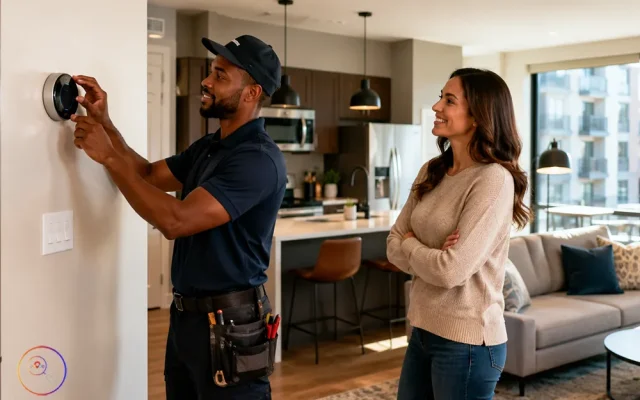
Installing modern building systems is only half the job. Every system also needs to be tested and fine-tuned, a process called commissioning. That covers everything from air conditioning and water heaters to fire alarms, elevators, gates, and keycard entry.
Here’s what typically gets checked before move-ins begin:
- Air conditioning: Systems are balanced so every room cools evenly, which matters a lot during long Texas summers.
- Humidity control: In Gulf Coast cities like Houston, proper airflow and drainage help prevent musty smells and condensation. (Learn more about how humid climates affect apartment comfort.)
- Plumbing: Water lines are flushed to clear out construction dust and debris.
- Life safety: Fire alarms, smoke detectors, sprinklers, and emergency lighting are tested and certified.
- Access and convenience: Elevators, parking gates, garage access, and key fob systems are programmed and tested.
When commissioning is rushed, new buildings tend to have more “teething” problems in the first few months, like rooms that won’t cool down or gates that don’t open reliably. A strong property management team catches these issues before residents move in. If you do notice cooling problems after move-in, this guide on whether an apartment cooling issue needs maintenance or professional repair can help.

The Final Clean Makes the First Impression
Construction is messy. Even after crews pack up, fine dust settles inside cabinets, window tracks, and air vents, and stickers, paint drips, and adhesive residue are left on surfaces and fixtures.
That’s why new buildings go through several rounds of specialized cleaning. A rough clean removes the bulk of the debris, a detailed clean covers every surface in each unit, and a final touch-up happens right before handover.
Across fast-growing Texas metros, project managers schedule multi-phase professional deep cleans—often hiring specialized providers of commercial cleaning to scrub fine drywall dust from window tracks, clean cabinetry, and polish brand-new appliances to a mirror shine.
The result is the spotless, fresh-smelling unit you walk into on day one. Shared spaces like hallways, lobbies, stairwells, mail rooms, and fitness centers get the same treatment, since they need to look their best for tours.
Getting the Community Ready
Before the first residents arrive, the leasing team has its own checklist:
- Model units are furnished and staged for tours.
- Resident portals go live for online rent payments, amenity reservations, and maintenance requests.
- Package lockers are set up and tested with delivery carriers.
- Move-in times are staggered across loading areas and service elevators to avoid hallway traffic jams on busy weekends.
- Parking assignments, garage access, and guest parking rules are finalized. (See how Houston apartment parking works if you’re comparing options.)
On-site maintenance staff also spend these weeks shadowing contractors to learn where the shut-off valves are, which filter sizes each unit uses, and how the control panels work. That way they can respond quickly to resident requests from opening day.
Lease-Up vs. Stabilized: Which New Building Is Right for You?
A brand-new community usually goes through a “lease-up” period while it fills its units. Lease-up communities in Texas often offer move-in specials to attract their first residents, but there are trade-offs to consider.
| Factor | Lease-Up Community (Newly Opened) | Stabilized New Community (Mostly Leased) |
|---|---|---|
| Move-in specials | Often the most aggressive concessions | Fewer or smaller specials |
| Unit selection | Wide choice of floor plans and views | More limited availability |
| Construction activity | Possible ongoing work in later phases | Construction typically complete |
| Amenities | Some may still be finishing | Generally fully open |
| Early defects | More likely in the first few months | Most early issues already resolved |
| Community feel | Quieter, fewer neighbors | More established resident community |
If you’re flexible on amenities and don’t mind some nearby construction, a lease-up community can be a great value. Rise Apartments tracks current apartment specials across Texas, so you can compare concessions without calling every leasing office yourself.
Questions to Ask When Touring a New Apartment
Knowing how much work goes into preparing a new building helps you ask sharper questions on your tour:
- Has my specific unit completed its final cleaning and inspection?
- Are any amenities, buildings, or parking areas still under construction? When will they open?
- How do I submit maintenance requests, and what’s the typical response time during lease-up?
- Is the general contractor still on-site to handle early defects?
- What move-in specials are available, and how do they affect my net effective rent?
- When is the deadline for turning in the Texas Apartment Association (TAA) Inventory and Condition form?
Your Move-In Checklist for a Brand-New Texas Apartment
Even the best-prepared building can have a few small issues. Use this checklist during your first days in the unit:
| What to Check | What to Look For | Why It Matters |
|---|---|---|
| AC and thermostat | Even cooling in every room, no warm air or loud noises | Catch problems before peak summer heat |
| Plumbing | Drips, slow drains, water pressure, hot water | Small leaks can lead to water damage |
| Windows and doors | Locks, seals, drafts, smooth operation | Affects security and energy bills |
| Appliances | Fridge temperature, dishwasher, oven, washer/dryer | Easier to fix under warranty early on |
| Walls, floors, cabinets | Scuffs, dents, gaps, loose hardware | Protects your security deposit |
| Smoke detectors and outlets | Working alarms, functioning outlets and switches | Safety and daily convenience |
Fill out your move-in Inventory and Condition form carefully and take dated photos of any existing imperfections right away. Note anything that doesn’t work properly and submit the form within the timeframe in your lease (often within 48 hours on standard TAA leases, but always confirm your specific deadline). During lease-up, contractors are usually still available to fix minor defects quickly.
Reporting small issues early, like a dripping faucet, a drafty vent, or an AC unit blowing warm air, gets them resolved before they turn into bigger problems during a Texas heat wave or a winter cold snap. For ongoing care, our appliance maintenance tips for apartments are a helpful next read.
How Rise Apartments Helps You Find the Right New Build
New construction is everywhere in Texas right now, which makes it harder to know which communities are truly move-in ready. As a free Texas apartment locator, Rise Apartments helps you compare new and recently built communities by:
- Location: From new apartments in Katy and new apartments in Cypress to inner-loop Houston, Dallas, Austin, and San Antonio.
- Specials: Current lease-up concessions and how they affect your real monthly cost.
- Readiness: Which amenities are open and which phases are still under construction.
- Fit: Your budget, move-in date, pet needs, commute, and must-have features.
Our service is free for renters, and you can get a custom list in minutes. Contact a Rise Apartments locator or work with our Houston apartment locator team to start your search. When you’re ready to apply, our guide to the apartment application process walks you through each step.
Move-In Day Is the Finish Line
That great feeling of walking into an apartment where everything gleams, the air is clean, and the appliances run quietly isn’t luck. It’s the result of careful budget planning, city inspections, contractor punch lists, thorough systems testing, and professional deep cleaning, all working together so your first night in your new home goes smoothly.
When you know what to look for, you can choose a new Texas apartment with confidence, document its condition properly, and enjoy that move-in day feeling for a long time.