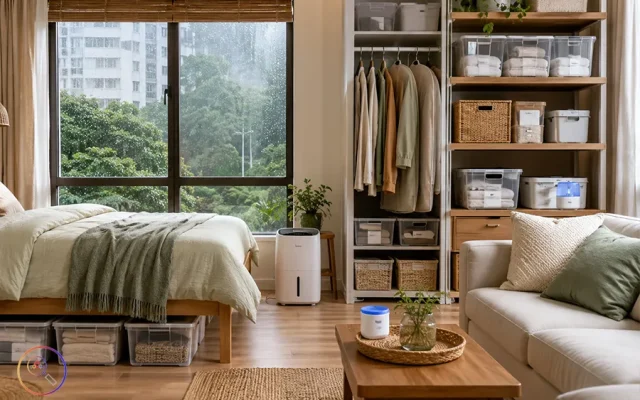

Whether you’ve recently moved into a new apartment or have been renting the same place for years, it’s natural to want your home to feel more comfortable, stylish, and personal. The challenge is that many renters are limited by lease agreements that prohibit painting walls, replacing flooring, or making permanent alterations. Fortunately, creating a fresh and inviting living space doesn’t require expensive renovations or major construction projects.
With a little creativity and thoughtful planning, you can dramatically improve both the appearance and functionality of your apartment while staying within your budget. From better lighting and smart storage to decorative accessories and renter-friendly décor, even small upgrades can completely change the atmosphere of your home. The best part is that most of these improvements are easy to install, affordable, and simple to remove whenever it’s time to move.
Before You Upgrade, Check Your Lease
Even renter-friendly improvements deserve a quick lease check before you begin. Apartment communities can have different rules about drilling holes, attaching items to walls, changing window coverings, placing objects on balconies, or temporarily replacing existing fixtures.
Before installing anything, look through your lease or community guidelines for restrictions that could affect the project. If the rules are unclear, asking the property manager or landlord can prevent an inexpensive decorating idea from becoming an unnecessary move-out expense.
Pay particular attention to upgrades involving:
- Nails, screws, anchors, or other wall fasteners
- Peel-and-stick wallpaper and strong adhesive products
- Replacement light fixtures, faucets, or cabinet hardware
- Curtains or blinds that require mounting
- Balcony, patio, and exterior decorations
- Large shelving or furniture that needs to be secured to a wall
- Anything that alters flooring, cabinetry, doors, or built-in features
It is also worth thinking about how easily an improvement can be reversed. An apartment upgrade is much more renter-friendly when it can be removed without leaving holes, stains, adhesive residue, discoloration, or other visible changes.
Keeping the original hardware for any temporarily replaced items can also simplify move-out. A small labeled container containing screws, handles, brackets, or other original pieces can save considerable frustration months or years later.
Why Small Apartment Upgrades Make a Big Difference
Many people assume that transforming a living space requires remodeling, but that’s rarely the case. In reality, the way a room feels often depends more on lighting, organization, color coordination, and furniture placement than on expensive renovations.
Small improvements can make an apartment appear larger, brighter, and more welcoming. They also allow renters to create a home that reflects their personality without violating lease agreements. Even simple changes can improve daily comfort, reduce clutter, and make spending time at home much more enjoyable.
Another advantage is flexibility. Unlike permanent renovations, temporary upgrades can move with you to your next apartment, making them worthwhile investments that continue providing value long after your current lease ends.
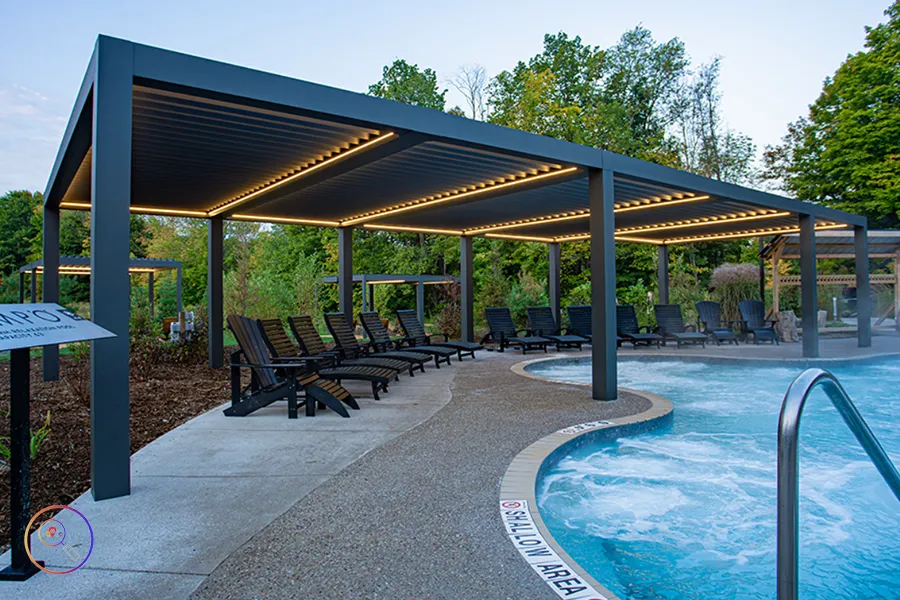
Every living space has unique opportunities for improvement. Inside the apartment, simple upgrades like better lighting, storage, and decorative accessories can dramatically improve comfort. If your home includes an outdoor balcony, terrace, or patio, solutions such as louvered pergolas can provide additional shade, weather protection, and a more comfortable place to relax outdoors.
For renters, however, larger outdoor additions may fall outside the types of changes an individual resident can make. Permanent or structural outdoor improvements are generally something to discuss with the property owner or management team first. Apartment residents can instead look for portable ways to improve an approved outdoor space, such as compact seating, outdoor rugs, movable planters, rechargeable lighting, or freestanding shade options where community rules permit them.
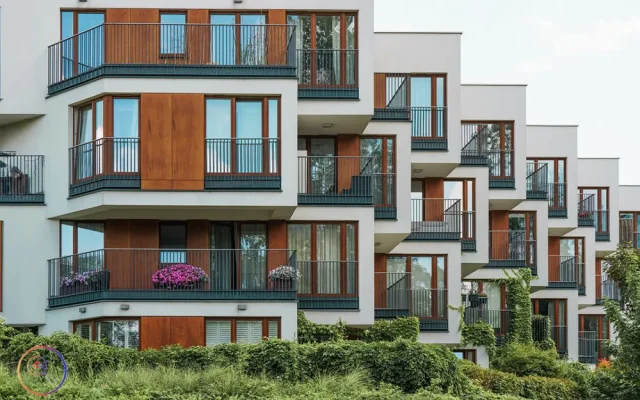
This distinction can also be useful when searching for a future apartment. If having a comfortable outdoor living area is important to you, compare properties based on their existing balconies, patios, courtyards, rooftop areas, pool decks, and shaded community spaces instead of assuming those features can be added later.
Focus on Comfort First
Comfort should always be one of the primary goals when improving an apartment. Creating a relaxing environment doesn’t require replacing furniture or remodeling entire rooms. Instead, think about how each space functions throughout the day.
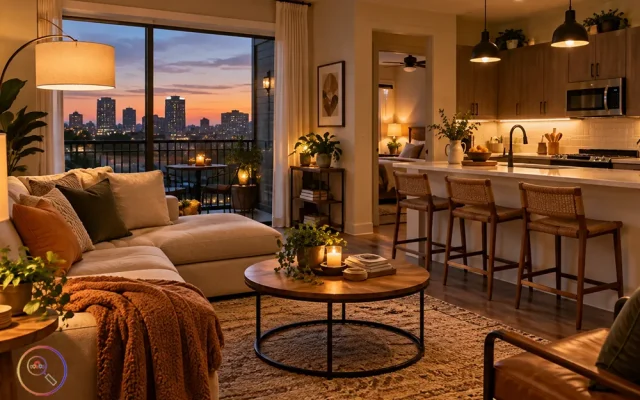
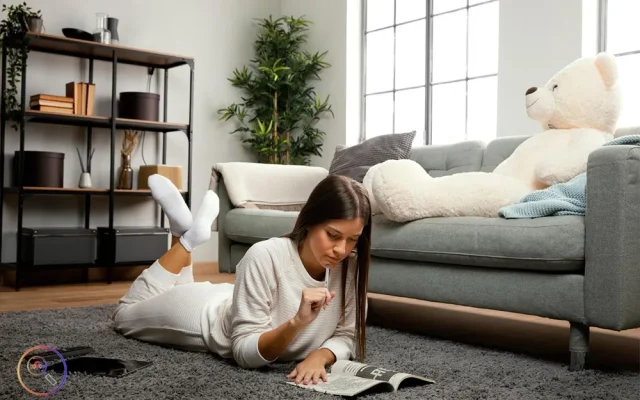
Soft throw blankets, decorative cushions, comfortable rugs, blackout curtains, and supportive seating can instantly make your apartment feel warmer and more inviting. During colder months, layering different textures creates a cozy atmosphere, while lighter fabrics help keep rooms fresh and airy during the summer.
Adding a few personal touches, such as framed photos, favorite books, or decorative accessories, also helps transform a rental property into a place that truly feels like home.
Improve Functionality Without Spending a Fortune
A beautiful apartment should also be practical. Many affordable upgrades improve both appearance and usability at the same time.
Furniture that includes hidden storage, portable shelving units, storage ottomans, and rolling carts can significantly increase available storage space without requiring permanent installation. These additions help keep everyday items organized while making smaller apartments feel much less crowded.
Simple organizational improvements also make cleaning easier and reduce visual clutter, creating a calmer and more relaxing living environment.
Budget-Friendly Ways to Refresh Your Apartment
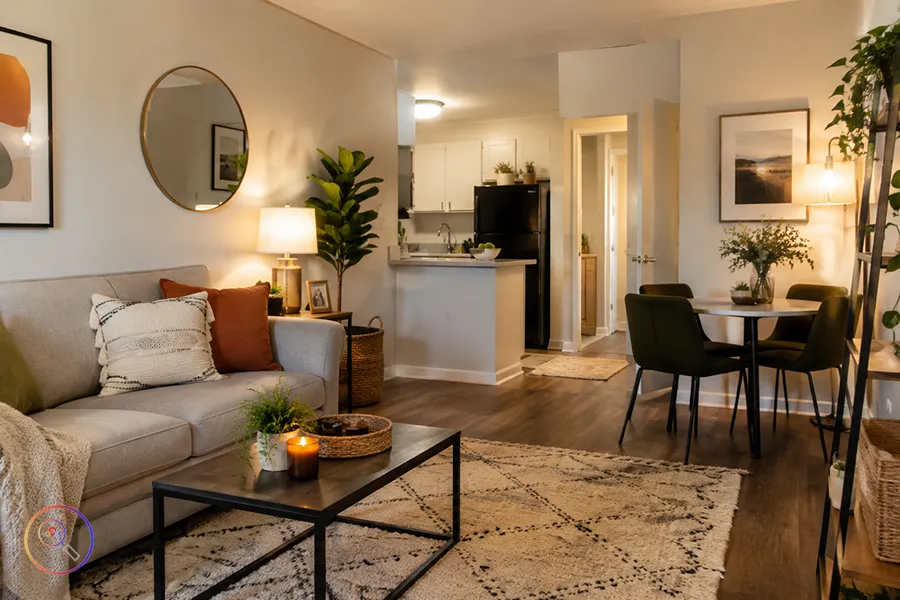
Refreshing your apartment doesn’t have to involve buying all new furniture. Focusing on a few carefully selected upgrades often produces a much bigger impact than completely redecorating an entire room.
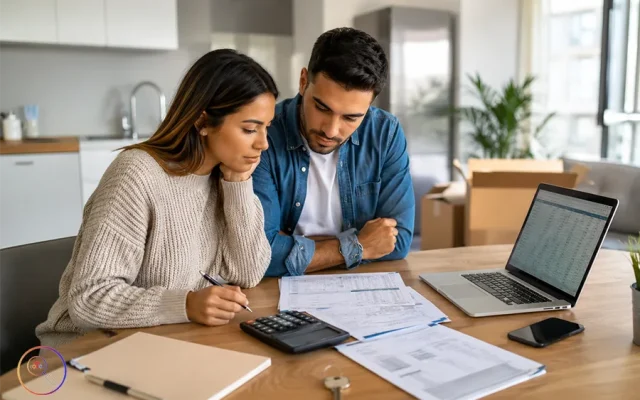
One useful approach is to establish a decorating budget before shopping. Small purchases can add up surprisingly quickly, especially when upgrading several rooms at once. Prioritizing the areas that affect everyday life most can help you get more from the money you spend.
Here is one way to think about apartment upgrades at different budget levels:
| Approximate Budget | Apartment Upgrade Ideas |
|---|---|
| Under $25 | LED bulbs, pillow covers, drawer organizers, adhesive hooks, small plants, storage baskets |
| $25–$75 | Table lamps, floor lamps, curtains, larger organizers, small rugs, wall décor |
| $75–$150 | Larger area rugs, mirrors, rolling carts, compact shelving, storage ottomans |
| $150–$300 | Modular storage, quality lighting, portable desks, accent chairs, multifunctional furniture |
| $300+ | Larger furniture pieces that can move with you, such as sofas, dining sets, bed frames, or substantial storage systems |
You do not need to spend within every category. In fact, combining one larger improvement with several inexpensive changes can often create a better result than buying many decorative items without a plan.
Upgrade Your Lighting
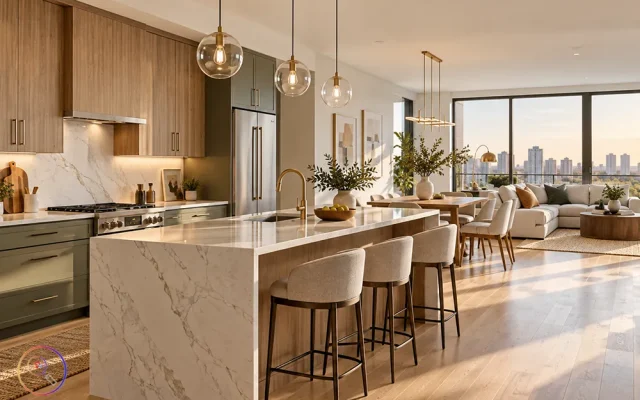
Lighting is one of the easiest and most affordable ways to completely change the mood of an apartment. Many rental properties come with basic overhead fixtures that provide harsh, cool lighting, making rooms feel less inviting.
Instead of relying on a single ceiling light, consider layering different light sources throughout your apartment. Floor lamps, table lamps, desk lighting, and battery-powered accent lights create a softer atmosphere while adding depth to each room.
Choosing warm LED bulbs instead of bright white ones can instantly make your living room or bedroom feel more relaxing. Under-cabinet kitchen lighting, bookshelf lighting, or rechargeable wall sconces are additional renter-friendly options that require little or no installation.
Natural light should also be maximized whenever possible. Replacing heavy curtains with sheer panels allows more sunlight to enter the room, making the apartment feel larger and brighter during the day.
Decorate Your Walls Without Damaging Them
Blank white walls often make rental apartments feel temporary and impersonal. Fortunately, there are many removable decorating options that allow you to personalize your space without leaving permanent marks behind.
Peel-and-stick wallpaper has become increasingly popular because it’s available in hundreds of colors and patterns while being easy to remove. Wall decals, removable murals, framed artwork hung with adhesive strips, and decorative mirrors all provide visual interest without damaging the walls.
Mirrors deserve special attention because they serve both decorative and practical purposes. By reflecting natural light, they make smaller apartments appear more spacious while adding elegance to almost any room.
Creating a small gallery wall with family photos, travel memories, or artwork can also give your apartment a more personal and welcoming atmosphere.
Refresh Furniture Instead of Replacing It
Buying new furniture can quickly become expensive, but giving your existing furniture a fresh appearance costs far less.
Adding decorative throw pillows in seasonal colors, replacing old blankets, introducing textured area rugs, or using slipcovers can completely transform a sofa or armchair. Small decorative accents, such as coffee table books, candles, or stylish trays, also help create a professionally designed look without requiring a large investment.
Window treatments are another simple upgrade. Installing longer curtains closer to the ceiling creates the illusion of taller windows and higher ceilings, making the room feel more open and luxurious.
Even rearranging furniture into a more functional layout can dramatically improve how your apartment looks and feels without spending any money.
Choose Apartment Upgrades You Can Take With You
When deciding where to spend more money, portability is one of the best criteria for renters to consider. A decorative item that works only in one particular unit may provide limited long-term value, while furniture and accessories that can adapt to several layouts may follow you through multiple apartments.
Portable lighting is a good example. A well-made floor lamp or table lamp can work in a bedroom today, a living room in your next apartment, and an office later. The same is true for neutral area rugs, freestanding bookcases, mirrors, storage carts, artwork, baskets, and modular furniture.
Multifunctional furniture can be especially practical for renters who expect to move again. Instead of purchasing items designed for an exact room dimension, consider pieces that can perform several functions. A storage ottoman can become extra seating, a coffee table, or bedroom storage. A small desk can work as a vanity or console table. A narrow shelving unit may move from the kitchen to the bathroom or entryway depending on the layout.
Before buying a larger item, ask yourself three questions:
- Can I move it without major difficulty?
- Could it work in a differently shaped apartment?
- Would I still want to use it if I moved next year?
Thinking this way helps turn apartment decorating into a longer-term investment rather than an expense tied entirely to one rental.
Smart Organization Ideas That Maximize Every Square Foot
Storage is often one of the biggest challenges in apartment living. Fortunately, organizing your belongings more efficiently can free up valuable space while making your home feel cleaner and more comfortable.
Take Advantage of Vertical Storage
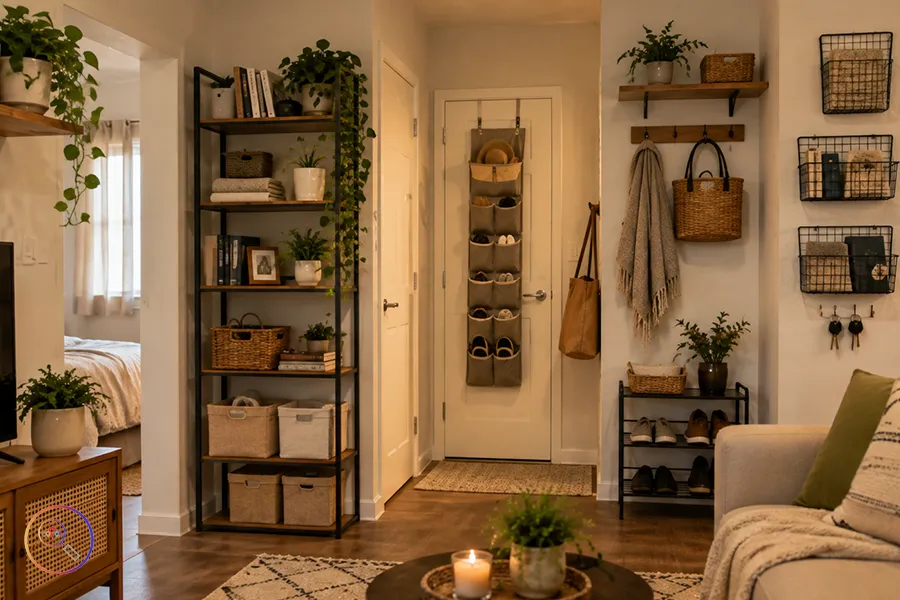
Many renters overlook the walls when thinking about storage opportunities. Vertical space offers enormous potential for keeping everyday items organized without sacrificing floor space.
Freestanding bookshelves, over-the-door organizers, adhesive hooks, hanging baskets, and wall-mounted shelves provide additional storage while keeping frequently used items within easy reach.
These solutions work especially well in kitchens, bathrooms, laundry areas, and entryways where storage tends to be limited. Even narrow corners can become functional with slim shelving units or compact storage towers.
Reduce Clutter With Better Organization
Decluttering doesn’t necessarily mean getting rid of everything you own. Instead, it’s about creating designated places for the items you use every day.
Storage baskets, drawer organizers, closet dividers, and under-bed storage containers help keep belongings out of sight while maintaining easy access. Labeling storage containers can make organization even simpler, especially in smaller apartments where every inch counts.
Making decluttering a regular habit also prevents unnecessary accumulation over time, helping your apartment remain clean, organized, and stress-free.
Use Apartment Amenities as an Extension of Your Home
Upgrading your apartment does not always mean changing something inside your unit. In many communities, shared amenities can function as valuable extensions of your living space.
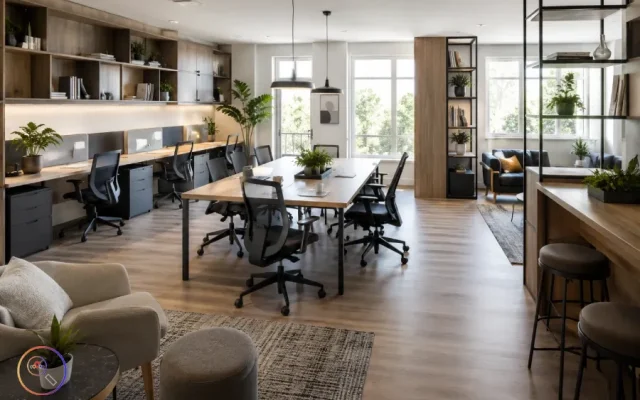
For example, a resident who works remotely may be able to use a coworking lounge instead of trying to squeeze a permanent office into a bedroom. A resident in a small studio may benefit from a community lounge when hosting friends. Courtyards, rooftop terraces, grills, fitness centers, pools, pet areas, and clubhouses can similarly provide experiences that would be difficult to recreate inside a compact apartment.
Learning how to use the amenities already included with your community can sometimes solve a space problem without requiring another purchase.
Consider your daily routine and ask whether any shared spaces could serve a practical purpose. Using those spaces regularly can make a smaller apartment feel less restrictive while helping you get more value from the community you already live in.
Amenities can also become useful criteria during a future apartment search. Rather than looking only at the square footage inside the unit, consider how the entire property supports the way you live.
Plan for Move-Out Before Making Apartment Upgrades
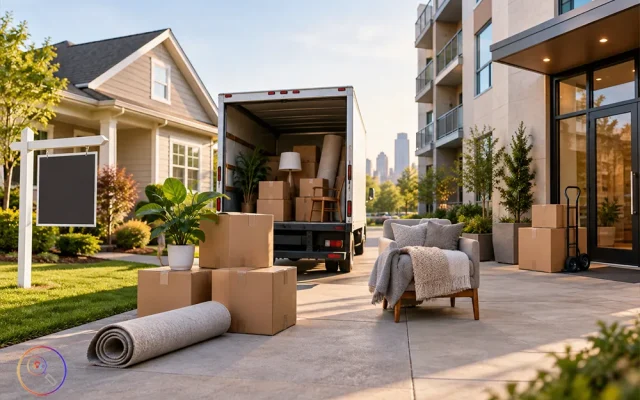
Move-out may seem far away when you are decorating a new apartment, but considering it early can make renter-friendly upgrades much easier to manage.
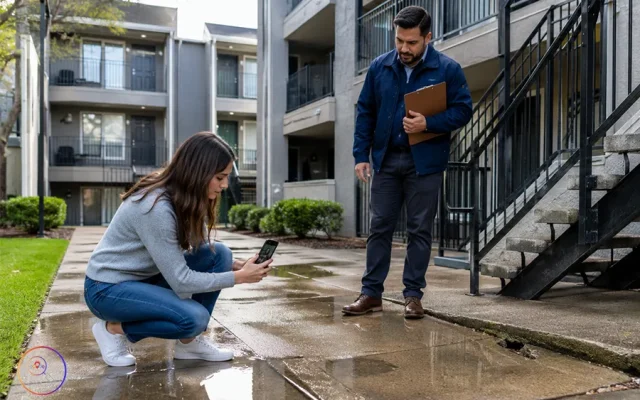
Take photos of walls, floors, fixtures, appliances, and other surfaces before making decorative changes. These images can also help you remember how the apartment was originally arranged.
When temporarily replacing removable items, keep the originals together. Labeling a small box with the apartment name or room can prevent original cabinet handles, showerheads, curtain hardware, or similar pieces from getting lost during your lease.
It also helps to test removable products before using them extensively. Adhesives may react differently depending on the wall finish, age of the paint, humidity, or surface material. Testing an inconspicuous area first can help you decide whether another decorating method would be safer.
As your move-out date approaches, give yourself enough time to reverse changes carefully rather than trying to remove everything on the final day. Taking down decorations gradually makes it easier to notice areas that need cleaning or minor restoration.
Personal Touches That Make Your Apartment Feel Like Home
One of the biggest advantages of decorating is the opportunity to express your personality. Even if you can’t paint walls or replace fixtures, there are countless ways to create a space that reflects your individual style.
Houseplants are an excellent example. They introduce natural color, improve the atmosphere, and create a more relaxing environment. Low-maintenance plants like snake plants, pothos, or ZZ plants are ideal for busy renters.
Scent also plays an important role in creating a welcoming home. Candles, reed diffusers, or essential oil diffusers help establish a relaxing atmosphere while adding another layer of comfort.
Seasonal decorations provide another affordable way to refresh your apartment throughout the year. Swapping out pillow covers, blankets, table décor, or centerpieces allows your home to feel updated without requiring a complete redesign each season.
Small decorative details, meaningful artwork, favorite books, and cherished souvenirs all contribute to making your apartment feel uniquely yours.
When Apartment Upgrades Cannot Solve the Problem
Decorating and organizing can improve a rental significantly, but some limitations cannot be fixed with accessories or furniture placement.
A bedroom with very little natural light will still have limited daylight. An apartment with almost no closet space may remain challenging even with excellent organization. Likewise, an awkward floor plan, very small kitchen, lack of workspace, excessive noise, or absence of outdoor space may continue to affect everyday life despite cosmetic improvements.
Instead of viewing these limitations only as frustrations, use them to learn what matters most to you.
For example, after living in your current apartment, you might realize that your next home should have:
- More kitchen counter space
- A larger bedroom
- Better natural light
- Additional closets
- An in-unit washer and dryer
- A dedicated office area
- A balcony or patio
- More electrical outlets
- A quieter location within the building
- A more open living and dining layout
- Better access to community amenities
Living in an apartment is one of the best ways to discover which features genuinely affect your quality of life. What seemed unimportant during your first apartment search may become a priority when it is time to move again.
What to Look for in Your Next Apartment
When searching for another apartment, go beyond asking whether the space looks attractive during a tour. Think about how easy it will be to furnish, organize, personalize, and live in every day.
Look Closely at Storage
Open closets and cabinets when permitted during a tour. Consider where everyday belongings such as shoes, cleaning supplies, luggage, pantry items, linens, and seasonal items would actually go.
An apartment with thoughtful built-in storage may feel more comfortable than a slightly larger unit with poorly planned closets.
Pay Attention to Natural Light
Visit during daylight when possible and notice which rooms receive the most sunlight. Window orientation, nearby buildings, balconies, landscaping, and the unit’s location within the property can all influence how bright the apartment feels.
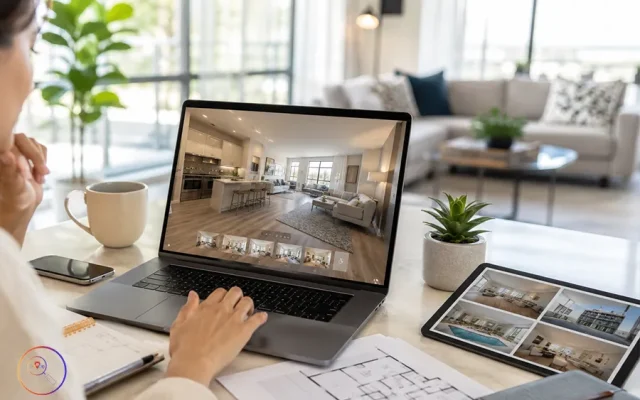
If natural light is important to you, this is difficult to judge from listing photos alone.
Picture Your Furniture in the Space
Look beyond an empty room or professionally staged furniture. Think about the pieces you already own and whether they would fit naturally.
Consider doorways, wall lengths, electrical outlets, windows, heating or cooling equipment, and pathways through the apartment. A room can have adequate square footage while still being difficult to furnish because of its shape.
Consider How the Apartment Supports Your Routine
Think about what happens on a typical weekday rather than imagining only special occasions. Where would you work? Where would groceries go? Is there room near the entrance for shoes and bags? Is laundry convenient? Can two people comfortably use the kitchen? Is there somewhere to relax away from your workspace?
Questions like these help reveal whether an apartment will be functional after the excitement of moving in fades.
Evaluate the Whole Community
The right apartment is about more than the individual unit. Community amenities, parking, package handling, pet accommodations, outdoor spaces, fitness facilities, coworking areas, and proximity to places you regularly visit can influence everyday convenience.
A well-matched community may reduce the need to compensate for limitations inside the apartment with additional furniture or equipment.
Let Your Current Apartment Guide Your Next Search
Every apartment teaches you something about how you prefer to live. The upgrades you make now—and the problems those upgrades cannot solve—can provide a useful checklist when it is time to consider another property.
Keep track of features you appreciate as well as frustrations that repeatedly come up. Maybe you discovered that a large closet matters more to you than an oversized living room. Perhaps a balcony became one of your favorite spaces, or working from home revealed that a dedicated office area is worth prioritizing.
Apartment searching becomes easier when you can separate features that simply look attractive from features that genuinely make everyday life better.
Instead of beginning your next search with a generic list of bedrooms, bathrooms, and price limits, add practical preferences based on how you actually use your current home. Doing so can help you find an apartment that requires fewer compromises and better supports your lifestyle from the day you move in.
Conclusion
Transforming your apartment doesn’t require expensive renovations or permanent structural changes. By focusing on lighting, organization, renter-friendly décor, comfortable furnishings, and thoughtful decorative details, you can dramatically improve both the appearance and functionality of your living space.
The best apartment upgrades are often the simplest ones. Small improvements completed over time can create a home that feels brighter, more organized, and far more enjoyable to live in. Whether you’re planning to stay for several years or preparing for your next move, these affordable ideas allow you to enjoy a stylish and comfortable apartment while respecting your lease and your budget.