Upgrading a residential property requires careful planning and smart visual updates. Strategic layout changes help units stand out in competitive leasing markets.
Property owners continuously look for smart ways to boost property value. Smart layout choices help tenants feel comfortable from day 1.
Why Apartment Design Matters to Renters
An apartment may look attractive in listing photos, but renters ultimately need a space that works for everyday life. Layout, storage, lighting, privacy, maintenance, and convenience can all influence how comfortable someone feels after moving in. For that reason, successful apartment design should balance appearance with practical living.
Prospective renters also tend to experience an apartment in stages. They may first encounter the property through an online listing, then compare floor plans and amenities before scheduling a tour. Once inside the unit, small details that were not obvious in photographs can suddenly become important.
For example, renters may consider whether their existing furniture will fit comfortably, whether there is enough kitchen storage, where they could work from home, or how easily they can move between rooms. Even seemingly minor details such as outlet placement, closet depth, lighting, and usable counter space can affect how functional an apartment feels.
Designing with these everyday needs in mind can make an apartment appealing beyond its initial appearance. Instead of simply creating a unit that photographs well, property owners and managers can create living spaces that continue to work well after residents unpack their belongings.
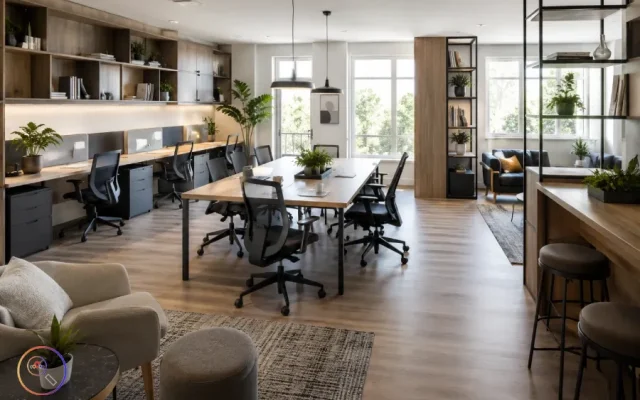
Open Floor Plans Create Roomy Living Areas
Walls divide spaces and make small units feel cramped. Removing non-load-bearing barriers opens up sightlines across the kitchen and living room. Natural light flows freely through the entire unit.
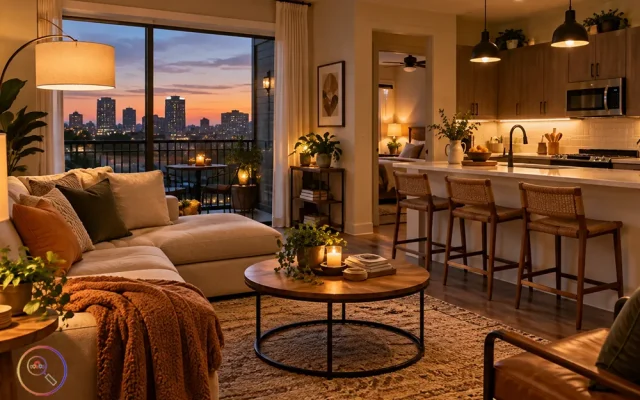
Modern renters love clear floor layouts that support social gatherings. Simple rug placements define distinct functional areas without adding walls. Minimalist furniture choices keep walkways wide and clear.
A clean design study from interior industry experts noted that open spatial layout, sustainable materials, and biophilia-inspired design make living spaces feel fresh. Simple spatial organization keeps individual rooms functional. Clean lines make compact apartments appear much larger.
Light wood finishes match well with open layouts. Neutral paint choices keep walls looking bright during daylight hours. Wide floor spaces give residents room to move around effortlessly.
Open layouts can be especially useful when a single space needs to serve several purposes. A renter may use one corner as a dining area during meals and as a workspace during the day. Another portion of the room may serve as an entertainment area, exercise space, or reading corner.
The most useful open floor plans therefore provide flexibility without eliminating all visual separation. Changes in flooring, lighting, rugs, furniture placement, or ceiling treatments can help define individual zones while maintaining the spacious appearance of an open apartment.
Upgraded Building Infrastructure Keeps Residents Happy
Building amenities extend beyond interior decor choices and floor paints. Smooth daily transportation across multi-story properties keeps tenants satisfied throughout their lease. Reliable mechanical systems reduce friction for everyone moving through the complex.
Consistent equipment care keeps multi-story complexes running without unexpected delays. Facility leaders can incorporate services such as Austin commercial elevator maintenance into routine building upkeep to monitor mechanical components and address wear before it becomes a larger issue. Scheduled service checks help keep elevator systems operating smoothly during busy morning and evening hours. Reliable lift systems can also contribute to the long-term functionality of residential communities.
Modern elevators with quiet motors create a peaceful living atmosphere. Fresh cab lighting and modern panel buttons impress prospective tenants immediately. Well-maintained mechanical hardware prevents common noise complaints.
Clean communal areas reflect strong management practices. Residents notice when physical systems run without hiccups. Dependable building equipment encourages long-term lease renewals.
Good Apartment Design Includes What Residents Cannot See
Some of the most important features of an apartment community are not decorative at all. Residents depend on numerous building systems every day, and the performance of those systems can influence the overall living experience just as much as flooring, countertops, or paint colors.
Heating and cooling systems, plumbing, ventilation, elevators, access controls, drainage, lighting, and electrical systems all contribute to how smoothly a property functions. Preventive maintenance can also help management teams identify ordinary wear before it turns into a more disruptive problem.
Sound control deserves attention as well. Attractive finishes may help make a strong first impression, but residents may become frustrated if ordinary sounds travel easily between neighboring apartments or common areas. Thoughtful insulation, door seals, flooring assemblies, and equipment placement can contribute to greater everyday comfort.
Common areas should receive similar consideration. Hallway lighting, stairs, elevators, entry systems, package areas, parking access, and shared facilities form part of the resident experience whenever someone leaves or returns to their apartment.
For apartment communities, good design therefore extends beyond what prospective renters immediately see during a tour. Reliable infrastructure supports the attractive interiors and amenities that initially bring renters through the door.
Modern Kitchen Finishes Attract Prospective Renters
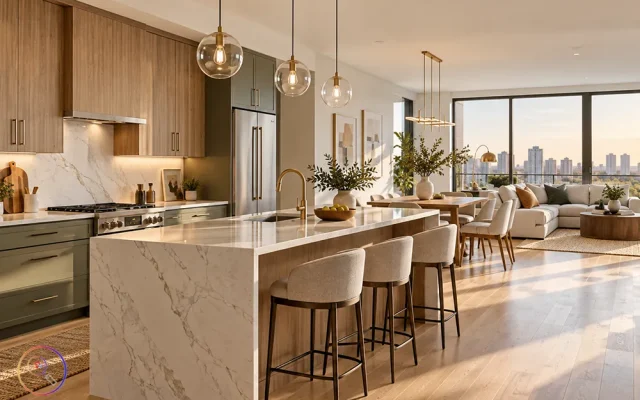
Kitchens serve as the centerpiece for most residential apartment reviews. Updating worn countertops with durable quartz instantly elevates overall visual appeal. Stainless steel hardware brings a crisp polish to culinary zones.
Smart storage solutions reduce kitchen counter clutter. Deep drawer pulls and tall upper cabinets maximize vertical storage options. Pull-out pantry drawers keep grocery supplies tidy and organized.
Under-cabinet strip lighting illuminates food prep surfaces effectively. Soft LED strips highlight backsplashes and clean tile designs. Bright kitchens feel inviting during evening cooking sessions.
High-efficiency appliances lower energy usage while providing sleek visuals. Matte black fixtures offer a modern alternative to traditional chrome. Clean kitchen surfaces appeal to busy professionals.
What Renters Notice During an Apartment Tour
A prospective renter often examines an apartment differently from someone viewing it purely from a design perspective. Attractive finishes may generate interest, but the tour is usually when practical questions begin to emerge.
Someone walking through a unit may open cabinets, look inside closets, check the available counter space, notice the number of electrical outlets, and think about where existing furniture would go. Renters may also pay attention to natural light, privacy, noise, appliance placement, and the relationship between rooms.
A visually impressive design is therefore most effective when the appearance is supported by everyday functionality.
| Design Feature | What a Prospective Renter May Consider |
|---|---|
| Open layout | Can existing furniture fit without blocking walkways? |
| Kitchen storage | Is there enough room for cookware, dishes, and groceries? |
| Windows | Does the apartment receive useful natural light? |
| Closets | Is there enough storage for clothing and household items? |
| Electrical outlets | Can TVs, desks, lamps, and chargers be placed conveniently? |
| Bathroom layout | Is there useful counter, cabinet, and shower storage? |
| Smart technology | Is the technology convenient and easy to operate? |
| Balcony or patio | Is the outdoor area large enough to be genuinely useful? |
These practical considerations help explain why apartment design should be evaluated from the resident’s point of view rather than according to appearance alone.
Functional Storage Solutions Maximize Small Footprints
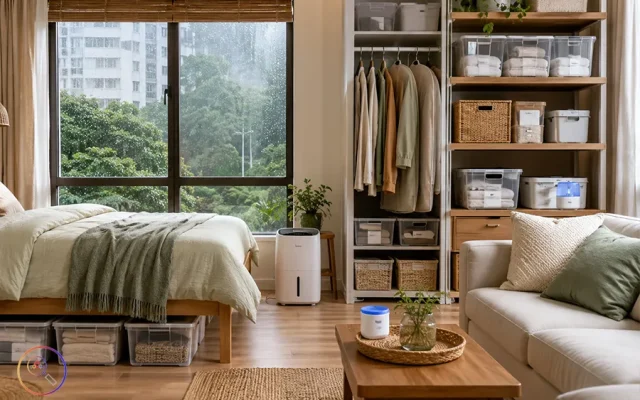
Limited space remains a top complaint among urban apartment dwellers. Built-in storage systems turn unused corners into valuable storage areas. Customized closets help tenants organize clothes and household items.
Vertical wall shelves utilize space up to the ceiling line. Recessed wall niches fit neatly into bathroom and hallway corridors. Multi-purpose furniture items offer hidden storage compartments.
Organised storage spaces keep apartments clutter-free throughout the week. Key storage additions add functional value across living areas:
- Modular closet organizers with adjustable shelving units
- Built-in hallway bench seating with under-seat cubbies
- Wall-mounted fold-down desks for compact home offices
Smart built-in options make compact layouts feel organized and spacious. Storage additions show that floor plans were designed with intent. Well-organized apartments retain high lease renewal rates.
Design Around Everyday Apartment Living
Apartment square footage often needs to accommodate more activities than the room names on a floor plan suggest. A dining room can become a workspace, a living room may double as an exercise area, and an entryway may need to store shoes, bags, pet supplies, and other everyday essentials.
Flexible design helps residents adapt the apartment to their particular routines. Rather than filling every available wall with permanent features, a combination of built-in storage and open usable space gives renters room to personalize the unit.
Entry areas are a good example. Even a compact landing zone near the door can make apartment living easier when it includes a small shelf, hooks, a bench, or another designated place for everyday items. Without one, frequently used belongings can quickly migrate into kitchens and living rooms.
Bedrooms also benefit from thoughtful space planning. Adequate clearance around beds, accessible outlets, closet organization, and room for a dresser or small desk can make a modest bedroom substantially easier to use.
For renters working remotely, flexibility becomes especially useful. A wall niche, unused corner, built-in surface, or fold-down desk may create a practical workspace without requiring an additional bedroom.
Natural Light Maximizes Indoor Comfort
Bright natural light transforms dark rooms into inviting spaces. Large glass windows allow sunbeams to reach deep inside residential units. Sheer window coverings let sunlight filter through while maintaining privacy.
Strategic mirror placement reflects sunlight into dark interior corners. Hanging wide mirrors opposite window openings doubles ambient illumination. Light wall shades amplify sunlight throughout daytime hours.
Glass balcony doors connect indoor living rooms with outdoor spaces. Unobstructed window views give spaces an expansive atmospheric quality. Natural daylight boosts overall interior mood and energy levels.
Solar shades block excess summer heat while retaining natural light. Clean glass surfaces give apartments a crisp exterior view. Bright spaces feel healthier and more energetic for occupants.
Natural light can also help prospective renters better understand the layout during an apartment tour. Shadows and poorly illuminated corners can make rooms feel smaller, while balanced daylight can make circulation paths and usable floor area easier to see.
At the same time, windows should support privacy and comfort. Appropriate blinds, shades, or other coverings can give residents greater control over daylight throughout the day without completely sacrificing the brightness that makes an apartment inviting.
Smart Home Technology Improves Daily Convenience
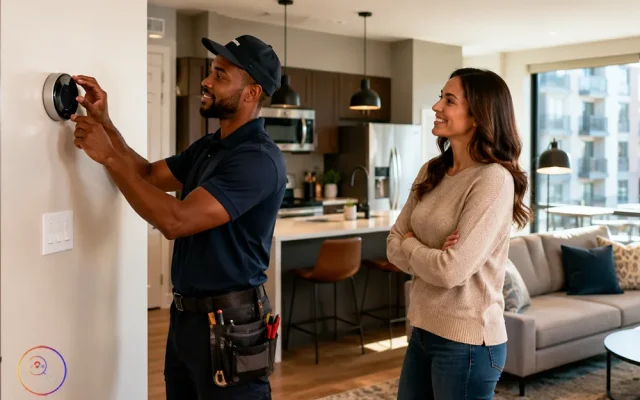
Tech-savvy renters appreciate modern digital conveniences built directly into apartments. Keyless entry locks eliminate the hassle of carrying metal keys. Residents manage door locks remotely using simple smartphone software apps.
Programmable thermostats lower heating bills while maintaining steady room temperatures. Remote temperature controls let tenants adjust climates before arriving home. Automated energy systems appeal to eco-conscious renters.
Smart lighting control systems let tenants set custom lighting schedules. Voice-activated light switches make hands-free lighting adjustments effortless. Digital utility meters give tenants clear visibility over energy consumption.
Modern tech features signal that property management values modern updates. Simple smart upgrades pay off quickly through higher lease rates. Connected apartments stand out in crowded online listings.
Useful Technology Should Remain Simple
Adding technology does not automatically make an apartment easier to live in. The most useful smart-home features solve common problems without requiring residents to navigate complicated systems for simple everyday tasks.
For example, residents using smart locks may appreciate knowing whether there is an alternative way to enter the apartment if a phone battery dies. Smart thermostats and lighting controls are similarly more practical when manual controls remain easy to understand.
Property managers should also think about what happens between residents. Access permissions, account ownership, passwords, device resets, and instructions may need to be incorporated into the normal move-in and move-out process.
Clear instructions can improve the experience considerably. A short guide explaining how connected locks, thermostats, intercoms, package systems, or other technology works can help new residents start using those features immediately.
The goal should be convenience. Technology works best in an apartment when residents notice how much easier it makes everyday tasks rather than how complicated the system is.
Neutral Color Palettes Elevate Interior Aesthetics
Neutral paint schemes offer a clean canvas for personalized decor styles. Warm beige, light grey, and crisp soft white walls make rooms appear larger. Muted colors blend smoothly with various tenant furniture styles.
Consistent wall colors throughout an apartment create visual harmony. Smooth transitions between rooms make overall floor plans feel unified. Subtle color variations keep interior spaces from looking bland.
Accent walls with subtle textures add depth without overpowering spaces. Natural wood elements balance cool neutral wall paints effectively. Clean paint lines give entire rooms a freshly renovated look.
Fresh neutral paint removes odors and hides minor drywall flaws. High-quality washable paint keeps walls looking clean across multiple tenants. Clean background colors highlight artwork and window frames.
Neutral interiors can also make personalization easier for renters. Furniture, rugs, artwork, bedding, and other decor can introduce color without requiring permanent changes to walls or fixtures.
For property managers, this versatility can be useful between leases as well. A relatively consistent palette makes touch-ups and maintenance easier while helping units maintain a cohesive appearance throughout an apartment community.
Luxury Bathroom Upgrades Elevate Everyday Living
Modern bathroom spaces serve as personal relaxation hubs for tenants. Frameless glass shower enclosures create clean, unobstructed sightlines across small bathrooms. Large format floor tiles reduce grout lines and simplify cleaning.
Floating vanities free up floor area to create a spacious appearance. Water-saving plumbing fixtures reduce utility costs while offering strong water flow. Water-efficient rain showerheads provide an upscale spa experience.
Property managers boost bathroom appeal through key modern fixtures:
- Anti-fog illuminated bathroom mirrors with integrated LED lights
- Dual-flush water-efficient toilets with quiet-close seats
- Built-in shower wall niches for toiletries and soaps
Bright LED vanity lighting eliminates harsh shadows during morning routines. Moisture-resistant paint prevents mold growth in damp bath environments. Modern bathroom features create strong positive impressions during prospective tenant tours.
Different Renters May Prioritize Different Features
There is no single apartment design that suits every renter equally. Household size, work routines, hobbies, pets, furniture, cooking habits, and the expected length of a lease can all affect which features become most important.
Designing flexible spaces can help an apartment appeal to a broader range of residents.
| Renter Lifestyle | Features That May Be Particularly Useful |
|---|---|
| Remote workers | Natural light, outlets, quiet workspace, flexible floor area |
| Roommates | Bedroom privacy, storage, practical shared spaces |
| Pet owners | Durable flooring, easy-clean surfaces, convenient outdoor access |
| Frequent cooks | Counter space, pantry storage, ventilation, usable cabinets |
| Minimalists | Open layouts, built-in organization, simple finishes |
| Long-term renters | Generous storage, durable materials, reliable building systems |
These categories are not fixed rules. Two renters with similar lifestyles may still value completely different features. However, understanding the range of ways residents use apartments can help property owners avoid designing solely around appearance.
How Design Choices Affect Apartment Listings
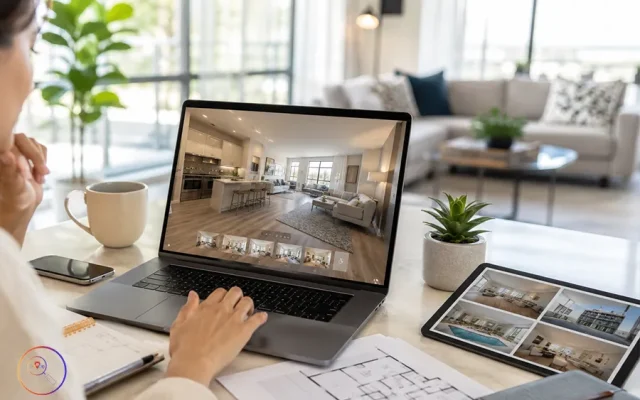
Before prospective residents ever enter a unit, they are likely to encounter its design through listing photographs, floor plans, videos, or virtual tours. This makes the presentation of an apartment an important part of the overall leasing process.
Bright, uncluttered rooms can make photographs easier to understand. Rather than filling rooms with furniture purely for staging purposes, leaving enough visible floor area can help potential renters judge the approximate scale and imagine their own belongings in the space.
Storage should also be visible where possible. A listing may mention ample storage, but photographs of organized closets, kitchen cabinets, built-in shelving, or pantry areas provide more useful context.
Updated kitchens and bathrooms can provide strong listing images because renters can immediately see counters, appliances, fixtures, flooring, and storage. Similarly, balconies, patios, windows, and views should be presented accurately when they are meaningful features of the apartment.
Floor plans add another layer of information. Photographs show how rooms look, while a clear floor plan helps prospective residents understand how those rooms connect.
Smart-home features and community amenities should also be described accurately. Keyless entry, thermostats, package systems, fitness facilities, coworking spaces, parking, outdoor areas, and other features are more useful to apartment shoppers when listings clearly explain what is actually available.
Good apartment design can therefore contribute to leasing twice: first by helping a unit stand out online and again by creating a stronger experience when a prospective resident tours the property in person.
Attractive Apartments Also Need to Be Practical
Design improvements should continue performing well after the initial renovation is complete. For rental properties, this means considering durability, maintenance requirements, cleaning, replacement costs, and everyday use alongside visual appeal.
Washable interior paint, durable flooring, moisture-resistant bathroom materials, sturdy cabinet hardware, and stain-resistant surfaces can help units remain presentable through normal occupancy and turnover.
Property managers may also benefit from choosing components that can be repaired or replaced individually. A highly specialized fixture might look impressive initially, but maintenance can become more complicated if replacement parts are difficult to obtain.
Energy-efficient lighting can offer another practical improvement. Long-lasting fixtures reduce the frequency of replacement while providing the bright, consistent illumination residents expect in kitchens, bathrooms, hallways, and common areas.
The same thinking applies to flooring and countertops. Materials do not necessarily need to be the most expensive options available. Instead, apartment finishes should provide an appropriate combination of appearance, durability, maintenance needs, and cost.
Ultimately, improvements that work well for both residents and property managers tend to have the greatest long-term value.
Apartment Design Should Support the Entire Resident Experience
The apartment itself is only one part of residential living. Residents also interact with entrances, hallways, parking areas, elevators, mail or package facilities, trash areas, outdoor spaces, and community amenities.
A thoughtfully designed community creates smoother transitions between these areas. Clear walkways, adequate lighting, intuitive signage, convenient access, and well-maintained shared spaces can reinforce the quality residents see inside their apartments.
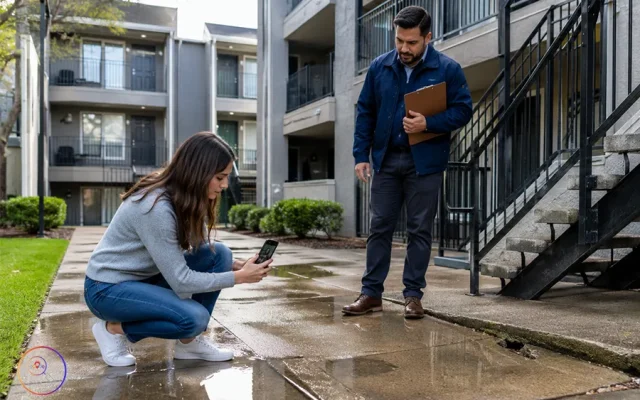
This is especially important when prospective renters tour a property. Their impression may begin at the parking lot or entry rather than at the apartment door. Common areas that feel clean, functional, and cared for can support the overall presentation of individual units.
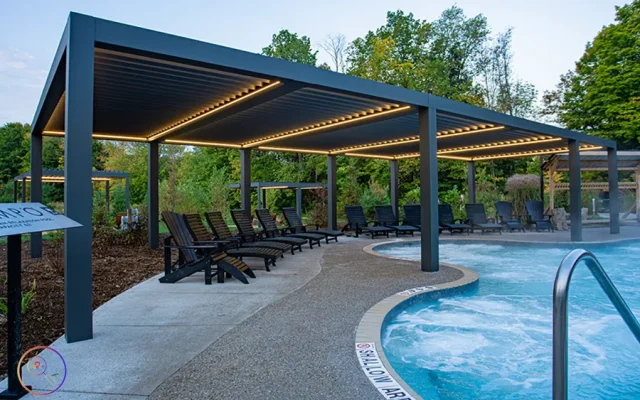
Apartment design is therefore most effective when interior improvements, common areas, building infrastructure, and property management work together rather than being treated as separate considerations.
Helpful Finds to Finish the Look
A few well-chosen pieces pull a room together. These work in nearly any apartment:
- Textured Throw Pillow Covers – the fastest sofa refresh.
- Arched Floor Mirror – makes a small room feel bigger.
- Linen Curtains – softens light and hides vertical blinds.
- Arc Floor Lamp – overhead-style light without wiring.
Rise Apartments is a participant in the Amazon Services LLC Associates Program. As an Amazon Associate we earn from qualifying purchases made through the links above, at no extra cost to you.
Conclusion
Strategic design choices turn standard apartments into highly desirable living spaces. Upgrading physical systems, kitchens, and interior layouts keeps properties competitive.
Thoughtful improvements attract quality tenants and support strong rental returns. Investing in long-lasting materials builds lasting property value over time.
At the same time, the most successful apartment improvements do more than create an attractive first impression. They make daily routines easier for the people who eventually live in the space. Useful storage, flexible layouts, reliable infrastructure, comfortable lighting, practical technology, and durable finishes can all contribute to an apartment that remains functional long after the initial tour.
For prospective renters, these details can make it easier to picture an apartment as a home rather than simply another listing. For property owners and managers, designing around real resident needs can create spaces that photograph well, tour well, and continue delivering value throughout the lease.
The strongest apartment design choices ultimately balance appearance, functionality, durability, comfort, and everyday livability.