
Buying a home is often presented as the natural next step after renting, but it is not necessarily the right choice for every household. Rising home prices, large down payments, maintenance responsibilities, and changing career or lifestyle plans have encouraged more renters to explore alternatives that offer additional space without requiring a long-term commitment.
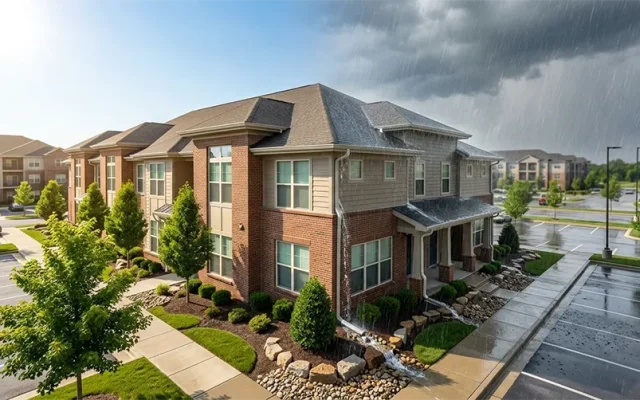
New homes for rent have become one of those alternatives. From newly constructed townhomes to detached single-family houses in professionally managed communities, renters can now find properties that provide many of the features traditionally associated with homeownership while retaining the flexibility of a lease.
For apartment renters, these homes can also represent a middle ground between conventional apartment living and purchasing a property. Someone who enjoys the convenience of renting but wants a garage, additional bedrooms, a private yard, or more separation from neighbors may find that a newly built rental home fits their next stage of life.
The option can be particularly useful for people relocating to a new city. Whether you are comparing apartments, townhomes, and houses while moving to Austin, TX or researching rental options elsewhere in Texas, understanding how new rental homes differ from both apartments and owner-occupied homes can help you make a better housing decision.
Why New Homes for Rent Are Becoming More Popular
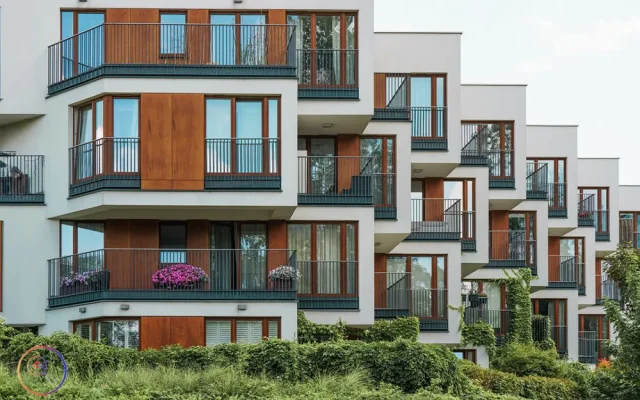
Renters have more housing choices than they did in the past. Traditional apartments remain an excellent option for people who prioritize convenience, community amenities, and predictable monthly expenses, but they are no longer the only professionally managed rental option.
Build-to-rent communities have expanded the rental market by offering homes specifically designed to be leased rather than sold.
These developments may include:
- Detached single-family homes
- Duplexes
- Townhomes
- Cottage-style homes
- Two-story rental houses
- Homes with private garages
- Properties with fenced yards
- Communities with shared recreational amenities
For renters who need additional space but are not ready to buy, these properties can be especially attractive.
Someone moving out of a one-bedroom apartment, for example, may want a dedicated home office, another bedroom, or outdoor space. Renting a newly constructed house allows that person to gain those features without taking on a mortgage.
Apartment Living vs. Renting a House
Neither option is automatically better. The right choice depends on your budget, household size, lifestyle, commute, and preferred level of responsibility.
Apartments generally provide convenience and access to amenities, while rental homes tend to prioritize privacy and space.
| Consideration | Apartment | New Rental Home |
|---|---|---|
| Monthly rent | Often lower | Often higher |
| Maintenance | Usually handled by management | Usually handled by management, but policies vary |
| Private outdoor space | Balcony or patio may be available | Yard may be available |
| Shared amenities | Often extensive | Depends on the community |
| Parking | Surface lot, garage, or covered parking | Private driveway or garage may be included |
| Privacy | More shared walls | Typically greater |
| Living space | Usually more compact | Generally larger |
| Community atmosphere | Often more social | Often more residential |
| Lease flexibility | Commonly 6–15 months | Often similar to apartments |
| Utilities | Some may be bundled | More often paid individually |
For a single professional who wants a fitness center, resort-style pool, and short commute, an apartment may make the most sense.
A family with children, pets, several vehicles, or work-from-home needs may place greater value on the extra space available in a rental house.
The Appeal of Brand-New Rental Homes
One of the biggest attractions of newly built rentals is that everything is new.
Older rental properties can still be excellent choices, particularly when they have been well maintained or renovated, but newer properties often include features that reflect how people live today.
Common features may include:
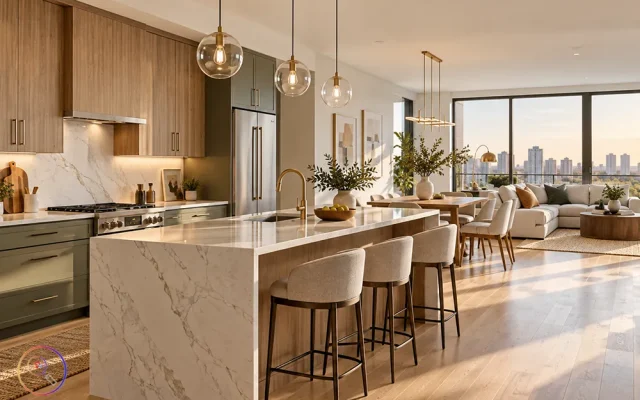
- Open-concept living areas
- Kitchen islands
- Stainless-steel appliances
- Walk-in closets
- Dedicated laundry rooms
- Attached garages
- Modern lighting
- Energy-efficient windows
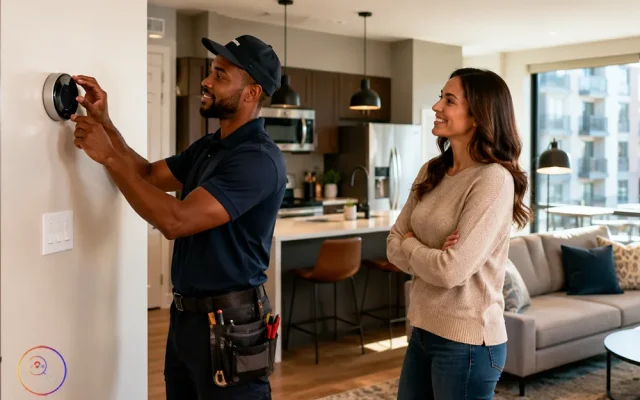
- Smart thermostats
- USB or USB-C outlets
- Flexible spaces for home offices
- Contemporary bathrooms
New construction may also provide better insulation and newer HVAC equipment, potentially helping residents manage energy use more efficiently.
Of course, a newer building does not automatically mean lower utility bills. The size of the home, thermostat settings, insulation, local weather, appliance use, and utility rates all affect monthly costs.
That is why renters should request typical utility information whenever possible before signing a lease.
More Space Without the Commitment of Buying
One reason renters eventually consider homeownership is space.
Apartment living works well for many households, but circumstances can change. A renter may start working remotely, have a child, adopt a large dog, begin living with a partner, or simply accumulate more belongings.
Moving into a larger rental home can solve the space problem without introducing all the responsibilities associated with purchasing property.
Renters may gain:
- Additional bedrooms
- A separate office
- More storage
- A garage
- Larger kitchens
- Extra bathrooms
- Private outdoor areas
At the same time, they retain the ability to relocate after their lease ends.
That flexibility can be valuable for people whose careers or personal plans may change within the next few years.
Why Renting May Make Sense Before Buying
Homeownership can provide long-term advantages, but buying a house involves much more than replacing rent with a mortgage payment.
A buyer may need to budget for a down payment, closing costs, property taxes, homeowners insurance, maintenance, repairs, and potentially homeowners association fees.
Unexpected expenses can also be significant.
A renter generally has fewer property-related financial responsibilities.
Depending on the lease, the property owner or management company may be responsible for repairing major systems such as:
- Air conditioning
- Plumbing
- Electrical systems
- Water heaters
- Built-in appliances
- Roofing
- Structural components
For someone building savings, paying down debt, establishing a career, or learning a new city, renting may provide useful financial breathing room.
Renting Can Make Relocation Easier
Moving to a new metro area involves a lot of uncertainty.
You may not yet know which neighborhood you prefer, how traffic affects your commute, which school district works for your household, or where you spend most of your free time.
Purchasing immediately can lock you into a location before you fully understand the area.
Renting gives newcomers time to experience a city first.
For example, someone relocating to the Austin area might initially consider neighborhoods based primarily on distance from downtown. After living there for several months, that person may discover that access to work, shopping, parks, restaurants, or highways matters more than proximity to the city center.
The same principle applies throughout Dallas-Fort Worth, Houston, San Antonio, and other large Texas metropolitan areas.
Renting first allows you to learn how the city actually fits your lifestyle.
Apartments Still Offer Advantages New Rental Homes May Not
New homes for rent can be appealing, but renters should not overlook what modern apartment communities offer.
Apartment amenities can provide significant value, especially for people who use them regularly.
Depending on the property, residents may have access to:
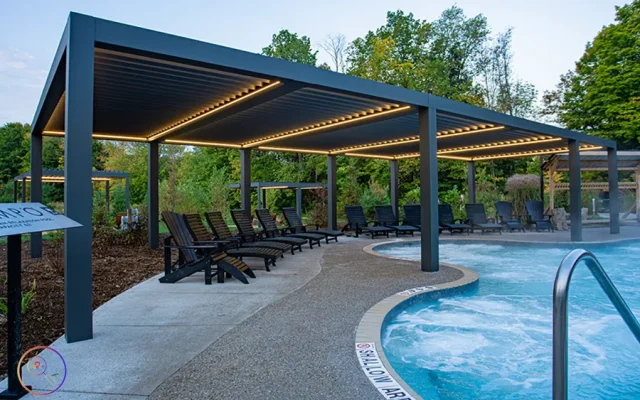
- Resort-style swimming pools
- Fitness centers
- Coworking areas
- Package lockers
- Dog parks
- Pet washing stations
- Resident lounges
- Outdoor kitchens
- Game rooms
- Controlled-access parking
- Business centers
- Community events
Having these facilities within the property can reduce the need for separate gym memberships, coworking subscriptions, or recreational expenses.
Maintenance may also be more centralized in an apartment community because management staff are often located directly on the property.
A renter comparing an apartment with a rental home should therefore evaluate the complete lifestyle offered by each property, not simply square footage.
Think About the True Monthly Cost
Rent is only one part of the housing budget.
A larger rental home may appear affordable based on the advertised rent but cost significantly more after utilities, lawn care, internet, parking, pet fees, and other expenses are included.
Before choosing a property, estimate your total housing expense.
Your calculation might include:
**Monthly rent
- utilities
- internet
- parking
- renter’s insurance
- pet fees
- transportation costs
- optional services**
Transportation deserves particular attention.
A cheaper house located farther from work could require considerably more driving than a slightly more expensive apartment in a central location. Fuel, vehicle maintenance, tolls, and additional commuting time can offset some of the savings.
Consider Maintenance Responsibilities Carefully
One of the biggest benefits of renting is having someone else responsible for major repairs.
However, maintenance policies vary between rental homes.
Some professionally managed communities handle most exterior work, including landscaping. Others expect residents to mow lawns, replace certain filters, manage pest control, or perform minor upkeep.
Before signing a lease, ask who is responsible for:
- Lawn care
- Irrigation
- Pest control
- HVAC filters
- Appliance repairs
- Plumbing issues
- Garage door maintenance
- Tree trimming
- Exterior maintenance
These responsibilities should be clearly defined in the lease.
Knowing the answer before move-in can prevent disagreements later.
Pay Attention to Location, Not Just the Home
It is easy to focus on a beautiful kitchen or extra bedroom during a tour, but the neighborhood will affect your daily life just as much as the property itself.
Research what is nearby.
Consider:
- Grocery stores
- Restaurants
- Medical facilities
- Schools
- Parks
- Public transportation
- Major highways
- Entertainment
- Childcare
- Employment centers
Test the commute during the hours you would normally travel whenever possible.
A drive that takes 20 minutes on a Sunday afternoon could take substantially longer during weekday traffic.
Private Outdoor Space Can Be a Major Advantage
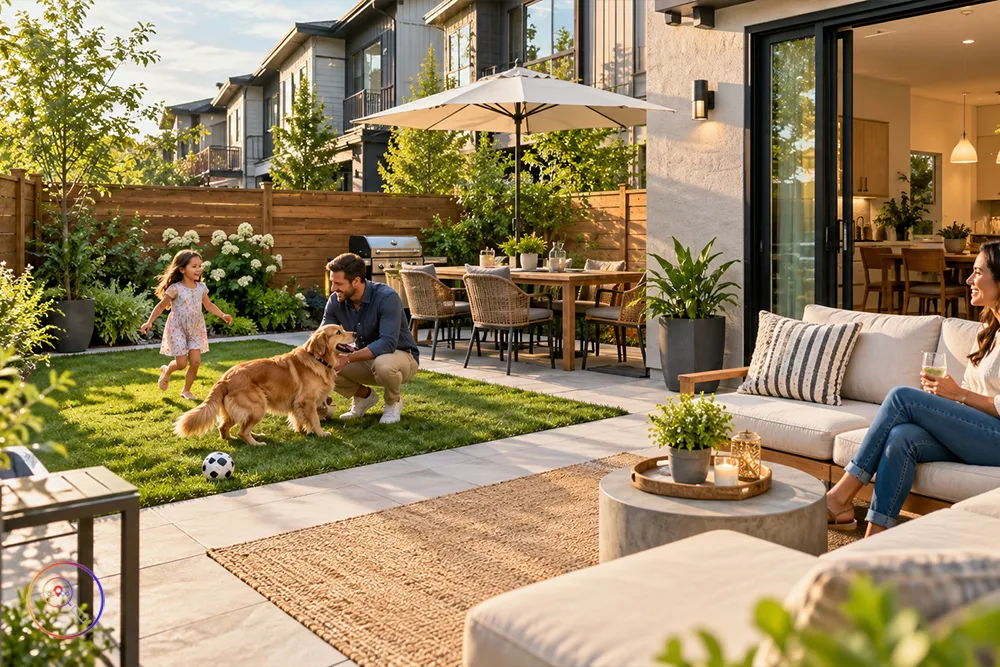
For some renters, a yard is one of the strongest reasons to consider a single-family rental.
A private yard can be especially useful for households with children or dogs. It also creates additional space for relaxing, gardening, outdoor dining, or entertaining.
However, renters should clarify whether the yard is truly private and who maintains it.
Ask whether there are restrictions regarding:
- Grills
- Patio furniture
- Gardens
- Play equipment
- Fencing
- Pet use
- Outdoor storage
Rules can differ significantly between communities.
Renters With Pets Should Read Policies Carefully
A rental home may appear more pet-friendly than an apartment, particularly if it includes a yard, but that does not mean there are no restrictions.
Pet policies may include:
- Breed restrictions
- Weight limits
- Maximum numbers of pets
- Pet deposits
- One-time pet fees
- Monthly pet rent
Renters should also evaluate the surrounding area.
Sidewalks, walking trails, green spaces, nearby parks, and veterinary services can make a neighborhood more convenient for pet owners.
Look Beyond the Model Home
Model homes are designed to make a strong impression.
They may include upgraded finishes, professionally arranged furniture, and decorative features that are not included in every rental.
When touring a new rental community, ask to see the actual home you will be leasing whenever possible.
Check:
- Natural lighting
- Closet space
- Kitchen storage
- Water pressure
- Window placement
- Noise levels
- Parking
- Outlet locations
- Cell reception
- Internet providers
Take measurements if you already own large furniture.
A room can look significantly larger when furnished with appropriately scaled model-home furniture.
Questions to Ask Before Leasing a New Rental Home
A good tour should answer more than whether you like the floor plan.
Consider asking:
- What is included in the advertised monthly rent?
- Are there additional community or amenity fees?
- Who handles lawn maintenance?
- Which utilities are the resident’s responsibility?
- What are the pet policies and fees?
- Is renter’s insurance required?
- What lease lengths are available?
- Are there penalties for early termination?
- How are maintenance requests submitted?
- What parking is included?
- Are guest parking spaces available?
- Is the garage included in the rent?
- Are there restrictions on outdoor furniture or decorations?
- How much notice is required before moving out?
- What charges could be deducted from the security deposit?
Having these answers makes it much easier to compare properties accurately.
Consider Future Needs, Not Just Today’s Needs
Moving is expensive and time-consuming, so think about how well a rental will serve you throughout the entire lease term.
Someone working remotely two days a week today may eventually work from home full time.
A couple might need an additional bedroom in the future.
A renter planning to adopt a pet may eventually prefer a property with outdoor space.
You do not need to predict every life change, but choosing a home with some flexibility can reduce the likelihood that you will outgrow it quickly.
Should You Rent an Apartment, Townhome, or Single-Family Home?
Each property type can work well for different renters.
Choose an apartment if you prioritize:
- Community amenities
- Central locations
- Lower maintenance responsibilities
- Smaller spaces that are easier to manage
- Convenient access to property management
Consider a townhome if you want:
- More living space
- Multiple floors
- Additional privacy
- A residential atmosphere
- A garage or small yard
Consider a single-family rental if you value:
- Maximum privacy
- Additional bedrooms
- Private outdoor space
- Garage parking
- A neighborhood-style environment
Budget should remain part of the decision.
Paying significantly more for unused space rarely makes sense simply because a larger home is available.
New Rentals Can Be a Useful Step Between Apartment Living and Homeownership
Housing decisions do not need to follow a fixed path.
A renter does not have to move directly from an apartment to purchasing a house. Renting a townhome or single-family property can serve as an intermediate step.
It allows renters to experience some of the realities of living in a larger property while maintaining the flexibility of a lease.
That experience can even help future buyers understand what they actually want.
After renting a house, someone may realize that a large yard is essential. Another renter may discover that maintaining more space is not worth the additional expense and decide that apartment living suits them better.
Both outcomes provide useful information before making a major financial commitment.
Take Time to Compare Your Options
The rental market is increasingly diverse. Apartments, townhomes, duplexes, and professionally managed single-family homes can all provide comfortable places to live depending on your priorities.
New homes for rent are particularly appealing to renters who want additional space and modern features without committing to a mortgage. At the same time, apartments often provide valuable advantages through location, shared amenities, convenient maintenance, and lower housing costs.
Rather than viewing renting and buying as an either-or decision, consider what makes sense for your current stage of life.
Compare monthly costs, commute times, amenities, space, maintenance responsibilities, neighborhood characteristics, and lease flexibility before deciding.
Renters researching newly constructed single-family options can also review resources such as Wan Bridge Homes For Rent while comparing them with apartment communities and other rentals in their preferred area.
Ultimately, the best rental is not necessarily the newest, largest, or most luxurious property. It is the home that fits your budget, location preferences, daily routine, and future plans while giving you the flexibility and quality of life you need.
Helpful Finds for a Private Yard or Patio
Private outdoor space is rare in apartment living. Make yours a room you actually use:
- Outdoor String Lights – instant evening atmosphere, no electrician needed.
- Patio Conversation Set – sized for apartment yards and balconies.
- Outdoor Area Rug – defines the space and hides worn concrete.
- Raised Garden Bed – herbs and vegetables without digging up the landlord's lawn.
Rise Apartments is a participant in the Amazon Services LLC Associates Program. As an Amazon Associate we earn from qualifying purchases made through the links above, at no extra cost to you.