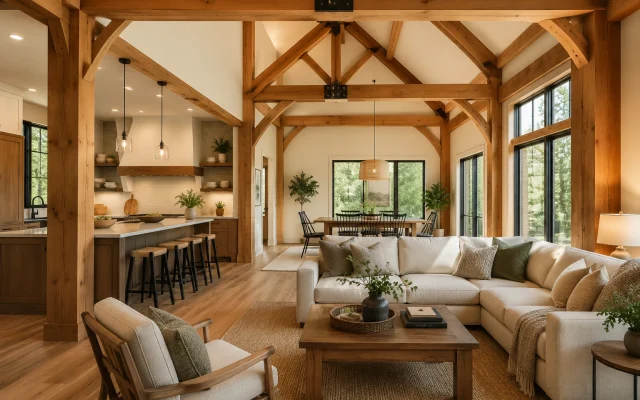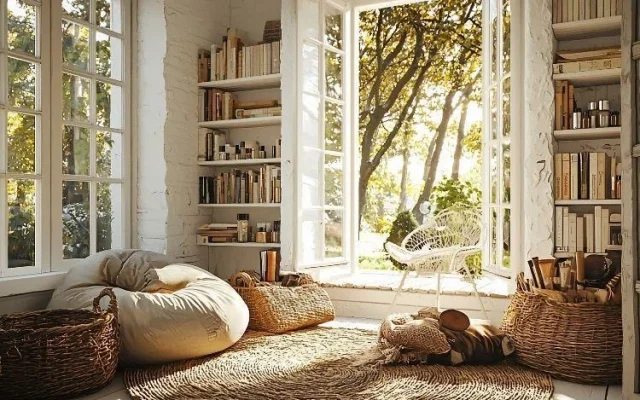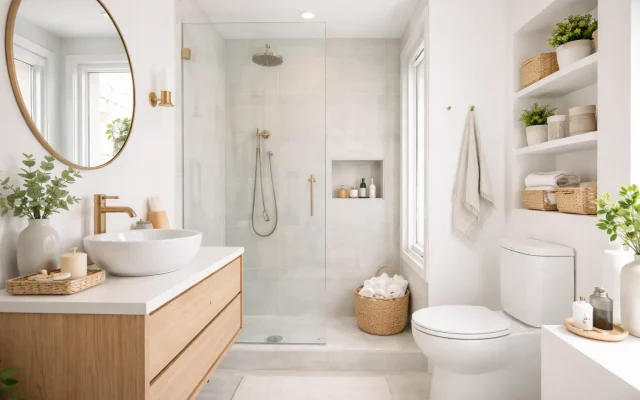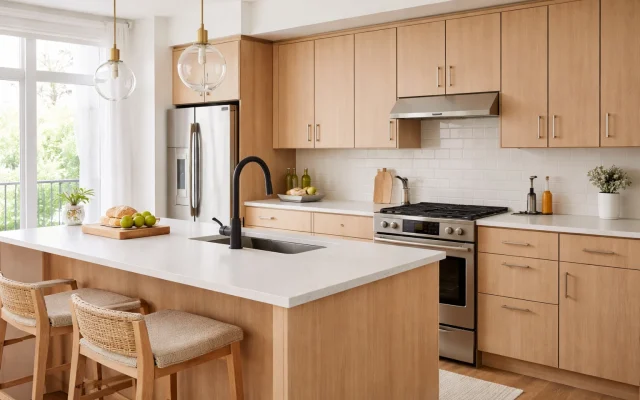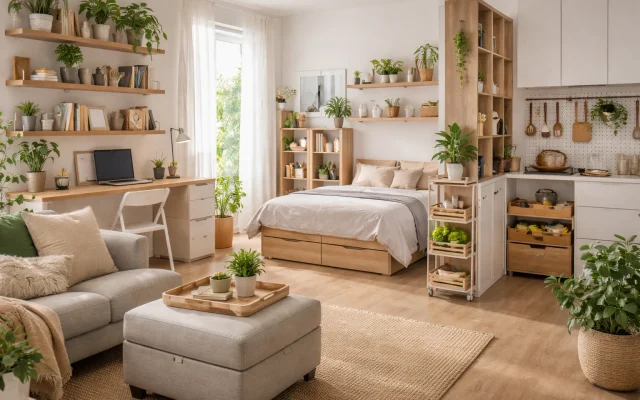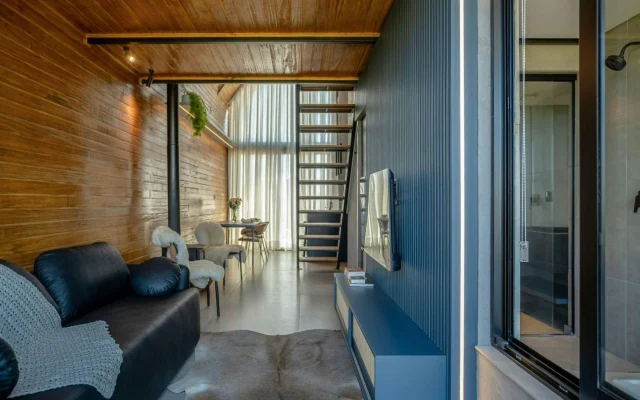


Scandinavian design for apartments brings together simplicity, comfort, and functionality to create a home that feels bright, inviting, and effortlessly organized. Known for its neutral colors, natural materials, minimalist furniture, and cozy textures, this timeless decorating style works particularly well in smaller living spaces.
Whether you’re furnishing a studio apartment, refreshing a compact living room, or decorating an entire rental home, Scandinavian design offers a practical way to make every square foot feel intentional.
And the best part? You don’t need expensive furniture, major renovations, or a perfectly minimalist lifestyle to achieve the look.
By combining thoughtful furniture choices, layered lighting, natural materials, and clutter-free organization, you can transform an ordinary apartment into a comfortable retreat inspired by Nordic living.
This guide explores Scandinavian apartment decorating ideas for every room, including budget-friendly upgrades and renter-friendly solutions.
What Is Scandinavian Interior Design?
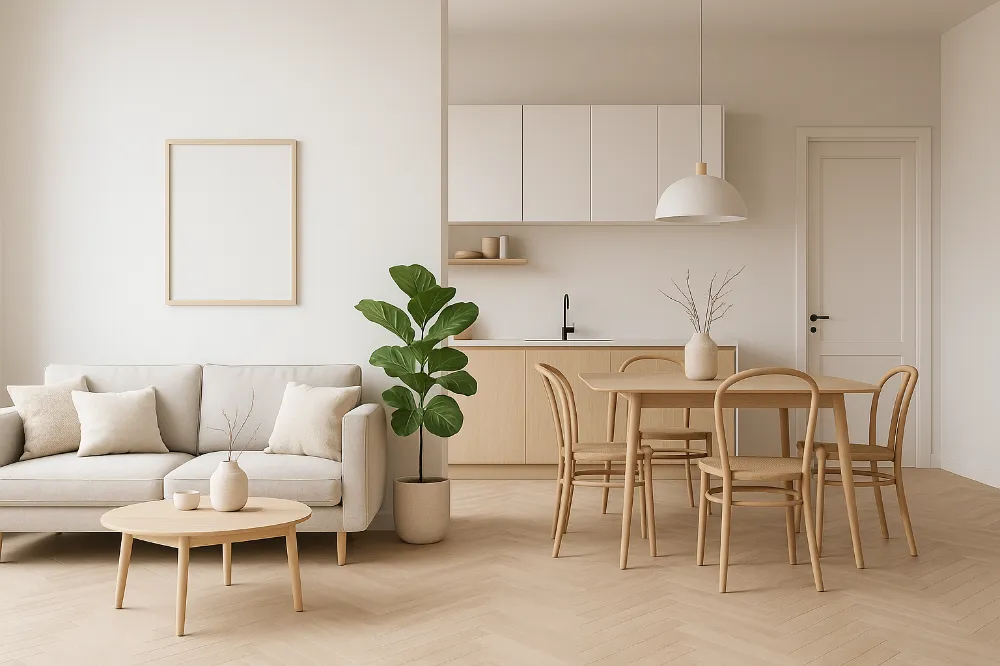
Scandinavian interior design originated in the Nordic countries of Denmark, Sweden, and Norway, with related design traditions across Finland and Iceland. It emphasizes practical living, quality craftsmanship, natural materials, and an understated appreciation for beauty.
Unlike decorating styles that rely on elaborate details or excessive ornamentation, Scandinavian interiors focus on creating spaces that are both attractive and genuinely useful.
The philosophy is straightforward: Your home should make everyday life easier while providing a comfortable place to relax.
Scandinavian design typically incorporates:
- Light and neutral color palettes that create a sense of openness.
- Natural wood furniture with simple, elegant lines.
- Functional pieces that maximize available space.
- Comfortable textiles that add warmth without visual clutter.
- Layered lighting that makes rooms inviting throughout the day.
- Carefully selected decorations rather than excessive accessories.
- Indoor greenery and natural elements that soften modern interiors.
A Scandinavian-inspired apartment doesn’t need to look like a showroom. Personal photographs, meaningful artwork, favorite books, and handmade accessories can all belong in the space.
The goal is balance—not perfection.
Why Scandinavian Design Works So Well in Apartments
Apartments often present decorating challenges that larger homes don’t. Limited square footage, awkward layouts, insufficient storage, and restrictions on permanent modifications can make interior design more complicated.
Scandinavian design addresses these issues through three essential principles: light, space, and texture.
1. Maximize Natural Light
Natural light plays an important role in Scandinavian interiors. In Nordic countries, daylight can be limited during winter, making bright interior spaces particularly valuable.
The same principle benefits apartments with small windows or limited natural sunlight.
Start by keeping windows as unobstructed as possible. Replace heavy decorative curtains with lightweight linen or cotton panels that allow daylight to filter through.
Mirrors can also make a noticeable difference. Positioning a mirror where it reflects a window or another bright area helps distribute light throughout the room.
For walls and larger furnishings, consider colors such as warm white, cream, soft beige, or pale gray.
These shades provide an airy foundation while allowing furniture and accessories to stand out.
| Design Element | Recommended Approach | What to Avoid |
|---|---|---|
| Window treatments | Sheer linen or lightweight curtains | Heavy curtains that block daytime light |
| Wall colors | Warm white, cream, pale neutrals | Excessively dark colors in poorly lit rooms |
| Mirrors | Position to reflect natural light | Placing mirrors where they create unwanted glare |
| Window areas | Keep furniture low and unobtrusive | Blocking windows with oversized furniture |
| Lighting | Combine natural and artificial light | Relying on one harsh overhead fixture |
Helpful decorating finds:

- NICETOWN Sheer Linen Curtains — Lightweight window treatments that complement neutral interiors.

- Umbra Hub Round Mirror — A modern mirror that adds visual depth to smaller rooms.
2. Create Space Through Functional Furniture
One of the defining characteristics of Scandinavian design is its emphasis on furniture that serves a clear purpose.
In a small apartment, this often means selecting pieces that provide more than one function.
A storage ottoman, for example, can serve as a footrest, additional seating, and a place to keep blankets.
Likewise, an extendable dining table can remain compact during the week and accommodate additional guests when needed.
Even furniture legs make a visual difference. Sofas, chairs, and cabinets with slender, raised legs reveal more of the floor, helping the room appear less crowded.
For especially compact apartments, Murphy beds offer another space-saving possibility. These foldaway beds can allow a bedroom to function as a workspace or living area during the day.
However, renters should confirm installation requirements and lease restrictions before purchasing wall-mounted or permanently anchored furniture.
The objective isn’t to fill every available corner. Leaving some open floor space allows the room to feel more comfortable and easier to navigate.
3. Add Warmth With Natural Textures
Minimalism sometimes gets associated with cold, impersonal rooms.
Scandinavian design avoids that problem by introducing layers of texture.
A simple white sofa becomes much more inviting when paired with a woven blanket, linen cushions, and a soft area rug.
Wood furniture, ceramic accessories, and natural-fiber baskets provide additional visual interest without overwhelming the space.
| Material | Best Uses | Design Benefit |
|---|---|---|
| Oak and ash | Coffee tables, dining furniture, shelves | Creates warmth with a light visual appearance |
| Linen | Curtains, pillows, bedding | Adds softness and relaxed texture |
| Wool | Rugs, blankets, cushions | Makes rooms feel comfortable and cozy |
| Rattan | Storage baskets, accent furniture | Introduces natural texture |
| Ceramic | Vases, bowls, planters | Adds subtle decorative interest |
| Cotton | Throws, bedding, upholstery | Provides everyday comfort |

For additional texture, consider a Safavieh Natural Fiber Jute Rug or Stone & Beam Belgian Linen Throw Pillow Covers.

Choose materials based on your lifestyle, too. Washable cotton and durable woven fabrics may be more practical than delicate textiles in apartments with pets or frequent visitors.
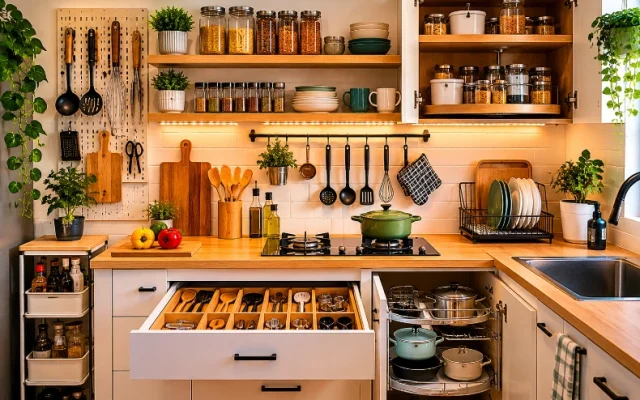
Scandinavian Kitchen Design: Simple, Organized, and Functional

The kitchen is one of the most important areas to organize in a small apartment.
Limited counter space, compact cabinets, and narrow walkways can quickly make an otherwise attractive kitchen feel cluttered.
Scandinavian kitchen design emphasizes efficient storage, bright finishes, and a practical layout that supports everyday cooking.
Choose Light Cabinets and Natural Wood Accents
White, cream, and pale gray cabinets are common in Scandinavian kitchens because they provide a fresh, uncluttered appearance.
Natural wood details prevent these lighter finishes from feeling too clinical.
You don’t necessarily need to replace existing cabinetry to achieve the look.
A wooden cutting board, bamboo utensil holder, or compact oak-look shelf can introduce warmth without requiring renovation.
For example:
| Cabinet Color | Complementary Material | Overall Appearance |
|---|---|---|
| White | Light oak | Bright and classic |
| Cream | Natural bamboo | Warm and relaxed |
| Pale gray | Walnut | Contemporary and sophisticated |
| Soft beige | Matte black hardware | Modern with subtle contrast |
Explore more organic modern kitchen ideas for apartments for additional inspiration.
Decorating options:
For rental apartments, prioritize removable or freestanding accessories rather than replacing fixed cabinets or countertops.
Keep Open Shelving Organized
Open shelving can make a kitchen feel less enclosed, but it works best when items are arranged thoughtfully.
Instead of displaying every dish, choose a limited selection of attractive everyday essentials.
Stack matching plates, group glassware together, and use coordinated containers for frequently used ingredients.
A few decorative elements—such as a ceramic vase or small plant—can soften the arrangement.
Useful options include Iron and Wood Wall-Mounted Shelves, Glass Storage Jars with Bamboo Lids, and a Matte White Ceramic Mug Set.
If you’re renting, a narrow freestanding shelving unit can provide a similar look without drilling into the walls.
Use Under-Cabinet Lighting
Lighting is especially important in apartment kitchens where overhead fixtures may leave preparation areas in shadow.
Under-cabinet LED lighting provides focused illumination while keeping the countertops clear.
| Lighting Option | Best Application | Advantage |
|---|---|---|
| LED strip lights | Along cabinet undersides | Provides continuous illumination |
| Wireless puck lights | Small preparation areas | Simple installation |
| Motion-sensor lights | Cabinets and frequently used spaces | Convenient automatic operation |
| Rechargeable LED bars | Rental kitchens | Portable and potentially removable |
Popular options include LED Under-Cabinet Lighting Kits, Wireless Motion Sensor Puck Lights, and Dimmable LED Strip Lights.
Choose lighting specifically intended for kitchen use, follow its installation instructions, and keep electrical components away from moisture and excessive heat.
A Simple Scandinavian Apartment Kitchen Setup
Imagine a compact kitchen featuring white cabinetry, warm wood accessories, and uncluttered countertops.
A slim wooden cart adds preparation space and storage. Matching glass containers hold frequently used ingredients, while a small ceramic planter introduces greenery.
Warm under-cabinet lighting brightens the work area.
The overall design feels calm and organized because every element contributes to how the kitchen functions.
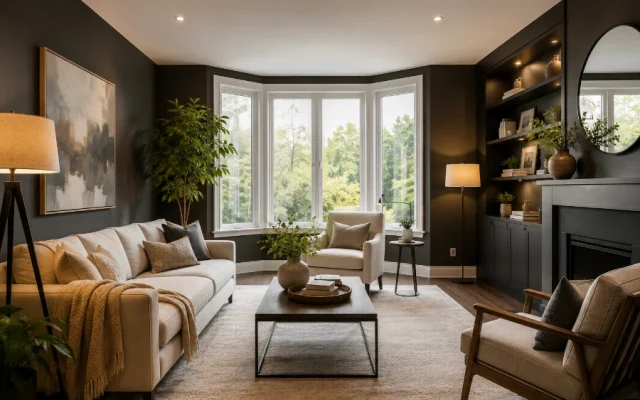
Scandinavian Living Room Design: Cozy Without the Clutter

The living room is where Scandinavian design can make the greatest visual impact.
It’s usually the apartment’s primary gathering place, serving multiple purposes throughout the day.
You might use it to relax, entertain friends, work remotely, or enjoy a quiet evening.
Scandinavian living room design accommodates these activities without sacrificing comfort or style.
Start With a Neutral Foundation
Neutral colors create a flexible starting point for decorating.
A cream sofa, light wood coffee table, and soft gray rug can establish a cohesive appearance without making the room feel overly coordinated.
Once the larger pieces are in place, introduce personality through smaller accessories.
Muted green, dusty blue, terracotta, mustard, and charcoal can all complement Scandinavian interiors.
| Neutral Foundation | Suggested Accent Colors | Overall Mood |
|---|---|---|
| Cream sofa | Sage green and natural wood | Relaxed and organic |
| Light gray sofa | Mustard and charcoal | Modern and cozy |
| Beige rug | Rust and muted navy | Warm and sophisticated |
| White walls | Olive green and walnut | Natural and grounded |
This approach also makes seasonal decorating easier.
Instead of replacing major furniture pieces, simply update a few cushions, throws, or decorative accessories.
For more inspiration, explore these modern minimalist decorating ideas.
Create Comfortable Layered Lighting
A Scandinavian living room should feel comfortable during both daytime and evening hours.
Rather than relying entirely on one overhead light, combine several light sources.
Ambient lighting provides general illumination.
Task lighting helps with specific activities, such as reading or working.
Accent lighting creates visual warmth and highlights decorative features.
For example, a floor lamp beside the sofa can provide reading light, while a smaller table lamp adds a cozy glow to another corner.
Warm-white bulbs around 2700K to 3000K generally complement the relaxed atmosphere associated with Scandinavian interiors.
For renters, plug-in lamps and rechargeable accent lights offer flexibility without requiring electrical modifications.
Bring Nature Indoors
Plants and organic materials help connect Scandinavian interiors to the natural world.
A single large plant can make a stronger visual statement than several small decorations scattered around the room.
Consider plants that suit your apartment’s actual lighting conditions.
| Plant | Lighting Preference | Decorating Advantage |
|---|---|---|
| Snake plant | Low to bright indirect light | Architectural, upright shape |
| Pothos | Moderate to bright indirect light | Attractive trailing growth |
| Monstera | Bright indirect light | Large, sculptural leaves |
| Fiddle-leaf fig | Bright indirect light | Dramatic focal point |
If you have pets, research plant toxicity before bringing new greenery home. Several popular houseplants, including pothos and monstera, are toxic to cats and dogs.
Keep Coffee Table Styling Simple
Scandinavian coffee tables rarely need elaborate arrangements.
Try a simple combination of three elements:
- A small stack of favorite books.
- A ceramic bowl or wooden tray.
- A natural decorative accent, such as a branch or small plant.
Grouping items on a tray keeps the surface organized and makes everything easy to move when you need more space.
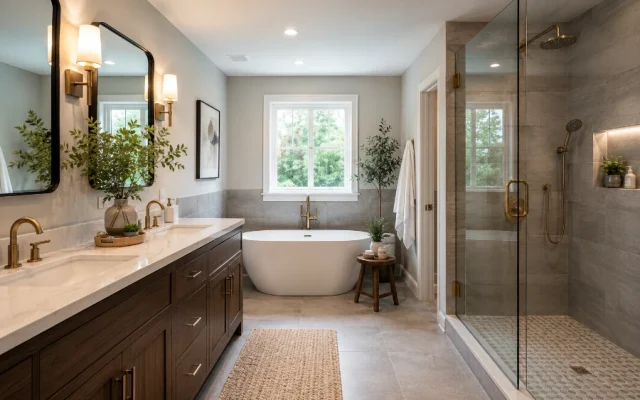
Scandinavian Bathroom Design: A Calm, Spa-Inspired Retreat

Bathrooms are often among the smallest rooms in an apartment, making thoughtful organization especially important.
Scandinavian bathroom design combines clean surfaces, warm materials, and practical storage to create a relaxing environment.
The good news is that even a dated rental bathroom can benefit from these principles.
Use Mirrors to Create Visual Openness
Mirrors reflect light and can make narrow bathrooms feel more spacious.
A large, simple mirror above the vanity provides a clean focal point.
Round mirrors introduce softness, while rectangular mirrors complement more contemporary interiors.
If replacing the existing mirror isn’t permitted, consider adding a small freestanding mirror or choosing coordinated accessories that complement the current fixture.
Combine Light Colors With Warm Materials
White and pale gray bathrooms benefit from natural wood accents.
Bamboo trays, teak-look accessories, and woven storage baskets can make the space feel inviting without requiring changes to the tile or vanity.
A neutral shower curtain and coordinated towels help unify the room.
| Bathroom Element | Scandinavian-Inspired Choice |
|---|---|
| Shower curtain | White, cream, or textured cotton-look material |
| Bath mat | Neutral washable fabric or suitable bamboo design |
| Storage | Simple baskets and organizers |
| Accessories | Ceramic or glass containers |
| Decorative accent | Small plant or natural wood tray |
Products worth considering include the GOBAM Bath Mat, AquaTeak Shower Bench, and VASAGLE Wooden Vanity Cabinet, provided they fit the available space and moisture conditions.
You can also explore these organic modern bathroom ideas.
Make Storage Part of the Design
Bathroom counters can quickly become crowded with toiletries, cleaning supplies, and personal care products.
Scandinavian design encourages keeping frequently used essentials accessible while storing everything else neatly.
Freestanding shelves, over-the-door organizers, drawer dividers, and stackable containers offer practical solutions.
If your lease allows it, wall-mounted shelves can provide additional storage.
However, avoid drilling into tile or making permanent alterations without permission.
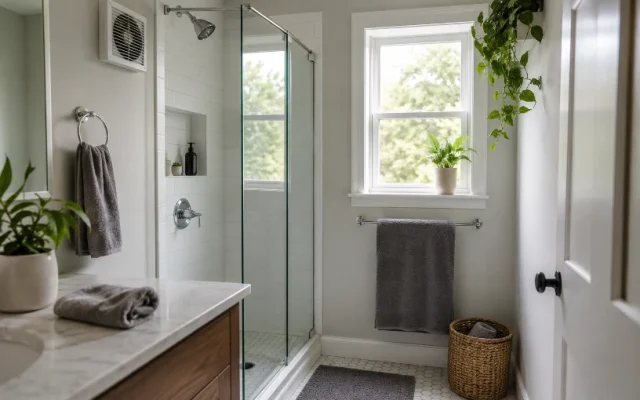
A simple bathroom arrangement might include neutral towels, a woven storage basket, matching soap dispensers, and a small plant.
The result feels organized without becoming overly decorative.
Rustic Scandinavian Interior Design: Warmth Meets Minimalism

Rustic Scandinavian design is ideal for anyone who appreciates minimalist interiors but prefers a slightly warmer, more lived-in appearance.
This variation combines the clean lines of modern Scandinavian furniture with natural textures, handcrafted accents, and vintage-inspired materials.
The overall effect is comfortable, timeless, and welcoming.
Mix Natural and Modern Materials
Rustic Scandinavian interiors benefit from contrasts.
A reclaimed-wood coffee table looks especially attractive beside a simple linen sofa.
Matte black lighting can complement natural wood furniture, while ceramic accessories soften more structured pieces.
The key is maintaining a limited palette so the different textures feel connected.
Incorporate Woven Accessories
Woven baskets, natural-fiber rugs, and rattan furniture introduce texture without requiring additional decorative clutter.
Baskets are especially useful in apartments because they combine organization with visual warmth.
A large woven basket can hold extra blankets beside the sofa, while smaller baskets organize accessories on shelves.
Consider Seagrass Storage Baskets, a Rattan Accent Chair, or a Boho Woven Pendant Light, depending on your available space and installation options.
Choose Earthy, Muted Colors
Rustic Scandinavian interiors often feature:
- Warm white and cream.
- Soft gray and oatmeal.
- Muted sage and olive.
- Natural wood browns.
- Charcoal and matte black.
- Occasional aged brass details.
For example, a small apartment dining nook could feature a natural wood table, linen-upholstered chairs, a woven rug, and a simple ceramic centerpiece.
This combination introduces character while maintaining the relaxed atmosphere of Scandinavian design.
Scandinavian Dining Room Ideas for Small Apartments

The dining table often becomes one of the most versatile pieces of furniture in an apartment.
Beyond meals, it may function as a workspace, hobby table, or gathering place for friends.
Scandinavian dining room design emphasizes durability, comfort, and flexibility.
Choose the Right Table Shape
A round table can work particularly well in a small dining nook because it eliminates sharp corners and allows people to move around it more easily.
Rectangular tables, meanwhile, fit naturally against walls or into narrow dining areas.
Extendable and drop-leaf tables offer additional flexibility.
| Table Style | Ideal Situation | Main Advantage |
|---|---|---|
| Round table | Small dining nook | Encourages conversation and easier movement |
| Extendable table | Occasional entertaining | Provides extra seating when needed |
| Drop-leaf table | Studio apartment | Reduces its footprint between meals |
| Narrow rectangular table | Long or compact dining space | Fits efficiently against a wall |
| Wall-mounted folding table | Very limited floor space | Can free floor area when folded, if installation is permitted |
A Farmhouse Extendable Dining Table is one example of a flexible dining furniture option.

Before purchasing, measure both the compact and fully extended dimensions to ensure the table will fit comfortably.
Favor Natural Wood Finishes
Scandinavian dining tables commonly feature oak, ash, beech, and other natural-looking finishes.
Visible wood grain adds character and makes the furniture feel less formal.
Lighter woods create an airy appearance, while medium brown tones introduce warmth.
You don’t necessarily need solid wood to achieve the aesthetic. High-quality wood veneer or durable wood-look finishes can provide a similar appearance at a lower cost.
Select Comfortable, Streamlined Chairs
Simple wooden chairs, upholstered seats, and classic wishbone-inspired designs work well with Scandinavian tables.
Keep the proportions appropriate for your dining area.
Chairs with slim frames may feel less visually imposing than oversized upholstered models.
Some recognizable design options include Wishbone Dining Chair Replicas and Eames-Style Molded Side Chair Replicas.
When considering replicas, pay attention to construction quality, stability, and comfort rather than appearance alone.
Finish With Understated Table Decor
A Scandinavian dining table doesn’t require an elaborate centerpiece.
A ceramic vase with seasonal greenery, a linen runner, or a small wooden bowl may be enough.
Keep the arrangement compact so the table remains practical for everyday use.
Scandinavian Design on a Budget: Where to Shop and What to Buy

One misconception about Scandinavian interior design is that it requires expensive designer furniture.
Although many iconic Nordic furniture pieces come with premium prices, the fundamental principles of the style are accessible at many different budgets.
A thoughtfully decorated apartment can incorporate secondhand furniture, affordable textiles, simple DIY projects, and carefully chosen investment pieces.
Know Where to Spend and Save
Prioritize comfort and durability when buying furniture that receives daily use.
A quality mattress or comfortable sofa may justify a larger portion of your budget.
Meanwhile, decorative accessories can be purchased inexpensively or gradually collected over time.
| Furniture or Decor | Spending Priority | Budget Strategy |
|---|---|---|
| Mattress | High | Invest in comfort and support |
| Sofa | High | Compare durable fabrics and secondhand options |
| Dining table | Medium | Consider used wood furniture |
| Side tables | Low | Shop thrift stores or affordable retailers |
| Throw pillows | Low | Update covers instead of inserts |
| Storage baskets | Low | Buy coordinated options gradually |
| Lighting | Medium | Choose practical plug-in fixtures |
Shop Outlets and Secondhand Marketplaces
Affordable Scandinavian-inspired furniture can often be found through:
- IKEA clearance and As-Is sections.
- West Elm Outlet locations.
- Crate & Barrel Outlet stores.
- Facebook Marketplace.
- OfferUp.
- AptDeco, where available.
- Local thrift stores and furniture resale shops.
Secondhand wood furniture is particularly worth considering.
A sturdy used coffee table or dining chair can often be refreshed with cleaning, refinishing, or updated upholstery.
Check furniture carefully for damage, pests, odors, and structural stability before bringing it into your apartment.
Try Simple DIY Improvements
Small changes can give basic furniture a Scandinavian-inspired appearance.
Consider painting a freestanding side table, replacing the legs on an owned sofa, or adding removable accessories to a bookshelf.
Another easy option is replacing mismatched decorative objects with a few coordinated pieces.
For renters, avoid permanently altering existing cabinetry, fixtures, or walls unless your landlord approves.
You don’t need to transform the entire apartment at once.
Start with one area, establish a clear design direction, and expand gradually.
How to Create a Cohesive Scandinavian Apartment

A cohesive interior is one of the most recognizable features of Scandinavian design.
Rather than treating every room as a separate decorating project, use a consistent combination of colors, materials, and finishes throughout the apartment.
Build a Simple Color Palette
Choose three or four main colors to repeat across rooms.
For example:
| Design Role | Suggested Color or Finish |
|---|---|
| Primary color | Warm white |
| Secondary color | Light beige |
| Natural material | Oak |
| Accent color | Sage green |
| Hardware finish | Matte black |
The living room could feature a cream sofa and oak coffee table, while the bedroom uses white bedding, a wood bedside table, and sage green cushions.
This repetition makes the apartment feel visually connected.
Repeat Natural Materials
Materials can provide continuity even when the rooms serve different purposes.
If your living room features light oak furniture, introduce a similar wood tone through kitchen accessories or bedroom furnishings.
Likewise, woven baskets can appear in the living room, bathroom, and entryway.
Consistency doesn’t mean everything needs to match exactly.
Small variations in texture and tone create a more interesting, lived-in result.
Keep Lighting Consistent
Lighting influences how colors and materials appear throughout your home.
Using similar warm-white bulb temperatures helps maintain a comfortable atmosphere.
You can also repeat one or two fixture finishes, such as matte black or brushed brass, to establish visual continuity.
Learn more about minimalist lighting and decor for ideas that complement Scandinavian interiors.
Renter-Friendly Scandinavian Decorating Ideas
One of the greatest advantages of Scandinavian design is that it doesn’t depend on permanent renovations.
Many of its most effective features come from furniture, textiles, lighting, and organization.
For apartment renters, the following improvements can provide a noticeable transformation without changing the property’s structure.
Use Removable Window Treatments
Lightweight curtains add softness while helping regulate brightness and privacy.
Use existing curtain hardware where possible, or approved removable solutions that can safely support the fabric’s weight.
Add Area Rugs
Area rugs can soften hard flooring, define individual living zones, and introduce texture.
A large neutral rug can visually connect the sofa, coffee table, and accent chairs.
Use a suitable nonslip rug pad to reduce movement.
Choose Freestanding Storage
Ladder-style shelves, narrow bookcases, storage benches, and compact organizers help reduce clutter.
Select appropriately sized furniture that doesn’t obstruct walkways.
Anchor tall or unstable furniture according to manufacturer instructions, especially in homes with children or pets.
Decorate With Art and Textiles
Simple framed artwork, woven wall accents, and neutral bedding contribute personality without requiring extensive changes.
Use hanging methods appropriate for the wall material, item weight, and lease rules.
Create Defined Activity Zones
Even a studio apartment can benefit from separate areas for sleeping, relaxing, and working.
A small rug can establish the living area, while a slim desk creates a functional workspace.
Furniture placement can provide visual separation without adding walls or bulky room dividers.
For additional space-saving inspiration, explore how to use vertical storage to create more room.
Common Scandinavian Apartment Decorating Mistakes
While Scandinavian design appears simple, a few common mistakes can prevent an apartment from feeling comfortable.
Using too much white: White walls and furniture can create brightness, but an entirely white interior may lack warmth. Introduce wood tones, woven materials, and subtle colors.
Choosing furniture that’s too large: Oversized sectionals, bulky tables, and deep storage cabinets can overwhelm small rooms. Measure your space before purchasing.
Removing too much personality: Minimalism doesn’t mean eliminating every meaningful possession. Display a few personal items that make your home feel authentic.
Ignoring lighting: An attractive interior can feel uninviting under harsh overhead lights. Use several smaller lighting sources to create atmosphere.
Overdecorating shelves: Too many baskets, plants, books, and decorative objects can make a room look busy. Leave some open space between items.
Prioritizing appearance over comfort: A beautiful chair isn’t a good investment if you dislike sitting in it. Function and comfort should remain essential.
A Simple Scandinavian Apartment Decorating Checklist
Before making major purchases, use this checklist to identify which improvements will provide the most value.
- Choose a consistent neutral color palette.
- Maximize available natural light.
- Measure rooms and furniture dimensions.
- Select practical, appropriately sized furniture.
- Introduce natural wood and woven textures.
- Add comfortable rugs, cushions, and throws.
- Combine ambient, task, and accent lighting.
- Organize frequently used belongings.
- Keep countertops and walkways relatively clear.
- Add plants or other natural decorative elements.
- Repeat complementary materials across rooms.
- Prioritize removable, renter-friendly improvements.
You don’t need to complete every item immediately. Even two or three thoughtful changes can noticeably improve how an apartment looks and functions.
Final Thoughts: Make Scandinavian Design Work for Your Apartment
Scandinavian design for apartments isn’t simply about white walls, light wood furniture, or minimalist decorations.
It’s about creating a home that supports your everyday routines while offering a comfortable place to unwind.
By maximizing natural light, choosing functional furniture, adding warm textures, and maintaining a cohesive color palette, you can make a compact apartment feel more spacious and inviting.
You can also adapt the style to your personal preferences. Some apartments benefit from a clean, contemporary Scandinavian aesthetic, while others feel more welcoming with rustic furniture, vintage accessories, or subtle color accents.
What matters most is finding the right balance between beauty and practicality.
Start with simple improvements. Replace bulky accessories with streamlined alternatives, introduce a soft area rug, rearrange furniture for better movement, or add warm lighting to your favorite corner.
Over time, those small decisions can transform your apartment into a relaxing, functional home inspired by Scandinavian living.
If you’re planning a move or searching for a new space to decorate, explore available Houston apartments and look for floor plans with natural light, practical storage, and flexible living areas.
Frequently Asked Questions About Scandinavian Apartment Design
1. What is Scandinavian design in an apartment?
Scandinavian apartment design combines minimalist furniture, neutral colors, natural materials, and practical layouts to create a comfortable, organized living environment.
2. Is Scandinavian design suitable for small apartments?
Yes. Space-saving furniture, light colors, streamlined layouts, and thoughtful storage make Scandinavian design particularly effective in studios and smaller apartments.
3. What colors work best for Scandinavian interiors?
Warm white, cream, beige, pale gray, sage green, and natural wood tones are common choices. Small accents of charcoal, navy, or terracotta can provide contrast.
4. How can I make a Scandinavian apartment feel cozy?
Layer soft blankets, textured pillows, area rugs, and warm lighting. Natural wood accessories and personal decorations also help create a more welcoming atmosphere.
5. Can Scandinavian design work in a rental apartment?
Absolutely. Removable window treatments, freestanding furniture, rugs, plug-in lamps, and coordinated storage allow renters to embrace the style without major renovations.
6. What furniture is best for Scandinavian apartments?
Choose simple, functional furniture with clean lines and practical proportions. Storage ottomans, extendable dining tables, slim sofas, and compact shelving are particularly useful.
7. Is Scandinavian interior design expensive?
It doesn’t have to be. Affordable retailers, secondhand furniture, thrift stores, and simple DIY improvements can help create the look without a large decorating budget.
8. What is the difference between Scandinavian and rustic Scandinavian design?
Traditional Scandinavian design emphasizes simplicity, light colors, and functional furniture. Rustic Scandinavian design incorporates additional natural textures, weathered wood, and vintage-inspired elements.
9. How do I decorate a Scandinavian-style living room?
Begin with neutral furniture, add natural wood accents, and layer comfortable textiles. Finish with warm lighting, a few plants, and carefully selected decorative accessories.
10. How can I keep Scandinavian decor consistent throughout my apartment?
Repeat a limited selection of colors, natural materials, and furniture finishes across rooms. Consistent lighting and similar textures will help the entire apartment feel cohesive.