

A small outdoor space can become one of the most enjoyable areas of a home when the right materials bring everything together. Whether you’re decorating a compact balcony, updating a courtyard, or transforming a modest patio, choosing the right outdoor tile brands can make a noticeable difference in both appearance and long-term performance.
Unlike large backyards, smaller outdoor areas leave little room for design mistakes. Every surface contributes to the overall atmosphere, and the flooring often becomes the most prominent visual element. The wrong tile can make a space feel cramped, difficult to maintain, or disconnected from the surrounding architecture.
Fortunately, today’s outdoor tile brands offer far more than basic concrete-look squares. Homeowners can choose from textured porcelain, handcrafted finishes, terrazzo-inspired patterns, natural stone, and contemporary pavers designed to withstand outdoor conditions.
However, attractive designs alone aren’t enough. Outdoor tiles must also handle moisture, changing temperatures, foot traffic, and daily exposure to the elements.
This guide explores five outdoor tile brands worth considering for smaller spaces, explains what makes each one distinctive, and provides practical advice for selecting materials that remain attractive and functional over time.
Why Outdoor Tile Selection Matters More in Small Spaces

In a spacious backyard, landscaping, furniture, and architectural features naturally compete for attention. A small patio or balcony works differently.
Because the floor occupies such a large percentage of the visible area, its color, texture, and layout influence the entire design.
Light-colored porcelain can make a narrow balcony feel brighter and more open. Meanwhile, warm stone-look tiles can transform a plain concrete courtyard into a welcoming outdoor retreat.
Even the direction of the tile pattern matters.
Long rectangular tiles, for example, can emphasize the length of a narrow terrace. Larger square tiles may reduce the number of visible grout lines, creating a cleaner and more continuous appearance.
But aesthetics are only part of the equation.
Smaller spaces also tend to experience concentrated wear. Furniture frequently occupies the same spots, walking routes remain consistent, and moisture may accumulate if drainage is inadequate.
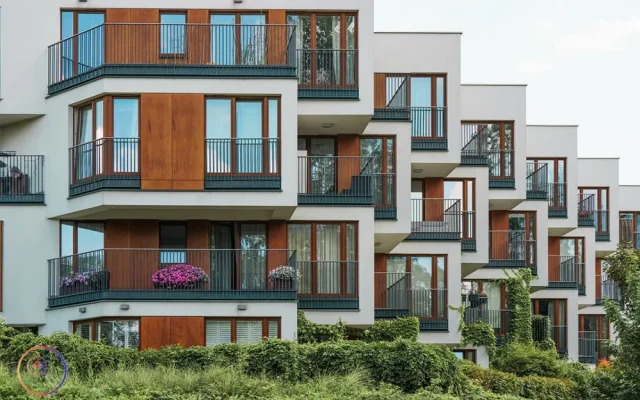
For anyone considering a balcony floor upgrade, selecting materials suitable for the actual conditions is essential.
Homeowners can usually explore more permanent installation options, while apartment renters should first determine whether property management permits flooring modifications.
If you’re still developing your design concept, these interior design guidance for renters resources can provide useful ideas for coordinating colors, proportions, and furnishings.
The goal is simple: select flooring that enhances the available space without creating unnecessary maintenance or installation problems.
What Makes a Good Outdoor Tile?
Before comparing outdoor tile brands, it’s important to understand the characteristics that distinguish reliable exterior flooring from attractive indoor materials.
1. Slip Resistance for Wet Conditions
Slip resistance deserves particular attention on uncovered balconies, patios, outdoor stairs, and poolside surfaces.
Rainwater, condensation, and pool splashes can make unsuitable flooring dangerously slippery.
In the United States, ANSI A326.3 provides a method for measuring the dynamic coefficient of friction (DCOF) of hard surface flooring materials.
Although a wet DCOF value of 0.42 is commonly associated with level interior wet applications, that number should not be treated as a universal requirement for exterior floors.
For outdoor installations, look for products specifically classified or approved by the manufacturer for exterior wet use.
Textured finishes and appropriate drainage also contribute to safer conditions.
2. Weather and Freeze-Thaw Resistance
Outdoor tiles encounter temperature changes that interior flooring rarely experiences.
In colder climates, moisture can penetrate certain materials and expand as temperatures fall below freezing. Repeated freeze-thaw cycles may eventually cause cracking, deterioration, or installation failure.
Porcelain is often a dependable choice because qualifying porcelain tiles have a water absorption rate of 0.5% or less.
However, low absorption alone does not guarantee that a tile or complete installation will withstand every exterior environment.
Always verify the manufacturer’s exterior-use and freeze-thaw recommendations for the specific product.
3. UV and Color Stability
Outdoor flooring frequently receives hours of direct sunlight.
Certain pigments, coatings, and surface treatments can change appearance over time. A material that looks beautiful indoors might gradually lose its original character under intense sun exposure.
Quality outdoor-rated porcelain generally provides good resistance to fading, making it particularly appealing for sunny terraces.
Natural stone can also age attractively, although some varieties may experience changes in color or surface appearance.
4. Maintenance Requirements
A beautiful tile that demands constant attention may not be practical for a compact outdoor space.
Porcelain typically requires routine sweeping and occasional washing without regular sealing.
Natural stone, cement, and terracotta may need additional maintenance, depending on their porosity, finish, and installation conditions.
Consider how frequently you’re willing to clean, seal, or inspect the surface before committing to a material.
5. Size, Thickness, and Installation Compatibility
Tile dimensions affect both appearance and installation.
Large-format tiles create a streamlined look, but complicated layouts can result in excessive cutting and material waste.
Thicker outdoor pavers may work well on properly engineered patios or pedestal systems, but they are not automatically appropriate for elevated balconies.
Always evaluate drainage, waterproofing, structural loading, door clearance, and installation requirements.
Top 5 Outdoor Tile Brands for Small Spaces
The following outdoor tile brands offer different strengths, from distinctive architectural finishes to practical porcelain pavers.
Rather than identifying one universally superior company, the comparison focuses on which brand may be best suited to particular small-space design goals.
1. OUTERclé — Best for Design-Focused Outdoor Spaces

Best for: Contemporary courtyards, boutique-style patios, sophisticated terraces, and compact outdoor areas where material character is a priority.
OUTERclé stands out among outdoor tile brands for its emphasis on distinctive materials, artistic finishes, and architectural personality.
Associated with the design-driven approach of clé tile, OUTERclé offers an outdoor-focused collection that includes ceramic, stone, brick, cement, terrazzo, and other material options.
Its appeal comes from the ability to introduce texture and visual interest without relying entirely on elaborate patterns.
For smaller areas, this versatility can be particularly valuable.
A basic rectangular patio may benefit from subtle terrazzo movement, while a narrow garden passage can gain character through the repetition of elongated brick shapes.
The brand’s collections include options such as Dolce Vita Terrazzo and FezBrick, giving designers opportunities to experiment with warmer, more expressive surfaces.
Those exploring luxury outdoor tiles for contemporary landscapes will find a broad range of finishes that can complement natural landscaping, modern architecture, and carefully selected outdoor furniture.
Why OUTERclé works in small spaces
The biggest advantage is the ability to create a distinctive atmosphere using relatively little material.
In a large outdoor setting, decorative flooring may become just one element of the landscape. In a compact courtyard, the same material can establish the entire design direction.
Consider a small patio with simple black furniture, light-colored planters, and a warm terrazzo-inspired floor.
Rather than introducing several competing decorative features, the flooring provides much of the visual interest.
Things to consider
Not every material or finish in the catalogue is appropriate for every exterior floor.
Some products are intended for specific wall, floor, or environmental applications. Others may require special installation methods or maintenance.
Review the technical specifications carefully, especially for uncovered balconies, pool surrounds, and freezing climates.
Design tip: Pair a subtly textured tile with simple outdoor furniture and restrained landscaping. Allow the flooring to provide character without overcrowding the space.
2. Ann Sacks — Best for Refined, Timeless Outdoor Design
Best for: Elegant terraces, upscale balconies, compact pool areas, and outdoor spaces designed to coordinate with sophisticated interiors.
Ann Sacks has established a reputation for decorative surfaces and thoughtfully selected architectural materials.
Its outdoor offering includes flooring, pavers, pool and fountain tile, and collections suitable for certain indoor-outdoor applications.
For homeowners who prefer an elegant, cohesive appearance, Ann Sacks provides considerable design flexibility.
One of its most useful qualities is the opportunity to coordinate exterior materials with surrounding indoor finishes.
Imagine a small terrace connected to a living room through sliding glass doors.
Choosing outdoor flooring with a similar color palette to the interior can make the transition feel more natural and visually extend the living space.
This technique can be especially effective in townhomes, garden apartments, or homes with smaller transitional outdoor zones.
Why Ann Sacks works in small spaces
Small outdoor areas often benefit from a restrained design approach.
Instead of combining multiple colors and elaborate patterns, homeowners can use subtle texture, carefully selected proportions, and consistent tones to create visual harmony.
The brand’s outdoor selection includes options that support both understated designs and more decorative spaces.
Things to consider
Ann Sacks serves a design-conscious market, and some products may involve premium material costs.
Additionally, products intended for exterior walls, pool waterlines, or indoor-outdoor settings do not necessarily share the same performance requirements.
Confirm the recommended application for each specific tile before purchasing.
Design tip: Coordinate the outdoor flooring with an interior material, but introduce a slightly more textured exterior finish where necessary for wet-weather performance.
3. Fireclay Tile — Best for Handmade Character and Warmth
Best for: Covered patios, outdoor kitchen walls, small garden courtyards, and compact areas that benefit from handcrafted appeal.
Fireclay Tile is a compelling option for homeowners who want outdoor surfaces with distinctive color, texture, and personality.
The brand is particularly associated with its crafted ceramic tile aesthetic, including subtle surface variation and color depth.
Its approved exterior collections include ceramic, brick, and glass options, with the company providing guidance on outdoor suitability and freeze-thaw testing.
For compact outdoor spaces, this combination of visual warmth and application-specific guidance can be valuable.
A small covered porch, for example, may feel more welcoming with a softly varied tile surface than with a completely uniform finish.
Likewise, a tiled feature wall can introduce color without requiring every part of the patio to become decorative.
Why Fireclay Tile works in small spaces
Handmade-style surfaces introduce variation that is particularly noticeable at close range.
On a small terrace, subtle differences between individual tiles can make an otherwise simple installation appear more layered and intentional.
The brand’s rectangular and brick-inspired options can also work well in compact layouts.
For homeowners who prefer expressive designs, Fireclay provides alternatives to conventional stone-look porcelain.
Things to consider
Exterior suitability can vary between collections and finishes.
A tile approved for an outdoor wall may not be suitable for a rain-exposed walking surface.
It’s also worth reviewing installation details before selecting handcrafted materials, since variation in dimensions and appearance may affect the final layout.
Design tip: Use colorful or handmade-style tile on one focal surface, such as an outdoor kitchen backsplash, while keeping the surrounding flooring neutral.
4. Arizona Tile — Best for Practical Outdoor Porcelain
Best for: Small patios, porches, rooftop terraces, outdoor walkways, and areas where durability and straightforward design are priorities.
Arizona Tile offers a practical approach to exterior flooring, making it attractive for homeowners who prioritize both performance and appearance.
Its Outer Limits collection includes materials intended for various exterior applications, while its R11-finish selections provide enhanced traction for suitable wet environments.
The company offers contemporary porcelain designs that can imitate natural stone, concrete, and other architectural materials.
These finishes are particularly useful for compact spaces where simplicity creates the strongest visual effect.
Consider a narrow backyard patio.
Rather than using several small decorative tiles, a consistent porcelain surface in a warm beige or soft gray can create a calmer appearance.
Fewer visual interruptions may help the area feel more spacious.
Why Arizona Tile works in small spaces
Arizona Tile is especially appealing when homeowners want clean lines and practical specifications.
Certain collections include formats suitable for contemporary outdoor layouts, allowing designers to minimize unnecessary pattern changes.
Its R11-finish options are also worth exploring for exterior areas exposed to moisture, provided the particular product is approved for the intended application.
Things to consider
Larger formats require careful planning.
On a very narrow patio, oversized tiles can produce awkward edge cuts or increase waste.
Some outdoor pavers also require particular installation systems, depending on their thickness and intended use.
Check the product’s recommended applications rather than assuming every outdoor collection can be installed in the same way.
Design tip: Choose a consistent stone-look porcelain and align the layout with the longest visible edge of the patio to emphasize continuity.
5. Country Floors — Best for Material Variety and Natural Style
Best for: Small courtyards, Mediterranean-inspired patios, compact pool surrounds, and homeowners comparing porcelain with natural stone.
Country Floors provides a diverse outdoor selection that includes porcelain pavers, travertine, marble, and other stone products.
This variety makes it especially useful for homeowners who are still deciding which material best suits their outdoor space.
Its porcelain offerings include textured pavers, while its natural stone selection provides alternatives for those who prefer organic color variation and traditional architectural character.
For example, a compact courtyard surrounded by greenery might benefit from warm travertine tones.
A modern apartment terrace, on the other hand, may look better with understated porcelain that resembles limestone or concrete.
Why Country Floors works in small spaces
The brand makes it easier to explore different design directions within the same general category of exterior materials.
Homeowners can compare the appearance and practical characteristics of textured porcelain against natural stone before deciding.
This is valuable when the floor needs to complement existing brickwork, garden walls, outdoor furniture, or landscaping.
Things to consider
Different materials require different maintenance routines.
Porcelain generally offers simpler maintenance, while natural stone may require sealing, specialized cleaning products, and additional attention to weather exposure.
Slip resistance also depends on the specific surface finish.
A polished stone and a textured or tumbled version of the same material can behave very differently when wet.
Design tip: Combine a warm neutral paver with greenery, natural wood furniture, and simple planters to create a relaxed outdoor atmosphere.
Outdoor Tile Brand Comparison
Each brand offers a different combination of design flexibility, material selection, and practical considerations.
| Brand | Main Strength | Best Small-Space Application | Key Consideration |
|---|---|---|---|
| OUTERclé | Distinctive textures and architectural character | Design-focused patios and courtyards | Verify product-specific exterior suitability |
| Ann Sacks | Refined finishes and coordinated design | Elegant terraces and balconies | Premium material selection and cost |
| Fireclay Tile | Handcrafted appearance and color | Covered patios and feature surfaces | Confirm floor versus wall suitability |
| Arizona Tile | Practical porcelain and exterior finishes | Porches, patios, and rooftop terraces | Match format and installation system |
| Country Floors | Porcelain and natural stone variety | Courtyards and small pool areas | Maintenance differs by material |
No single brand is automatically the best for every project.
The right choice depends on the available space, weather exposure, installation requirements, and the appearance you’re trying to achieve.
How to Choose the Right Tile Size for a Small Patio or Balcony
Tile dimensions have a surprisingly strong influence on how spacious an outdoor area feels.
However, larger tiles do not always make smaller spaces appear bigger.
The most effective size depends on the layout, shape, and number of obstacles.
Large-Format Tiles
Larger tiles can create a continuous appearance with fewer grout lines.
They are particularly effective in simple rectangular patios where the layout accommodates full pieces without excessive cutting.
For example, a 24-by-24-inch porcelain paver may work well in an appropriately sized terrace.
However, the same format may be inconvenient in a narrow balcony with irregular corners.
Medium-Format Tiles
Medium-sized tiles often provide a balance between visual continuity and installation flexibility.
They can accommodate furniture, planters, and uneven layouts while maintaining a structured appearance.
Rectangular formats may also help emphasize the direction of a narrow patio.
Small-Format Tiles
Smaller tiles provide greater flexibility for detailed layouts and decorative patterns.
They may work particularly well around curved edges, steps, or small architectural features.
The tradeoff is a greater number of grout joints, which can require more cleaning and make a compact area look busier.
Choosing the Right Pattern
A few simple design strategies can improve the final appearance:
- Use consistent colors to create visual continuity.
- Align rectangular tiles with the most important sightline.
- Avoid unnecessarily complicated patterns in very small areas.
- Select grout colors that complement rather than sharply contrast with the tile.
- Plan the layout before purchasing to reduce narrow edge cuts.
A thoughtfully planned medium-format installation can look better than an oversized layout with awkward proportions.
Porcelain vs. Natural Stone vs. Cement Tile
Selecting a brand is only one part of the decision. The material itself determines how the outdoor floor performs over time.
| Material | Advantages | Limitations | Ideal Use |
|---|---|---|---|
| Porcelain | Low water absorption, durable, generally easy to clean | Some finishes are unsuitable for wet areas | Exposed patios and many outdoor walking surfaces |
| Natural stone | Organic appearance, individual variation, timeless style | May require sealing and climate-specific selection | Courtyards and traditional outdoor designs |
| Cement tile | Distinctive patterns and decorative finishes | Often requires more sealing and maintenance | Approved, lower-exposure decorative applications |
| Terracotta | Warm color and rustic character | Porosity and frost suitability vary | Suitable mild-climate patios and covered areas |
For homeowners who want low-maintenance exterior flooring, outdoor-rated porcelain is frequently the most practical starting point.
However, natural stone and other decorative materials may be worth the additional maintenance when their appearance is central to the design.
Important Installation Considerations
Even a high-quality outdoor tile can fail if installed incorrectly.
Before beginning a project, evaluate the following factors.
Drainage and Waterproofing
Water must be able to drain away from the tiled surface.
An improperly sloped patio may develop standing water, while an incorrectly waterproofed balcony can allow moisture to damage the structure beneath it.
A professional installer should determine the appropriate slope, drainage details, waterproofing system, and movement joints.
Substrate Condition
The surface beneath the tile must be structurally sound and appropriate for the selected installation.
Cracked concrete, unstable substrates, and existing moisture problems should be addressed before installation.
Installing new tile over an unsuitable base can lead to cracking, loose tiles, and expensive repairs.
Weight and Structural Capacity
This consideration is especially important for elevated balconies and rooftop terraces.
Natural stone and thick outdoor pavers can add substantial weight.
Never assume that a balcony can support a new flooring system without confirming its structural capacity.
Exterior-Rated Installation Materials
Tile, mortar, grout, membranes, and associated components should be compatible with exterior conditions and with one another.
The manufacturer and installer should also account for temperature expansion, substrate movement, and local environmental conditions.
Can Renters Upgrade Outdoor Balcony Flooring?
Renters can improve their outdoor spaces, but permanent tile installation is usually not the most practical option without written property approval.
Apartment balconies may have strict requirements involving waterproofing, drainage, structural loading, and exterior appearance.
Instead of permanently attaching tile, some renters explore removable outdoor flooring systems.
These might include interlocking deck tiles or modular surfaces specifically approved for balcony use.
However, removable doesn’t automatically mean safe or permitted.
Any flooring system must avoid blocking drains, trapping damaging moisture, interfering with doors, or exceeding permitted loads.
Before purchasing materials, check the lease and ask property management which options are acceptable.
A carefully selected temporary floor, paired with comfortable furniture and a few planters, can often produce a substantial visual improvement without permanent alterations.
Common Outdoor Tile Mistakes to Avoid
Even experienced homeowners sometimes overlook details that become expensive to correct.
Choosing appearance over performance: A beautiful indoor tile is not necessarily suitable for an exterior patio. Always check the manufacturer’s approved applications.
Ignoring drainage: Water accumulation can damage installations and increase slipping hazards.
Selecting a finish that is too smooth: Polished or glossy surfaces may be unsuitable where rainwater or pool splashes are common.
Using too many competing patterns: In a compact space, excessive pattern changes can make the area look cluttered.
Forgetting maintenance: Natural materials may require periodic care that some homeowners prefer to avoid.
Overlooking total installation cost: The tile price is only part of the budget. Substrate preparation, waterproofing, labor, edge finishing, and waste all affect the final cost.
Skipping samples: Tiles can look dramatically different in natural sunlight compared with showroom lighting or online photographs.
Whenever possible, examine samples in the actual outdoor location at different times of day.
How to Make a Small Outdoor Space Look More Expensive
Beautiful outdoor design doesn’t necessarily require a large area or an elaborate renovation.
In many cases, restraint creates the strongest result.
Start with one cohesive flooring material. Neutral colors such as warm beige, limestone gray, muted terracotta, and soft cream can provide a versatile foundation.
Next, introduce texture through furniture and landscaping.
A small wooden bench, a compact café table, and a few carefully selected planters may be enough to create a complete setting.
Lighting can further enhance the atmosphere. Soft outdoor lighting helps establish depth and makes the area inviting after sunset.
Finally, avoid overcrowding the space.
Choose furniture that fits the available footprint and leaves sufficient room to move comfortably.
For more inspiration, our guide to creating the perfect outdoor relaxation area at home explores how layout, materials, and furnishings contribute to comfortable outdoor living.
Final Thoughts: Which Outdoor Tile Brand Should You Choose?
The best outdoor tile brands combine visual appeal with materials appropriate for actual exterior conditions.
For homeowners who prioritize distinctive finishes and architectural personality, OUTERclé offers a compelling selection.
Ann Sacks is worth exploring for refined outdoor spaces that coordinate with upscale interiors, while Fireclay Tile appeals to those who prefer handcrafted warmth and color.
For practical porcelain flooring and contemporary finishes, Arizona Tile provides useful options. Meanwhile, Country Floors offers flexibility for homeowners comparing porcelain with natural stone.
Ultimately, the best choice isn’t determined by the brand name alone.
A successful outdoor installation depends on selecting the right product, confirming its performance characteristics, and installing it correctly.
Whether you’re improving a tiny balcony, designing a peaceful courtyard, or refreshing a compact patio, thoughtful tile selection can help the space feel more comfortable, cohesive, and enjoyable for years.
Frequently Asked Questions (FAQs)
1. What is the best type of outdoor tile for small spaces?
Exterior-rated porcelain is often an excellent choice because it combines durability, low water absorption, and relatively simple maintenance. The best product should also suit the area’s moisture exposure and installation requirements.
2. Which outdoor tile brand is best for modern patios?
OUTERclé and Arizona Tile are both worth considering. OUTERclé emphasizes distinctive architectural finishes, while Arizona Tile offers contemporary porcelain surfaces and practical outdoor options.
3. Do large tiles make small patios look bigger?
Large tiles can create a more continuous appearance by reducing visible grout lines. However, medium-sized formats may work better in narrow or irregular spaces where oversized tiles require excessive cutting.
4. What slip-resistance rating should outdoor tiles have?
Look for manufacturer-approved exterior wet-use products rather than relying on one DCOF number. Surface texture, drainage, footwear, and the specific environment all influence slip resistance.
5. Can indoor tiles be installed outdoors?
Only when the manufacturer specifically approves them for the intended exterior application. Indoor tiles may lack the moisture, weather, or surface characteristics required outside.
6. Are porcelain tiles better than natural stone for patios?
Porcelain generally requires less maintenance and offers good resistance to moisture and staining. Natural stone provides unique visual character but may require sealing and additional care.
7. What color tile makes a small balcony look larger?
Light neutrals such as cream, beige, and pale gray often help create an open appearance. Consistent colors and minimal grout contrast can further enhance visual continuity.
8. Can outdoor tiles withstand freezing temperatures?
Many exterior-rated porcelain products are suitable for freezing climates, but performance depends on the specific material and complete installation. Confirm freeze-thaw suitability with the manufacturer.
9. Can renters install outdoor tiles on apartment balconies?
Permanent tile installation typically requires property approval. Some properties may permit removable flooring systems, provided they meet structural, drainage, and lease requirements.
10. How long do outdoor tiles last?
Properly selected and installed outdoor tiles can remain functional for many years. Their service life depends on material quality, climate, installation methods, maintenance, and exposure to wear.