
Moving into a new place is exciting, but outdated or damaged flooring can quickly take some of the enjoyment out of your new home. Whether you’re dealing with worn-out carpet, scratched hardwood, cracked tiles, or aging vinyl, understanding the cost of a flooring upgrade is an important first step toward creating a comfortable living space.
Fortunately, estimating flooring upgrade costs doesn’t have to involve days of research or multiple contractor appointments. Online flooring calculators now make it possible to explore material choices, compare installation expenses, and develop a preliminary budget in about a minute.
For renters preparing to move into an apartment or homeowners planning renovations before moving day, knowing what a flooring project might cost can make the entire process easier.
This guide explains how to estimate flooring upgrade costs in 60 seconds, compare popular flooring materials, identify potential hidden expenses, and plan improvements without disrupting your move.
Why You Should Estimate Flooring Costs Before Moving In
Moving expenses can add up surprisingly quickly. Between security deposits, moving services, utility connections, furniture purchases, and other necessities, it’s easy to overlook the cost of updating your floors.
However, flooring plays a major role in how a home looks, feels, and functions.
Old carpeting may hold odors and show permanent stains. Scratched hardwood can make otherwise attractive rooms appear neglected, while outdated vinyl or tile may clash with your preferred interior design.
Replacing or refinishing these surfaces can dramatically improve the appearance of a property.
The challenge is determining whether the improvements fit within your budget.
Traditionally, obtaining flooring estimates meant contacting several contractors, explaining the project, arranging appointments, and comparing written proposals. Although professional inspections remain valuable, this process can take time.
A flooring cost calculator provides a convenient starting point.
Instead of waiting for multiple appointments, you can enter basic project information and receive a preliminary estimate that helps you decide which flooring options deserve further consideration.
This is particularly useful when your move-in date is approaching and you’re trying to coordinate several tasks at once.
How to Estimate Flooring Upgrade Costs in 60 Seconds
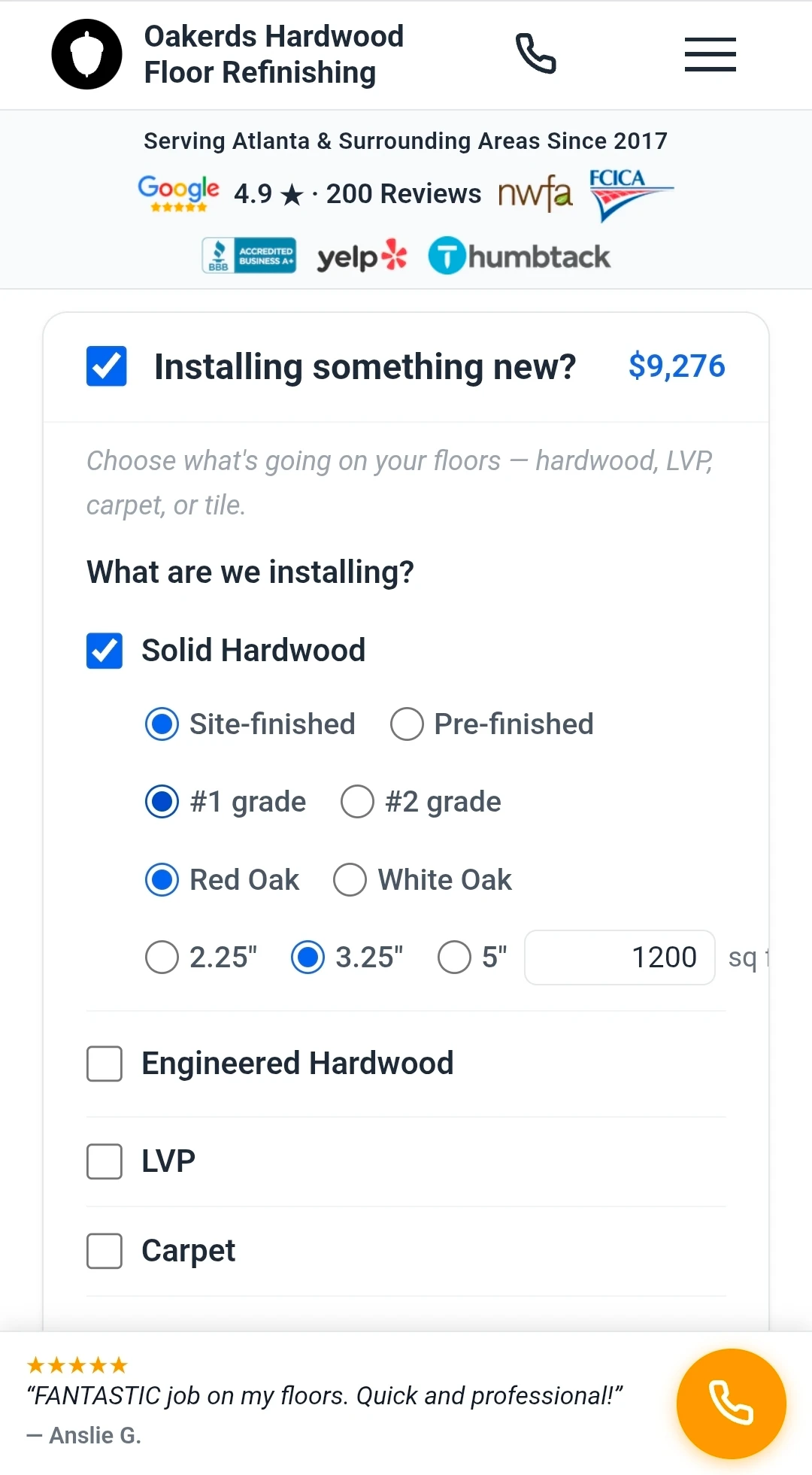
One convenient option for homeowners in the Atlanta area is the Oakerds Flooring Quote Calculator.
Developed by a flooring contractor serving metro Atlanta, the calculator is designed to help users estimate the cost of different flooring services using project-specific information.
Rather than relying exclusively on broad national price averages, it uses the company’s local pricing structure to generate estimates.
Step 1: Identify the Flooring Work You Need
Start by selecting the type of project you’re considering.
Depending on your existing flooring and renovation plans, this may include:
- Removing old carpeting, hardwood, tile, or luxury vinyl plank.
- Installing new solid or engineered hardwood.
- Replacing existing flooring with luxury vinyl plank (LVP).
- Installing new carpet.
- Updating tile flooring.
- Sanding and refinishing existing hardwood.
- Replacing stair treads or finishing trim.
- Installing quarter-round molding.
You may need more than one service, particularly if you’re upgrading several rooms.
For example, you might remove carpet from two bedrooms, refinish hardwood in the living room, and install waterproof LVP in the kitchen.
The calculator allows you to combine different flooring tasks to estimate the overall project cost.
Step 2: Choose Your Flooring Materials
Next, select your preferred materials.
Your choice can significantly affect the final price.
Solid hardwood, for example, generally costs more than many basic carpet or vinyl options. However, hardwood can last for decades with appropriate maintenance and may be refinished several times, depending on its thickness and condition.
Luxury vinyl plank provides a different combination of benefits, including durability, attractive wood-look designs, and relatively straightforward maintenance.
Carpet remains popular in bedrooms because it creates a softer surface and can help reduce noise.
Before choosing, consider how you use each room, your budget, and the amount of maintenance you’re comfortable performing.
Step 3: Enter Your Square Footage
Most flooring estimates depend heavily on the size of the installation area.
Measure the length and width of each room in feet, then multiply those numbers to calculate the approximate square footage.
For example, a room measuring 12 feet by 15 feet contains:
12 × 15 = 180 square feet
If you’re renovating multiple rooms, calculate each area separately and add the results.
Remember that irregular floor plans, closets, hallways, and staircases may require additional measurements.
Material ordering may also require an allowance for waste from cutting and fitting.
Step 4: Review Your Preliminary Estimate
After entering the relevant details, review the calculated price.
This estimate can help you understand how different services and materials affect your renovation budget.
You can also compare alternative flooring combinations.
For instance, if installing hardwood throughout the property exceeds your budget, you might explore refinishing existing wood in some rooms and installing LVP elsewhere.
The calculator is designed to make these comparisons convenient without requiring an initial phone call or account registration.
However, remember that online estimates are preliminary. Actual pricing may change after a contractor inspects the flooring, confirms measurements, and evaluates the condition of the subfloor.
Comparing Popular Flooring Options for Your New Home
Before making a decision, it’s helpful to understand the differences between commonly used flooring materials.
Each option offers advantages depending on your lifestyle, renovation budget, and long-term plans.
| Flooring Type | Main Advantages | Important Considerations |
|---|---|---|
| Solid hardwood | Long-lasting, classic appearance, often refinishable | Higher initial cost and sensitivity to moisture |
| Engineered hardwood | Natural wood appearance and dimensional stability | Refinishing potential varies by product |
| Luxury vinyl plank | Durable, easy to maintain, available in many designs | Quality, warranties, and water resistance vary |
| Carpet | Soft, comfortable, and helps absorb sound | Requires regular cleaning and may retain stains |
| Ceramic or porcelain tile | Durable and well suited to moisture-prone areas | Hard underfoot and may require extensive preparation |
| Hardwood refinishing | Restores existing flooring and preserves original materials | Depends on the condition and thickness of the wood |
Hardwood Flooring: A Long-Term Investment
Hardwood remains a popular choice for homeowners who value durability and timeless design.
It works particularly well in living rooms, dining areas, hallways, and bedrooms.
Solid hardwood can often be sanded and refinished as it ages, allowing homeowners to refresh its appearance without replacing the entire floor.
Engineered hardwood also offers an attractive natural wood surface, although its refinishing potential depends on the thickness of the top wood layer.
If you plan to remain in your home for many years, hardwood may be worth considering despite the higher initial investment.
Luxury Vinyl Plank: Practical and Versatile
Luxury vinyl plank has become a common choice for apartments, rental homes, and busy households.
Modern LVP products can replicate the appearance of hardwood while offering a surface that’s relatively easy to clean.
Many products also provide excellent resistance to everyday spills and scratches.
However, water resistance varies by manufacturer, and even waterproof planks cannot prevent moisture from damaging an unprotected subfloor.
LVP can be a practical solution for kitchens, living spaces, and other frequently used areas.
Carpet: Comfortable and Budget-Friendly
Carpet remains a useful option for bedrooms and spaces where warmth and softness are priorities.
Depending on the product, carpet can be less expensive to install than hardwood or tile.
It also helps absorb sound, which can be beneficial in upstairs rooms or multifamily properties.
However, carpet requires regular vacuuming and occasional deep cleaning.
Households with pets, allergies, or frequent spills may prefer a hard-surface alternative.
Tile: Durable and Moisture-Resistant
Tile is commonly installed in bathrooms, kitchens, laundry rooms, and entryways.
Porcelain and ceramic products offer good resistance to moisture and everyday wear.
They also come in a wide range of sizes, colors, and designs.
The main disadvantages include harder surfaces underfoot, grout maintenance, and potentially higher installation labor costs.
Tile projects may also require additional preparation to ensure the underlying surface is suitable.
What Does a Flooring Upgrade Typically Cost?
Flooring prices depend on the materials selected, local labor rates, existing floor conditions, and the complexity of installation.
The following ranges are broad U.S. planning estimates, not confirmed Oakerds prices or contractor quotes.
| Flooring Project | Illustrative Cost per Sq. Ft. |
|---|---|
| Carpet installation | $3–$8 |
| Luxury vinyl plank installation | $4–$10 |
| Laminate flooring installation | $3–$9 |
| Engineered hardwood installation | $6–$15 |
| Solid hardwood installation | $8–$18 |
| Tile flooring installation | $8–$20 |
| Hardwood refinishing | $3–$8 |
These illustrative ranges generally represent materials and standard labor for installation or refinishing, depending on the project. They may not include removing existing flooring, repairing the subfloor, moving furniture, adding trim, or completing other necessary work.
For example, installing LVP in a 500-square-foot area at an assumed total rate of $6 per square foot would cost approximately $3,000 before additional expenses.
The calculation is straightforward:
500 square feet × $6 = $3,000
An actual quote may be higher or lower depending on the circumstances.
For a more location-specific starting point in metro Atlanta, the Oakerds Quote Calculator provides estimates based on the company’s flooring services and pricing.
Don’t Overlook Hidden Flooring Upgrade Expenses
One common renovation mistake is budgeting only for the new flooring material.
In reality, several additional services may affect the total project cost.
Removing Existing Flooring
Before new flooring can be installed, the old material may need to be removed.
Carpet removal is often relatively straightforward, while removing tile or glued-down flooring can require more intensive labor.
Disposal fees may also apply.
Subfloor Repairs
A damaged or uneven subfloor can prevent proper installation.
Water damage, loose sections, structural movement, or uneven surfaces may require correction before the new flooring goes down.
These repairs can increase the total price but may be necessary to avoid problems later.
Trim and Baseboard Work
New flooring can change the height of a finished surface.
That may require adjusting baseboards, installing quarter-round molding, or replacing transitions between rooms.
Although these details seem minor, they contribute to a professional-looking result.
Furniture Moving and Room Preparation
Contractors generally need clear access to the work area.
If furniture remains in the home, moving it may involve additional charges.
Scheduling the project before your belongings arrive can help reduce this inconvenience.
Waste and Extra Materials
Flooring installations often require additional material for cutting, fitting, and matching patterns.
The amount varies depending on the room layout and product.
Ask your contractor how much extra material is included in the proposal.
Why Flooring Upgrades Are Easier Before Move-In Day
One of the most convenient times to replace flooring is before you move furniture and other belongings into a property.
Empty rooms allow contractors to work more efficiently and reduce the need to protect or relocate your possessions.
Depending on the scope of the project, completing flooring work before your move can offer several advantages.
Less disruption: You won’t have to temporarily relocate furniture or avoid using certain rooms while contractors work.
Easier cleanup: Dust, packaging, and construction debris can be removed before your belongings arrive.
Better scheduling: Flooring installation can be coordinated with painting, cleaning, and other improvements.
Immediate comfort: You can settle into a finished space rather than dealing with renovation work after moving in.
Some flooring projects can be completed relatively quickly, while others require several days or longer.
Hardwood refinishing, for example, may involve sanding, staining, drying, and curing periods.
Always discuss the expected schedule with your contractor and allow extra time for unexpected issues.
Important Considerations for Apartment Renters
If you’re moving into an apartment, upgrading the flooring requires a different approach than renovating a home you own.
Renters should obtain written permission from their landlord or property manager before making permanent flooring changes.
Most residential leases restrict alterations that could affect the property, including removing carpet, replacing tile, installing hardwood, or refinishing existing surfaces.
Even if you’re willing to pay for the project yourself, unauthorized work could create financial or lease-related problems.
Before proceeding, ask your property manager whether:
- Permanent flooring changes are permitted.
- The property owner will arrange or pay for improvements.
- Contractors must meet specific licensing or insurance requirements.
- Approved flooring materials must satisfy building or sound-control rules.
- You must restore the original flooring when your lease ends.
In multifamily buildings, flooring changes can also affect noise transmission between apartments.
For example, replacing carpet with hard flooring may require additional underlayment or may not be permitted at all.
If permanent changes aren’t approved, consider removable area rugs, runners, or other temporary solutions that comply with your lease.
When searching for your next rental, you can also work with an apartment locator to find properties that already offer flooring finishes that match your preferences.
Choosing an apartment with suitable flooring from the beginning may eliminate the need for renovations entirely.
Existing Hardwood Under Carpet? Check Before Replacing It
Some older homes contain original hardwood flooring beneath carpet.
This is particularly worth investigating in properties built during periods when hardwood was commonly installed throughout living areas and bedrooms.
If the existing wood is in good condition, refinishing it may cost less than installing brand-new hardwood.
It can also preserve a home’s original architectural character.
However, don’t assume that every carpeted room contains usable hardwood underneath.
Some properties have plywood, particleboard, concrete, or other subfloor materials.
Even where hardwood is present, its condition may vary.
Previous water damage, deep scratches, missing boards, or repeated refinishing can affect whether restoration is practical.
Homeowners should have the underlying material inspected before deciding on a project. Renters should never pull back secured carpeting without authorization.
Compare Refinishing and Replacement Costs
Suppose you’re considering two options:
Option A: Remove old carpet and install new LVP.
Option B: Remove carpet and refinish the existing hardwood.
Comparing both estimates can reveal which approach makes more financial sense.
Refinishing may be the more economical choice when the original hardwood is structurally sound and has enough material remaining for sanding.
However, replacement could be preferable if the floor has extensive damage.
Using a flooring calculator to explore both possibilities can help narrow your choices before scheduling an inspection.
How to Create a Realistic Flooring Upgrade Budget
A successful flooring project begins with a budget that accounts for more than the advertised cost of materials.
Start by identifying the rooms that need improvement.
Rather than replacing flooring throughout the entire property, prioritize areas where the condition is particularly poor or where new flooring would provide the greatest benefit.
For example, upgrading a heavily worn living room may make a larger visual difference than replacing relatively clean bedroom carpet.
Next, obtain a preliminary estimate and separate the expected costs into categories.
| Budget Category | What to Include |
|---|---|
| Flooring materials | Planks, carpet, tile, adhesive, underlayment |
| Removal and disposal | Existing flooring demolition and waste removal |
| Installation labor | Contractor services and installation |
| Surface preparation | Leveling, cleaning, moisture treatment, repairs |
| Finishing details | Baseboards, transitions, stair treads, trim |
| Contingency | Unexpected conditions or additional repairs |
Consider setting aside approximately 10% to 15% of your preliminary budget for surprises, particularly in older properties.
For example, if your estimated renovation is $4,000, a 15% reserve would add $600.
That creates a total planning budget of $4,600.
This reserve won’t guarantee that every unexpected expense is covered, but it provides flexibility if contractors discover issues during removal or installation.
How the Oakerds Flooring Calculator Can Simplify Your Project
For homeowners in metro Atlanta, Oakerds offers a convenient way to begin planning flooring improvements.
The company’s online flooring quote calculator is designed to help users explore multiple types of work, including removal, installation, and hardwood refinishing.
One of its useful features is the ability to combine services in a single estimate.
Rather than creating separate calculations for each part of your project, you can build a preliminary budget that reflects your overall renovation plan.
For example, a homeowner might want to:
- Remove carpet from the bedrooms.
- Refinish existing hardwood in the living room.
- Install luxury vinyl plank in the kitchen.
- Replace quarter-round molding where necessary.
Combining these services helps provide a clearer picture of the potential total expense.
The calculator also allows users to explore their options before deciding whether to request a formal quote.
What Happens After You Build Your Estimate?
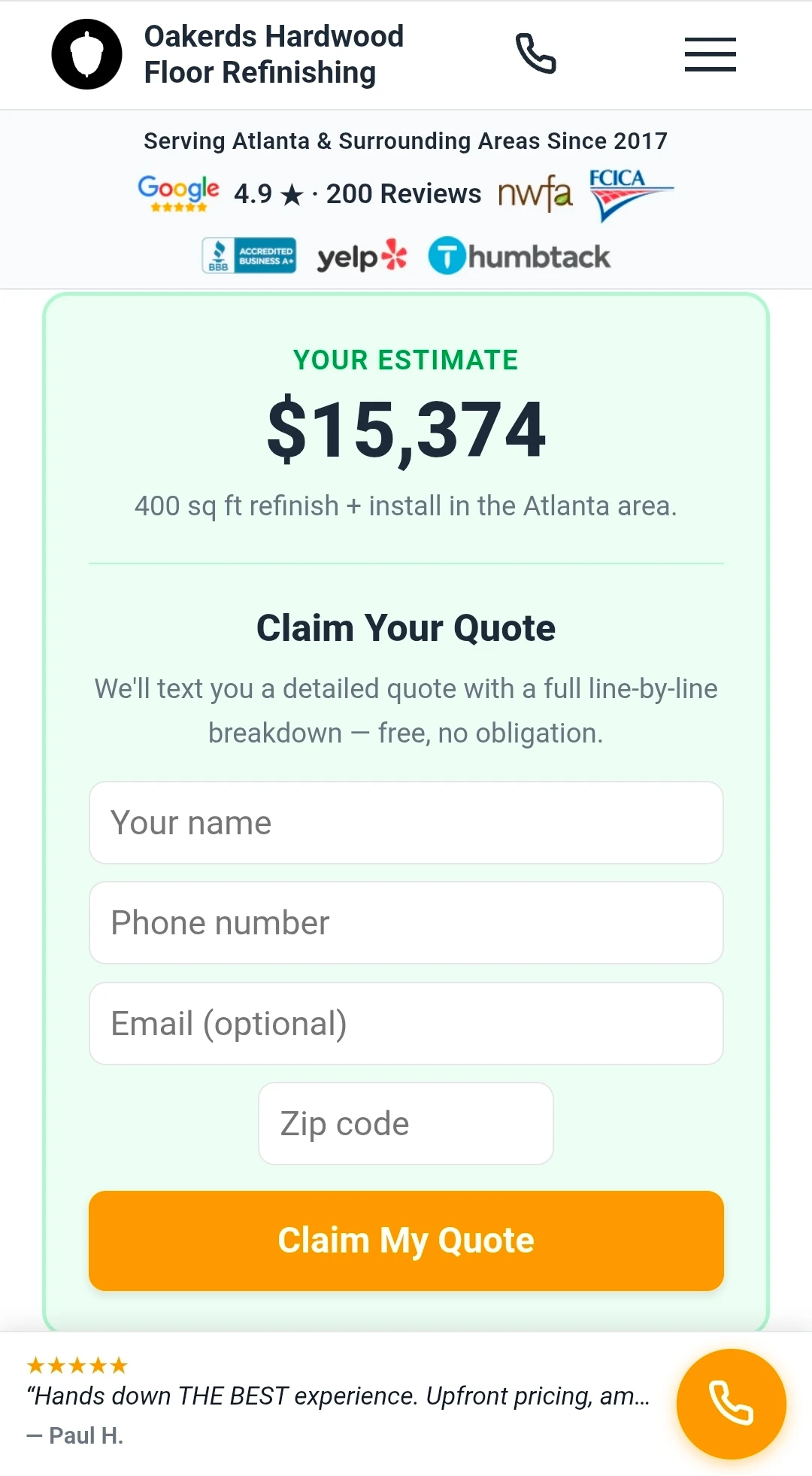
According to the company’s described process, users can generate a preliminary estimate without creating an account.
If they choose to claim the quote, they can provide their name, phone number, and ZIP code.
Oakerds then prepares a line-item quote and sends a link by text message.
The company also describes offering free in-person measurements to help verify project dimensions and pricing.
Because actual costs depend on site conditions, the final proposal may differ from the online estimate.
Review the detailed quote, confirm exactly what’s included, and ask about any changes before approving the work.
Questions to Ask Before Hiring a Flooring Contractor
Even when a flooring calculator provides a useful estimate, choosing the right contractor remains important.
Before scheduling the project, ask several practical questions.
What is included in the price? Confirm whether the quote covers materials, labor, removal, disposal, preparation, and trim work.
Will you inspect the subfloor? Understanding how the contractor handles damaged or uneven surfaces can help prevent unexpected expenses.
How long will the project take? Ask for a realistic schedule that includes any required drying or curing time.
Are you properly insured? Request appropriate insurance documentation and verify any applicable licensing requirements.
What warranties are provided? Flooring materials and installation labor may have different warranty terms.
How are unexpected costs approved? A written change-order process can help avoid billing disputes.
Whenever possible, obtain a written estimate that clearly identifies materials, quantities, responsibilities, and payment terms.
A transparent proposal makes it easier to compare contractors and understand what you’re purchasing.
Common Mistakes to Avoid When Upgrading Flooring
Flooring renovations often become more expensive or stressful because of decisions made before installation begins.
Avoiding the following mistakes can help your project run more smoothly.
Choosing Flooring Based Only on Price
An inexpensive product isn’t necessarily the most economical option over time.
Consider durability, cleaning requirements, moisture exposure, and expected use before selecting materials.
Ignoring the Condition of Existing Floors
Installing new flooring over an unsuitable surface can cause problems.
Uneven areas, trapped moisture, and structural issues should be evaluated before installation.
Forgetting About Door Clearance
Thicker flooring materials or additional underlayment can affect how doors open and close.
Your contractor should account for finished floor height and necessary adjustments.
Scheduling Installation Too Close to Moving Day
Unexpected repairs, material delays, or curing requirements may interfere with your move.
Build flexibility into the renovation schedule whenever possible.
Failing to Compare Different Solutions
Sometimes refinishing, repairing, or replacing flooring in selected rooms is more practical than renovating an entire property.
Compare several approaches before committing to the most expensive option.
Frequently Asked Questions About Flooring Upgrade Costs
1. How can I estimate flooring upgrade costs in 60 seconds?
Use an online flooring calculator, select your materials and services, and enter the approximate square footage. The result provides a preliminary estimate that can help you plan your budget.
2. Is the Oakerds Flooring Quote Calculator free?
The calculator is described as free to use, and you can build an initial estimate without creating an account or providing contact information.
3. How accurate are online flooring estimates?
Accuracy depends on the information entered, local pricing, and existing floor conditions. Online estimates are useful for planning, but final costs should be confirmed through professional measurements and a written quote.
4. What is the most affordable type of flooring to install?
Basic carpet, laminate, and certain vinyl products are often among the more budget-friendly choices. Actual costs depend on product quality, installation complexity, and preparation requirements.
5. Can I estimate the cost of several flooring types in one project?
Yes. The Oakerds calculator is designed to combine different services and materials, allowing homeowners to create an estimate for multiple rooms and flooring treatments.
6. Is it cheaper to refinish hardwood or replace it?
Refinishing existing hardwood is often less expensive than installing new hardwood when the floor is in suitable condition. Severe damage or insufficient wood thickness can make replacement necessary.
7. Should I replace flooring before moving furniture into my new home?
When possible, completing flooring work before moving in can reduce disruption, simplify cleanup, and allow contractors to work in empty rooms.
8. Can apartment renters replace their flooring?
Renters generally need written approval from the landlord or property manager before making permanent flooring changes. Lease restrictions and building rules may limit which improvements are allowed.
9. What additional expenses should I include in my flooring budget?
Account for removal, disposal, subfloor preparation, trim, transitions, furniture moving, and unexpected repairs. A contingency reserve can help manage unforeseen expenses.
10. Can I use the Oakerds calculator outside Atlanta?
You can explore its estimates for general planning, but the company’s pricing is intended for the metro Atlanta market. Homeowners elsewhere should obtain local contractor quotes before making financial decisions.
Final Thoughts: Make Smarter Flooring Decisions Before You Move
Moving into a new home comes with enough responsibilities without adding unnecessary uncertainty about renovation costs.
Whether you’re replacing aging carpet, installing luxury vinyl plank, restoring original hardwood, or updating several rooms, having a preliminary flooring estimate can make planning much easier.
Start by measuring your space, considering the advantages of different materials, and accounting for installation and preparation expenses.
For homeowners in the Atlanta area, the Oakerds Flooring Quote Calculator offers a convenient starting point for comparing services and developing an initial renovation budget.
Remember that the lowest price isn’t always the best value. Durable materials, professional installation, and proper preparation can make a meaningful difference in how your flooring performs over time.
With the right information and a realistic budget, you can make informed flooring decisions and focus on enjoying your new home.