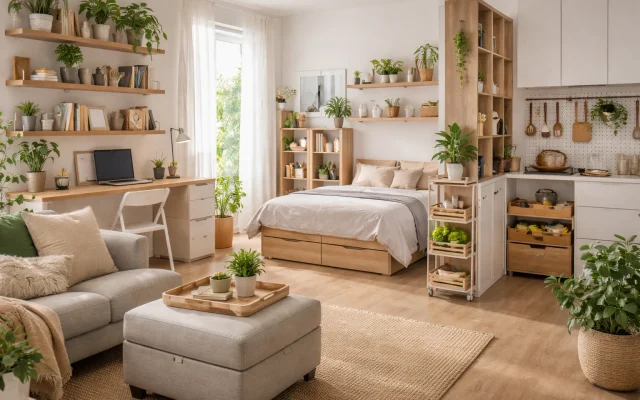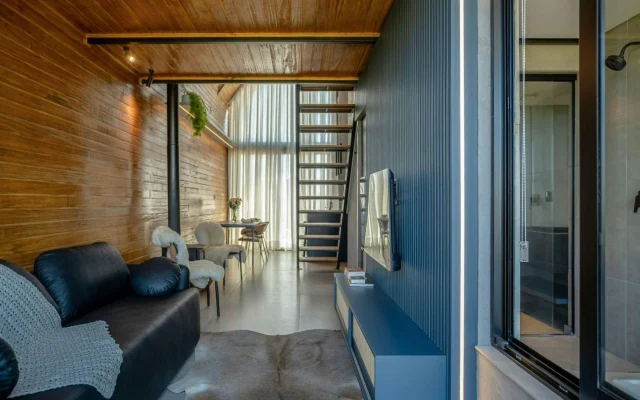


Mid-century design has remained popular for decades, and its appeal is easy to understand. With clean lines, warm wood tones, functional furniture, and distinctive geometric shapes, the style creates interiors that feel sophisticated without being overly formal. Better yet, mid-century design works particularly well in apartments today, where efficient layouts and thoughtful furniture choices can make a significant difference.
Whether you’re furnishing your first apartment, updating an outdated living room, or searching for ways to make a smaller space feel more inviting, mid-century interiors offer plenty of inspiration.
You don’t need original 1950s furniture, expensive renovations, or an unlimited decorating budget. A few carefully selected pieces can establish the look while allowing your apartment to remain comfortable, practical, and unmistakably yours.
Here’s how to bring mid-century style into a modern apartment without sacrificing functionality or spending more than necessary.
Understanding the Principles of Mid-Century Design

Mid-century modern design developed primarily during the middle decades of the 20th century, drawing inspiration from modernist architecture, new manufacturing techniques, and an increasing interest in comfortable, functional living spaces.
Rather than emphasizing elaborate decoration, the movement focused on simplicity, practicality, and a connection between indoor spaces and the natural world.
These qualities make it particularly suitable for apartments, where every piece of furniture needs to earn its place.
Clean Lines and Simple Shapes
One of the most recognizable characteristics of mid-century furniture is its streamlined appearance.
Sofas often have straight backs, narrow arms, and tapered legs. Coffee tables feature uncomplicated silhouettes, while storage cabinets favor smooth fronts and understated hardware.
However, the style isn’t exclusively about straight lines.
Curved lounge chairs, rounded dining tables, and sculptural lighting fixtures introduce softness that balances the room’s more angular elements.
When decorating, try combining one or two rounded pieces with furniture featuring stronger geometric lines. This creates visual variety without making the space feel disorganized.
Natural Materials and Warm Finishes
Wood is a defining element of mid-century design.
Walnut, teak, and oak are particularly associated with the style because of their distinctive grain patterns and warm colors.
Fortunately, you don’t need expensive solid-wood furniture to achieve a similar appearance.
Wood veneers, carefully finished engineered wood, and secondhand furniture can offer attractive alternatives.
For instance, a Walker Edison Mid Century TV Stand or a simple walnut-toned side table can introduce warmth without requiring a complete furniture replacement.

The goal is to create a natural, inviting atmosphere rather than fill every room with matching wood pieces.
Functionality Without Clutter
Mid-century design values furniture that combines practicality with visual appeal.
Storage cabinets conceal everyday items. Compact dining sets accommodate smaller layouts. Furniture with raised legs helps maintain visible floor space.
These details are particularly helpful in apartments where storage and movement are limited.
Instead of buying decorative pieces simply to fill empty corners, consider whether each addition improves comfort, organization, or the overall appearance of the room.
An attractive room should also be easy to live in.
Choosing Mid-Century Furniture for an Apartment

Furniture has the greatest influence on how a room looks and functions.
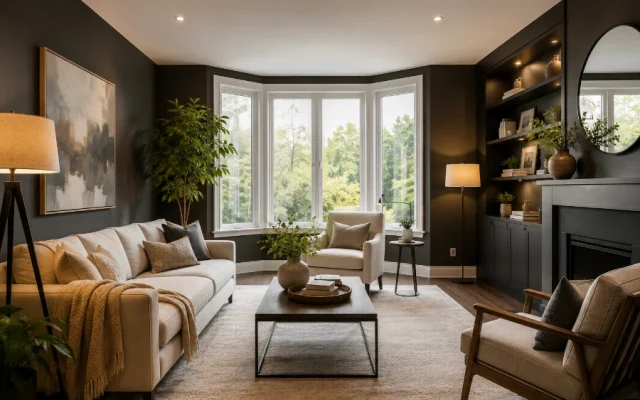
A well-proportioned sofa, practical media console, or thoughtfully selected dining table can establish a mid-century aesthetic before any decorative accessories are added.
The key is choosing pieces that suit your apartment’s dimensions.
What works beautifully in a spacious home may overwhelm a compact studio or feel awkward in a two-bedroom apartment with an open floor plan.
Start With a Low-Profile Sofa
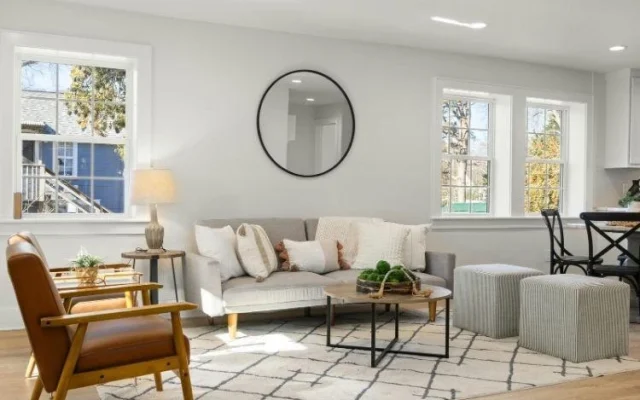
A sofa is usually the largest furniture piece in an apartment living room, making it an ideal starting point.
Mid-century sofas often feature:
- Slim or gently angled arms
- Straightforward upholstery
- Exposed wooden legs
- Low or moderately low backs
- Structured cushions
- Simple, balanced proportions
A design such as the Modway Engage Mid Century Sofa illustrates these characteristics.

The Modway Engage Mid Century Fabric Sofa can also serve as a useful reference when comparing upholstery styles and dimensions.
However, appearance shouldn’t come at the expense of comfort.
Before purchasing a new sofa, measure your living room and consider seat depth, cushion support, doorway clearance, and everyday use.
A compact sofa that looks attractive but feels uncomfortable won’t be a worthwhile investment.
Add a Practical Media Console
Mid-century media cabinets often combine warm wood finishes, sliding or flat-front doors, and slender legs.
Their biggest advantage is that they provide useful storage while maintaining a relatively streamlined appearance.
A Modern Media Console can organize electronics, books, games, and accessories that might otherwise create visual clutter.
When selecting one, consider the dimensions of your television, ventilation requirements for electronics, and how much enclosed storage you actually need.
Wall-mounted televisions and furniture should be installed only when permitted by your lease and properly secured.
Choose a Round Dining Table
Round dining tables are particularly effective in apartments because they eliminate sharp corners and can make movement around a small dining area easier.
A Mid Century Modern Round Dining Table with tapered legs can complement a variety of dining chairs without appearing overly bulky.

Look for a table that provides sufficient elbow room while allowing chairs to be pulled out comfortably.
In especially compact apartments, a small pedestal table or extendable design may offer greater flexibility.
Match Furniture to the Available Space
| Furniture | Mid-Century Feature | Apartment Benefit |
|---|---|---|
| Sofa | Slim arms and raised legs | Preserves visual openness |
| Coffee table | Oval or rectangular wood surface | Adds function without excessive bulk |
| Media console | Clean lines and closed storage | Reduces visible clutter |
| Dining table | Rounded shape and simple base | Supports easier movement |
| Accent chair | Sculptural silhouette | Adds personality to a corner |
| Sideboard | Low, elongated profile | Combines storage and decoration |
Before ordering, create a simple floor plan using your room measurements.
Allow comfortable walking routes between furniture and make sure doors, drawers, and cabinets can open fully.
A piece that fits on paper isn’t necessarily practical if it obstructs the room’s circulation.
Building a Mid-Century Color Palette

Color plays an important role in mid-century modern design.
Although the style is often associated with mustard yellow, burnt orange, and olive green, those colors work best when balanced with a quieter foundation.
In most apartments, the simplest approach is to begin with neutral walls and introduce richer colors through furniture and accessories.
Start With Neutral Backgrounds
Cream, warm white, beige, and light gray provide flexible foundations for mid-century furniture.
Neutral walls help wood finishes stand out while preventing patterned textiles and colorful accessories from competing for attention.
If your apartment already has neutral walls, you may not need to repaint anything.
A color such as Benjamin Moore White Dove can serve as inspiration if you’re permitted to paint, but the existing wall color may work just as well.
Introduce One or Two Accent Colors
Classic mid-century accent colors include:
- Mustard yellow
- Olive green
- Burnt orange
- Rust
- Teal
- Turquoise
- Deep blue
Instead of using every color at once, choose one primary accent and perhaps one complementary shade.
For example, a neutral sofa, walnut coffee table, olive-green cushions, and a mustard-yellow print can create a cohesive arrangement.
A Turquoise Velvet Throw Pillow is another simple way to introduce color without committing to a large furniture purchase.
Repeat your chosen accent in two or three locations to connect different parts of the room.
Balance Wood and Metal Finishes
Mid-century spaces often mix natural wood with brass, black metal, and occasionally chrome.
Brass introduces warmth, while matte black offers a sharper contemporary contrast.
Consider pairing a walnut media cabinet with a Brass Floor Lamp Mid Century design and black picture frames.
There’s no need for every finish to match exactly.
In fact, a carefully considered combination often feels more natural than a room where every piece comes from the same furniture collection.
Three Color Combinations Worth Trying
| Design Direction | Base Colors | Accent Colors | Materials |
|---|---|---|---|
| Warm and inviting | Cream, beige | Rust, mustard | Walnut and brass |
| Fresh and contemporary | White, light gray | Teal, navy | Oak and black metal |
| Earthy and relaxed | Warm white, taupe | Olive, terracotta | Teak and textured fabrics |
For renters, cushions, curtains, rugs, and artwork are generally the easiest ways to experiment with color.
They offer flexibility without permanent changes.
Mid-Century Lighting That Makes an Apartment Feel More Inviting

Lighting is one of the most effective ways to transform an apartment.
Many rental units rely heavily on overhead fixtures, which can leave living areas feeling flat or overly bright.
Mid-century lighting provides an opportunity to add character while improving how the room functions.
Floor Lamps for Living Rooms
Tripod and angled floor lamps are common features of mid-century interiors.
Their slender structures complement low-profile furniture and create interesting silhouettes.
A Brightech Mid Century Modern Floor Lamp, for example, can provide inspiration for a reading corner or seating area.

Position a floor lamp beside a chair or sofa where it offers useful illumination without obstructing movement.
Sputnik-Style Chandeliers
Sputnik chandeliers are among the most recognizable mid-century lighting designs.
Their radiating arms create a dramatic architectural effect.
A Sputnik Chandelier 6-Light Mid Century design may suit an apartment dining area, provided the fixture’s proportions and installation requirements are appropriate.

Renters should obtain written approval before replacing hardwired light fixtures.
Professional installation may also be necessary.
Dome and Cone Pendant Lights
Simple geometric pendants work particularly well over dining tables.
A Westinghouse Dome Pendant Mid Century offers an example of the shape, while the Westinghouse Dome Pendant illustrates how a focused light source can become part of the room’s overall design.

Choose a fixture that provides sufficient light without hanging too low.
Plug-In Lighting for Renters
If replacing ceiling fixtures isn’t an option, plug-in pendant lighting offers an alternative.
A Globe Electric Plug-In Pendant Light can provide the desired silhouette without modifying existing electrical wiring.

However, ceiling hooks and mounting hardware still require appropriate installation and may need landlord approval.
Keep cords secured and away from walking paths, water sources, and heat.
Use Warm Lighting
For living rooms and bedrooms, bulbs around 2700K to 3000K often create the soft, comfortable atmosphere associated with mid-century spaces.
Combine ambient lighting with focused task lighting rather than relying on a single fixture.
The result should be practical enough for everyday activities while remaining pleasant in the evening.
Making Interior Doors Fit a Mid-Century Apartment

Interior doors may not be the first thing you associate with mid-century design, but their finishes and hardware contribute to the overall appearance of a home.
Original mid-century houses frequently feature simple door profiles, restrained trim, and natural wood finishes.
In apartments, those characteristics can be introduced through smaller changes.
Consider Hardware Before Replacing Doors
If your lease permits it, swapping decorative interior door hardware may offer a subtle update.
A Schlage Latitude Lever demonstrates the clean-lined appearance that complements modernist interiors.

The Schlage Latitude Lever is worth considering as a design reference, though compatibility with existing door preparation and latch dimensions matters.
Keep original hardware for reinstallation when moving out.
Never modify locks, fire-rated doors, building entry doors, or required accessibility hardware without proper authorization.
Be Careful With Paint and Wood Finishes
Warm wood tones can make plain doors feel more connected to surrounding furniture.
Products such as General Finishes Gel Stain – Java may be suitable for certain properly prepared surfaces, but not every door material accepts stain.
Before using gel stain or high-quality paint, identify the door material and finish, confirm product compatibility, and obtain written approval.
Painting or staining rental doors isn’t a reversible decorative change.
For most renters, coordinating the surrounding artwork, rugs, and furniture is simpler and less risky.
Frosted Glass and Privacy
Frosted surfaces can reinforce the mid-century emphasis on light and privacy.
Frosted Glass Film may be suitable for existing compatible glass panels, provided the film can be removed without damage.
Avoid modifying the door itself or installing new glass panels in a rental without authorization.
Bringing Mid-Century Style Into a Small Bathroom

Bathrooms can benefit from mid-century influences without requiring new tiles, plumbing fixtures, or cabinetry.
In a small rental bathroom, accessories usually provide the greatest flexibility.
Use Rounded Mirrors and Simple Accessories
A round mirror can soften the sharp lines of a rectangular vanity.
The Umbra Hub Round Wall Mirror illustrates this approach.

Before replacing an existing mirror, check how it is installed and whether removal is permitted.
If replacement isn’t practical, use a small round decorative mirror elsewhere or choose similarly shaped accessories.
Add Brass or Wood-Inspired Details
Warm finishes help make a bathroom feel less clinical.
Brass Cabinet Knobs Mid Century styles can complement plain cabinetry, while wooden trays, ceramic containers, and simple towel holders create visual consistency.
If changing cabinet hardware, choose replacement pieces with matching hole spacing and preserve the originals.
Introduce Pattern Through Textiles
A Mid Century Modern Bath Mat can introduce geometric patterns without requiring changes to the floor.
Look for moisture-appropriate materials and a secure, slip-resistant backing.
Choose a pattern that coordinates with the rest of the apartment rather than introducing an entirely unrelated color scheme.
Use Removable Products Carefully
A Retro Peel and Stick Tile product might seem like a convenient way to update a backsplash.
However, adhesive products aren’t suitable for every surface or moisture condition.
Before installation, confirm that the product is intended for the location and test removability on an inconspicuous area with permission.
Avoid placing decorative adhesive materials inside shower enclosures unless specifically rated for that use.
Decorating With Mid-Century Accessories

Once the larger furniture pieces are in place, decorative accessories can introduce more personality.
The goal isn’t to fill every shelf.
Mid-century interiors often benefit from a few distinctive items surrounded by enough open space to appreciate them.
Starburst Clocks and Statement Pieces
Starburst clocks are closely associated with mid-century interiors.
The Infinity Instruments Starburst Wall Clock is one example of this recognizable design.
Placed above a console or in a dining area, a clock can serve as both a practical object and a decorative focal point.
If you prefer a subtler aesthetic, choose a simple round clock with a walnut or metal frame.
Abstract Artwork
Geometric shapes, bold curves, and abstract compositions are common features of mid-century artwork.
A Mid Century Modern Wall Art Set can provide inspiration for coordinating colors and forms.
When arranging several prints, maintain consistent spacing and consider matching frame finishes.
In rentals, use wall-hanging methods approved for the surface and weight of the artwork.
Indoor Plants
Plants provide an organic contrast to furniture with structured shapes.
A Monstera Deliciosa Live Plant, rubber plant, or other suitable houseplant can bring additional texture and color into a living room.
Choose plants based on available daylight, maintenance requirements, and whether they’re safe for pets and children in your household.
Monstera plants, for example, are toxic if chewed by cats or dogs.
Geometric Rugs and Soft Textiles
Rugs help define seating areas, especially in open-plan apartments.
A HOMFINE Geometric Area Rug demonstrates how pattern can add interest without changing the architecture.
Select a rug large enough to visually connect the primary furniture pieces.
In a living room, positioning at least the front legs of major seating pieces on the rug can create a more unified arrangement.
Use a suitable rug pad if the rug tends to slide.
How to Arrange Mid-Century Furniture in a Small Apartment

Good design involves more than choosing attractive pieces.
The way furniture is arranged can determine whether a room feels comfortable or unnecessarily crowded.
Mid-century furniture is particularly useful in smaller apartments because many pieces feature compact profiles and raised legs.
Keep Main Walkways Clear
Start by identifying how people move between the entrance, seating area, kitchen, and bedrooms.
Avoid placing tables or chairs where they interrupt these routes.
In many living rooms, approximately 30 to 36 inches of unobstructed passage space is a useful planning target where the layout permits.
Your actual needs may differ depending on mobility, furniture dimensions, and building requirements.
Use Furniture to Define Different Zones
In a studio or open-plan apartment, you can establish separate functional areas without adding partitions.
For example:
- Position a sofa to define the living area.
- Place a rug beneath the seating arrangement.
- Use a compact dining table near the kitchen.
- Add a floor lamp to establish a reading corner.
- Choose storage furniture that keeps everyday objects organized.
A low bookcase may also help distinguish spaces, provided it doesn’t obstruct light, circulation, or required exits.
Don’t Push Every Piece Against a Wall
Although smaller rooms need open floor space, placing all furniture around the perimeter isn’t always the best solution.
Sometimes moving a chair slightly inward creates a more natural seating arrangement.
Experiment with furniture positions before buying anything new.
A simple rearrangement may improve the room significantly.
Mixing Vintage Furniture With Contemporary Apartment Design
One of the biggest misconceptions about mid-century decorating is that everything must come from the same era.
In reality, a modern apartment often looks more comfortable when vintage pieces are combined with contemporary furniture.
A new upholstered sofa can sit alongside a secondhand walnut table. A modern television can work with a mid-century-inspired media console. Contemporary artwork can complement vintage lighting.
This approach prevents the space from looking like a historical recreation.
Choose Vintage Pieces Selectively
Secondhand furniture can introduce character and potentially reduce costs.
Look for pieces with solid construction, manageable dimensions, and finishes that suit your apartment.
Before purchasing, inspect for:
- Structural damage
- Loose joints or unstable legs
- Water damage and veneer separation
- Unusual odors
- Signs of pests
- Damaged wiring in older lighting
Be especially careful with vintage electrical items.
Older lamps may need evaluation and repair by a qualified professional before use.
Combine New Furniture With Older Accents
Rather than furnishing an entire apartment with vintage items, choose one or two pieces that make a strong impression.
For example, pair a modern upholstered sofa with a vintage walnut side table and a contemporary geometric rug.
This creates a connection to the original style while maintaining modern comfort.
The best mid-century-inspired rooms feel collected over time rather than purchased all at once.
A Practical Mid-Century Apartment Makeover
Imagine a small apartment living room with neutral walls, a bulky sofa, limited storage, and a single ceiling light.
The space functions adequately, but it feels crowded and lacks a consistent design direction.
You can improve it without undertaking a major renovation.
Step 1: Keep What Already Works
Start by identifying existing furniture worth keeping.
A neutral sofa with good proportions may work perfectly well with mid-century accessories.
Don’t replace functional items simply because they weren’t originally marketed as mid-century.
Step 2: Establish a Simple Palette
Choose cream or warm white as the base, walnut as the primary wood finish, and olive green as the accent color.
Use the accent sparingly in artwork, cushions, or a throw blanket.
This creates consistency without overwhelming the room.
Step 3: Improve Storage
Replace an oversized open shelving unit with a compact cabinet or media console if the existing piece isn’t serving your needs.
Closed storage can make everyday clutter less visible.
Step 4: Add Layered Lighting
Place a floor lamp beside the sofa and a small table lamp near the reading area.
Choose warm bulbs to create a more comfortable atmosphere.
Step 5: Introduce a Focal Point
Hang a large abstract print or arrange a small collection of coordinated artwork above the seating area.
Avoid covering every available wall.
Step 6: Finish With Texture
Use a geometric rug, linen-inspired cushions, and a plant to soften the harder lines of the furniture.
At this point, the room should feel more intentional without requiring new flooring, paint, or permanent fixtures.
Budget-Friendly Mid-Century Design Ideas for Renters
Creating an attractive apartment doesn’t require replacing all your furniture at once.
In fact, gradual improvements often produce better results because they allow you to evaluate each purchase before adding another.
| Budget Level | Recommended Updates | Main Goal |
|---|---|---|
| Under $100 | Cushion covers, framed prints, small accessories | Establish a color palette |
| $100–$300 | Table lamp, rug, secondhand side table | Add texture and functionality |
| $300–$700 | Media console, dining furniture, accent chair | Improve the room’s foundation |
| $700+ | Sofa, larger storage pieces, coordinated lighting | Make substantial furniture upgrades |
These ranges are illustrative decorating budgets, not verified product prices.
For the best value, prioritize improvements that solve an existing problem.
If your apartment lacks storage, start with a useful cabinet. If the living room feels uncomfortable in the evening, address the lighting first.
Decorative upgrades should support how you live rather than create additional expenses and clutter.
Common Mid-Century Decorating Mistakes to Avoid
Even a well-planned apartment can feel unbalanced when too many design elements compete for attention.
Using Too Many Retro Accessories
Starburst clocks, atomic patterns, bright colors, and sculptural lamps can all work beautifully.
Using every one of them in the same room, however, may feel excessive.
Choose a few recognizable elements and give them enough visual space.
Ignoring Furniture Dimensions
A beautiful sofa won’t improve a room if it blocks the balcony door or makes the coffee table difficult to reach.
Measure carefully and plan around the apartment’s everyday circulation.
Matching Every Wood Finish
Perfectly matched furniture can make a room feel more like a showroom than a home.
Combining compatible warm wood tones generally creates a more natural appearance.
Choosing Style Over Comfort
Mid-century furniture should be functional.
Before buying a chair or sofa, consider seat height, support, durability, and how frequently it will be used.
Making Unapproved Rental Modifications
Painting doors, replacing fixtures, drilling into walls, and installing adhesive surfaces may violate lease requirements or damage finishes.
Written approval is the safest approach for modifications that aren’t clearly permitted.
Whenever possible, prioritize furnishings and accessories you can take with you.
How to Make Mid-Century Design Feel Personal
The most successful mid-century apartments aren’t rigidly styled around one historical period.
They reflect the people who live there.
You might incorporate travel photographs in simple frames, display a favorite collection on a walnut cabinet, or pair contemporary art with vintage-inspired lighting.
A comfortable reading chair, a practical work desk, and storage that supports your daily routines are just as important as the visual details.
Think of mid-century design as a flexible framework.
Its clean lines, restrained decoration, and emphasis on function can help guide your decisions without limiting your personal taste.
Final Thoughts
Mid-century design remains relevant because it combines practicality with distinctive visual appeal.
For apartment renters, that combination is especially valuable.
Low-profile furniture can help compact rooms feel more open. Warm wood finishes and carefully selected colors make neutral spaces more inviting. Thoughtful lighting and storage improve everyday comfort while contributing to the overall style.
You don’t need to renovate your apartment or invest in an entire collection of vintage furniture.
Start with what you already own, choose a consistent palette, and make improvements that support the way you use each room.
When comfort, function, and appearance work together, mid-century style feels less like a decorating trend and more like a natural part of a well-designed home.
Frequently Asked Questions
1. What defines mid-century modern design?
Mid-century modern design emphasizes clean lines, functional furniture, organic shapes, natural materials, and a balanced combination of neutral and bold colors.
2. Is mid-century design suitable for small apartments?
Yes. Mid-century furniture often features compact profiles, raised legs, and straightforward forms that work well in smaller rooms.
3. What colors are commonly used in mid-century interiors?
Popular colors include mustard yellow, burnt orange, olive green, teal, cream, and warm white. Rich wood finishes help connect these shades.
4. Do I need authentic vintage furniture?
No. Modern reproductions and contemporary furniture can capture the same design principles. Adding one or two vintage accents can introduce additional character.
5. What type of lighting complements mid-century design?
Tripod floor lamps, globe lights, dome pendants, and Sputnik-style fixtures are common choices. Warm lighting can make the room feel more inviting.
6. How can renters add mid-century style without renovating?
Focus on removable accessories, rugs, artwork, floor lamps, compact furniture, and textiles. Avoid permanent modifications unless your landlord approves them.
7. What wood finishes are best for mid-century furniture?
Walnut and teak are strongly associated with the style, although oak and other warm-toned finishes can also work well.
8. Can mid-century furniture work with modern decor?
Absolutely. Combining vintage-inspired furniture with contemporary artwork, lighting, and accessories can create a balanced look.
9. What is the easiest room to decorate in mid-century style?
The living room is often a practical starting point because a sofa, coffee table, lighting fixture, and artwork can establish the overall aesthetic.
10. How do I prevent my mid-century apartment from looking outdated?
Avoid using too many retro accessories. Mix classic furniture shapes with contemporary fabrics, modern conveniences, and a restrained color palette.