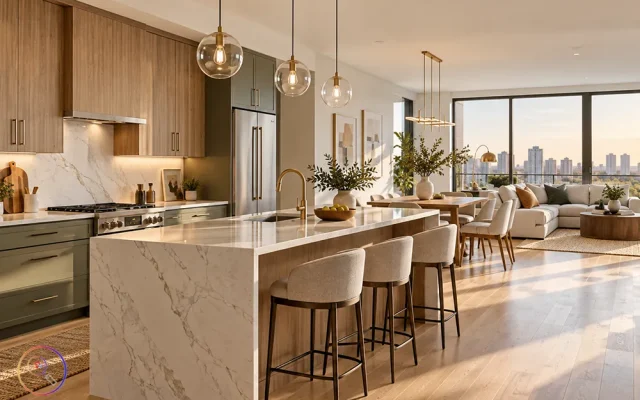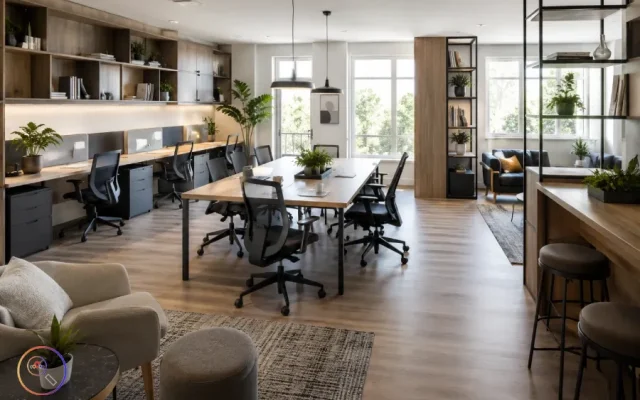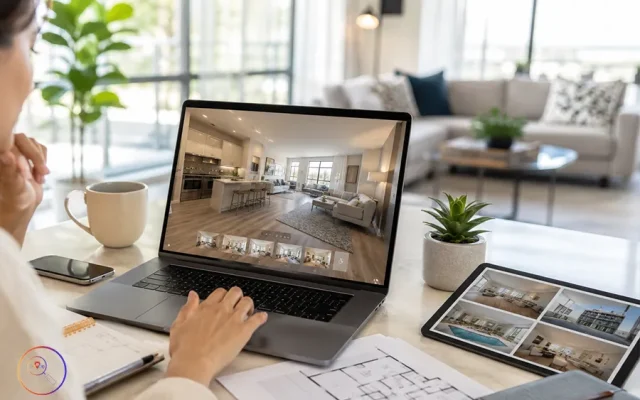
Apartment living has evolved significantly over the past decade. What was once defined primarily by location and affordability is now shaped by a broader set of expectations. In cities like Adelaide, where apartment developments continue to expand and tenant standards are rising, residents are no longer just looking for a place to live, they are looking for a living experience that is seamless, reliable, and responsive.
Design, amenities, and shared spaces often dominate marketing materials, but the true measure of a well-managed apartment lies elsewhere. It becomes most apparent when something goes wrong. In those moments, the speed and effectiveness of maintenance response define whether a property meets modern living standards.
The Shift in Tenant Expectations
Today’s renters expect more than convenience. They value consistency. A well-functioning apartment is one where essential systems, water, heating, electricity, operate without interruption. When issues arise, they expect them to be addressed quickly and professionally.
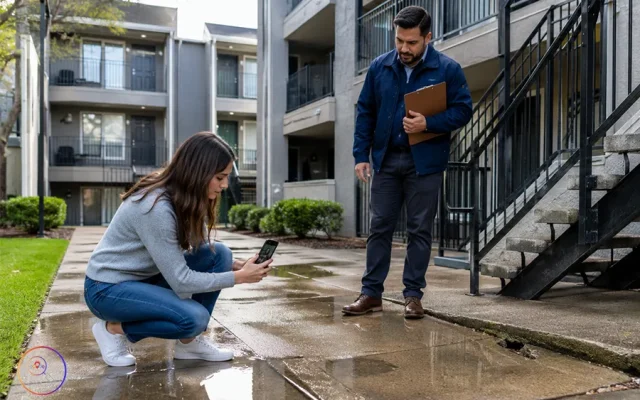
This shift is particularly important in multi-unit buildings, where a single problem can affect multiple residents. A plumbing issue, for example, may start in one unit but quickly impact others if not resolved promptly. In such cases, delays are not just inconvenient, they can disrupt daily routines across an entire floor or building. As a result, access to emergency plumbing services across Adelaide is no longer a secondary consideration. It is a fundamental component of modern apartment management, ensuring that urgent issues are handled before they escalate.
Why Response Time Matters More Than Ever
In apartment settings, time is a critical factor. Unlike standalone homes, where issues may be contained, apartment buildings operate as interconnected systems. In Adelaide’s growing multi-unit developments, shared infrastructure means that a leak, blockage, or system failure can quickly spread beyond a single unit, affecting multiple residents.
Fast response minimizes damage, reduces disruption, and restores normalcy. For tenants, this translates into a sense of security. Knowing that problems will be addressed without delay creates confidence in the property and its management.
From a property management perspective, quick action also reduces long-term costs. Addressing issues early prevents additional damage and limits the scope of repairs.
The Hidden Infrastructure of Apartment Living
Much of what makes apartment living comfortable happens behind the scenes. Plumbing networks, drainage systems, and water supply lines are constantly in use, supporting everyday activities that residents often take for granted.
Because these systems are not visible, they are easy to overlook, until something stops working. When that happens, the impact is immediate. Showers, kitchens, and sanitation facilities are all affected, making the issue impossible to ignore.
This is why proactive maintenance and rapid response go hand in hand. Regular inspections help identify potential problems, while emergency services ensure that unexpected issues are resolved quickly.
The Cost of Delayed Action
Delays in addressing maintenance issues can have significant consequences. Water-related problems, in particular, tend to worsen rapidly. A minor leak can lead to structural damage, mold growth, and increased repair costs if not handled promptly.
For tenants, delays can mean inconvenience, discomfort, and disruption to daily life. For property owners, they can result in higher expenses, potential liability, and damage to reputation.
In competitive rental markets, these factors matter. Tenants are more likely to remain in properties where they feel supported and where issues are resolved efficiently. Conversely, repeated delays can lead to higher turnover rates and increased vacancy periods.
Building Trust Through Reliability
Trust is a key component of tenant satisfaction. While amenities and design may attract residents initially, it is reliability that keeps them there. When tenants know that maintenance issues will be handled quickly, they are more likely to feel comfortable and secure in their living environment.
This trust extends beyond individual interactions. It reflects the overall management approach of the property. Buildings that prioritize responsiveness tend to develop stronger reputations, making them more attractive to prospective tenants.
Research from the Safe Work Australia emphasizes the importance of maintaining safe and functional building environments, particularly when it comes to essential systems like water and sanitation. Reliable maintenance practices not only reduce risk but also contribute to overall occupant wellbeing, reinforcing the strategic importance of responsiveness in property management.
Integrating Emergency Response into Property Strategy
Forward-thinking property managers treat emergency response as an integral part of their operational strategy. Rather than viewing it as a reactive measure, they incorporate it into a broader framework that includes:
- Regular system inspections to identify risks early
- Clear communication channels for reporting issues
- Established partnerships with reliable service providers
- Defined response protocols to ensure consistency
This structured approach ensures that when issues arise, they are handled efficiently and effectively.
A New Standard for Apartment Living
The definition of quality in apartment living is changing. It is no longer enough for a property to look appealing or offer attractive amenities. In Adelaide’s competitive rental landscape, tenants expect a living environment that functions reliably, even under pressure.
Fast maintenance response is central to this expectation. It bridges the gap between design and functionality, ensuring that the promises made in marketing materials are supported by real-world performance.
In modern apartment living, the true test of quality is not how a property looks when everything is working, but how it performs when something goes wrong. Quick, professional responses to maintenance issues are no longer optional; they are essential.
By prioritizing responsiveness, investing in reliable services, and maintaining a proactive approach to infrastructure, property managers can create living environments that meet the evolving expectations of today’s tenants. Ultimately, it is this combination of reliability and responsiveness that defines the next generation of apartment living, where comfort is not just designed, but consistently delivered.
Helpful Finds for Apartment Repairs and Upkeep
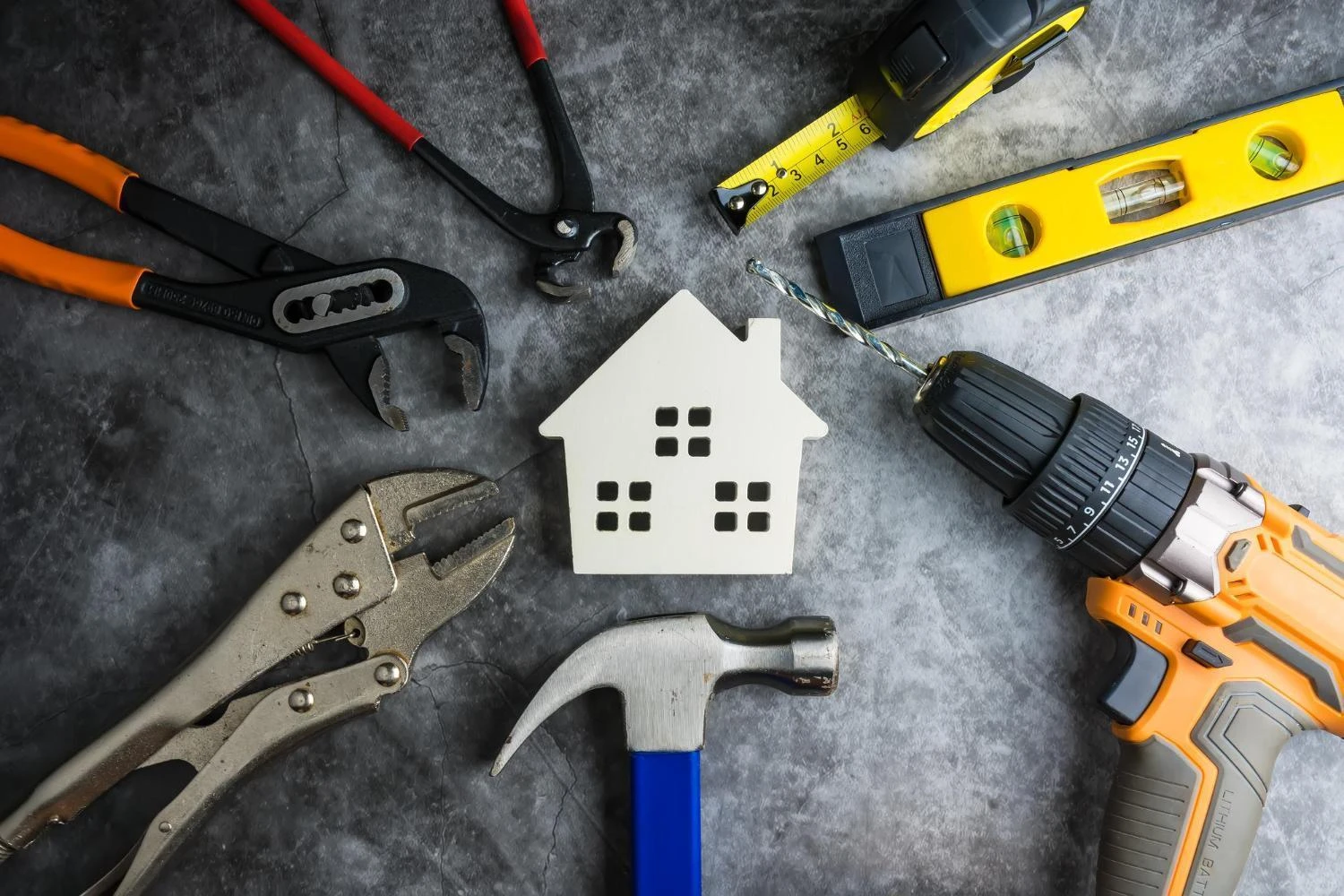
Most small fixes do not need a maintenance ticket. A compact kit handles them:
- Household Tool Kit – hammer, drivers, pliers and tape in one case.
- Drain Snake – the most common apartment plumbing problem.
- Spackle Repair Kit – patch nail holes before move-out inspection.
- Cordless Drill – for curtain rods, shelves and furniture assembly.
Rise Apartments is a participant in the Amazon Services LLC Associates Program. As an Amazon Associate we earn from qualifying purchases made through the links above, at no extra cost to you.
Frequently Asked Questions (FAQs)
Fast response minimizes damage, reduces disruption, and ensures residents can return to normal routines quickly.
Plumbing leaks, electrical faults, heating failures, and drainage blockages typically need urgent response to prevent escalation.
Delays can cause discomfort, inconvenience, and even health risks, especially if essential systems like water or sanitation are impacted.
Apartments share infrastructure, so a single issue can quickly affect multiple units if not addressed promptly.
Quick action prevents further damage, reduces repair costs, and helps maintain the property’s value and reputation.
Preventive maintenance identifies potential issues early, reducing the likelihood of emergencies and enabling faster resolutions.
Using designated communication channels, such as apps or property management hotlines, ensures issues are logged and addressed quickly.
They should expect timely communication, fast response to issues, and consistent follow-through on repairs.
Reliable and quick maintenance builds trust, making tenants more likely to renew leases and stay long-term.
They implement clear protocols, partner with reliable service providers, and maintain efficient communication systems.