
Moving into a new apartment should be exciting, not an introduction to an expensive pest problem. Unfortunately, bed bugs can hide in even the cleanest apartments, making them difficult to detect until an infestation becomes noticeable. That’s why learning how to check your apartment for bed bugs in under 2 minutes can be surprisingly useful, especially before unpacking your belongings or settling into a new bedroom.
A quick bed bug inspection method popularized through TikTok-style videos focuses on a few common hiding places instead of searching every corner of a room. With a flashlight, a plastic card, and a little knowledge, you can look for early warning signs without taking apart the entire bedroom.
Whether you’re preparing to move into a new apartment, touring a furnished rental, or investigating unexplained marks on your bedding, this simple approach provides a practical starting point.
However, there’s one important distinction: a two-minute bed bug inspection is a preliminary screening, not proof that an apartment is bed bug-free. Early infestations can be difficult to detect, and a more thorough inspection may be necessary if you notice suspicious signs.
Here’s how to perform the quick inspection, what to look for, and what to do if you discover evidence of bed bugs.
Why Every Apartment Renter Should Know How to Check for Bed Bugs
Bed bugs are small, flat insects that feed on blood, usually while people are sleeping or resting. They are excellent at hiding in narrow spaces and can travel between locations inside luggage, clothing, furniture, and personal belongings.
Unlike some household pests, bed bugs are not necessarily attracted by dirty living conditions. A spotless luxury apartment can experience an infestation just as easily as an older rental property.
Apartment living also introduces additional challenges because multiple households share the same building.
Bed bugs may spread through:
- Luggage and clothing brought into an apartment.
- Secondhand furniture, mattresses, or upholstered items.
- Personal belongings moved from an infested location.
- Cracks, openings, and connections between neighboring units.
- Shared spaces where infested belongings are temporarily stored.
Their ability to spread between units makes early detection particularly important in multifamily housing.
A quick inspection cannot prevent every infestation, but it can help renters identify suspicious conditions before they become more difficult to address.
Why the Two-Minute TikTok Method Is So Popular
The appeal of this method is its simplicity.
Instead of requiring specialized equipment or professional training, it concentrates on areas where bed bugs frequently hide near sleeping spaces.
The method works around three basic principles:
- Focus on high-probability hiding places. Mattress seams, bed frames, and headboards deserve attention first.
- Look for physical evidence. Dark spots, shed skins, eggs, and live insects are more meaningful than unexplained bites alone.
- Use simple tools. A flashlight and a stiff plastic card can help reveal insects hiding inside narrow crevices.
The entire preliminary scan can be completed in approximately two minutes when the bed is accessible.
However, a negative result doesn’t guarantee the absence of bed bugs. If you’re concerned about an infestation, follow up with a more detailed inspection.
What You Need for a Quick Bed Bug Inspection
One reason this approach is convenient is that you probably already own everything needed.
The most important tool is a bright flashlight. Your phone’s flashlight can work, although a dedicated flashlight may make narrow spaces easier to examine.
You should also have a few simple items available.
| Tool | Purpose |
|---|---|
| Flashlight or phone light | Illuminates mattress seams and furniture crevices |
| Plastic card | Helps reveal insects hiding in narrow gaps |
| Disposable gloves | Allows you to inspect suspicious areas without direct contact |
| White tissue or paper | Makes tiny insects and debris easier to examine |
| Phone camera | Documents suspicious findings for your landlord or pest control professional |
| Sealable container or bag | Holds a suspected insect for identification |
Avoid using sharp objects that could damage mattress fabric, furniture, or electrical components.
You don’t need chemical sprays, specialized detectors, or expensive equipment for this first inspection.
The Viral TikTok Method: How to Check Your Apartment for Bed Bugs in Under 2 Minutes
The key is to inspect the locations most likely to reveal an infestation.
Set a two-minute timer and follow this simple sequence.
Step 1: Check the Mattress Seams (0–30 Seconds)
Start with the mattress because bed bugs often stay close to their feeding source.
Pull back the bedding and inspect the mattress edges, especially the seams, piping, corners, and fabric folds.
Use your flashlight to examine any darker sections.
Pay particular attention to:
- Black or dark brown spots along the seams.
- Small reddish-brown insects.
- Tiny pale eggs attached to fabric.
- Translucent shed skins.
- Rust-colored stains on the mattress.
Lift the fabric piping gently if possible to reveal hidden areas.
You may also find evidence beneath mattress labels or around stitched handles.
Don’t simply look at the middle of the mattress. Bed bugs tend to prefer protected hiding places over exposed surfaces.
Step 2: Inspect the Bed Frame and Headboard (30–60 Seconds)
Move your attention to the structure surrounding the mattress.
Bed bugs frequently hide where furniture pieces connect, particularly around joints, screws, and narrow gaps.
Use your flashlight to examine:
- Bed frame joints.
- Wooden slats.
- Screw holes.
- The connection between the headboard and frame.
- Cracks behind an accessible headboard.
- Edges of a box spring, if present.
Slide a plastic card gently along accessible gaps to see whether anything moves.
Do not force the card into tight spaces or dismantle furniture during this preliminary check.
Wooden bed frames may provide numerous hiding areas, but metal and upholstered frames can also harbor bed bugs.
Step 3: Look at Nearby Furniture (60–90 Seconds)
Bed bugs don’t exclusively live in mattresses.
Nightstands, upholstered chairs, couches, and other furniture near a sleeping area can provide additional hiding places.
Inspect the underside or rear edges of nearby furniture where accessible.
Look closely at drawer joints, upholstery seams, fabric folds, and cracks where furniture components meet.
If your apartment is furnished, pay special attention to upholstered pieces because they may have numerous concealed spaces.
This step is especially useful when inspecting an unfamiliar apartment or a furnished rental before unpacking.
Step 4: Check Bedding and Nearby Wall Edges (90–120 Seconds)
Finish by looking for visible clues on the bedding and surrounding surfaces.
Examine pillowcases, fitted sheets, and the edges of blankets for unexplained dark marks or small blood stains.
Then scan accessible areas along the baseboard behind the bed.
Look for insects or dark spots around cracks and other protected surfaces.
Bed bugs sometimes hide behind electrical outlet covers, but never remove outlet covers or insert tools into electrical outlets during a quick inspection. Leave those areas to qualified professionals when further investigation is necessary.
At the end of two minutes, you should have a preliminary understanding of whether obvious warning signs are present.
If you discover anything suspicious, document it and arrange a more thorough inspection.
How to Identify Bed Bugs and Their Warning Signs
Knowing what you’re looking for is just as important as knowing where to look.
Bed bugs can be mistaken for other small insects, including carpet beetles, fleas, and certain household pests.
Understanding their appearance can help you avoid unnecessary alarm.
1. Live Bed Bugs
Adult bed bugs are typically reddish-brown, oval-shaped, and roughly the size of an apple seed.
Their bodies are relatively flat when they haven’t fed recently.
After feeding, they may appear more swollen and elongated.
Young bed bugs, called nymphs, are smaller and often lighter in color, making them difficult to spot on pale surfaces.
Unlike fleas, bed bugs cannot jump. They crawl between hiding places.
2. Dark Fecal Spots
One of the most recognizable warning signs is the presence of small, dark spots along mattress seams or furniture crevices.
These marks may resemble tiny ink dots.
On absorbent fabric, they may soak into the material rather than appearing as loose particles.
Dark spotting is worth investigating, but it should be considered alongside other evidence because unrelated stains can look similar.
3. Rust-Colored or Reddish Stains
Small reddish stains may appear on sheets or mattresses.
These can sometimes result from bed bugs being crushed after feeding.
However, blood-colored stains alone are not enough to confirm an infestation.
Look for additional evidence such as insects, shed skins, or characteristic fecal marks.
4. Bed Bug Eggs
Bed bug eggs are extremely small, measuring approximately one millimeter.
They are generally whitish or pearl-colored and may be attached to surfaces in protected areas.
Their small size makes them particularly difficult to detect without careful lighting.
Eggs may appear individually or in groups, depending on the location.
5. Shed Skins
As young bed bugs grow, they shed their outer coverings.
These empty skins may look like pale, translucent versions of the insects.
You may find them around mattress seams, furniture joints, or other hiding places.
Finding several shed skins in a protected location is a strong reason to investigate further.
Bed Bug Identification Cheat Sheet
| Warning sign | What it looks like | What it may indicate |
|---|---|---|
| Live insects | Small, flat, oval, reddish-brown bugs | Possible active infestation |
| Dark fecal marks | Tiny black or brown ink-like dots | Possible bed bug activity |
| Blood stains | Small reddish or rusty marks | Possible feeding-related evidence |
| Eggs | Tiny whitish oval shapes | Possible breeding activity |
| Shed skins | Pale, empty insect-shaped shells | Possible growing bed bug population |
| Musty odor | Unusual sweet or musty smell | Sometimes associated with heavier infestations |
The most reliable way to confirm the problem is to have a suspected insect identified by a qualified pest control professional or extension specialist.
Where Bed Bugs Hide in Apartments Besides the Mattress
Although the viral inspection method focuses heavily on the bed, bed bugs can occupy other spaces throughout an apartment.
Knowing these additional hiding locations becomes important when a preliminary inspection raises concerns.
Sofas and Upholstered Chairs
Living room furniture provides suitable hiding places because people may spend long periods sitting or resting there.
Check cushion seams, fabric folds, armrest joints, and the underside of upholstered furniture.
An infestation may be present in a couch even when the bedroom appears unaffected.
Nightstands and Dressers
Furniture near the bed is another potential hiding location.
Bed bugs can shelter in drawer joints, screw holes, and gaps between wooden panels.
A visual inspection of accessible joints can help identify suspicious activity.
Baseboards and Wall Cracks
Small openings along baseboards and walls may provide hiding places or routes between connected spaces.
These locations are more important to investigate when bed bugs are already suspected or confirmed.
Curtains and Fabric Decorations
Curtain folds, upholstered headboards, and decorative fabric panels can offer additional hiding places.
Inspect nearby fabric surfaces if other warning signs are present.
Luggage and Moving Boxes
Bed bugs often travel through human activity rather than entering through open windows.
Suitcases, moving bags, and secondhand furniture can transport insects into previously unaffected apartments.
That’s why inspection should also be part of your moving and travel routine.
What to Do If You Find Signs of Bed Bugs in Your Apartment
Discovering a suspicious insect or unexplained staining can be stressful, but taking the right steps early can make the situation easier to manage.
Acting quickly is key, especially in apartment buildings where neighboring units may also be affected.
Document Everything Before Disturbing the Area
Take clear photographs of any suspicious insects, stains, or shed skins.
Record where and when you found the evidence.
If you find a suspected bed bug, carefully collect it in a secure container or sealed bag for professional identification.
Keeping a simple written record can be useful if the issue requires property management involvement.
Notify Your Landlord or Property Manager in Writing
Once you have credible evidence, contact your property manager promptly.
Written communication creates a record of the concern and makes it easier to arrange inspections and treatment.
Your message should explain:
- Where the suspected bed bugs were found.
- When you first noticed the evidence.
- Whether you have photographs or a specimen.
- Whether similar signs have appeared elsewhere in the apartment.
- That you’re requesting an inspection and guidance on next steps.
Landlord responsibilities vary by jurisdiction, lease terms, and local housing regulations.
Avoid assuming that either the renter or landlord is automatically responsible for all treatment costs without checking the applicable rules.
If the problem occurs in temporary accommodations, understanding available documentation and legal options may also be helpful. For example, resources discussing legal claims for bed bug injuries explain considerations that may arise in hotel-related cases.
Avoid Moving Potentially Infested Items Between Rooms
Moving bedding, furniture, and clothing without precautions can spread bed bugs.
Don’t immediately relocate to another bedroom or move an affected mattress into a shared hallway.
Instead, keep potentially infested belongings contained until you receive instructions on proper handling.
Items that need laundering should be transported in securely sealed bags.
Use Heat to Treat Suitable Bedding and Clothing
Heat can be an effective part of bed bug management when applied correctly.
According to the U.S. Environmental Protection Agency, running suitable clothing or bedding through a household dryer on high heat for 30 minutes can kill bed bugs and their eggs.
Washing alone may not be sufficient.
Always follow fabric care instructions and avoid placing heat-sensitive items in the dryer.
After treatment, store cleaned belongings in fresh, sealed bags until the infestation is under control.
Vacuum Carefully
Vacuuming can help remove some visible insects and debris from upholstery, and corners, as well as mattress seams and furniture crevices.
Use a crevice attachment to reach narrow areas.
However, vacuuming alone cannot reliably eliminate an infestation, particularly because some eggs may remain attached to surfaces.
Immediately seal and dispose of vacuum contents outdoors according to the recommended precautions.
Avoid Unproven DIY Treatments
Certain home remedies can create additional problems without effectively eliminating bed bugs.
Avoid relying on:
- Rubbing alcohol applied to furniture or bedding.
- Essential oils as the primary treatment.
- Insect foggers or bug bombs used without professional guidance.
- Heating your apartment with space heaters or a thermostat.
- Random pesticide applications in sleeping areas.
Improper pesticide use can expose residents and pets to unnecessary hazards.
Whole-room heat treatments and specialized chemical treatments should be handled by appropriately trained professionals.
When Should You Call a Professional Bed Bug Exterminator?
If you find a live bed bug, multiple characteristic warning signs, or repeated evidence over time, arrange a professional inspection.
Professional pest control companies can examine areas that a quick visual inspection cannot adequately assess.
They may inspect mattresses, bed frames, furniture, wall openings, and other potential hiding places.
Depending on the infestation, treatment may involve a combination of monitoring, physical removal, targeted pesticide applications, and professional heat treatment.
Why Bed Bugs Can Be Difficult to Eliminate
Bed bugs are resilient and excellent at remaining hidden.
Several factors complicate treatment:
- Eggs may survive incomplete cleaning efforts.
- Bugs can shelter inside very narrow cracks.
- Some populations have resistance to certain pesticides.
- Multiple rooms or neighboring apartments may be affected.
- One treatment may not reach every insect.
Successful treatment often requires follow-up inspections and coordinated action between residents, property management, and pest control professionals.
Ask your property manager which company handles pest control for the building before independently arranging treatment.
How to Check a New Apartment for Bed Bugs Before Moving In
Pre-move inspections deserve special attention because they allow renters to identify visible concerns before introducing furniture and personal belongings.
If you’re viewing an unfurnished apartment, a bed-focused inspection may not be possible.
Instead, check accessible baseboards, wall joints, built-in furniture, and any remaining fixtures for suspicious signs.
If the apartment is furnished, inspect the mattress, headboard, couch, and upholstered chairs.
Consider asking the property manager whether the unit has experienced recent pest problems and what inspection or treatment procedures the building follows.
You can also request information about its pest management policies.
Before Unpacking Your Belongings
Once you receive the keys, consider taking a few practical precautions:
- Inspect any existing bedroom furniture before placing personal items on it.
- Keep luggage and moving bags closed while examining the space.
- Check secondhand furniture before bringing it indoors.
- Avoid placing clothing directly onto questionable upholstered surfaces.
- Report suspicious findings before unpacking the entire apartment.
These precautions won’t eliminate every possibility of bed bugs, but they can reduce unnecessary exposure and make a potential problem easier to identify.
How to Prevent Bed Bugs in Your Apartment
Preventing bed bugs entirely isn’t always possible, particularly in multifamily buildings, but renters can reduce the risk of introducing or overlooking an infestation.
Inspect Secondhand Furniture Before Bringing It Home
Used furniture can be an affordable way to decorate an apartment, but upholstered items should be examined carefully.
Inspect mattress seams, chair cushions, wooden joints, and the undersides of furniture.
Avoid collecting discarded mattresses or couches from sidewalks or shared disposal areas.
If an item shows suspicious signs, don’t bring it inside until the concern has been resolved.
Use Protective Mattress and Box Spring Encasements
Bed bug-resistant mattress encasements can reduce hiding places and make inspections easier.
They can also trap bed bugs already inside an enclosed mattress or box spring when correctly installed and maintained.
Choose encasements specifically designed for bed bug management and inspect them regularly for tears.
Remember that encasements do not prevent insects from occupying bed frames or nearby furniture.
Reduce Clutter Around Sleeping Areas
Bed bugs don’t appear because an apartment is messy.
However, clutter provides additional hiding places and makes inspection and treatment more difficult.
Keep unnecessary belongings away from the bed, maintain access to furniture edges, and avoid storing loose clothing on the floor.
An organized sleeping area is easier to inspect.
Be Careful After Traveling
Hotels, vacation rentals, and other accommodations can sometimes expose belongings to bed bugs.
Inspect luggage after trips, particularly if you noticed suspicious signs during your stay.
When appropriate, use a high-heat dryer cycle for clothing that can safely tolerate it.
Inspect suitcase seams and pockets before returning luggage to storage.
Monitor High-Risk Areas Periodically
Regular visual checks can help identify changes before a problem becomes widespread.
Pay special attention to mattress seams, headboards, bed frames, and upholstered furniture.
Bed bug interceptor traps designed for furniture legs can provide additional monitoring.
These devices may capture insects as they attempt to climb onto or off furniture.
However, no single monitoring tool can guarantee that an apartment is free from bed bugs.
The Difference Between a Two-Minute Inspection and a Full Bed Bug Inspection
A quick check and a thorough inspection serve different purposes.
| Feature | Two-minute inspection | Comprehensive inspection |
|---|---|---|
| Time required | About 2 minutes | Often substantially longer |
| Primary focus | Mattress, bed frame, nearby surfaces | Multiple rooms, furniture, and hiding places |
| Equipment | Flashlight and plastic card | Inspection tools and possibly monitors |
| Furniture examination | Limited | More detailed |
| Ability to detect early infestations | Limited | Better, though not guaranteed |
| Best use | Routine screening and initial checks | Suspected or confirmed infestation |
The two-minute method is most useful as an accessible habit.
A comprehensive inspection is the more appropriate choice when physical evidence is present or an infestation is suspected.
Common Mistakes Renters Make When Checking for Bed Bugs
Even a straightforward inspection can miss important warning signs if it’s done incorrectly.
Looking Only at the Sheets
Clean sheets don’t mean there are no bed bugs.
The insects often spend much of their time hidden in seams, cracks, and protected furniture joints.
Always examine the mattress edges and nearby furniture rather than relying on bedding alone.
Assuming Bed Bugs Are Visible at All Times
Bed bugs are generally more active when people are resting, but they can remain hidden while a room is being inspected.
Their small size and ability to fit into narrow spaces make them difficult to detect.
Not seeing an insect during a two-minute scan does not eliminate the possibility of an infestation.
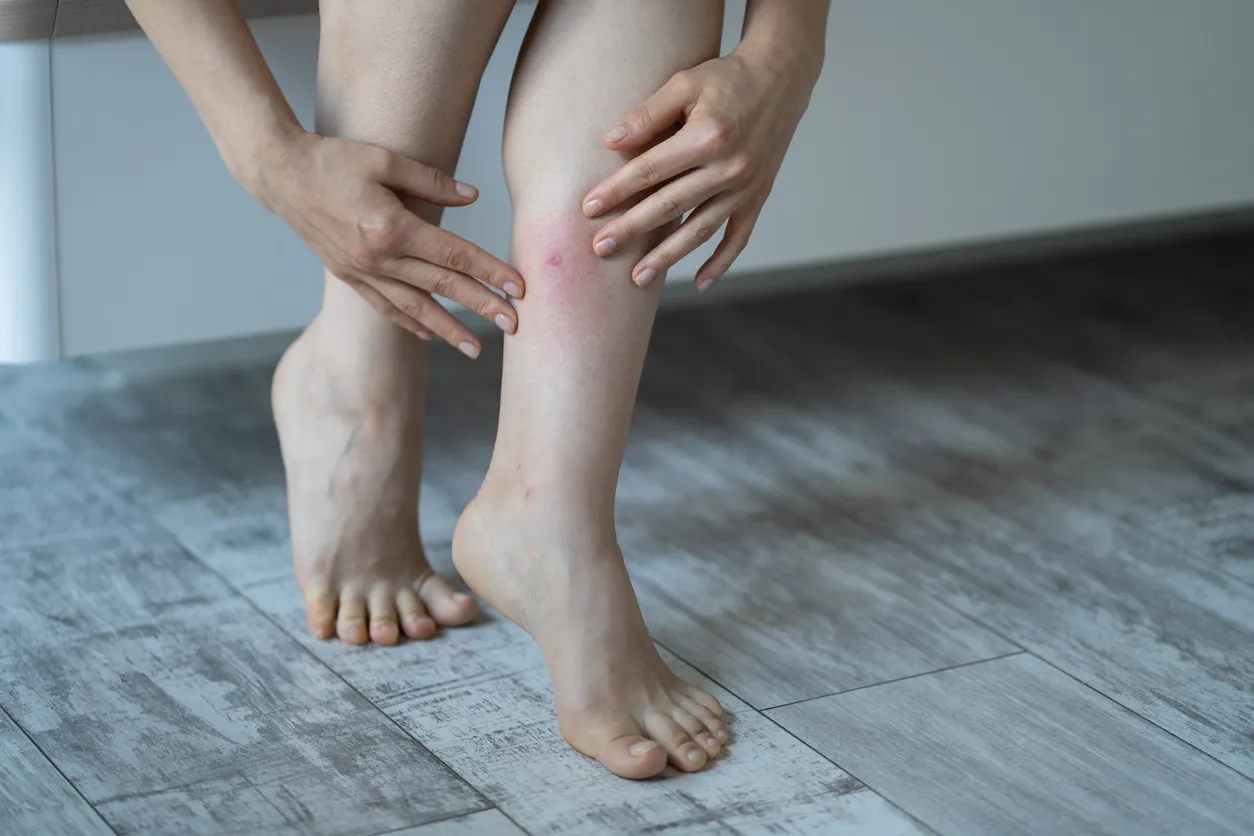
Relying on Bites as Proof
Unexplained itchy marks can have several causes, including other insects and skin reactions.
Some people also show little or no visible reaction to bed bug bites.
Bite appearance alone cannot reliably confirm bed bugs.
Throwing Away Furniture Immediately
Discarding mattresses or couches without professional guidance may be unnecessary.
It can also spread bed bugs if items are moved through shared building spaces without precautions.
A pest control professional can help determine whether furniture is treatable.
Using Excessive Pesticides
Applying large amounts of insecticide does not necessarily improve treatment.
It may create health risks and fail to reach insects hidden deep inside furniture or walls.
Follow professional advice and use only products legally labeled for the intended application.
Frequently Asked Questions About Checking Apartments for Bed Bugs
1. Can you really check an apartment for bed bugs in under two minutes?
Yes, you can perform a preliminary inspection in approximately two minutes by focusing on mattress seams, bed frames, headboards, and nearby furniture. However, this quick screening cannot rule out an infestation, especially in its early stages.
2. What is the fastest way to check a mattress for bed bugs?
Pull back the bedding and use a flashlight to inspect the mattress seams, piping, corners, and labels. Look for live insects, dark fecal spots, tiny eggs, shed skins, and unexplained stains.
3. Can a completely clean apartment have bed bugs?
Yes. Bed bugs are not caused by poor housekeeping. They can enter clean apartments through luggage, furniture, clothing, and other belongings. Apartments in otherwise well-maintained buildings can still experience infestations.
4. What do bed bugs look like on a mattress?
Adult bed bugs are small, oval, flat, and reddish-brown. Younger bugs are smaller and often pale or translucent. You may also notice dark spots, pale shed skins, or tiny whitish eggs along mattress seams.
5. Where do bed bugs usually hide during the day?
They often shelter in mattress seams, box springs, headboards, bed frame joints, upholstered furniture, and narrow cracks near sleeping or resting areas. They can also be active during daylight under certain conditions.
6. Can bed bugs spread from one apartment to another?
Yes. Bed bugs may travel between apartments through connected openings or by being carried in furniture and personal belongings. In multifamily buildings, pest control professionals may recommend inspecting neighboring units.
7. Should I tell my landlord if I suspect bed bugs?
Yes. Notify your landlord or property manager promptly in writing if you discover credible evidence. Include photographs and request an inspection. Specific responsibilities for treatment depend on local regulations and lease provisions.
8. Does washing bedding get rid of bed bugs?
Washing alone may not kill every bed bug or egg. For suitable fabrics, the EPA recommends using a household dryer on high heat for 30 minutes. Follow care labels and store treated items in clean, sealed bags if an infestation remains active.
9. How often should renters check their apartments for bed bugs?
There is no universal inspection schedule. A brief periodic check can be a reasonable habit, especially after travel, after bringing home secondhand furniture, or when suspicious signs appear. More frequent monitoring may be appropriate after professional treatment.
10. What should I do if I find one bed bug?
Photograph the insect and, if possible, securely collect it for identification. Inspect nearby sleeping areas, notify your property manager, and request professional guidance. A single confirmed bed bug does not establish the extent of an infestation, but it should not be ignored.
Final Thoughts: A Two-Minute Check Can Make a Difference
Learning how to check your apartment for bed bugs in under 2 minutes is a useful habit for renters, especially when moving into a new apartment, purchasing used furniture, or returning from travel.
The method is simple: use a flashlight, examine mattress seams, inspect the bed frame and headboard, and look for evidence such as dark spots, shed skins, eggs, or live insects.
The biggest advantage is convenience. You don’t need extensive equipment or specialized knowledge to notice some of the most common warning signs.
Just remember that a quick inspection is an early screening tool, not a replacement for professional assessment. Bed bugs can remain hidden even when everything initially looks normal.
If you discover suspicious evidence, document your findings, contact your property manager, and arrange a more thorough inspection.
A couple of minutes of careful observation can help you recognize a potential problem sooner and make more informed decisions about protecting your apartment.