

Boho interior design brings warmth, personality, and creativity into apartment living without requiring a complete renovation or expensive furniture. With its combination of natural materials, layered textiles, earthy colors, and meaningful decorative pieces, bohemian style offers renters a way to create a comfortable home that feels genuinely personal.
Unlike decorating styles that depend on perfectly coordinated furniture and carefully matched accessories, boho embraces individuality. A vintage wooden table can sit beside a modern sofa. A colorful patterned rug can complement simple white walls. Handmade pottery, woven baskets, and indoor plants can transform an otherwise ordinary apartment into a welcoming retreat.
The best part is that boho decorating works with almost any floor plan. Whether you’re furnishing a studio or exploring apartment living in a larger home, you can introduce the style gradually without overwhelming your space or stretching your budget.
This guide explores what makes boho interior design distinctive, how to adapt it to apartment living, and which decorating decisions create the biggest impact.
What Is Boho Interior Design?

Boho, short for bohemian, is an interior design style characterized by relaxed arrangements, natural textures, mixed patterns, and personal expression.
Its roots are connected to artistic and unconventional lifestyles that favored individuality over formal decorating rules. Contemporary boho interiors draw inspiration from handmade craftsmanship, vintage furniture, natural materials, and textiles influenced by different design traditions.
Today, the style ranges from colorful, eclectic interiors to softer spaces featuring neutral furniture and carefully selected accessories.
Although boho encourages creativity, successful interiors usually share several characteristics.
Natural Materials and Textures
Texture is one of the most recognizable features of bohemian decorating.
Instead of relying on matching finishes, boho interiors combine materials that bring visual depth and tactile interest.
Popular materials include:
| Material | Decorative Benefit | Apartment-Friendly Uses |
|---|---|---|
| Rattan | Lightweight appearance and organic texture | Accent chairs, baskets, side tables |
| Jute | Rustic warmth and natural color | Rugs and storage baskets |
| Linen | Soft, relaxed appearance | Curtains, bedding, pillow covers |
| Wood | Adds warmth and character | Coffee tables, shelves, picture frames |
| Cotton | Comfortable and versatile | Throws, cushions, wall textiles |
| Ceramic | Handmade character and visual variety | Vases, planters, decorative bowls |
| Macramé | Decorative knotwork and dimensional texture | Wall hangings and plant holders |
You don’t need every material in the same room. Combining three or four complementary textures is often enough to create the layered appearance associated with boho interiors.
For example, a linen sofa, wooden coffee table, woven basket, and patterned cotton rug can make a simple living room feel much more inviting.
Warm and Earthy Color Palettes
Boho decorating is often associated with terracotta, rust, mustard yellow, olive green, and warm browns.
However, there’s no requirement to use every earthy shade.
Many successful boho apartments begin with a neutral foundation of cream, beige, ivory, or warm gray. Richer colors are then introduced through smaller accessories.
Consider these combinations:
| Base Color | Accent Colors | Overall Appearance |
|---|---|---|
| Warm white | Terracotta, olive, tan | Natural and inviting |
| Cream | Mustard, rust, brown | Cozy and vintage-inspired |
| Light beige | Sage, dusty rose, ivory | Soft and understated |
| Warm gray | Burnt orange, camel, forest green | Modern and balanced |
| Sand | Indigo, amber, walnut | Colorful and eclectic |
A useful decorating approach is to select one dominant neutral, two complementary accent colors, and a few smaller variations.
This creates consistency without eliminating the relaxed character of boho design.
Meaningful and Collected Decor
Bohemian decorating works particularly well when accessories have personal significance.
A framed photograph from a memorable trip, artwork purchased from a local artist, or a secondhand ceramic vase can give a room more character than a collection of generic matching decorations.
Rather than buying everything at once, build your space gradually.
Choose pieces because you genuinely enjoy their colors, materials, or craftsmanship—not simply because they’re labeled as boho.
Why Boho Style Works So Well in Apartments

Apartment decorating comes with challenges. Floor space may be limited, permanent modifications may be restricted, and existing finishes don’t always match your preferred aesthetic.
Boho style is especially adaptable because it relies heavily on movable furniture and decorative accessories.
You can introduce it through rugs, pillows, artwork, lighting, plants, and storage baskets. Most of these items can move with you when your lease ends.
Boho also works across different apartment layouts.
In a studio, textured accessories can help distinguish sleeping and living areas. In a one-bedroom apartment, layered lighting and comfortable seating can make the living room feel more welcoming. Larger apartments offer opportunities to explore bolder colors and additional furniture arrangements.
The key is to adapt the style to the room rather than forcing the room to accommodate every decorating idea.
How to Create a Boho Apartment Without Making It Feel Cluttered
One of the biggest misconceptions about boho interior design is that more decoration automatically creates a better result.
In reality, too many competing patterns, oversized furniture pieces, and decorative objects can make an apartment feel crowded.
The goal is to create visual interest while preserving space for everyday activities.
Start With a Simple Foundation
Before shopping for accessories, evaluate your existing furniture.
You may already own several pieces that fit naturally into a boho interior.
A neutral sofa, basic wooden desk, or simple bookshelf can serve as a starting point. These pieces don’t need to be replaced simply because they weren’t purchased as bohemian furniture.
Introduce character through smaller changes:
- Add textured pillow covers to an existing sofa.
- Place a patterned rug beneath a coffee table.
- Display pottery or framed artwork on a shelf.
- Use a woven basket to organize blankets.
- Add a table lamp with a warm-toned shade.
Starting with what you own keeps expenses manageable and helps avoid unnecessary purchases.
Choose One Statement Piece Per Area
A statement piece gives the eye somewhere to focus.
In a living room, this could be a colorful vintage-inspired rug. In a bedroom, it might be a woven headboard or large textile wall hanging.
Allow other decorations to support that piece instead of competing with it.
For instance, if you choose a rug featuring several bold colors, use pillows that repeat one or two of those shades.
The result feels intentional rather than randomly assembled.
Mix Patterns With a Common Color
Boho interiors frequently combine stripes, geometric prints, floral patterns, and other textile designs.
The trick is finding a visual connection.
A large-scale patterned rug can work with smaller printed cushions when both contain similar colors. Solid blankets or curtains can then provide visual relief.
Try varying pattern sizes instead of combining several similarly bold designs.
And remember that empty space matters. A wall doesn’t need a tapestry, shelf, plant hanger, and collection of framed artwork to feel finished.
Boho Decor Ideas That Are Perfect for Renters

You can transform an apartment using decorations that don’t require drilling, painting, or permanent alterations.
The following ideas offer flexibility while still creating a noticeable difference.
Layer Rugs for Warmth and Definition
Rugs are among the most effective ways to introduce boho style.
They soften hard flooring, add color, and help define separate areas within an open layout.
A patterned Moroccan-inspired or vintage-style rug can become the focal point of a living room.
For additional texture, you can layer a smaller patterned rug over a larger neutral one.
However, layering isn’t always necessary. In compact apartments, one appropriately sized rug may look cleaner and provide a more comfortable walking surface.
Choose low-profile rugs and suitable nonslip pads to reduce sliding and tripping hazards. Check that overlapping edges won’t interfere with door clearance or furniture movement.
For inspiration, consider a Chardin Home Jute Rug as a natural-looking foundation or a nuLOOM Moroccan Blythe Rug for decorative pattern.
Add Texture With Wall Decor
Wall decorations can make an apartment feel more personalized without occupying valuable floor space.
Macramé hangings, framed prints, woven artwork, and lightweight decorative textiles are particularly well suited to boho interiors.
A large wall hanging above a sofa or bed can also help fill an otherwise empty wall.
For example, an Mkono Wall Hanging offers the textured appearance often associated with boho decorating.
Before installing anything, review your lease and community rules. Use removable hanging methods only when they’re appropriate for the item’s weight and the wall surface.
Decorate With Plants and Natural Accents
Indoor plants complement boho interiors because their organic shapes contrast with furniture and architectural lines.
Choose plants according to the light available in your apartment.
- Bright indirect light: Monstera and many varieties of pothos.
- Moderate indirect light: Spider plants and certain philodendrons.
- Lower-light areas: Snake plants can tolerate relatively low light, although they still need suitable growing conditions.
The Costa Farms Snake Plant is one example of a plant that can work in an apartment with appropriate care.
A decorative Mkono Basket can help introduce woven texture around a plant container.
If you’re placing a nursery pot inside a basket, use a waterproof liner or saucer to protect the floor and prevent moisture damage.
Apartment residents with cats or dogs should also check plant toxicity before buying. Common decorative plants, including snake plants and pothos, can be harmful if pets chew or ingest them.
Artificial greenery is a practical alternative when natural light or maintenance presents a challenge.
Use Throw Pillows and Blankets
Textiles provide an affordable way to introduce boho color without replacing large furniture pieces.
A neutral sofa can look completely different with textured pillows in rust, cream, and olive green.
Mix materials rather than choosing only different prints.
For example, combine a woven cotton pillow with a smooth velvet cover and a chunky knitted blanket.
Decorative Boho Geometric Covers can be one starting point for adding pattern.
Avoid filling the sofa with so many cushions that you must remove half of them every time you sit down.
Comfort and usability should remain priorities.
Boho Chic Interior Design: A More Polished Approach

Boho chic interior design offers a more restrained interpretation of traditional bohemian decorating.
It combines earthy textures and eclectic accessories with clean furniture arrangements and a relatively limited color palette.
This approach is especially appealing in apartments where excessive decoration can make rooms feel smaller.
Classic Boho vs. Boho Chic
| Design Element | Classic Boho | Boho Chic |
|---|---|---|
| Color palette | Often colorful and varied | Mostly neutral with selected accents |
| Furniture | Vintage, mismatched, eclectic | Modern pieces mixed with artisan details |
| Patterns | Multiple layered prints | Fewer patterns used deliberately |
| Accessories | Collected and abundant | Carefully selected |
| Overall appearance | Relaxed and expressive | Relaxed but refined |
Neither approach is inherently better. The right choice depends on your preferences and available space.
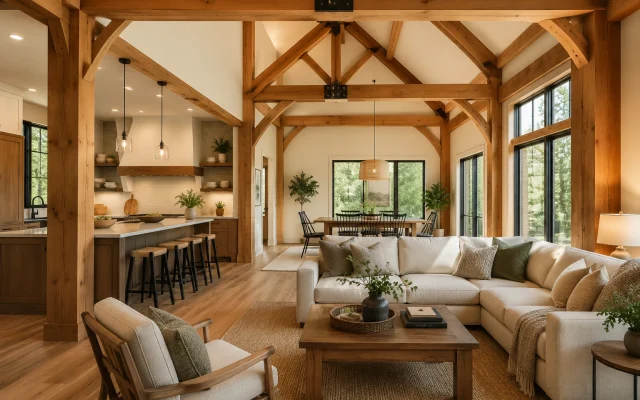
To create a boho chic living room, begin with a neutral sofa and a simple wooden coffee table. Add one patterned rug, a sculptural ceramic vase, and a textured throw.
Finish with greenery and a warm floor lamp.
The apartment will still reflect bohemian influences, but with a cleaner overall appearance.
Modern Boho Interior Design: Combining Simplicity and Warmth

Modern boho interior design blends elements of contemporary decorating with the comfortable textures of traditional boho spaces.
It often incorporates clean-lined sofas, streamlined furniture, neutral walls, and carefully chosen decorative accents.
The style works particularly well for renters who appreciate minimalism but want their homes to feel warmer and less uniform.
Instead of decorating every available surface, modern boho prioritizes a few pieces that provide texture, comfort, or personality.
How to Achieve Modern Boho Style
Choose simple furniture silhouettes. A sofa with clean lines, a slim wooden coffee table, and straightforward shelving can establish a modern foundation.
Introduce organic shapes. Rounded mirrors, curved ceramic vases, and irregular wooden furniture provide contrast against straight architectural lines.
Use natural-looking finishes. Warm wood tones, linen upholstery, and woven accessories soften modern furniture.
Keep decorative items purposeful. Display objects you use or appreciate instead of filling shelves with accessories solely for appearance.
Balance empty space and decoration. Leave room between furniture pieces and avoid covering every wall.
The contrast between modern minimalism and bohemian texture can make an apartment feel both contemporary and welcoming.
Designing a Boho Living Room

The living room is often the best place to introduce bohemian decorating because it contains several opportunities for layering.
Seating, rugs, lighting, tables, and accessories can all contribute to the finished appearance.
Build Around Your Main Seating
Start with the largest furniture piece, usually the sofa.
If you already have one, work with its existing color and shape.
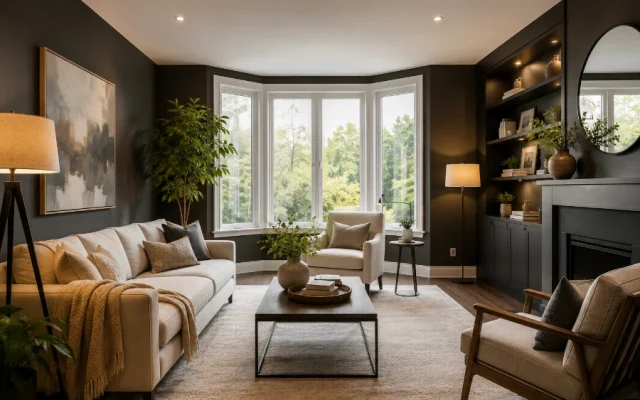
Neutral upholstery is versatile, but darker furniture can also fit beautifully into a boho interior when balanced with lighter textiles and natural finishes.
Add two or three cushions in complementary colors and a comfortable throw.
A patterned area rug can then anchor the arrangement.
Combine Different Furniture Styles
Matching furniture sets aren’t necessary for a cohesive living room.
Try pairing a contemporary sofa with a wooden coffee table or a vintage-style accent chair.
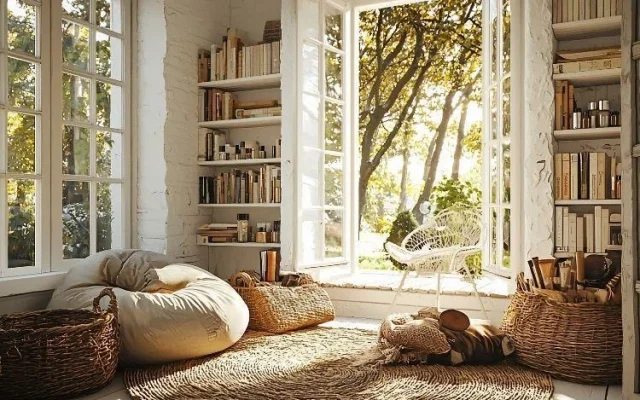
You could also combine a slim bookshelf with woven storage baskets.
For furniture inspiration, examples include a Modway Serena Rattan Chair, a Bamboo Shelf, or an Industrial Tripod Floor Lamp.
When selecting furniture, consider dimensions, durability, and everyday use before appearance alone.
Measure doorways, walkways, and the available floor area, particularly when purchasing an accent chair or larger shelving unit.
Define Separate Living Areas
Open-concept apartments can feel more organized when furniture arrangements establish different zones.
A rug beneath the sofa can distinguish the lounge area from the dining space.
An accent chair and reading lamp can create a quiet corner without requiring a separate room.
A narrow console table or open shelving unit may also help visually separate areas, provided it doesn’t block movement or natural light.
Keep pathways clear and preserve access to windows, doors, and exits.
Layer Your Lighting
Lighting has a significant effect on how comfortable a boho living room feels.
Instead of depending entirely on overhead fixtures, combine several light sources.
A floor lamp beside the sofa can provide evening illumination. A table lamp adds softer light near a bookshelf or side table.
Warm-white LED bulbs generally create a cozy atmosphere, while task lighting should still be bright enough for reading or working.
Battery-operated LED candles can add a decorative glow without an open flame.
Check apartment policies before installing hanging fixtures, and avoid modifications to electrical wiring unless permitted and professionally completed.
Choosing Boho Furniture for Small Apartments

Furniture should support your daily routine, not simply match a decorating theme.
A beautiful rattan chair won’t be useful if it blocks the hallway or makes the living room uncomfortable to navigate.
For smaller apartments, prioritize pieces with practical dimensions and multiple functions.
Look for Multipurpose Furniture
Several furniture types work particularly well in boho apartments.
| Furniture Type | Practical Benefit | Boho Styling Idea |
|---|---|---|
| Storage ottoman | Hidden storage and footrest | Textured upholstery or woven finish |
| Nesting tables | Flexible surface area | Natural wood or mixed materials |
| Storage bench | Seating and organization | Wooden frame with cushions |
| Slim bookshelf | Vertical storage | Decorate with plants and baskets |
| Compact accent chair | Additional seating | Rattan, wood, or textured fabric |
| Lift-top coffee table | Storage and workspace | Warm wood finish |
Products such as VASAGLE Nesting Coffee Tables, a Woven Storage Ottoman, or a Bamboo Folding Chair Set illustrate the types of flexible furniture worth considering.
Before purchasing, compare assembled dimensions with your floor plan and verify the manufacturer’s weight limits where relevant.
Mix Vintage and New Pieces
Secondhand furniture can add character and sometimes reduce decorating expenses.
A vintage wooden side table or thrifted mirror may become one of the most distinctive pieces in your apartment.
However, inspect used furniture carefully for structural damage, pests, moisture, and odors.
For upholstered pieces, consider the cleaning requirements and overall condition before bringing them into your home.
One or two secondhand statement pieces can offer more personality than several inexpensive decorative accessories.
Creating a Boho Bedroom That Feels Relaxing
The bedroom is another natural fit for bohemian design.
Because this room is primarily used for rest, softer textures and a more restrained palette often work better than numerous bold patterns.
Begin with comfortable bedding in white, cream, or another neutral shade.
Add a textured blanket across the foot of the bed and two accent pillows that complement the bedding.
A patterned rug can soften the floor beside the bed, while framed artwork or a textile wall hanging adds visual interest above a dresser.
For bedside storage, use compact tables or shelves that accommodate your essentials.
If the room has limited floor space, prioritize items that help you stay organized.
A woven basket for spare blankets and a narrow dresser may be more valuable than an additional decorative chair.
Keep bedding and fabric decorations safely away from heat sources and electrical fixtures.
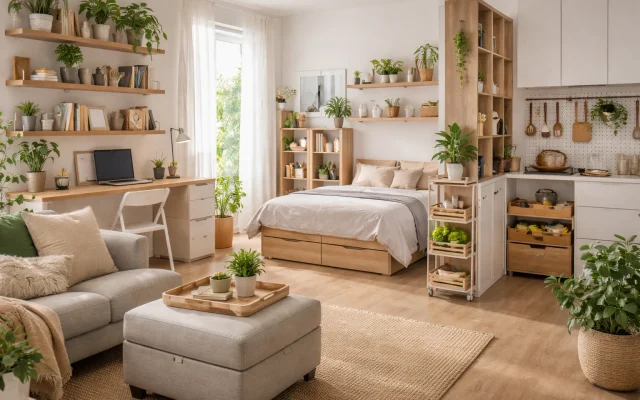
Decorating a Boho Studio Apartment
Studios require a slightly different strategy because multiple activities take place in the same room.
The aim is to create a cohesive design without making the apartment feel overloaded.
Use a consistent color palette throughout the space so different areas feel connected.
A patterned rug might define the lounge area, while a simpler runner or small mat distinguishes another section.
Furniture can help create boundaries without blocking sightlines.
An open bookshelf, appropriately positioned, may offer storage and subtle separation. Any freestanding unit should be secured against tipping when required by its design.
Choose accessories that provide texture without taking up unnecessary floor space.
Wall art, decorative cushions, compact lamps, and small plants are generally more adaptable than oversized furniture.
A studio can feel distinctly bohemian with surprisingly few carefully selected elements.
How to Decorate a Boho Apartment on a Budget
You don’t need to replace everything to create a convincing boho interior.
In fact, gradual decorating often produces a more personal result because each purchase has time to find its place.
Start by identifying the room’s biggest visual weakness.
Does it feel too plain? Too dark? Too empty? Or simply disorganized?
Choose purchases that address those problems first.
Example Boho Decorating Budget
The following figures are illustrative planning allowances rather than current retailer prices.
| Item | Example Budget |
|---|---|
| Area rug | $100 |
| Throw pillows and blanket | $60 |
| Floor lamp | $65 |
| Woven storage baskets | $35 |
| Wall hanging or artwork | $35 |
| Plant and planter | $45 |
| Secondhand side table | $60 |
| Estimated total | $400 |
This example assumes you already own essential furniture, including your sofa and bed.
If you’re furnishing an apartment from scratch, costs will be considerably higher.
You can reduce expenses by shopping secondhand, reusing existing furniture, or introducing decorations over several months.
Prioritize High-Impact Changes
If your budget is limited, focus on the changes that will be most noticeable.
A properly sized rug may improve a living room more than several small decorations.
A good floor lamp can make an apartment more comfortable in the evening.
New pillow covers can refresh an existing sofa without the cost of replacing it.
Spend money where it improves both the room’s appearance and the way you use it.
Common Boho Decorating Mistakes to Avoid
Bohemian interiors may appear effortless, but a little planning makes a significant difference.
Buying too many accessories at once. Give yourself time to evaluate the room after each meaningful change.
Choosing furniture that’s too large. Always measure before purchasing, especially in smaller apartments.
Using too many competing patterns. Repeat colors and vary pattern sizes to establish visual harmony.
Ignoring storage needs. Decorative baskets are useful, but they shouldn’t replace a practical organization system.
Blocking natural light. Heavy curtains and oversized furniture can make an apartment feel darker and smaller.
Overlooking cleaning and maintenance. Shaggy rugs, delicate textiles, and woven surfaces may require more care than simpler alternatives.
Making permanent changes without permission. Review your lease before installing shelves, painting walls, changing light fixtures, or drilling holes.
Treating boho as a shopping checklist. Your apartment doesn’t need macramé, rattan, jute, and patterned rugs everywhere. Choose pieces that suit your taste rather than buying every recognizable trend.
A Step-by-Step Plan for Your First Boho Apartment Makeover

If you’re unsure where to begin, follow this practical sequence.
- Assess your existing room. Identify furniture worth keeping and areas that need improvement.
- Select your color palette. Choose a main neutral and two complementary accent colors.
- Improve the layout. Position furniture to support daily activities and maintain comfortable walkways.
- Choose an anchor piece. Add a rug, distinctive chair, or large artwork that establishes the room’s character.
- Introduce texture. Use cushions, throws, baskets, curtains, or natural-looking finishes.
- Improve lighting. Add lamps where they make the room more usable and inviting.
- Personalize gradually. Display meaningful artwork, books, photographs, ceramics, and other objects.
- Edit the finished room. Remove anything that feels unnecessary or makes the space less functional.
You don’t have to complete every step in one weekend.
Allowing your apartment to evolve naturally is entirely consistent with the spirit of bohemian design.
Final Thoughts: Make Boho Style Your Own
The appeal of boho interior design lies in its flexibility. It gives apartment residents the freedom to mix furniture styles, experiment with color, incorporate natural materials, and decorate with objects that have personal meaning.
A well-designed boho apartment doesn’t need to be expensive, perfectly coordinated, or filled with accessories.
A comfortable sofa, a beautiful rug, warm lighting, and a few thoughtfully selected details can be enough to create a room that feels inviting and individual.
Start with the furniture and decorations you already own, make improvements that support your daily routine, and add new pieces gradually.
The result should feel like a home shaped by your personality—not a showroom built around a decorating trend.
Frequently Asked Questions About Boho Apartment Decor
1. What is boho interior design?
Boho interior design is a relaxed decorating style that combines natural materials, layered textiles, varied patterns, and personal accessories to create comfortable, expressive living spaces.
2. Is boho style suitable for small apartments?
Yes. Boho works well in small apartments when you use appropriately sized furniture, limit oversized decorations, and incorporate practical storage solutions.
3. What colors are best for a boho apartment?
Cream, beige, terracotta, rust, mustard, olive, and warm brown are popular choices. Neutral foundations paired with a few earthy accents often work particularly well in smaller rooms.
4. How can I create boho decor without spending much money?
Reuse existing furniture and introduce affordable accessories such as pillow covers, secondhand artwork, rugs, and woven baskets. Focus on one area at a time.
5. What furniture works best for boho apartments?
Wooden coffee tables, rattan accent chairs, neutral sofas, storage ottomans, nesting tables, and compact shelving are all suitable options when sized correctly for the room.
6. What’s the difference between boho and boho chic?
Traditional boho often uses more patterns, colors, and eclectic accessories. Boho chic retains the warmth and texture but generally uses fewer decorative pieces and a more restrained palette.
7. Can I combine boho with modern furniture?
Absolutely. Modern boho design pairs clean-lined furniture with textured rugs, warm wood, plants, and expressive accessories.
8. Do I need indoor plants to create a boho apartment?
No. Plants are popular in boho spaces, but they’re optional. You can achieve a similar organic appearance through woven materials, botanical artwork, ceramics, and natural wood.
9. How can I decorate boho without damaging apartment walls?
Use freestanding shelves, leaning artwork where safe, lightweight decorations, and removable mounting products appropriate for your wall finish. Always check your lease and product weight limits.
10. How do I keep a boho apartment from looking cluttered?
Choose a consistent color palette, limit competing patterns, prioritize useful furniture, and leave some surfaces and walls undecorated. Regularly edit accessories so each piece contributes to the room’s appearance or function.