

Living in a ground-floor apartment offers something increasingly valuable in today’s crowded cities: the opportunity to enjoy private outdoor space without maintaining a large backyard. Whether it’s a compact courtyard, a narrow patio, or a small garden area, having a place to relax outside can make apartment living considerably more enjoyable.
However, limited square footage introduces a unique set of challenges. Outdoor furniture, gardening equipment, bicycles, and everyday household essentials can quickly overwhelm a small courtyard. Without a practical layout, even an attractive outdoor area may become difficult to use.
Fortunately, space-saving design strategies for ground-floor apartments can transform these compact spaces into comfortable, organised, and visually appealing extensions of the home.
From multifunctional furniture and vertical gardens to clever storage systems and thoughtful landscaping, small changes can deliver impressive results.
The key is understanding how to balance aesthetics, functionality, and available space without creating unnecessary clutter.
Why Space-Saving Design Matters in Urban Apartments
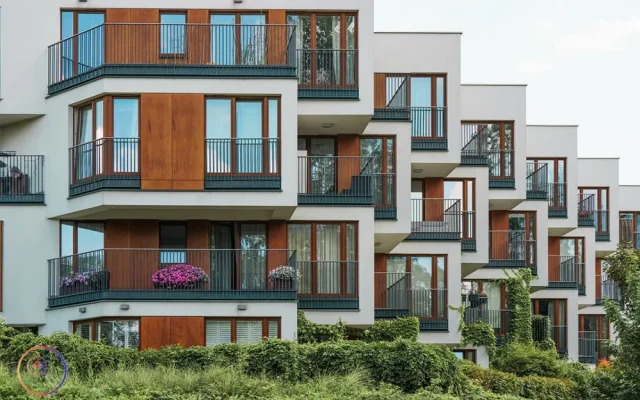
Australian cities continue to experience changing housing demands as more residents embrace apartment and townhouse living.
As urban development becomes denser, private outdoor areas are often smaller than traditional suburban backyards. Consequently, residents must become more intentional about how they arrange and use their available space.
Research undertaken by the UNSW City Futures Research Centre explores housing challenges and the importance of improving residential environments as cities evolve.
For ground-floor apartment residents, effective design becomes particularly important because courtyards often serve several purposes simultaneously.
A single outdoor space may function as:
- A relaxing seating area after work.
- A small garden for herbs and decorative plants.
- A place to entertain friends and family.
- An outdoor dining area.
- A convenient location for storing household items.
- A space for pets to enjoy fresh air.
Accommodating these activities requires careful planning.
Instead of attempting to fit everything into one courtyard, residents can prioritise the features that provide the greatest everyday value.
A well-organised outdoor area often feels more spacious than a larger courtyard filled with unnecessary furniture and equipment.
Start With a Practical Courtyard Layout
Before purchasing furniture or installing storage, evaluate the courtyard’s dimensions and existing features.
Measure the available length and width, noting permanent obstacles such as air-conditioning units, drainage outlets, doors, steps, and utility connections.
Also consider how people naturally move through the space.
For example, placing a large outdoor dining table directly outside a sliding door may restrict access and make the courtyard feel cramped.
Instead, position larger furniture against suitable walls or toward the perimeter, leaving a comfortable pathway through the centre.
Create Distinct Functional Zones
One of the most effective space-saving design strategies for ground-floor apartments is dividing outdoor areas into small, purposeful zones.
Even a modest courtyard can accommodate several activities when each has a designated location.
For example:
Relaxation zone: Position a compact outdoor sofa, bench, or two comfortable chairs against a wall.
Gardening zone: Use vertical planters or narrow raised beds to grow herbs, flowers, and decorative greenery.
Storage zone: Place weather-resistant storage containers or an appropriately sized shed in a less prominent corner.
Dining zone: Consider a folding bistro table that provides seating for meals without permanently occupying valuable floor space.
These zones do not need physical barriers.
Changes in flooring, furniture placement, or planter arrangements can visually separate activities while maintaining an open appearance.
The goal is to establish a natural flow that makes the courtyard easy to navigate.
Make Outdoor Storage Part of the Design
Storage is one of the biggest challenges in compact ground-floor apartments.
Bicycles, gardening tools, watering cans, outdoor cushions, and seasonal decorations often compete for limited space.
When these items remain scattered across the patio, they reduce usable floor area and create unnecessary visual clutter.
A more practical solution is incorporating dedicated storage from the beginning.
For courtyards with sufficient room and the necessary approvals, installing a modern storage shed can provide an organised place for bulky belongings while protecting them from the elements.
Contemporary storage designs are available in various dimensions and finishes, making it easier to select something that complements the surrounding architecture.
However, apartment residents should check strata or owners corporation rules, rental agreements, building requirements, and any applicable approvals before installing permanent or freestanding structures.
Choose Storage That Fits the Space
A storage solution should improve the courtyard rather than dominate it.
Before selecting a shed or cabinet, consider:
- Available dimensions: Ensure the structure fits without restricting movement.
- Door clearance: Allow enough space to open storage doors comfortably.
- Weather resistance: Select materials suitable for local rainfall, humidity, and sun exposure.
- Visual appearance: Choose colours and finishes that complement the apartment.
- Security: Look for lockable options when storing valuable equipment.
- Ventilation: Avoid storing moisture-sensitive belongings in poorly ventilated spaces.
For particularly small courtyards, a slim outdoor cabinet or waterproof storage bench may be more appropriate than a conventional shed.
The most effective approach is choosing storage according to actual household needs rather than purchasing the largest available option.
Choose Multifunctional Outdoor Furniture
Furniture selection can dramatically influence how spacious a courtyard feels.
Traditional outdoor lounge suites and oversized dining arrangements may look attractive in showrooms, but they are not always practical for apartment patios.
Instead, focus on pieces that perform multiple functions.
Storage Benches
A weather-resistant bench with concealed storage offers seating while providing space for cushions, gardening accessories, or outdoor toys.
Positioning the bench against a wall keeps the centre of the courtyard open.
Folding Tables and Chairs
Folding furniture allows residents to adjust the layout depending on the occasion.
A small bistro set may be sufficient for everyday meals, while additional folding chairs can be brought out when entertaining guests.
Afterward, the furniture can be stored against a wall or inside a suitable cabinet.
Stackable Seating
Stackable outdoor chairs provide flexibility without requiring permanent floor space.
They are particularly useful for people who occasionally host visitors but do not need multiple chairs every day.
Compact Modular Furniture
Modular seating can be rearranged to accommodate relaxation, conversation, or casual dining.
However, residents should avoid purchasing too many modules, as large arrangements can overwhelm a compact courtyard.
The guiding principle is simple: every piece of furniture should justify the space it occupies.
Use Vertical Space to Create More Room
When courtyard floor space is limited, walls and fences offer valuable opportunities for organisation and decoration.
Vertical design helps keep furniture and plants off the ground while drawing attention upward.
This can make a small outdoor area feel taller and more open.
Install Vertical Gardens
Vertical gardens provide greenery without sacrificing significant floor space.
Depending on building permissions and structural considerations, residents can use freestanding planter racks, modular garden systems, or lightweight wall-mounted planters.
Suitable plants depend on the amount of sunlight, exposure, and local climate.
For example, courtyards receiving several hours of sunlight may support herbs such as rosemary and thyme, while shaded areas may be better suited to selected ferns and shade-tolerant plants.
Add Slim Plant Shelves
A narrow plant stand can accommodate several pots within a relatively small footprint.
Choose stable, weather-resistant shelving and avoid overloading elevated surfaces.
Consider Wall-Mounted Storage
Where permitted, appropriately secured hooks and shelves can help organise lightweight gardening tools and other outdoor accessories.
Renters should avoid drilling into shared walls or installing heavy fixtures without permission.
Freestanding alternatives are often the simplest option.
By moving selected items vertically, residents preserve more room for seating and movement.
Select Colours and Materials That Make Small Spaces Feel Larger
Colour influences how people perceive the size and atmosphere of an outdoor area.
Although darker colours can create a dramatic appearance, using too many contrasting finishes in a small courtyard may make the layout feel visually busy.
A coordinated palette typically produces a calmer result.
Neutral colours such as warm white, beige, soft grey, and natural timber tones can create a cohesive foundation.
Residents can then introduce personality through cushions, planters, and decorative accessories.
Connect Indoor and Outdoor Colours
Matching outdoor furniture and accessories with the apartment’s interior helps create visual continuity.
For example, a living room featuring pale timber furniture and neutral upholstery can transition naturally into a courtyard furnished with similar tones.
When sliding glass doors remain open, the two areas may appear more connected.
Keep Flooring Simple
A consistent flooring finish can also make a compact courtyard feel more spacious.
Where permitted, outdoor tiles, suitable removable decking systems, or weather-resistant rugs can help define the area.
Always maintain drainage and avoid installing coverings that could trap moisture or damage existing surfaces.
Create Privacy Without Closing Off the Courtyard
Ground-floor apartments may sit close to pedestrian walkways, neighbouring buildings, or shared outdoor areas.
This can make privacy an important consideration.
However, large barriers and bulky screens can reduce airflow, block natural light, and make an already small courtyard feel enclosed.
A better approach involves selecting privacy solutions that preserve openness.
Consider:
- Freestanding lattice screens with suitable support.
- Tall, narrow planters containing appropriate screening plants.
- Lightweight outdoor privacy panels.
- Trellises with climbing plants where permitted.
- Strategic furniture placement away from exposed boundaries.
For example, placing a comfortable bench behind a row of tall planters can create a more secluded seating area without surrounding the entire courtyard with solid barriers.
Screening materials should also withstand local wind conditions and comply with building rules.
The best privacy solutions provide separation without making the space feel confined.
Introduce Greenery Without Overcrowding the Area
Plants can soften hard architectural surfaces and make apartment courtyards feel more inviting.
However, too many containers can quickly consume valuable space.
Rather than filling every corner with pots, select a smaller collection of plants that complement one another.
Choose Plants According to Available Light
Observe how sunlight moves through the courtyard during the day.
Ground-floor spaces surrounded by tall buildings may receive limited direct sunlight, while west-facing patios can experience strong afternoon heat.
Select plants based on those conditions rather than appearance alone.
Use Narrow Planter Boxes
Long, slim planter boxes can define courtyard boundaries without occupying as much space as several oversized individual containers.
They can also provide a practical way to grow herbs or seasonal plants.
Avoid Excessively Large Plants
Fast-growing shrubs and trees may eventually outgrow small courtyards.
Their root systems, mature height, and maintenance requirements should be considered before planting.
Container-friendly varieties are often easier to manage.
Keep Maintenance Realistic
Choose plants that suit your gardening experience and available time.
Low-maintenance landscaping helps residents enjoy their outdoor areas without turning them into another demanding household responsibility.
Make Small Courtyards Comfortable in Different Weather Conditions
A stylish courtyard is only useful when residents can enjoy it comfortably.
In many Australian cities, outdoor areas must accommodate strong sunlight, occasional heavy rainfall, wind, and changing seasonal temperatures.
Weather-conscious design can improve everyday usability.
Provide Appropriate Shade
Portable umbrellas, compact shade sails, and adjustable outdoor screens may help reduce direct sun exposure.
Any installation must be suitable for local wind conditions and comply with building requirements.
For renters, a stable freestanding umbrella may be a practical alternative to permanent shade structures.
Select Weather-Resistant Materials
Choose outdoor furniture made from materials designed for the local climate.
Powder-coated aluminium, appropriately treated timber, and suitable synthetic materials are common options.
Outdoor cushions should also be made from weather-resistant fabrics, although storing them during prolonged rain can extend their useful life.
Maintain Proper Drainage
Never block existing courtyard drains with furniture, artificial turf, planters, or decking.
Water accumulation can damage surfaces and potentially affect neighbouring properties.
Where persistent drainage issues exist, report them to building management or the property owner rather than making unapproved modifications.
Improve the Look and Function of Outdoor Storage
Maintaining an attractive courtyard requires more than selecting suitable furniture.
Effective organisation ensures that everyday belongings remain accessible without taking over the space.
For additional ideas, explore ways to improve both the look and function of your storage spaces.
A consistent storage routine can make a noticeable difference in small areas.
Start by grouping belongings according to their purpose.
Gardening equipment should remain together, outdoor dining accessories should have a designated location, and seasonal decorations can be stored separately.
Frequently used items should be easy to reach, while occasional-use equipment can occupy less accessible storage areas.
Waterproof containers and clearly labelled bins can also simplify organisation.
Importantly, avoid allowing storage solutions to gradually expand into areas intended for relaxation.
A courtyard should remain an enjoyable living environment rather than becoming an extension of the household storeroom.
Use Lighting to Make the Courtyard More Inviting
Outdoor lighting can improve both the atmosphere and usability of a compact courtyard.
Instead of relying on one harsh overhead fixture, consider several subtle sources of illumination.
Rechargeable outdoor lamps, solar-powered pathway lights, and suitable battery-operated lanterns can provide flexible lighting without requiring permanent electrical work.
Warm-toned lighting often creates a comfortable atmosphere for evening relaxation.
Position lights thoughtfully to highlight seating areas, planters, or architectural details.
However, avoid excessive brightness that may disturb neighbours.
All outdoor electrical products should be appropriately rated for their location, and permanent electrical installations should be completed by qualified professionals.
Renter-Friendly Space-Saving Improvements
Not every ground-floor apartment resident owns their property.
Renters may face restrictions on drilling, permanent landscaping, painting, and structural alterations.
Fortunately, many worthwhile improvements require little or no permanent installation.
| Space-saving improvement | Main benefit | Renter-friendly consideration |
|---|---|---|
| Folding bistro furniture | Frees up space when not in use | Easily removable |
| Outdoor storage bench | Combines seating and storage | No permanent installation |
| Freestanding vertical garden | Adds plants without using much floor area | Check stability and drainage |
| Outdoor rug | Defines a seating zone | Select a surface-safe, quick-drying option |
| Portable umbrella | Provides adjustable shade | Requires a secure, suitable base |
| Slim storage cabinet | Organises tools and accessories | Choose one that fits building rules |
| Rechargeable lighting | Improves evening usability | Avoids permanent wiring |
| Decorative planters | Adds privacy and visual interest | Easy to reposition |
Before purchasing larger items, always review the lease and any strata or owners corporation requirements.
Approval may be necessary even for some freestanding objects, particularly where wind safety, fire access, drainage, or common property is involved.
Common Mistakes to Avoid in Small Apartment Courtyards
Even attractive design ideas can produce disappointing results when they are unsuitable for the available space.
Understanding common mistakes helps residents avoid unnecessary expenses.
Buying Furniture Before Measuring
Oversized furniture can obstruct walkways and make the courtyard difficult to navigate.
Measure carefully before purchasing.
Using Too Many Decorative Accessories
Numerous small decorations can create a cluttered appearance.
Choose a few meaningful pieces rather than filling every available surface.
Ignoring Storage Requirements
Without dedicated storage, gardening accessories and outdoor supplies can quickly accumulate.
Plan storage before completing the decorative elements.
Blocking Natural Light
Tall cabinets, dense screening plants, and large privacy panels may reduce sunlight entering the apartment.
Consider the impact on both indoor and outdoor spaces.
Neglecting Maintenance
Outdoor areas are exposed to dust, moisture, leaves, and seasonal weather.
Select finishes and furniture that can be cleaned and maintained easily.
Overlooking Building Restrictions
Apartment courtyards may be subject to strata by-laws, fire safety requirements, and rental conditions.
Always confirm what changes are permitted before making major improvements.
A Simple Step-by-Step Courtyard Makeover Plan
Improving a ground-floor courtyard does not necessarily require a large renovation budget.
A structured approach can help residents achieve better results through smaller, carefully selected changes.
Step 1: Remove unnecessary belongings. Clear the space and determine which items genuinely need to remain outdoors.
Step 2: Measure the courtyard. Record dimensions, access points, drainage locations, and fixed obstacles.
Step 3: Identify your priorities. Decide whether the main purpose is relaxing, gardening, dining, entertaining, or storage.
Step 4: Establish functional zones. Arrange the layout to support your most frequent activities while preserving movement.
Step 5: Choose appropriate storage. Select containers, benches, cabinets, or approved structures that suit the available space.
Step 6: Introduce flexible furniture. Prioritise foldable, stackable, and multifunctional options.
Step 7: Add greenery and finishing touches. Use plants, lighting, and coordinated colours to create a welcoming atmosphere.
Step 8: Review everyday usability. Spend time using the courtyard before adding more furniture or decorations.
This gradual approach reduces the risk of overcrowding and helps ensure that each improvement has a practical purpose.
The Long-Term Benefits of a Well-Designed Outdoor Space
A thoughtfully arranged courtyard can contribute significantly to everyday apartment living.
It creates an additional area for relaxation, offers opportunities to enjoy fresh air, and provides space for activities that may be difficult to accommodate indoors.
For people working from home, a comfortable courtyard may offer a refreshing change of environment during breaks.
Residents who enjoy gardening can cultivate herbs and decorative plants without requiring a traditional backyard.
Meanwhile, households that frequently entertain can use flexible furniture arrangements to accommodate occasional gatherings.
Good organisation also reduces the time spent moving belongings, searching for equipment, and maintaining cluttered surfaces.
Perhaps most importantly, a well-designed outdoor area encourages residents to use the space they already have instead of focusing on its limitations.
Frequently Asked Questions
1. How can I make a small ground-floor apartment courtyard look bigger?
Use compact furniture, coordinated colours, vertical gardens, and clear pathways. Reducing unnecessary decorations and keeping the layout organised can also create a more spacious appearance.
2. What furniture is best for small apartment patios?
Folding tables, stackable chairs, storage benches, and compact modular furniture work particularly well. These options provide flexibility without permanently occupying excessive floor space.
3. Can I install a storage shed in an apartment courtyard?
It depends on your rental agreement, strata rules, and applicable building requirements. Always obtain any necessary approval before installing a shed or other substantial storage structure.
4. How do I create privacy in a ground-floor apartment courtyard?
Consider freestanding screens, narrow planters, or suitable climbing plants. Choose solutions that provide screening without blocking too much sunlight or ventilation.
5. What plants are suitable for small apartment courtyards?
Container-friendly herbs, compact shrubs, and plants suited to the available sunlight are generally good options. Select varieties based on local climate, mature size, and maintenance needs.
6. How can I organise outdoor belongings without a shed?
Use weather-resistant storage benches, slim cabinets, stackable containers, or suitable vertical storage. Group similar items together to keep the area tidy and accessible.
7. Are vertical gardens suitable for renters?
Yes, freestanding vertical gardens are often suitable because they do not require permanent wall modifications. However, renters should check building rules and ensure the structure is stable and drains safely.
8. How can I decorate a courtyard on a small budget?
Start by decluttering and rearranging existing furniture. Affordable additions such as outdoor cushions, potted plants, rechargeable lighting, and a suitable rug can refresh the space without major renovations.
9. How can I make a small courtyard suitable for entertaining?
Use folding furniture, flexible seating arrangements, and compact tables. Keep the main walkway clear so guests can move comfortably around the space.
10. Why is space-saving design important for ground-floor apartments?
Space-saving design allows residents to enjoy storage, relaxation, gardening, and entertaining within a limited outdoor area. It improves functionality while helping the courtyard remain comfortable and visually appealing.
Final Thoughts
Ground-floor apartment living does not have to mean compromising on outdoor comfort or functionality.
With thoughtful planning, even a modest courtyard can become an attractive and versatile extension of the home.
The most successful space-saving design strategies for ground-floor apartments focus on everyday practicality. Multifunctional furniture, efficient storage, vertical greenery, coordinated materials, and well-defined activity zones all help make limited space more useful.
Just as importantly, residents should select improvements that suit their building’s requirements, local weather conditions, and personal lifestyle.
A courtyard does not need elaborate landscaping or expensive furniture to feel welcoming. Sometimes, removing unnecessary belongings and introducing a few carefully chosen features makes the greatest difference.
By balancing organisation, comfort, and visual appeal, apartment residents can transform compact outdoor areas into relaxing spaces that support modern urban living.