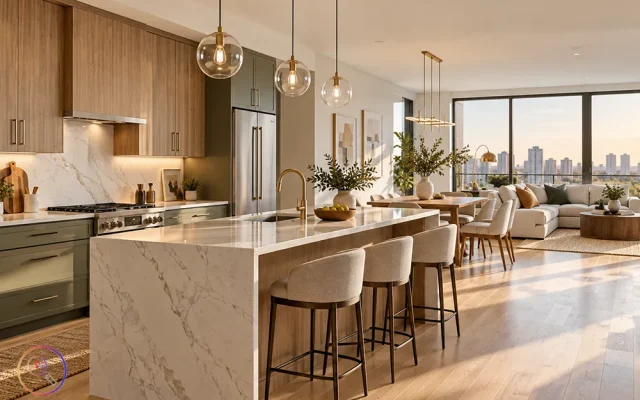

The rental industry has changed significantly, and understanding what modern renters expect from managed stays has become increasingly important for property owners and managers. Whether someone is booking a vacation rental for a weekend, securing temporary housing for a work assignment, or searching for a furnished apartment for several months, their expectations extend far beyond having a comfortable place to sleep.
Today’s renters and guests want convenience, transparency, reliable service, and a property that meets their everyday needs. They expect accurate listings, straightforward booking procedures, clean accommodations, responsive communication, and quick solutions when problems arise.
Technology has also transformed how people evaluate rental properties. Guests can compare dozens of listings, read detailed reviews, examine property photographs, and assess amenities before making a reservation. As a result, even small shortcomings can influence their decisions.
For property owners, these changing expectations create both challenges and opportunities. Meeting modern standards requires more than attractive interiors or competitive pricing. It involves creating a consistent rental experience supported by efficient property management, thoughtful amenities, and dependable customer service.
Let’s explore what today’s renters and guests prioritize when choosing managed stays and how property managers can deliver an experience that encourages satisfaction, positive reviews, and repeat bookings.
1. A Seamless Digital Experience From Search to Booking
One of the biggest changes in rental expectations involves how easily guests can find, evaluate, and reserve accommodations.
Modern renters are accustomed to using digital platforms for everything from shopping to travel arrangements. Naturally, they expect a similar level of convenience when booking rental properties.
A complicated reservation process, outdated listing information, or delayed responses can discourage potential guests before they ever visit the property.
Accurate and Informative Property Listings
A rental listing serves as the first introduction to a property. It should provide enough information for prospective renters to make an informed decision.
A strong listing typically includes:
- High-quality photographs of rooms, amenities, and outdoor areas.
- Accurate descriptions of available bedrooms, bathrooms, and furnishings.
- Clear information about parking, accessibility, and pet policies.
- Updated availability and rental rates.
- Details about internet access, utilities, and included services.
- Transparent cancellation policies and rental requirements.
For longer-term renters, information about lease terms, security deposits, utility responsibilities, and maintenance procedures is equally important.
The goal is to eliminate uncertainty before someone commits to a reservation or lease.
Simple Reservations and Digital Communication
Guests increasingly appreciate online booking systems that allow them to review availability, understand rental costs, and receive confirmation without unnecessary delays.
Digital lease signing, secure online payments, and automated reservation updates can further simplify the process.
Behind the scenes, property managers often use vacation rental management software to coordinate listings, organize reservations, automate routine messages, and manage multiple properties from a centralized platform.
These systems can reduce administrative work while helping guests receive accurate and timely information.
However, technology should support customer service rather than replace it entirely. Renters still need access to a real person when questions become complicated or unexpected situations arise.
2. Consistent Cleanliness, Comfort, and Property Quality
Cleanliness remains one of the most fundamental expectations in any managed rental.
Regardless of whether guests are staying for two nights or several months, they want a property that feels hygienic, comfortable, and properly maintained.
Even an attractive apartment can leave a poor impression if guests encounter dirty bathrooms, stained bedding, unpleasant odors, or neglected furnishings.
Establishing Reliable Cleaning Standards
Professional property management involves establishing repeatable cleaning procedures rather than relying on informal routines.
For short-term rentals, this generally means conducting detailed cleaning between reservations. Longer-term rental properties require appropriate turnover inspections, routine maintenance, and preparation before new tenants move in.
A practical cleaning checklist should cover:
| Area | What Renters Expect |
|---|---|
| Bedrooms | Clean bedding, comfortable mattresses, and dust-free surfaces |
| Bathrooms | Sanitized fixtures, clean mirrors, and properly functioning plumbing |
| Kitchens | Clean appliances, countertops, cabinets, and cooking equipment |
| Living areas | Comfortable furniture, clean floors, and organized spaces |
| Climate control | Functioning heating, air conditioning, and ventilation |
| Outdoor spaces | Maintained patios, balconies, walkways, and shared areas |
| Safety features | Working locks, smoke alarms, and other required safety equipment |
Property managers should also inspect furniture, appliances, lighting, and essential fixtures regularly.
Consistency Matters More Than Occasional Perfection
A property that looks impressive in photographs but fails to meet expectations during check-in can quickly lose credibility.
Guests want confidence that the accommodation they booked will match its description.
Consistency builds trust, particularly when renters return to the same property or recommend it to friends and colleagues.
Creating documented cleaning standards, conducting inspections, and addressing maintenance concerns before guest arrival all contribute to dependable quality.
For owners managing multiple units, standardized procedures also help ensure that service quality does not vary dramatically between properties.
3. Fast, Clear, and Helpful Communication
Understanding what modern renters expect from managed stays also means recognizing the importance of communication throughout the rental experience.
Guests should never feel uncertain about whom to contact or how to obtain important information.
From the first inquiry through checkout or lease completion, communication should remain accessible, professional, and helpful.
Before the Stay
Before arriving, guests often have questions about parking, arrival procedures, available amenities, nearby transportation, or property rules.
Property managers can reduce confusion by providing essential details in advance.
For example, a pre-arrival message might include the property’s address, check-in instructions, parking information, Wi-Fi details, and emergency contact numbers.
For apartment renters, similar communications can explain move-in procedures, utility setup, package delivery, and maintenance requests.
During the Stay
Once guests arrive, timely assistance becomes especially important.
Someone who cannot access the building or discovers that the air conditioning is malfunctioning needs a practical solution, not an automated response that fails to address the problem.
Automated messaging can handle common questions, but urgent situations require clear escalation procedures.
After the Stay
Communication should not necessarily end when guests leave.
Follow-up messages provide opportunities to request feedback, resolve outstanding concerns, and maintain positive relationships.
For longer-term residents, regular updates about maintenance schedules, policy changes, and community improvements help build trust.
The most effective communication systems combine digital efficiency with genuine human support.
4. Flexible Check-In and Convenient Access
Convenience plays a major role in how renters evaluate managed accommodations.
Travel delays, changing work schedules, and unpredictable arrival times can make traditional check-in arrangements inconvenient.
Consequently, many guests appreciate flexible access options that reduce unnecessary coordination.
Self-Check-In and Smart Access Systems
Depending on the property, convenient entry options may include:
- Smart locks with temporary access codes.
- Secure lockboxes for physical keys.
- Digital access instructions.
- Contactless check-in procedures.
- Electronic building access systems.
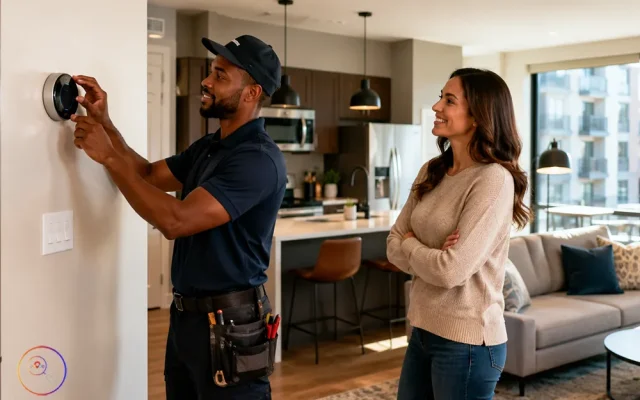
These solutions can allow guests to arrive without coordinating an in-person key exchange.
However, property managers should provide backup procedures for situations involving dead batteries, lost access codes, or technical problems.
Clear Arrival Instructions
Flexible entry is only useful when guests understand how the system works.
Instructions should explain where to park, how to locate the entrance, which access credentials to use, and how to contact support if something goes wrong.
Photographs of entrances or parking locations can be particularly helpful for properties with multiple buildings.
For longer-term apartment rentals, convenience may involve scheduled move-in appointments, secure package facilities, elevator reservations, and accessible management offices.
Ultimately, renters appreciate arrangements that make arriving and settling in as straightforward as possible.
5. Transparent Pricing and Straightforward Rental Terms
Few things undermine renter confidence faster than unexpected expenses.
A property may advertise an attractive nightly or monthly rate, but additional charges can significantly affect the total cost.
Modern renters want to understand their financial obligations before signing a lease or confirming a reservation.
What Should Be Clearly Disclosed?
Depending on the property and rental arrangement, costs may include:
| Potential Expense | Information Renters Need |
|---|---|
| Base rent or nightly rate | The price for the selected rental period |
| Cleaning fees | Whether a separate cleaning charge applies |
| Security deposits | Amount, conditions, and refund procedures |
| Pet fees | Deposits, recurring charges, and applicable restrictions |
| Parking charges | Included spaces and additional parking costs |
| Utilities | Which services are included or billed separately |
| Service fees | Platform, processing, or management-related charges |
| Cancellation fees | Deadlines, penalties, and refund eligibility |
Property managers should disclose applicable charges before renters make a commitment and follow relevant pricing disclosure requirements.
Why Transparency Improves the Experience
Pricing transparency has become an important consideration in accommodation booking practices.
Clear pricing makes it easier for renters to compare properties fairly and plan their budgets.
For longer-term apartment renters, managers should also explain lease renewal conditions, late payment policies, utility billing arrangements, and potential move-out charges.
When financial expectations are established early, both parties are better positioned to avoid disagreements later.
6. Modern Amenities That Support Everyday Living
Today’s renters increasingly evaluate properties according to how well they support daily routines.
A comfortable bed and functional bathroom are essential, but many guests also want accommodations that allow them to work, cook, relax, and maintain their usual lifestyle.
The most desirable amenities depend on the property type, intended audience, and length of stay.
Reliable Internet Connectivity
High-speed internet access has become essential for many travelers and residents.
Remote employees may need to attend video conferences, upload large files, and access cloud-based applications. Other guests rely on internet connectivity for entertainment, navigation, and communication.
Property managers should provide accurate information about internet availability and avoid advertising speeds that the connection cannot consistently deliver.
Functional Workspaces
As remote and hybrid work remain part of many people’s routines, properties that accommodate professional activities can appeal to a broader audience.
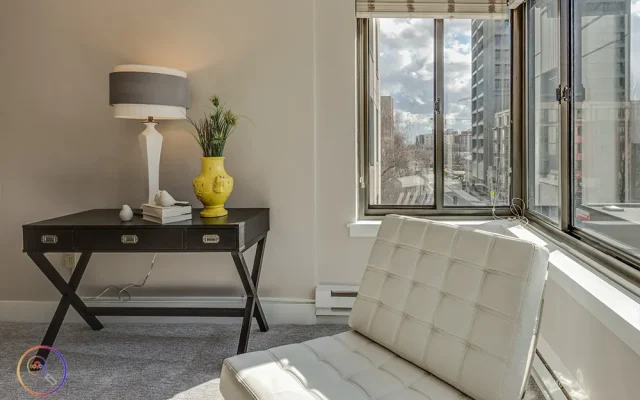
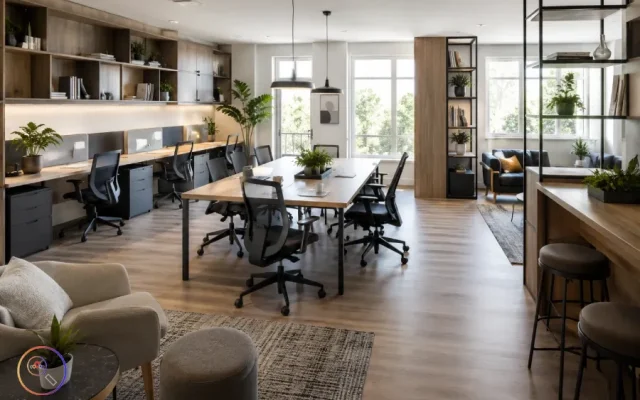
A practical workspace might include a desk, supportive chair, accessible power outlets, and adequate lighting.
For smaller apartments, clever design choices that work for homes and offices can help create a productive environment without sacrificing valuable living space.
Comfortable Furnishings and Practical Layouts
A rental does not need expensive designer furniture to provide a satisfying experience.
Instead, renters often appreciate functional pieces that make everyday activities easier.
Examples include comfortable seating, sufficient storage, durable dining furniture, blackout curtains, and easily accessible electrical outlets.
For extended stays, a properly equipped kitchen, laundry access, and adequate closet space can become especially valuable.
Amenities That Match Guest Needs
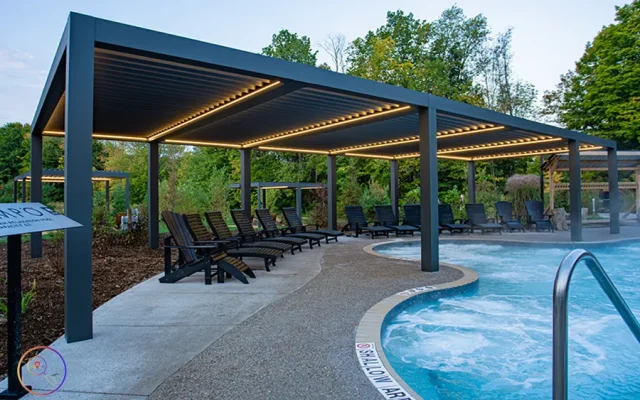
Some renters prioritize swimming pools, fitness centers, and outdoor entertainment areas. Others care more about quiet surroundings, secure parking, or convenient public transportation.
Rather than adding amenities simply to compete with neighboring properties, owners should consider which features provide meaningful value to their target renters.
7. Responsive Maintenance and Reliable Problem Resolution
Even well-managed properties occasionally experience maintenance problems.
Air-conditioning systems fail, appliances stop working, plumbing fixtures develop leaks, and electronic access systems malfunction.
What modern renters expect from managed stays is not necessarily a completely problem-free experience, but a dependable process for resolving issues when they arise.
Easy Maintenance Reporting
Guests should know exactly how to report problems.
Depending on the property, this may involve a resident portal, dedicated phone number, messaging platform, or direct contact with the management team.
The reporting process should be simple and accessible.
Prioritizing Urgent Issues
Not every maintenance request requires the same response.
A malfunctioning television may be inconvenient, while an overflowing toilet, serious water leak, or failed exterior door lock can demand immediate attention.
Property managers should classify maintenance requests according to urgency and maintain procedures for emergencies.
| Priority | Example | Recommended Management Approach |
|---|---|---|
| Emergency | Active flooding, fire, or a dangerous electrical condition | Direct occupants to emergency assistance where appropriate and initiate immediate response |
| Urgent | Broken entry lock or loss of essential utilities | Arrange prompt assistance according to safety needs and applicable obligations |
| Routine | Minor appliance problem or loose cabinet hardware | Schedule repairs and communicate the expected process |
| Preventive | HVAC servicing or plumbing inspections | Plan maintenance before avoidable breakdowns occur |
These are general operational categories rather than fixed legal response deadlines. Local laws, lease obligations, and the circumstances of each issue may require different actions.
Keeping Renters Informed
A timely acknowledgment is helpful, but ongoing communication matters too.
Residents and guests should receive updates when repairs are scheduled, delayed, or completed.
Even when a problem cannot be resolved immediately, explaining the next steps can reduce frustration.
Reliable maintenance practices protect the property while demonstrating respect for the people staying there.
8. Safety, Security, and Peace of Mind
Safety remains an essential consideration when selecting accommodations.
Renters want to feel comfortable entering their property, storing belongings, and using shared facilities.
For property managers, providing a reassuring environment starts with maintaining appropriate physical security measures.
Important Safety Considerations
Depending on property type and applicable requirements, these may include:
- Functional locks on exterior doors and accessible windows.
- Adequate lighting around entrances and walkways.
- Properly installed and maintained smoke alarms.
- Carbon monoxide alarms where required.
- Clearly communicated emergency procedures.
- Safe stairways, railings, and common areas.
- Appropriate access controls for shared facilities.
Property managers should also explain how guest access credentials are managed and when codes or keys are changed.
Respecting Privacy
Security should not come at the expense of personal privacy.
Guests expect their accommodations to remain private, with any monitoring systems disclosed and operated in accordance with applicable laws and platform rules.
Managers should be transparent about permitted property access, inspections, and the handling of personal information.
These practices help build confidence without creating unnecessary intrusions into renters’ daily lives.
9. Flexible Rental Options for Different Lifestyles
Not everyone searching for a managed stay has the same housing needs.
Some guests require accommodation for a short vacation. Others may need temporary housing during relocation, home renovations, extended business travel, or major life transitions.
As a result, flexibility can be an important competitive advantage.
Accommodating Different Lengths of Stay
Depending on the property and applicable regulations, managers may offer nightly reservations, weekly stays, month-to-month arrangements, or longer fixed-term leases.
Each arrangement carries different operational and legal considerations.
For example, a short-term visitor might prioritize easy check-in and local recommendations, while a renter staying for several months may care more about storage, laundry facilities, and predictable monthly costs.
Offering Practical Choices
Flexibility can also involve furnishing options, parking arrangements, pet accommodations, or renewal procedures.
However, managers should explain limitations clearly rather than promising accommodations they cannot consistently provide.
Guests value having options, but they also appreciate knowing exactly what those options include.
10. Pet-Friendly Accommodations With Clear Policies
For many renters, pets are an important part of the household.
Finding accommodations that welcome animals can significantly influence where they choose to stay.
Pet-friendly properties may appeal to travelers bringing their companions and long-term renters who do not want to leave pets behind.
What Pet Owners Look For
Useful features can include:
- Convenient outdoor relief areas.
- Nearby walking paths or green spaces.
- Durable, easy-to-clean flooring.
- Accessible waste disposal stations.
- Clearly explained pet-related charges.
- Reasonable property rules covering animal behavior and cleanliness.
Some larger apartment communities also offer dog parks or pet-washing stations.
Clear Policies Benefit Everyone
Property managers should communicate applicable pet rules before booking or lease signing.
These might address permitted animals, occupancy considerations, cleaning responsibilities, and any lawful restrictions.
Where applicable, assistance animals must be handled according to relevant fair housing, accessibility, and accommodation requirements.
Clear policies allow renters to make informed choices while helping managers maintain comfortable shared spaces.
11. Honest Property Descriptions and Authentic Reviews
Online reviews influence how potential renters evaluate unfamiliar properties.
Before committing to a stay, many guests look for feedback about cleanliness, responsiveness, convenience, and whether the property matches its advertised description.
A collection of attractive photographs is helpful, but credible reviews provide a different kind of reassurance.
Accuracy Creates Better Expectations
Property advertisements should represent the actual accommodation.
For example, managers should avoid presenting an unusually upgraded unit as standard if other available apartments have substantially different finishes.
Likewise, a listing should disclose material limitations that could affect the guest experience, such as restricted parking, construction activity, or unavailable amenities.
Honesty may not make every property suitable for every renter, but it helps attract people whose expectations align with what the property provides.
Handling Negative Feedback Professionally
Negative reviews are not always avoidable.
When concerns arise, managers should respond professionally, acknowledge legitimate issues, and explain appropriate corrective actions without revealing private renter information.
Recurring complaints can also reveal opportunities for operational improvements.
If multiple guests report unclear parking instructions or insufficient kitchen supplies, management can address those concerns systematically.
The goal is not simply to collect positive ratings. It is to use feedback to improve the underlying experience.
12. Personalized Service Without Unnecessary Complications
Technology can make property management more efficient, but renters still appreciate thoughtful personal service.
A guest celebrating a special occasion may appreciate relevant local recommendations. Someone relocating for work may value clear information about transportation, grocery stores, and nearby services.
Personalization does not have to involve expensive gifts or elaborate arrangements.
Often, small actions have the greatest impact.
Simple Ways to Improve the Guest Experience
Property managers can provide:
- A concise digital or printed property guide.
- Recommendations for nearby grocery stores and restaurants.
- Clear instructions for using appliances and amenities.
- Information about public transportation and parking.
- Accessible contact details for assistance.
- Helpful reminders about checkout or lease-related procedures.
These services should remain relevant and unobtrusive.
Overly frequent automated messages can become just as frustrating as receiving no information at all.
The objective is to anticipate common needs while allowing guests to enjoy their stay independently.
13. Sustainable and Efficient Property Features
Environmental considerations can also influence rental preferences.
Some renters appreciate properties that reduce unnecessary resource consumption, particularly when those improvements also create a more comfortable and cost-efficient living environment.
Energy-efficient lighting, properly maintained heating and cooling systems, and water-saving fixtures can benefit both residents and property owners.
Other practical improvements may include recycling facilities, improved insulation, durable furnishings, and smart thermostats.
However, sustainability claims should be specific and accurate.
Rather than describing a property as environmentally friendly without explanation, managers can identify its actual features and benefits.
For example, stating that a unit includes LED lighting and water-efficient fixtures provides more meaningful information than relying on broad marketing language.
Property owners should also consider the long-term maintenance and operating costs of upgrades rather than focusing exclusively on their initial appearance.
14. The Importance of Professional Property Management
As renter expectations become more complex, effective property management plays a larger role in delivering a consistent experience.
Owners overseeing multiple rental units must coordinate reservations, tenant inquiries, cleaning schedules, maintenance requests, billing, and regulatory requirements.
Without organized systems, small operational problems can quickly accumulate.
Building Reliable Management Processes
A strong property management approach generally includes clear responsibilities, documented procedures, and regular performance reviews.
For example, owners can establish standardized checklists for property preparation, arrival instructions, inspections, and maintenance follow-up.
Digital systems can help organize information, but staff members still need adequate training and authority to resolve problems.
Balancing Automation and Human Support
Automation is particularly useful for predictable administrative tasks, such as sending reservation confirmations or routine reminders.
Human judgment remains essential when managing disputes, accessibility requests, emergencies, or unusual circumstances.
The most effective approach combines efficient systems with attentive service.
Measuring Performance Beyond Occupancy
A high occupancy rate does not automatically mean a property delivers an excellent renter experience.
Managers should also evaluate feedback, maintenance patterns, reservation accuracy, repeat bookings, and the overall reliability of operations.
These measures can reveal problems that financial results alone might overlook.
Short-Term Guests vs. Long-Term Renters: How Expectations Differ
Although short-term guests and long-term residents share many priorities, the importance of specific features often changes with the length of occupancy.
| Feature | Short-Term Guests | Long-Term Renters |
|---|---|---|
| Booking process | Fast reservations and immediate confirmation | Clear applications and lease procedures |
| Furnishings | Fully equipped, move-in-ready accommodations | Practical layouts and sufficient storage |
| Cleaning | Thorough preparation before arrival | Clean move-in conditions and maintained common areas |
| Communication | Arrival assistance and responsive guest support | Ongoing management communication |
| Maintenance | Immediate help for stay-disrupting problems | Dependable repairs and preventive maintenance |
| Flexibility | Convenient arrival and departure arrangements | Lease options and predictable renewal procedures |
| Amenities | Wi-Fi, kitchen essentials, and travel conveniences | Laundry, parking, workspaces, and daily-living amenities |
| Pricing | Transparent total reservation cost | Understandable rent, deposits, utilities, and recurring fees |
Recognizing these differences allows managers to tailor their services to the people most likely to use their properties.
A vacation rental may benefit from detailed arrival guides and flexible check-in, while an apartment community may achieve greater satisfaction through dependable maintenance, transparent leasing, and convenient resident services.
Neither approach is universally better. The right priorities depend on the renter’s needs.
How Property Owners Can Meet Modern Renter Expectations
Understanding what modern renters expect from managed stays is only the first step. Property owners also need practical ways to translate those expectations into everyday operations.
A useful approach is to review the entire renter journey, from the initial property search through the end of the reservation or lease.
A Practical Improvement Checklist
| Management Area | Recommended Action |
|---|---|
| Property listings | Review photographs, descriptions, pricing, and availability regularly |
| Booking and leasing | Simplify procedures and explain requirements clearly |
| Cleaning | Establish consistent preparation and inspection standards |
| Communication | Provide essential information proactively and maintain reachable support |
| Property access | Make entry instructions clear and establish backup procedures |
| Maintenance | Create an accessible reporting system and appropriate escalation process |
| Safety | Inspect required safety equipment and maintain secure access |
| Amenities | Prioritize features that serve the property’s intended renters |
| Feedback | Review recurring concerns and document corrective actions |
| Technology | Use suitable management tools to reduce errors and repetitive tasks |
Owners do not necessarily need to renovate every unit or adopt expensive technology immediately.
Instead, they can begin by identifying the problems that most frequently affect renters.
For example, if guests repeatedly struggle with check-in, clearer instructions and better access procedures may provide more immediate value than adding decorative furnishings.
Likewise, properties with frequent maintenance complaints may benefit more from preventive servicing than from introducing new community amenities.
Focusing on practical improvements can strengthen the renter experience while helping owners manage resources responsibly.
Why Meeting Modern Expectations Matters for Rental Success
Rental properties operate in an environment where prospective renters have access to extensive information and alternatives.
People can compare pricing, explore photographs, read reviews, and evaluate available amenities without visiting a property in person.
This makes operational quality an important point of differentiation.
A property that communicates effectively, fulfills its advertised promises, and addresses problems promptly gives guests more reasons to feel confident about their decision.
Over time, these practices may contribute to several business benefits.
Stronger guest satisfaction: Renters are more likely to appreciate accommodations that meet their practical needs without unexpected complications.
More favorable reviews: Consistent service and reliable property conditions create opportunities for positive feedback.
Repeat reservations and renewals: People who have a dependable experience may be more inclined to return or extend their stay.
Fewer preventable disputes: Clear policies, accurate listings, and transparent charges can reduce misunderstandings.
More efficient operations: Standardized procedures and organized maintenance practices can help managers control avoidable costs.
Importantly, delivering a good rental experience does not require every property to offer luxury amenities.
A modest apartment with responsive management, accurate information, and reliable maintenance can provide more value to its intended renters than a more expensive property with inconsistent service.
Frequently Asked Questions About Modern Managed Stays
1. What do modern renters expect from managed stays?
Modern renters expect clean accommodations, transparent pricing, convenient booking or leasing, reliable amenities, responsive communication, and dependable property maintenance. They also value accurate listings and a comfortable environment that supports their daily needs.
2. Why is technology important in managed rental properties?
Technology can simplify reservations, payments, maintenance requests, and communication. When implemented properly, it reduces administrative delays and makes rental management more convenient for both guests and property owners.
3. How important is cleanliness in a managed stay?
Cleanliness is essential because it directly affects comfort, confidence, and the overall guest experience. Consistent cleaning and inspections also help properties meet advertised standards.
4. What amenities do modern renters value most?
Common priorities include reliable Wi-Fi, comfortable furnishings, functional kitchens, laundry access, parking, and convenient workspaces. The importance of each amenity depends on the property’s location, rental duration, and intended occupants.
5. Why do renters prefer flexible check-in options?
Flexible check-in reduces scheduling difficulties and allows guests to arrive more conveniently. Smart locks, secure key collection, and clear access instructions can make arrival easier when supported by reliable assistance.
6. How does transparent pricing improve the rental experience?
Transparent pricing helps renters understand the full financial commitment before booking or signing a lease. Clear disclosure of deposits, fees, utilities, and other charges can reduce confusion and prevent disputes.
7. What is the biggest difference between short-term guests and long-term renters?
Short-term guests often prioritize convenient arrival, furnished accommodations, and immediate assistance. Long-term renters typically place greater importance on predictable expenses, reliable maintenance, storage, and everyday living amenities.
8. How should property managers handle maintenance complaints?
Managers should provide accessible reporting channels, acknowledge requests, prioritize urgent situations, and communicate repair progress. Preventive maintenance can also help reduce unexpected problems.
9. Can smaller rental properties compete with professionally managed communities?
Yes. Smaller properties can provide excellent rental experiences by maintaining clean accommodations, communicating clearly, offering practical amenities, and responding consistently to renter needs.
10. How can property owners improve guest satisfaction without major renovations?
Owners can begin with accurate listings, better cleaning procedures, clearer check-in instructions, improved communication, and more reliable maintenance. These operational improvements can make a meaningful difference without extensive remodeling.
Final Thoughts
Understanding what modern renters expect from managed stays is essential for property owners who want to remain competitive and build lasting relationships with guests and residents.
While attractive interiors and desirable locations continue to matter, the overall rental experience increasingly depends on how smoothly everything works.
Renters want accurate information before booking, transparent financial terms, comfortable living spaces, responsive communication, and confidence that problems will receive appropriate attention.
For property managers, meeting these expectations means combining thoughtful property improvements with organized operations and reliable customer service.
Technology can support this effort by simplifying repetitive tasks and improving coordination, but it cannot replace professional judgment or genuine attention to renter needs.
Ultimately, successful managed stays are built around consistency, convenience, and trust. Properties that deliver on their promises and make everyday living easier are better positioned to attract satisfied renters, encourage positive recommendations, and support long-term rental success.