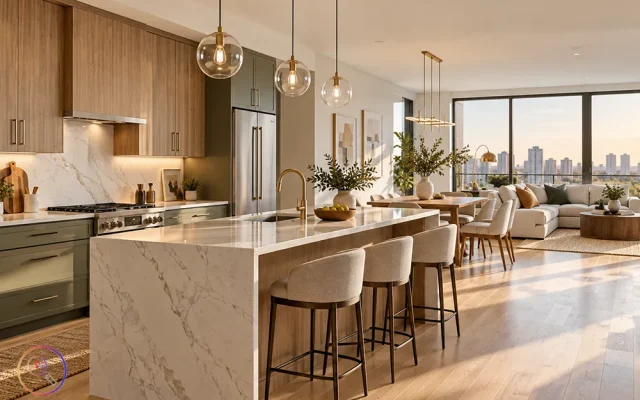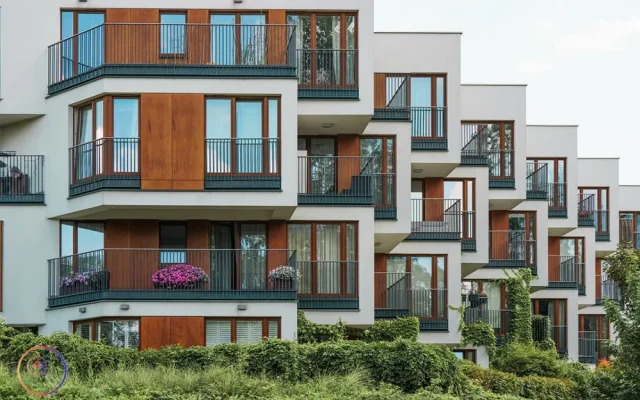
A comfortable apartment is about more than attractive interiors, modern appliances, or a convenient location. The quality of everyday living also depends on how well a property is maintained, how quickly problems are resolved, and how effectively residents’ needs are addressed. This is where professional property management makes a meaningful difference.
Understanding how property managers enhance living spaces reveals the work that takes place behind the scenes to keep apartment communities comfortable, functional, and appealing.
Property managers oversee numerous responsibilities, from preventive maintenance and building safety to landscaping, resident communication, and property improvements. Their decisions influence the condition of individual apartments, the appearance of shared spaces, and the overall rental experience.
For property owners, effective management helps protect investments and control operating expenses. For renters, it creates a more dependable living environment where everyday concerns receive appropriate attention.
Let’s explore how property managers improve residential communities and why their work matters to both residents and property owners.
1. Preventive Maintenance Keeps Apartments in Better Condition
One of the most important ways property managers enhance living spaces is through preventive maintenance.
Rather than waiting for equipment to break down or building components to deteriorate, experienced managers establish regular inspection and maintenance schedules.
This proactive approach helps identify problems early, reducing the likelihood of expensive repairs and unnecessary disruptions.
Essential Areas of Preventive Maintenance
Property managers typically oversee maintenance involving:
- Heating and cooling systems: Scheduling inspections, replacing filters as appropriate, and addressing performance problems.
- Plumbing systems: Checking for leaks, drainage problems, deteriorating pipes, and malfunctioning fixtures.
- Electrical systems: Coordinating inspections and repairs involving wiring, outlets, panels, and lighting.
- Roofing and exterior components: Looking for damaged materials, drainage issues, and signs of moisture intrusion.
- Doors and windows: Maintaining seals, locks, hinges, and weatherstripping.
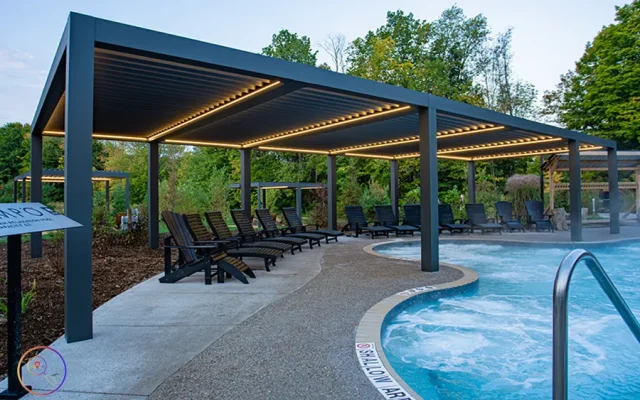
- Shared amenities: Inspecting elevators, swimming pools, fitness equipment, and other community facilities.
Regular maintenance helps preserve the condition of apartments while making daily life more predictable for residents.
Addressing Water Damage Before It Spreads
Water intrusion deserves particular attention because even a relatively small leak can cause extensive damage when ignored.
A leaking pipe beneath a kitchen sink, for example, can damage cabinets, flooring, and nearby walls. Moisture that remains trapped inside building materials may also contribute to mold growth.
Property managers can reduce these risks by responding promptly to reported leaks, inspecting vulnerable plumbing connections, and arranging qualified repairs.
When substantial moisture problems occur, professional services specializing in water damage Fort Worth and similar restoration needs can help property teams assess damage and coordinate appropriate restoration.
Prompt action may prevent a localized plumbing problem from becoming a major renovation project.
2. Organized Maintenance Requests Improve Resident Satisfaction
Even well-maintained properties experience occasional problems. What matters is how those problems are handled.
A malfunctioning air conditioner, broken appliance, or leaking faucet can quickly disrupt someone’s routine. An organized maintenance process helps residents report concerns and receive updates without unnecessary confusion.
Many property managers use digital work order platforms to simplify this process.
How an Effective Maintenance System Works
A well-designed system generally follows several steps:
- Request submission: Residents report problems through an online portal, mobile application, telephone number, or property office.
- Issue classification: Management reviews the request and determines its urgency.
- Work assignment: The appropriate maintenance employee or contractor receives the assignment.
- Resident communication: The resident receives relevant scheduling information and updates.
- Repair completion: Maintenance personnel document the work performed.
- Follow-up: Management confirms that the problem has been addressed or determines whether additional work is necessary.
Emergency situations, such as significant water leaks or dangerous electrical problems, require different handling from routine repairs.
Clear prioritization allows maintenance teams to direct resources where they are needed most.
Why Communication Matters
Residents should not have to repeatedly contact the leasing office simply to learn whether their request has been received.
Acknowledging a request, explaining the next steps, and providing realistic scheduling updates can make the maintenance experience less frustrating.
When repairs require additional time because of parts availability or contractor scheduling, transparent communication becomes especially important.
An efficient work order process demonstrates that management takes resident concerns seriously.
3. Safety Measures Create More Dependable Living Environments
Safety is fundamental to residential property management.
Although no apartment community can eliminate every possible hazard, property managers can identify risks, maintain essential systems, and establish procedures that support safer living conditions.
Their responsibilities often extend across individual apartments, building entrances, parking areas, stairways, sidewalks, and recreational facilities.
Important Property Safety Practices
Common responsibilities include:
- Inspecting and maintaining required fire detection and suppression systems.
- Keeping stairways, walkways, and emergency exits accessible.
- Repairing damaged handrails, steps, and uneven walking surfaces.
- Maintaining appropriate lighting in parking areas and common spaces.
- Addressing malfunctioning doors, gates, and access-control equipment.
- Inspecting shared facilities for hazards.
- Establishing procedures for reporting and responding to safety concerns.
These measures help management identify conditions that could lead to injuries, property damage, or disruptions.
Understanding Building Code Responsibilities
Property managers must also consider applicable building codes, fire requirements, housing regulations, and local property standards.
Requirements vary depending on the property’s location, age, building type, and jurisdiction.
For Texas properties, understanding relevant building codes and safety standards can help management teams identify regulatory considerations and coordinate necessary inspections.
Maintaining accurate inspection records, repair documentation, and contractor reports helps demonstrate responsible oversight.
Ultimately, consistent safety practices protect both residents and the long-term condition of a property.
4. Well-Maintained Common Areas Improve Everyday Living
Apartment residents interact with more than their individual units.
Hallways, elevators, parking lots, courtyards, swimming pools, and community lounges contribute to the overall rental experience.
When these areas are neglected, even an attractive apartment can feel less desirable.
Property managers enhance living spaces by ensuring that shared environments remain clean, usable, and welcoming.
Keeping Shared Spaces Functional
Regular responsibilities may include:
- Cleaning lobbies, corridors, elevators, and community rooms.
- Maintaining trash collection areas and waste disposal facilities.
- Repairing damaged outdoor furniture and recreational equipment.
- Scheduling pool cleaning and required equipment servicing.
- Maintaining pedestrian pathways and exterior lighting.
- Keeping parking areas appropriately marked and accessible.
- Monitoring landscaping, irrigation systems, and drainage.
These activities improve everyday usability while helping preserve the property’s appearance.
Landscaping Makes a Difference
Landscaping influences both curb appeal and outdoor comfort.
Healthy grass, maintained trees, clean pathways, and thoughtfully arranged plants make apartment communities more inviting.
However, effective landscaping requires more than occasional mowing.
Property managers must consider irrigation efficiency, seasonal plant care, tree maintenance, and drainage conditions.
Overgrown branches may obstruct walkways or lighting, while damaged irrigation systems can waste water and create slippery surfaces.
Addressing these concerns helps maintain outdoor spaces that residents can enjoy throughout the year.
5. Strategic Property Upgrades Improve Comfort and Functionality
Not every improvement requires a major renovation.
Sometimes, modest upgrades have a noticeable impact on how an apartment looks, feels, and functions.
Property managers regularly evaluate existing features to determine which improvements would provide meaningful benefits.
Common Apartment Improvements
| Improvement | Potential benefit |
|---|---|
| Updated lighting | Better visibility and improved interior appearance |
| Modern plumbing fixtures | Improved functionality and potential water savings |
| Durable flooring | Easier maintenance and improved appearance |
| Fresh interior paint | Cleaner, more updated living spaces |
| Improved cabinet hardware | Better usability and a refreshed appearance |
| Updated appliances | Improved convenience and potential energy savings |
| Better window coverings | Increased privacy and light control |
| Improved storage | More practical use of available living space |
These improvements should reflect the property’s condition, residents’ needs, and available budget.
A property with frequent plumbing problems, for example, may benefit more from infrastructure repairs than decorative upgrades.
Likewise, replacing deteriorated flooring may provide greater immediate value than installing fashionable fixtures.
Creating Appealing Community Spaces
Design improvements can also transform shared amenities.
Comfortable seating, improved lighting, durable furniture, and welcoming decorative details can make a clubhouse or resident lounge more useful.
Some apartment communities incorporate distinctive features, including custom neon signs, to add personality to entertainment areas, coworking lounges, or recreational spaces.
However, visual upgrades should complement practical needs rather than interfere with functionality.
The most successful improvements balance appearance, durability, comfort, and ease of maintenance.
6. Technology Makes Property Management More Responsive
Technology has changed how residential communities operate.
Modern property management platforms can centralize administrative tasks, streamline communication, and provide useful information about building performance.
For residents, these systems may reduce the effort required to complete everyday tasks.
For management teams, they provide a more organized way to oversee multiple responsibilities.
Digital Tools That Improve Apartment Living
Online resident portals
Residents can access lease information, submit maintenance requests, review notices, and make payments through a centralized platform.
Automated maintenance tracking
Digital work orders help staff monitor unresolved issues, schedule contractors, and review repair histories.
Electronic communication
Email notifications, text messages, and property applications allow management to distribute information about repairs, inspections, and community activities.
Smart building systems
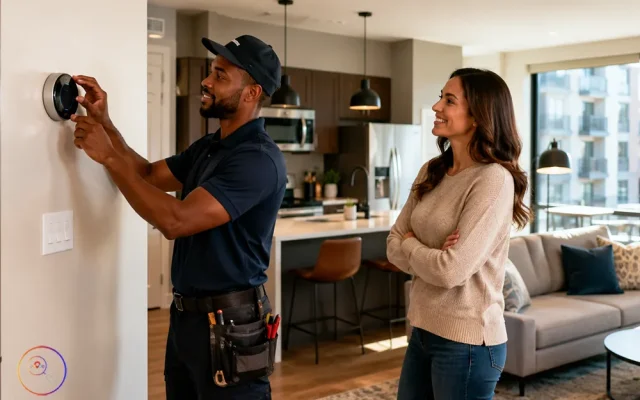
Depending on the property, smart thermostats, connected lighting, leak detectors, and controlled-access systems may improve convenience and operational oversight.
Property management analytics
Managers can review information about maintenance expenses, recurring repairs, occupancy patterns, and service performance.
Using Data to Make Better Decisions
Suppose maintenance records show that several apartments experience repeated cooling problems during summer.
Rather than treating each request as an unrelated issue, management can investigate whether the underlying problem involves aging equipment, insufficient maintenance, or another recurring condition.
This allows property managers to make more informed decisions about repairs, replacement schedules, and future budgets.
Technology is most effective when it supports responsive service rather than replacing meaningful communication with residents.
7. Strong Communication Builds Better Resident Relationships
One of the less visible ways property managers enhance living spaces is through consistent communication.
Residents value knowing what is happening in their community, particularly when activities affect their daily routines.
Unexpected maintenance visits, extended amenity closures, or unclear parking changes can create frustration even when management has legitimate reasons for making adjustments.
Clear communication helps reduce these problems.
Effective Resident Communication Practices
Property managers can improve communication by:
- Providing advance notice of scheduled maintenance when required.
- Explaining temporary amenity closures and expected reopening dates.
- Sharing updates about community improvements.
- Responding professionally to questions and complaints.
- Offering accessible methods for submitting concerns.
- Communicating property policies consistently.
- Providing clear emergency contact information.
Communication should also be straightforward and understandable.
Lengthy notices filled with technical language may confuse residents, while vague announcements can lead to unnecessary questions.
Handling Resident Concerns Fairly
Disagreements sometimes arise over noise, parking, pets, maintenance access, and shared facilities.
Property managers help maintain a more orderly environment by addressing concerns consistently and following established lease provisions and applicable laws.
Listening carefully, documenting complaints, and avoiding inconsistent enforcement can help resolve issues before they escalate.
Residents are more likely to feel comfortable in a community when they believe management will address concerns respectfully.
8. Reliable Vendors Support Consistent Property Quality
Apartment communities depend on many specialized services.
Even properties with dedicated maintenance teams frequently require outside contractors for projects involving HVAC systems, roofing, plumbing, landscaping, pest control, and other technical work.
Property managers coordinate these relationships to maintain service quality and minimize disruptions.
Choosing and Managing Contractors
Effective vendor oversight may involve:
- Confirming appropriate licenses and insurance where required.
- Reviewing contractor experience and qualifications.
- Comparing estimates and clearly defining project requirements.
- Establishing reasonable scheduling expectations.
- Monitoring work quality and completion.
- Maintaining invoices, warranties, and service records.
- Evaluating contractor responsiveness.
Selecting the lowest bid is not always the most economical decision.
Poor-quality repairs may lead to additional expenses, repeated service interruptions, and dissatisfied residents.
Reliable workmanship can provide better long-term value.
Coordinating Work Around Residents
Contractor scheduling also affects the rental experience.
For example, exterior painting, roofing repairs, or parking lot resurfacing may temporarily limit access to certain areas.
Management can reduce inconvenience by communicating project schedules, coordinating access, and explaining temporary restrictions.
Thoughtful planning helps essential work proceed with fewer disruptions.
9. Energy Efficiency Can Improve Comfort and Reduce Waste
Energy efficiency benefits residential communities in several ways.
Properly maintained equipment and efficient building systems may help reduce utility consumption, improve indoor comfort, and limit unnecessary operating expenses.
Property managers can identify practical upgrades that support these goals.
Energy-Efficient Improvements
Potential strategies include:
- Replacing outdated lighting with efficient LED fixtures.
- Maintaining heating and cooling equipment.
- Installing programmable or smart thermostats where appropriate.
- Repairing air leaks around windows and doors.
- Evaluating insulation performance.
- Using efficient appliances during scheduled replacements.
- Adjusting common-area lighting schedules.
- Monitoring energy consumption for unusual increases.
The best improvements depend on the property’s age, existing infrastructure, local climate, and available resources.
Improving Water Efficiency
Water conservation deserves similar attention.
Leaking toilets, inefficient irrigation, and deteriorating plumbing fixtures can waste significant amounts of water over time.
Property managers can monitor water bills, arrange leak inspections, and replace malfunctioning equipment.
Low-flow fixtures and properly maintained irrigation controls may also reduce consumption without sacrificing everyday functionality.
These improvements help properties operate more efficiently while supporting responsible resource management.
10. Emergency Preparedness Protects Residents and Buildings
Property managers must prepare for situations that cannot always be prevented.
Severe storms, plumbing failures, electrical outages, fires, and other emergencies can affect residential properties with little warning.
A clear emergency response plan helps staff act more effectively when unexpected events occur.
Important Elements of Emergency Planning
A property emergency plan may include:
- Designated emergency contacts and escalation procedures.
- Instructions for reporting urgent maintenance problems.
- Procedures for communicating with residents.
- Information about emergency exits and evacuation arrangements.
- Contact details for qualified emergency service providers.
- Backup arrangements for essential building operations where appropriate.
- Documentation procedures for property damage.
- Post-incident inspections and recovery planning.
Property managers should review these procedures periodically and update them as buildings, staffing, and local requirements change.
Planning for Weather-Related Damage
In areas exposed to heavy rain, hail, high winds, or extreme temperatures, seasonal preparation is particularly important.
Management teams may inspect drainage systems, secure loose exterior items, review roof conditions, and monitor vulnerable equipment.
After severe weather, timely property assessments can help identify damaged components before additional deterioration occurs.
Emergency preparedness cannot eliminate every disruption, but it can improve coordination and support a more organized recovery.
11. Resident Feedback Helps Guide Meaningful Improvements
Property managers cannot always determine residents’ priorities simply by inspecting the property.
A community may appear well maintained while residents experience recurring inconveniences involving parking, package delivery, noise, or shared amenities.
Collecting feedback provides additional insight.
Ways to Gather Resident Feedback
Management teams may use:
- Periodic resident satisfaction surveys.
- Follow-up messages after maintenance visits.
- Online communication portals.
- Community meetings.
- Move-in and move-out feedback.
- Reviews of recurring complaints and service requests.
However, collecting feedback is only the beginning.
Residents are more likely to participate when they see that reasonable suggestions receive consideration.
Turning Feedback Into Action
Consider an apartment community where residents frequently mention insufficient lighting near a pedestrian walkway.
Management can inspect the location, evaluate appropriate fixtures, and determine whether improvements are needed.
Similarly, repeated complaints about package delivery may lead to better notification procedures, revised delivery arrangements, or secure package storage options.
These changes demonstrate how listening to residents can produce practical improvements.
Feedback also helps managers distinguish between isolated preferences and issues affecting a larger portion of the community.
12. Financial Planning Supports Long-Term Property Improvements
Maintaining an apartment community requires consistent financial oversight.
Property managers must balance everyday operating expenses with long-term repair and replacement needs.
Without careful planning, essential projects may be delayed until problems become more serious and expensive.
Building a Practical Maintenance Budget
Common budget categories include:
| Expense category | Typical responsibilities |
|---|---|
| Routine maintenance | Minor repairs, inspections, and servicing |
| Major repairs | Roofing, plumbing, electrical, and structural work |
| Landscaping | Grounds maintenance, irrigation, and tree care |
| Utilities | Common-area electricity, water, and other services |
| Contracted services | Cleaning, pest control, and specialized maintenance |
| Capital improvements | Equipment replacement and larger property upgrades |
| Emergency reserves | Unexpected repairs and urgent property needs |
Property managers can use maintenance histories and equipment information to anticipate future expenses.
For example, an aging HVAC system may require increasingly frequent repairs. Reviewing these costs can help determine whether replacement is more practical than continued servicing.
Balancing Cost Control With Resident Comfort
Cutting maintenance expenses indiscriminately can create larger problems.
Postponed repairs may result in damaged building materials, equipment failures, and dissatisfied residents.
A more sustainable approach focuses on preventing avoidable expenses while protecting essential services.
This could involve negotiating appropriate vendor contracts, improving maintenance scheduling, or investing in durable materials that require less frequent replacement.
Effective budgeting supports the property’s long-term condition and the residents who depend on it.
13. Thoughtful Management Can Improve Resident Retention
Keeping existing residents satisfied is an important goal for many apartment communities.
Frequent turnover can create additional expenses involving cleaning, repairs, marketing, leasing, and periods when apartments remain unoccupied.
Although rent prices, personal circumstances, employment changes, and location preferences all influence renewal decisions, property management also plays an important role.
What Encourages Residents to Stay?
Several management practices can contribute to a better rental experience:
- Reliable maintenance services.
- Clean and well-kept common areas.
- Clear lease and community policies.
- Respectful communication.
- Functional and appropriately maintained amenities.
- Convenient payment and service systems.
- Consistent attention to building safety.
- Transparent communication about improvements and disruptions.
Residents generally want a home that functions properly and a management team they can reach when problems arise.
Providing these fundamentals consistently can be more valuable than introducing elaborate amenities that receive little use.
14. Measuring Whether Property Improvements Are Working
Successful property management involves more than completing tasks.
Managers should periodically evaluate whether their strategies are producing meaningful results.
Reviewing performance indicators helps identify strengths, recurring problems, and opportunities for improvement.
Useful Property Management Indicators
| Performance indicator | What it can reveal |
|---|---|
| Maintenance response time | How quickly requests receive attention |
| Work order completion time | Efficiency of the repair process |
| Repeat maintenance requests | Possible underlying equipment or repair problems |
| Resident satisfaction feedback | Perceptions of service and property conditions |
| Lease renewal rate | Resident retention trends |
| Utility consumption | Opportunities for efficiency improvements |
| Emergency repair expenses | Potential gaps in preventive maintenance |
| Vendor performance | Contractor reliability and work quality |
No single measurement tells the complete story.
For example, a high lease renewal rate does not necessarily mean residents are satisfied if suitable alternative housing is limited.
Similarly, faster maintenance completion is not beneficial when work quality suffers.
Property managers should consider multiple indicators together and examine the circumstances behind the numbers.
Continuous evaluation helps properties adapt to changing resident expectations and maintenance needs.
How Renters Can Help Maintain Better Living Spaces
Although property managers oversee the community, residents also contribute to its overall condition.
Simple habits can help prevent avoidable damage and support smoother maintenance operations.
Renters can assist by reporting leaks and malfunctioning equipment promptly, following appropriate waste disposal procedures, keeping shared areas clear, and communicating maintenance concerns with useful details.
For example, a resident reporting a plumbing issue can explain when the leak started, where water is appearing, and whether the problem is getting worse.
This information helps maintenance teams assess the situation and prepare for the visit.
Residents should also review their lease agreements to understand their responsibilities and the procedures for requesting service.
Good communication between residents and property management creates a stronger foundation for a well-maintained community.
Conclusion
Understanding how property managers enhance living spaces shows that quality apartment living depends on much more than floor plans and attractive amenities.
Preventive maintenance protects essential building systems. Organized repair processes reduce disruptions, while safety inspections and emergency planning help address potential risks. Well-maintained common areas, thoughtful upgrades, and efficient technology further improve everyday convenience.
Equally important, property managers influence the resident experience through clear communication, responsible budgeting, reliable contractors, and consistent attention to community needs.
For property owners, these efforts help preserve long-term value and support stable operations. For renters, they contribute to homes that are more comfortable, functional, and enjoyable.
The most effective property management combines practical maintenance with a commitment to resident satisfaction. When both priorities receive consistent attention, apartment communities become better places to live.
Frequently Asked Questions
1. How do property managers enhance living spaces?
Property managers improve residential environments through preventive maintenance, safety inspections, common-area upkeep, property upgrades, and responsive resident services. These responsibilities help apartments remain functional, comfortable, and appealing.
2. Why is preventive maintenance important in apartment communities?
Preventive maintenance helps identify problems before they develop into expensive repairs. It can also extend equipment lifespan and reduce unexpected disruptions for residents.
3. How do property managers handle maintenance requests?
Most property managers use work order systems to receive, prioritize, assign, and track maintenance requests. Urgent issues typically receive priority over routine repairs.
4. What can property managers do to improve apartment safety?
They can maintain required fire safety systems, repair hazardous walking surfaces, improve lighting, inspect shared facilities, and address malfunctioning access equipment. Applicable safety requirements depend on local regulations.
5. How does landscaping affect the apartment living experience?
Well-maintained landscaping improves curb appeal, outdoor usability, and the appearance of shared areas. Proper irrigation, tree care, and pathway maintenance also help reduce avoidable hazards.
6. What technology is commonly used in property management?
Common tools include online resident portals, digital maintenance systems, electronic payment platforms, and property management software. Some communities also use smart building controls and automated communications.
7. How do property managers improve resident satisfaction?
They improve satisfaction by responding to concerns, maintaining reliable services, communicating clearly, and keeping apartments and common areas in good condition. Consistency is especially important.
8. Can property upgrades increase rental property value?
Well-planned improvements can increase property appeal and help preserve long-term value. Their financial impact depends on the property’s condition, local rental market, upgrade costs, and resident demand.
9. How do property managers control maintenance expenses?
They use preventive maintenance schedules, expense tracking, competitive vendor selection, and long-term replacement planning. These practices help control costs without unnecessarily sacrificing service quality.
10. Why is professional property management important for apartment communities?
Professional property management coordinates the people, systems, and services needed to operate residential buildings effectively. It supports resident comfort, building upkeep, regulatory compliance, and the owner’s long-term investment goals.