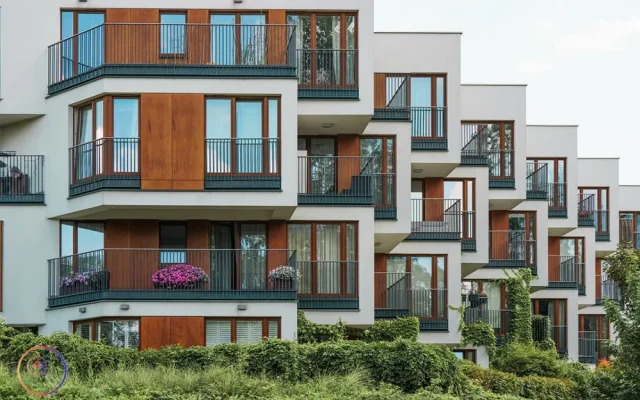

Keeping an apartment community clean requires more than regular sweeping, hallway maintenance, and occasional deep cleaning. One of the most important yet frequently overlooked responsibilities is managing the large amount of waste generated by residents every day. Without adequate disposal facilities, overflowing trash bins, unpleasant odors, scattered debris, and pest problems can quickly affect a property’s appearance and sanitation.
Industrial-grade waste containers for efficient apartment cleaning offer a practical solution to these challenges. Designed to withstand heavy use and accommodate substantial amounts of waste, these containers help apartment managers maintain organized disposal areas, streamline maintenance operations, and reduce unnecessary cleanup.
However, selecting a large dumpster is only one part of the process. Container placement, collection frequency, resident participation, and proper sanitation practices all contribute to an effective waste management system.
Understanding how these factors work together can help apartment communities maintain cleaner surroundings while making better use of maintenance budgets.
Why Apartment Communities Need Industrial-Grade Waste Containers
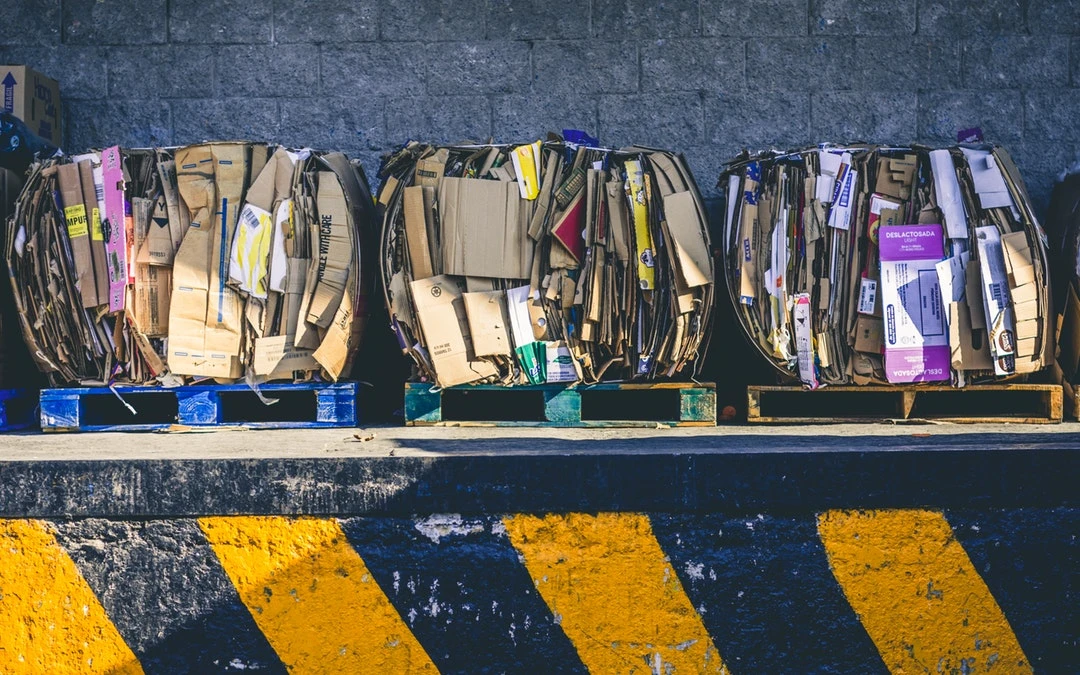
Apartment buildings generate waste continuously. Everyday household garbage, cardboard packaging, food scraps, discarded household items, and moving-related debris all contribute to the amount of material that must be collected and removed.
For smaller residential properties, standard waste bins may provide sufficient capacity. Larger complexes, however, often require more durable equipment capable of handling substantial volumes without frequent overflow.
Industrial-grade waste containers are designed specifically for demanding disposal environments.
Unlike conventional household garbage bins, commercial containers generally feature reinforced materials, larger capacities, and construction suited to repeated collection and mechanical handling.
These characteristics provide several advantages:
- Greater waste capacity: Larger containers accommodate more household trash and packaging materials.
- Improved durability: Reinforced construction helps containers withstand daily use and repeated collection.
- Better waste containment: Properly fitted lids and enclosed disposal areas help reduce litter and pest access.
- Improved maintenance efficiency: Centralized disposal locations make waste collection and cleanup more manageable.
- More organized properties: Designated collection areas reduce the likelihood of garbage accumulating in inappropriate locations.
An effective waste management system can also reduce the time maintenance employees spend responding to overflowing bins and cleaning scattered debris.
When properly managed, industrial containers become an essential part of everyday apartment operations rather than simply a place to discard trash.
Choosing the Right Waste Container Size
Selecting an appropriately sized dumpster is one of the most important decisions in apartment waste management.
A container that is too small may overflow between scheduled pickups. An excessively large container, on the other hand, can occupy valuable parking or service space and create unnecessary rental expenses.
Property managers should evaluate the building’s waste generation before deciding on equipment.
For example, finding a reliable dumpster rental in New Jersey allows managers to explore container options based on property size, available space, and the type of materials being discarded.
Common Industrial Waste Container Options
| Container type | Typical application | Important considerations |
|---|---|---|
| 2–4 cubic yard front-load dumpster | Small apartment buildings | Compact footprint but more limited capacity |
| 6–8 cubic yard front-load dumpster | Medium and larger apartment communities | Suitable for recurring household waste collection |
| 10–20 cubic yard roll-off dumpster | Apartment renovations and moderate cleanouts | Requires sufficient delivery and loading space |
| 30–40 cubic yard roll-off dumpster | Large renovation projects or extensive property cleanouts | Greater capacity but requires substantial placement space |
| Compactor system | High-volume apartment properties | May reduce waste volume but requires a larger investment and specialized servicing |
Container specifications and accepted materials vary by provider. Available dimensions, weight limits, and permitted contents should always be confirmed before renting.
Factors That Determine Container Size
The number of apartment units is important, but it should not be the only consideration.
Property managers should also evaluate:
- Average building occupancy.
- Estimated household waste per unit.
- Frequency of scheduled trash collection.
- Availability of recycling services.
- Seasonal increases in waste generation.
- Resident turnover and moving activity.
- Space available for equipment and collection vehicles.
A property with frequent move-ins and move-outs may generate considerably more cardboard and bulky waste than another building with the same number of apartments.
Reviewing actual waste volumes over several weeks can provide more reliable guidance than selecting equipment based on unit count alone.
Planning Container Placement for Convenience and Safety
Even the most durable dumpster becomes inconvenient when placed in the wrong location.
Poor placement can interfere with parking, obstruct service vehicles, create unpleasant conditions near residential entrances, or force residents to carry garbage unnecessarily long distances.
Industrial-grade containers should be positioned where they are accessible to both residents and collection crews without creating avoidable safety hazards.
Important Placement Considerations
Accessibility: Residents should have a practical route to designated disposal areas. Where applicable, the design should also accommodate residents with disabilities.
Collection vehicle access: Waste collection trucks need sufficient room to approach, lift, and empty containers safely.
Drainage: Collection areas should be designed to prevent standing water and minimize the spread of contaminated runoff.
Lighting: Adequate illumination helps residents safely dispose of trash during evening hours.
Surface durability: A suitable paved surface should support the equipment and collection vehicles without excessive damage.
Emergency access: Dumpsters must never obstruct fire lanes, emergency exits, accessible routes, or required building access points.
Enclosures, screening, and landscaping can also improve the appearance of collection areas when designed with adequate ventilation, access, and maintenance space.
Local fire, zoning, accessibility, and sanitation requirements should be checked before installing permanent disposal facilities.
Streamlining Waste Collection in High-Rise Apartment Buildings
High-rise apartments introduce additional waste management challenges.
Unlike garden-style properties where residents may walk directly to outdoor dumpsters, taller buildings frequently depend on centralized trash rooms, collection carts, and vertical waste chutes.
These systems can make disposal convenient. However, they require consistent maintenance to prevent blockages and overflow.
Preventing Trash Chute Problems
Trash chutes are generally designed for ordinary bagged household waste rather than oversized boxes, furniture, or loose construction debris.
When residents attempt to force bulky objects into a chute, blockages may occur.
These disruptions can create odors, increase maintenance work, and interfere with normal garbage collection.
Property managers can reduce these problems by:
- Posting clear instructions near chute openings.
- Providing separate disposal options for oversized items.
- Encouraging residents to properly bag household waste.
- Inspecting collection rooms regularly.
- Arranging prompt removal when container capacity becomes limited.
- Following manufacturer and applicable fire-safety requirements for chute operation.
Containers positioned at the bottom of chute systems must be compatible with the building’s equipment and collection procedures.
A larger container may provide additional capacity, but it should never interfere with required chute doors, safety systems, or fire-protection features.
Improving Waste Room Organization
High-rise waste rooms should have clearly identified areas for general waste, recyclable materials, and other permitted disposal categories.
When disposal instructions are confusing, residents may place materials in the wrong containers.
This can lead to recycling contamination, additional sorting work, and potentially higher collection expenses.
Simple, clearly visible instructions can improve participation and reduce unnecessary maintenance problems.
How Industrial Containers Improve Apartment Hygiene
Waste management has a direct effect on the cleanliness of apartment communities.
When garbage is left exposed, food scraps and packaging can attract insects, rodents, and other pests. Accumulated waste may also create unpleasant odors and make shared areas less comfortable.
Industrial-grade containers help manage these conditions by providing designated locations for waste storage before collection.
Reducing Odors and Pest Activity
Properly maintained containers can reduce the amount of exposed garbage around the property.
Lids should remain closed when containers are not being loaded, and damaged equipment should be repaired or replaced.
Property managers should also prevent liquid waste from leaking onto surrounding pavement.
Routine sanitation practices include:
- Removing loose garbage from around collection areas.
- Cleaning spills promptly.
- Inspecting containers for damaged lids or openings.
- Washing containers as needed.
- Monitoring for evidence of rodents and insects.
- Avoiding overfilled dumpsters that cannot close properly.
For apartment properties undergoing major cleanouts, Deep cleaning may generate significant waste from discarded belongings, damaged materials, and accumulated debris.
Having appropriately sized containers available during these projects helps prevent waste from spreading throughout the building.
Keeping Common Areas Clean
Overflowing containers can affect more than the immediate disposal area.
Loose bags may end up near walkways, parking spaces, landscaping, or shared entrances.
When these problems become frequent, residents may begin to view the property as poorly maintained.
Clean and organized waste areas contribute to a more attractive environment for existing residents and potential new tenants.
Waste containment also supports safer maintenance conditions by reducing obstacles and minimizing unnecessary contact with discarded materials.
Scheduling Waste Collection for Maximum Efficiency
Container size and collection frequency must work together.
Even a large industrial dumpster may overflow if it remains uncollected for too long.
An effective collection schedule should reflect the actual waste patterns of the apartment community rather than relying on an inflexible timetable.
Identifying High-Volume Collection Periods
Certain times may produce more waste than others.
For instance, weekends can generate additional household garbage because more residents are at home. Moving periods may create an increase in cardboard, packaging, and discarded furniture.
Holiday celebrations can also affect disposal volumes.
Property managers should examine these patterns when coordinating services with a waste collection provider.
Sample Collection Planning Guide
| Property condition | Recommended management approach |
|---|---|
| Normal occupancy and stable waste volume | Maintain a regular collection schedule based on observed demand |
| Frequent container overflow | Increase pickup frequency or reassess available capacity |
| High resident turnover | Arrange additional bulk waste services during moving periods |
| Holiday-related waste increases | Consider temporary containers or supplemental collections |
| Renovation or unit cleanouts | Use dedicated containers for approved construction or cleanout debris |
| Underused containers | Review whether the collection frequency or equipment size can be adjusted |
The goal is to prevent containers from reaching capacity before the next pickup while avoiding unnecessary service visits.
Property managers should also communicate with their haulers about missed collections, access restrictions, and changes in service requirements.
Managing Bulk Waste During Apartment Turnover
Moving activity can create substantial waste in apartment communities.
When residents leave, they may discard mattresses, damaged furniture, appliances, old carpeting, and other household belongings.
These materials often cannot be handled through ordinary dumpster collection.
Attempting to place large items into standard containers can block access, cause overflow, or violate collection service agreements.
Establishing a Bulk Waste Disposal Process
Apartment management should establish procedures for handling oversized materials before they accumulate around the property.
An effective process may include:
- Identifying accepted and prohibited items.
- Providing residents with instructions for requesting bulk disposal.
- Scheduling special collections when necessary.
- Separating reusable or recyclable materials where practical.
- Arranging appropriate equipment for heavy items.
- Removing abandoned waste promptly and in accordance with applicable rules.
Appliances, electronics, refrigerant-containing equipment, batteries, paint, and other regulated materials may require specialized handling.
They should not automatically be placed in ordinary dumpsters.
Improving Move-Out Cleaning Operations
Maintenance employees often work under tight schedules when preparing vacant apartments for new occupants.
Coordinating dumpster availability with move-out dates can help teams remove approved discarded materials more efficiently.
For larger cleanouts, a temporary roll-off container may be more practical than repeatedly transporting debris to an existing collection area.
However, the container should be selected according to the type and weight of materials involved.
This approach can keep renovation debris separate from everyday household waste and reduce disruption to current residents.
Using Technology to Improve Waste Management
Technology is changing how commercial waste collection services monitor and manage disposal equipment.
Although not every apartment community needs advanced equipment, some properties may benefit from tools that provide better information about container usage.
Smart Fill-Level Monitoring
Some commercial containers can be equipped with sensors that estimate how full they are.
Depending on the system, this information may be sent to a property management platform or collection provider.
Such technology can help identify:
- Containers approaching capacity.
- Unusual increases in waste generation.
- Potential collection scheduling issues.
- Underused waste disposal equipment.
For properties with unpredictable waste volumes, monitoring can support more informed collection decisions.
However, sensor installation and ongoing service costs should be compared with potential savings before investing.
Digital Maintenance Records
Property managers do not necessarily need expensive technology to improve waste tracking.
A simple digital maintenance log can record collection dates, reported overflows, cleaning activities, container damage, and resident complaints.
Over time, these records can reveal recurring problems and help managers determine whether changes are needed.
For example, repeated overflow reports before scheduled pickup days may indicate insufficient collection frequency rather than poor resident behavior.
Comparing Industrial Waste Container Materials
Not all waste containers are constructed from the same materials.
Steel and heavy-duty plastic are common options, and each offers advantages depending on the intended application.
| Feature | Steel containers | Heavy-duty plastic containers |
|---|---|---|
| Durability | Suitable for demanding commercial use | Suitable for many smaller commercial applications |
| Weight | Generally heavier | Generally lighter |
| Corrosion concerns | Requires protection against rust | Does not rust |
| Handling | Often designed for mechanical collection | May be easier to maneuver manually |
| Maintenance | May require repainting and corrosion repairs | May require replacement if cracked or structurally damaged |
| Common applications | Large dumpsters and roll-off containers | Wheeled waste bins and smaller commercial containers |
The choice should depend on expected waste volume, local weather, collection equipment, and the operating environment.
A large apartment complex may benefit from steel dumpsters for centralized waste disposal while also using smaller wheeled containers in interior collection areas.
Reducing Waste Management Costs Without Sacrificing Cleanliness
Waste disposal is a recurring operating expense for apartment properties.
Costs may include container rentals, equipment purchases, scheduled collection, additional pickups, cleaning, repairs, and special waste removal.
Selecting industrial-grade equipment can help manage these expenses, but the largest container is not necessarily the most economical option.
Instead, cost efficiency depends on matching equipment and services to actual property needs.
Major Waste Management Expenses
| Expense category | Potential cost-control strategy |
|---|---|
| Container rental | Select equipment based on actual waste volume |
| Collection services | Review pickup schedules periodically |
| Overflow charges | Monitor capacity and arrange supplemental collection when needed |
| Equipment repairs | Conduct regular inspections and address damage early |
| Cleanup labor | Improve resident disposal instructions and waste containment |
| Bulk item removal | Schedule dedicated collections and communicate disposal procedures |
| Recycling contamination | Use clearer signage and properly designated collection areas |
A property with oversized dumpsters and unnecessary pickups may be paying more than necessary.
Conversely, a building with insufficient capacity may experience recurring cleanup expenses, overflow fees, and resident complaints.
The most effective approach balances service costs with cleanliness and operational reliability.
Evaluating the Total Cost of Equipment
When comparing container options, property managers should consider more than the initial purchase or rental price.
Long-term expenses can include cleaning requirements, replacement parts, container repairs, and compatibility with collection services.
Durable construction may reduce some maintenance costs, although actual savings depend on how the equipment is used and maintained.
Establishing a Routine Dumpster Maintenance Program
Even the strongest industrial container requires regular attention.
Over time, food residue, packaging debris, rainwater, and other materials can accumulate inside and around waste storage areas.
Without routine cleaning, these conditions may lead to odors, pests, corrosion, and unpleasant surroundings.
Recommended Maintenance Tasks
| Frequency | Maintenance activity |
|---|---|
| Daily or each service day | Check for overflow, spills, obstructions, and loose trash |
| Weekly | Inspect lids, surrounding pavement, enclosure conditions, and signs of pest activity |
| Periodically, based on need | Clean and sanitize containers using suitable methods |
| Monthly or according to usage | Review damage, service issues, and recurring resident complaints |
| Seasonally | Reassess container capacity, collection requirements, and drainage conditions |
| After major cleanouts | Inspect for damage, remove debris, and arrange additional cleaning where necessary |
These intervals are general planning suggestions rather than mandatory cleaning standards. Actual requirements depend on waste type, usage, weather, and applicable local regulations.
When washing dumpsters or collection areas, staff should follow approved cleaning practices and prevent contaminated wash water from entering storm drains.
Protective gloves, appropriate footwear, and other necessary personal protective equipment should be available to workers handling waste.
Encouraging Residents to Follow Proper Disposal Practices
Industrial waste containers work best when residents understand how to use them.
Even a well-designed waste collection system can develop problems when residents leave garbage beside dumpsters, dispose of prohibited materials, or place oversized items in inappropriate locations.
Clear communication helps reduce these issues.
Practical Ways to Improve Participation
Property managers can provide simple waste disposal instructions during move-in orientation and make the same information available through resident portals or community notices.
These instructions should explain:
- Where household garbage should be deposited.
- Which materials belong in recycling containers.
- How to dispose of cardboard boxes.
- Whether garbage must be bagged.
- How to arrange bulk item collection.
- Which materials cannot be placed in regular dumpsters.
- How residents can report an overflowing or damaged container.
Simple signs near disposal areas can reinforce these expectations.
Instructions should be easy to understand, consistent with local collection requirements, and updated when services change.
An accessible reporting system can also help residents notify management before minor waste problems become more significant.
Environmental Benefits of Better Waste Management
Industrial-grade waste containers can support a more organized approach to handling materials throughout apartment communities.
However, larger equipment alone does not guarantee environmental benefits.
The greatest improvements come from combining adequate waste containment with recycling, responsible disposal, and efforts to reduce unnecessary waste.
Supporting Recycling Programs
Providing separate containers for recyclable materials can make recycling more convenient for residents.
Depending on local collection programs, accepted items may include certain paper products, cardboard, metals, and plastic packaging.
Property managers should consult their recycling providers before introducing new materials into collection bins.
Clear signage and consistent instructions are especially important because recycling requirements vary by location.
Reducing Litter and Unnecessary Collection Trips
Properly enclosed dumpsters can help prevent lightweight packaging and other debris from blowing around the property.
Collection schedules based on actual waste volume may also reduce unnecessary truck visits in some circumstances.
Still, environmental performance depends on factors such as vehicle routes, equipment efficiency, recycling practices, and waste handling methods.
Managers should evaluate these considerations together instead of assuming that larger containers are automatically more environmentally friendly.
Common Mistakes Apartment Managers Should Avoid
Several preventable mistakes can make apartment waste management more expensive or difficult than necessary.
Choosing containers based only on price. An inexpensive container may not provide sufficient capacity or durability for a busy apartment community.
Ignoring seasonal waste patterns. Holidays, resident turnover, and renovation work can increase disposal needs.
Placing dumpsters in inconvenient locations. Poor accessibility may encourage improper disposal and interfere with collection services.
Allowing bulky waste to accumulate. Furniture and mattresses left near dumpsters create maintenance and safety concerns.
Failing to inspect container conditions. Damaged lids, leaks, and structural problems can become more serious when ignored.
Overlooking resident education. Confusing disposal rules can lead to recycling contamination and improper waste placement.
Treating waste collection as an unchanging service. Property occupancy and disposal patterns evolve, making periodic service reviews necessary.
Addressing these issues early can help maintain a cleaner community and reduce avoidable operating expenses.
How Clean Waste Areas Improve the Apartment Living Experience
Waste disposal may not be the first amenity prospective residents notice, but it can influence their overall impression of an apartment community.
Overflowing dumpsters, loose garbage, and unpleasant odors may raise concerns about maintenance quality.
On the other hand, clean disposal areas, clearly marked containers, and reliable collection services demonstrate attention to everyday property operations.
These improvements also benefit current residents.
Well-managed waste areas help keep shared spaces more comfortable, support pest prevention, and reduce the likelihood of garbage accumulating near entrances and walkways.
For apartment managers, maintaining clean waste areas is part of creating a more organized and reliable residential environment.
Final Thoughts
Industrial-grade waste containers play an important role in maintaining clean, safe, and efficiently managed apartment communities.
Their benefits extend beyond providing additional room for trash. When properly selected and maintained, these containers can help reduce overflow, improve sanitation, organize bulk waste disposal, and make daily maintenance responsibilities more manageable.
However, equipment quality is only part of an effective waste management strategy.
Property managers must also consider container placement, collection schedules, resident education, recycling procedures, and ongoing maintenance requirements.
The most successful apartment waste management systems combine durable equipment with thoughtful planning and consistent upkeep.
By regularly evaluating waste volumes and adapting disposal services to changing property needs, apartment communities can maintain cleaner surroundings while controlling unnecessary operating expenses.
Frequently Asked Questions (FAQs)
1. Why are industrial-grade waste containers better for apartment complexes?
Industrial-grade containers provide greater capacity and durability than ordinary household bins. They are designed to accommodate frequent use and can help reduce overflowing garbage and maintenance problems.
2. What size dumpster is best for an apartment community?
The appropriate size depends on building occupancy, waste generation, available space, and collection frequency. Smaller properties may use front-load dumpsters, while larger cleanouts may require temporary roll-off containers.
3. How often should apartment dumpsters be emptied?
Collection frequency should reflect actual waste volume and local sanitation requirements. Properties generating more waste may require multiple pickups each week or additional service during busy periods.
4. Do industrial dumpsters help prevent pest infestations?
Containers with properly functioning lids can reduce access to exposed garbage. However, regular cleaning, prompt collection, and pest monitoring remain necessary.
5. Can industrial containers be used for apartment renovations?
Yes, appropriately selected roll-off containers are commonly used for renovation and cleanout debris. Property managers must confirm weight restrictions, accepted materials, and any applicable disposal requirements.
6. What is the difference between front-load and roll-off dumpsters?
Front-load dumpsters are commonly used for recurring commercial garbage collection. Roll-off dumpsters are typically delivered temporarily for larger cleanouts, construction debris, or renovation projects.
7. How can apartment managers reduce dumpster overflow?
Managers can monitor waste volume, increase collection frequency, provide additional containers, and communicate disposal instructions to residents. Bulk items should be handled separately when necessary.
8. Are smart waste containers worth the investment?
Smart containers may be useful for properties with unpredictable waste volumes or frequent overflow problems. Their value depends on installation costs, service charges, and potential operational savings.
9. How should apartment dumpsters be cleaned and maintained?
Containers should be regularly inspected for leaks, damaged lids, and accumulated debris. Cleaning frequency should reflect actual conditions, with wastewater handled according to local requirements.
10. How does effective waste management benefit apartment residents?
Reliable waste management helps maintain cleaner common areas, reduces unpleasant odors, improves convenience, and supports a more comfortable residential environment. It also demonstrates consistent attention to property maintenance.