

Moving into a new apartment is an exciting experience. It’s a fresh start, a new neighborhood to explore, and a space to make your own. But beyond the aesthetics and amenities, one of the most critical aspects of your new home is its safety and security. As a renter, it’s essential to understand that you have rights, and your landlord has specific responsibilities to ensure your apartment is a safe place to live. This guide will walk you through the key aspects of apartment safety, your landlord’s obligations, and the legal steps you can take if those responsibilities aren’t met.
The Foundation of a Safe Apartment: Landlord Responsibilities
Landlords are legally required to provide a habitable living environment for their tenants. This “implied warranty of habitability” is a cornerstone of landlord-tenant law and covers a wide range of safety and security measures. While specific regulations can vary by state and city, some general responsibilities apply almost everywhere.
Structural Integrity and Maintenance
Your landlord is responsible for maintaining the structural integrity of the building. This includes ensuring the roof is sound, the walls are intact, and the floors are safe to walk on. Regular maintenance of common areas, such as hallways, stairwells, and elevators, also falls under their purview. Any known hazards, like loose railings or broken steps, must be repaired promptly to prevent accidents.
Essential Utilities
A habitable apartment must have access to essential utilities. This means your landlord is obligated to provide reliable access to hot and cold water, electricity, and a functioning heating system. During the winter months, adequate heating is not just a matter of comfort but a critical safety requirement. Landlords must also ensure that the electrical and plumbing systems are up to code and do not pose a fire or health risk.
Security Measures
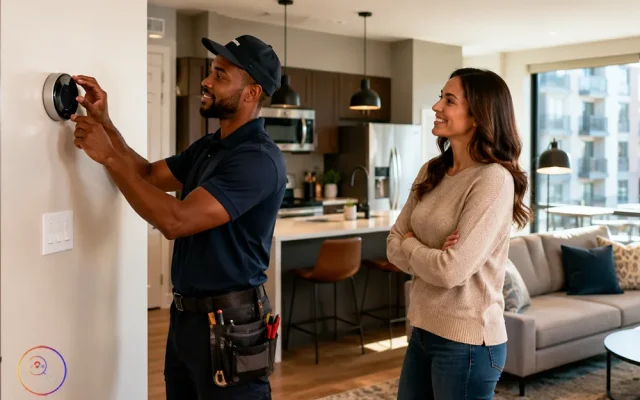
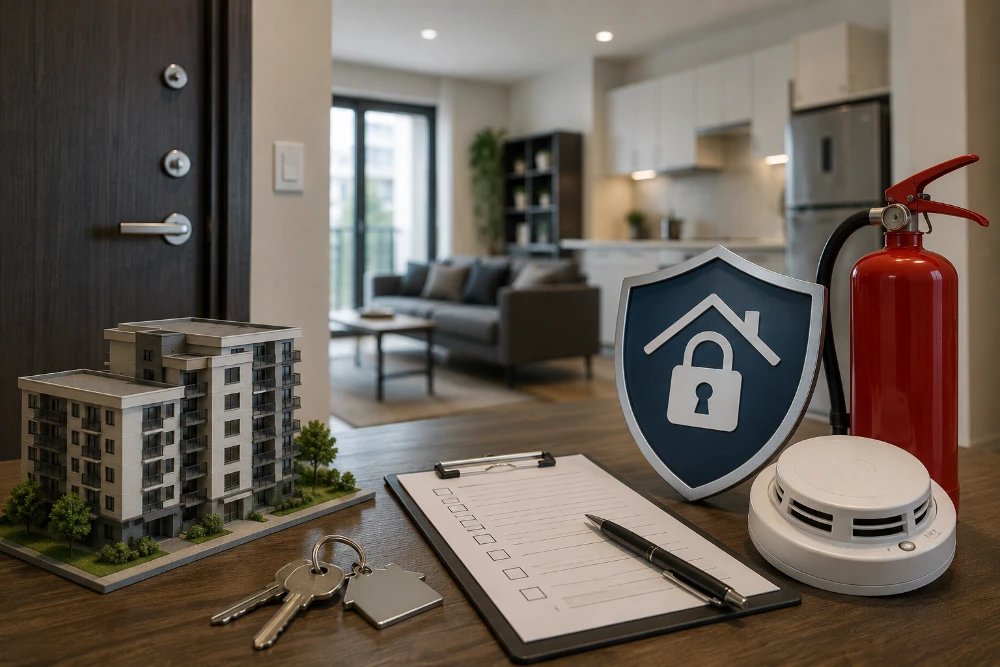
Your safety from crime is another crucial aspect of a landlord’s responsibility. At a minimum, this includes providing secure locks on all exterior doors and windows. In many jurisdictions, landlords are also required to install and maintain smoke detectors and, in some cases, carbon monoxide detectors. For larger apartment complexes, additional security measures like well-lit common areas, secure entry systems, and even security personnel may be required. If you’re looking for a new place, it’s a good idea to check out what smart home technology is available to enhance your security.
Pest Control and Environmental Hazards
A landlord’s duty to provide a habitable home also includes keeping the property free from pests and environmental hazards. This means they are responsible for exterminating insects and rodents and addressing issues like mold. If you discover mold in your apartment, it’s crucial to notify your landlord in writing immediately, as it can pose serious health risks.
Your Role in Apartment Safety
While your landlord has significant responsibilities, you also play a role in maintaining a safe living environment. It’s essential to be proactive and aware of your surroundings. Here are some steps you can take to enhance your apartment’s safety:
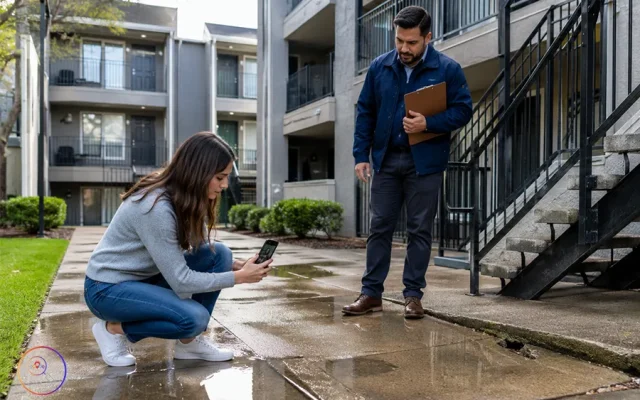
- Conduct a Move-In Inspection: Before you even unpack your first box, conduct a thorough inspection of your new apartment. Use a rental inspection checklist to document any existing issues, from a loose doorknob to a leaky faucet. Take photos and notify your landlord in writing of any problems you find.
- Be Mindful of Fire Safety: Familiarize yourself with the building’s fire escape plan and ensure that all smoke detectors are functioning correctly. The U.S. Fire Administration provides a helpful checklist for home fire safety.
- Secure Your Apartment: Always lock your doors and windows, even when you’re home. If you live on the ground floor, consider adding extra security measures like a window bar or a security system.
- Report Issues Promptly: If you notice any safety hazards or maintenance issues, report them to your landlord immediately. Keep a record of all your communications, including dates, times, and the nature of the problem.
When Your Landlord Fails to Act: Your Legal Rights
What happens if you’ve notified your landlord of a safety issue, and they’ve failed to take action? In such cases, you have several legal options. It’s important to note that landlord-tenant laws vary by state, so it’s always a good idea to consult with a legal professional to understand your specific rights and options.
Withholding Rent
In some states, you may have the right to withhold rent until the necessary repairs are made. However, this is a serious step and should only be taken after you have given your landlord written notice of the problem and a reasonable amount of time to fix it. It’s often required to place the withheld rent in an escrow account to show that you are acting in good faith.
Repair and Deduct
Another option in some jurisdictions is to “repair and deduct.” This means you can hire a professional to make the necessary repairs and then deduct the cost from your rent. This remedy is typically limited to minor repairs and may have a cap on the amount you can deduct.
Breaking the Lease
If the safety violations are severe and make the apartment uninhabitable, you may have the right to break your lease without penalty. This is known as “constructive eviction.” To use this remedy, you must be able to prove that the conditions are so bad that you are being forced to move out.
Taking Legal Action
If your landlord’s negligence has resulted in an injury or financial loss, you may be able to sue them for damages. This is where a qualified legal team can be invaluable. For instance, the Lanier Law Group has extensive experience in premises liability cases and can help you navigate the complexities of the legal system. According to Cornell Law School, a landlord can be held liable for negligence if they fail to uphold their duty of care, which can include failing to address known hazards. You can find more information on this topic in this article on landlord liability.
Conclusion
Your apartment should be a safe haven, a place where you can relax and feel secure. By understanding your rights as a renter and your landlord’s responsibilities, you can take proactive steps to ensure your home is safe. If your landlord fails to meet their obligations, don’t hesitate to exercise your legal rights. Your safety is paramount, and the law is on your side.
Frequently Asked Questions (FAQs)
Landlords are generally required to provide a safe, habitable living space with working utilities, secure structures, and proper maintenance.
No. Landlords must address known safety hazards within a reasonable timeframe after being notified.
Notify your landlord in writing immediately and document the issue with photos to protect your rights.
Yes, landlords are usually responsible for basic security measures like functioning locks, lighting in common areas, and smoke detectors.
In some states, tenants may legally withhold rent for serious habitability issues, but specific procedures must be followed first.
A move-in inspection documents existing damage or safety concerns before you settle in, helping prevent disputes later.
Serious issues like lack of heat, unsafe electrical systems, severe mold, or structural dangers can make an apartment uninhabitable.
Yes, in severe situations where the apartment becomes unsafe or unlivable, tenants may have grounds for constructive eviction.
Keep copies of emails, text messages, repair requests, photos, videos, and any inspection reports related to the issue.
You should contact a lawyer if unsafe conditions caused injuries, major financial losses, or your landlord repeatedly refuses to act.