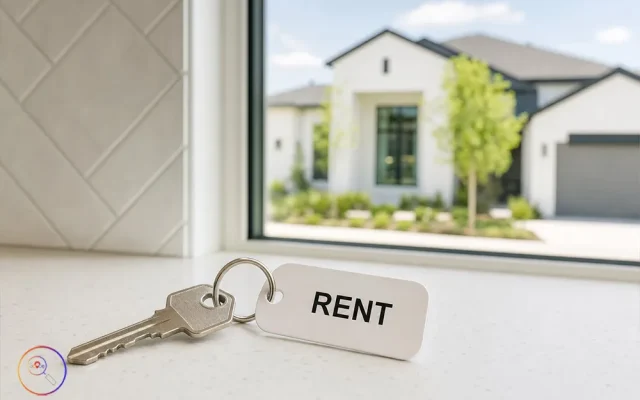


Roommate sharing in an apartment or house is cost-effective for both parties; however, when there are no established “rules” for each party’s responsibilities, even minor issues can escalate into larger battles. This is where establishing a roommate agreement becomes important.
The roommate agreement will protect all involved parties by establishing who pays which costs, how often, and at what level cleaning duties will be performed, and who may visit.
Continue reading below as we provide insights on how to navigate living with roommates without breaking any lease agreements.
What is a Roommate Agreement?
A Roommate Agreement is a written contract (a lease) signed by all the people who live in the rental unit. The purpose of a roommate agreement is to establish and define the daily responsibilities, rules, and expectations for each person’s participation in the household.
Most leases do not address how expenses are split, who will perform which chores, how many guests are allowed in the house at one time, when it is acceptable to make noise, and what items are available for shared use, such as toilet paper and dish soap.
The roommate agreement will also outline the financial responsibility for damages and other issues related to moving out of the house. You may even include clauses for implementing home improvements that lower energy consumption or improve security.
Nevertheless, the roommate agreement is an informal agreement; there is no standardized format. Having a clear, signed version can help prevent future misunderstandings and provide a framework for resolving disagreements among the roommates.
Common Issues in Shared Rentals
Issues often arise in shared rental situations when minor problems are overlooked. The majority of disagreements tend to be over missed rent, cleanliness, and whether or not guests can stay with roommates overnight. Each disagreement usually follows this same process.
This is why you need to create a roommate agreement that documents damage responsibility, shared supplies, and move-out procedures.
Missed Rent
A roommate does not pay on time (or at all), so you have to make up the difference. Without a written agreement, your landlord will likely give notice to all roommates because they did not receive the full rent from all parties.
In your roommate agreement, you should specify that each party will pay his or her share of rent, either directly to the landlord or via a jointly maintained account, by a set due date.
Cleanliness Conflicts
Dirty dishes, overflowing garbage, or a messy community area are an ongoing source of stress. What one person considers “clean” may be far from it to others. The terms you agree on regarding responsibilities will include regular weekly duties, what constitutes cleanliness (e.g., dirty dishes within 24 hours), and how to pay for a shared cleaning service if there is an issue. Writing down your agreements helps to avoid resentment toward others.
Guest Policies
An unexpected guest can become a de facto roommate, increasing your expenses for utilities as well as decreasing your space. There are numerous disagreements when it comes to how often you have guests, whether they stay overnight, and your quiet hours.
In your written agreement, you should identify what constitutes a “guest” (less than 3 nights in a row), provide advance notice, and place restrictions on the number of overnight guests allowed each week.
Bay Property Management Group Washington DC suggests to review utility trends regularly in order to make even more accurate estimates and suggestions.
Importance of Having a Clear Lease Agreement to Reduce Turnover and Disputes

A loose rental agreement leads to a lot of disputes and can push away good people you want as roommates. Having specific, written guidelines will make it easier for all of you to understand what is expected, which, in turn, makes the environment more peaceful and helps avoid high turnover costs.
Reduces Disputes Before They Start
The majority of disagreements roommates have about their living arrangements stem from unwritten expectations. A clearly defined lease agreement defines how rent is split, cleaning responsibilities will be assigned, and who pays for common household items.
By having all roommates sign the exact same agreement, “You said” can be replaced with “We agreed.” This simple exchange eliminates many disputes that occur each year.
Lowers Turnover by Setting Fair Expectations
When roommates think they’re being treated unfairly or that disputes never seem to end, roommates leave. Clearly defining an agreement provides stability (i.e., guests are permitted to visit on Friday and Saturday nights, quiet hours begin at 10 p.m., etc), so you may avoid replacing your current roommates every few months in order to find new ones.
Provides a Clear Exit and Move-Out Process
When a roommate moves out, there is usually some type of dispute that erupts. The lease agreement should include a notice period (how many days before they need to vacate), how their portion of the security deposit will be used, and who will be responsible for damage to common areas.
A clear move-out process can prevent disputes at the last minute and help your other roommates from having to absorb additional costs once another roommate has moved out.
Conclusion
A roommate agreement is based on trust. The basic idea behind a roommate agreement is to put all terms of the tenancy, such as cleaning responsibilities, missed rent payment, guest policies, etc., in writing so that there are no surprises when they come up.
By doing this, you can greatly reduce turnovers, prevent future disputes, and keep your house at peace. Get together with your roommates, determine what rules are acceptable to each of you, and then have each other sign it.
You will save yourself months of frustration and potentially thousands of dollars from conflict that could have been avoided.
Frequently Asked Questions (FAQs)
A roommate agreement should cover rent payments, utility sharing, cleaning duties, guest policies, quiet hours, and move-out procedures.
It depends on local laws, but most roommate agreements act as informal contracts that help clarify expectations and reduce disputes.
Usually, landlords enforce the lease, not the roommate agreement, unless specific terms are included in the lease itself.
Roommates can divide utilities equally or based on usage, then track expenses monthly to avoid confusion or missed payments.
All roommates may still be responsible for the full rent under the lease, which is why written payment terms are important.
Yes. Written guest policies help prevent misunderstandings about overnight stays, noise, and shared space usage.
It’s smart to review the agreement every few months or whenever living arrangements and responsibilities change.
Creating a rotating cleaning schedule with clear expectations helps keep shared spaces organized and reduces tension.
Yes. Clear expectations create a more stable and respectful environment, making roommates more likely to stay long-term.
Open communication helps resolve small issues early before they become larger conflicts that affect the household.