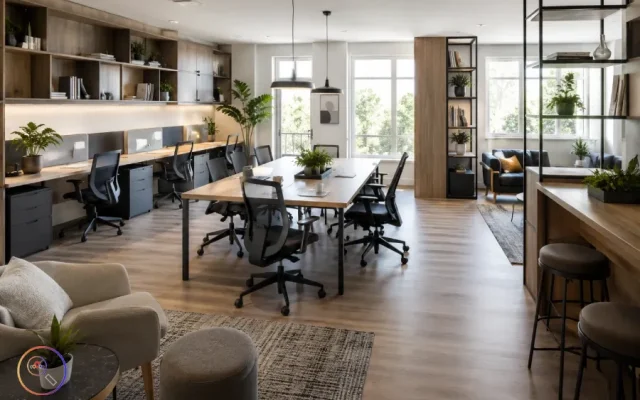

A new apartment community can look ready long before every detail is actually finished. The leasing office may be spotless, the model unit may be staged perfectly, and the amenities may look great in photos, while sidewalks, garages, stairwells, landscaping, or shared spaces still need work.
That difference matters. Renters don’t need to inspect a property like contractors do, but they can spot signs of unfinished areas that may affect daily life. Before signing a lease or scheduling movers, look beyond the floor plan and focus on the spaces you’ll use every day.
1. Check Whether Walkways and Entrances Are Fully Accessible
Before move-in day, pay close attention to how people enter and move through the property. A finished apartment is less useful if the path from the parking lot, rideshare drop-off, garage, or sidewalk feels awkward, blocked, or unsafe.
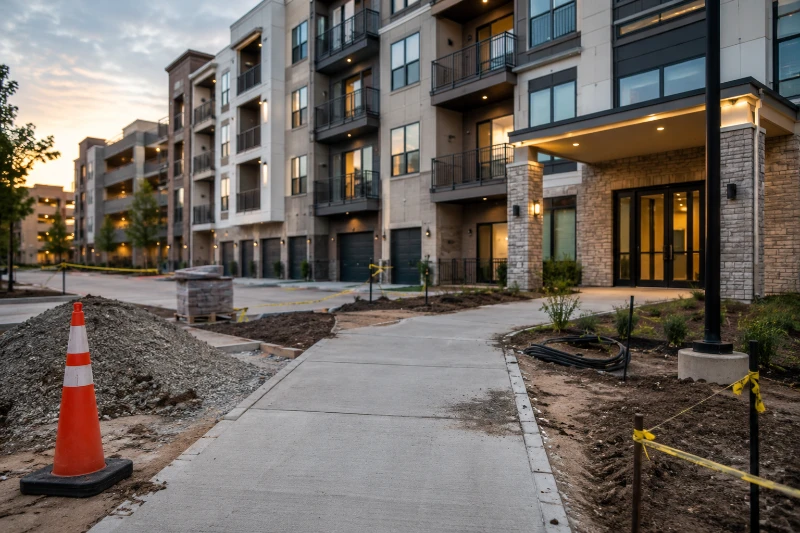
Look for uneven pavement, temporary ramps, loose gravel, taped-off areas, missing handrails, or entry doors that require a long detour. These details can become frustrating fast when you’re carrying boxes, using a cart, walking at night, or bringing children or pets through the property.
Access should feel simple and predictable. If the main entrance is closed, the alternate route should be clearly marked. If sidewalks are still being poured or landscaping is unfinished, management should be able to explain which paths residents should use and when permanent access will be complete.
Safe, direct access is one of the clearest signs that a property is truly ready for residents.
2. Look Closely at Lighting Around Shared Spaces
Lighting can tell you a lot about how finished an apartment community really is. A hallway, garage, stairwell, or side entrance may look fine during a daytime tour, then feel completely different after dark.
Check the areas you’ll use most often: the route from your car to the building, the path to the mailroom, stairwells, elevators, trash rooms, bike storage, and any temporary walkways. Dim bulbs, dark corners, missing fixtures, or patchy temporary lighting can make everyday movement harder and less safe.
Good lighting helps residents spot uneven surfaces, wet floors, loose cords, tools, and other hazards before they become a problem. General guidance on preventing falls at home reinforces how clear paths, stable surfaces, and well-lit areas can make everyday spaces safer.
If the lighting feels inconsistent during your tour, ask management whether the setup is temporary or permanent. A clear answer can help you understand whether it’s a short punch-list item or a sign that shared areas still need attention.
3. Watch for Dust, Debris, and Loose Materials
An almost-finished property can still have minor messes that signal larger move-in issues. A little dust is expected during construction, but piles of debris, loose boards, exposed edges, or scattered materials in resident areas deserve a closer look.
Check hallways, garages, sidewalks, elevator areas, trash rooms, storage spaces, and paths near unfinished amenities. If you see nails, screws, broken tile, loose carpet edges, dangling plastic, or construction materials stacked near walkways, ask whether those areas are open to residents or still part of an active work zone.
Dust can be a concern, especially when it collects near vents, doorways, or shared corridors. Fresh construction often involves sanding, drilling, painting, and flooring work, and those materials should be contained before residents are expected to use the space every day.
A clean, orderly property sends a clear message: management is paying attention to the details residents will live with after move-in day.
4. Notice When Resident Areas and Construction Zones Overlap
In Houston and across Texas, renters may tour fast-moving apartment communities where new buildings, renovations, and phased amenity openings can change shared spaces from week to week. Temporary fencing, unfinished sidewalks, contractor access points, delivery zones, and blocked amenities should be easy to identify before move-in day.
Similar concerns can surface in other active rental markets, including Dallas-Fort Worth and Austin, as well as parts of Florida, where new apartment development often occurs in phases. Illinois brings a different context, especially in dense urban areas where apartment construction may sit close to sidewalks, entrances, parking areas, and resident walkways. For renters comparing these safety concerns across regions, construction injury claims in Chicago can show how construction-related incidents may involve property owners, contractors, work-zone boundaries, warnings, and documentation.
Resident areas should feel clearly separated from active work zones. If a path looks temporary, a barrier has moved, or a closed area seems easy to enter by mistake, ask management what residents should use instead and when the permanent setup will be finished.
5. Ask Whether Amenities Are Actually Ready to Use
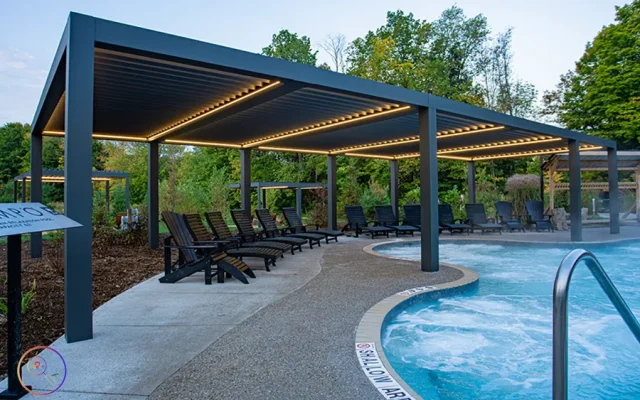
Amenities can be a major selling point during a tour, but in an almost-finished community, they deserve a second look. A rooftop deck, gym, pool, dog park, garage, package room, or lounge may appear complete while certain access points, fixtures, gates, surfaces, or safety features are still being finished.
Look for signs that an amenity is only partially open. That might include locked doors during posted hours, temporary fencing, exposed landscaping edges, missing furniture, unfinished flooring, taped-off corners, or equipment installed but not yet available.
Ask management what is open now, what remains restricted, and whether any amenities have final work or inspections pending. If an amenity is included in the rent or heavily advertised, you should know whether it will be usable on move-in day or later.
A polished rendering is helpful, but the real question is whether the space is safe, accessible, and ready for everyday use.
6. Confirm That Signs, Barriers, and Detours Are Clear
Clear signs and barriers matter most when a property is still changing. Renters should be able to tell which areas are open, which are restricted, and which route they should use without guessing.
Look for posted notices near elevators, garages, sidewalks, amenity entrances, stairwells, and side doors. Temporary detours should be obvious, especially when construction affects the route from parking areas to the building or from one part of the property to another.
Barriers should feel secure and intentional. A cone in the middle of a hallway, loose caution tape, or a half-open gate can create confusion. If a closed area looks easy to enter by mistake, ask management whether better signs or barriers will be added before residents move in.
Good communication makes an unfinished property easier to live with. Residents should know where to walk, what to avoid, and who to contact when something changes.
7. Document Issues Before Move-In Day
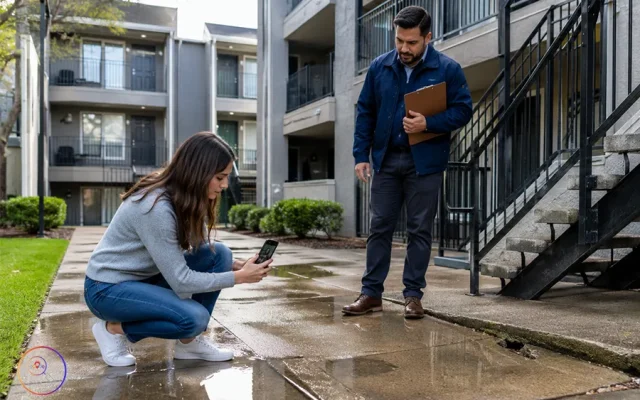
Before you move in, take a few minutes to document anything that feels unfinished, unsafe, or unclear. Photos and short videos can show the condition of walkways, entrances, lighting, amenities, parking areas, and shared spaces before your lease officially begins.
Focus on details that could affect daily use. That might include cracked pavement, dim lighting, blocked paths, loose flooring, missing signs, exposed materials, or areas that look open but still seem incomplete. If you report a concern, send it in writing and keep a copy of the message.
Once you’ve documented those issues, pair your notes with a practical move-in plan. This guide to things to do before you move in covers helpful steps renters can take before settling into a new Houston apartment.
Move-in day is easier when expectations are clear. Written notes, photos, and direct questions create a shared record of what still needs attention for both you and management.
Conclusion
An almost-finished apartment community can still be a great place to live, but renters should know what they’re walking into before move-in day. A polished model unit does not always tell the full story.
Look at the paths, lighting, amenities, barriers, and shared spaces you’ll use every day. Ask direct questions when something feels temporary or unclear. The best apartment communities make unfinished details easy to spot, avoid, and resolve before they affect daily life.
Frequently Asked Questions (FAQs)
Look beyond the model unit and inspect shared spaces like walkways, garages, stairwells, lighting, and amenities to see whether they feel fully finished and safe to use.
Yes, phased construction is common, but resident areas should still be clearly separated from active work zones before move-in day.
Good lighting helps residents safely navigate hallways, parking areas, stairwells, and sidewalks, especially at night or during bad weather.
Minor dust is expected, but loose materials, exposed edges, scattered tools, or blocked pathways may signal unfinished or unsafe conditions.
Ask which amenities are fully open, whether inspections are complete, and if any spaces still have restricted access or unfinished work pending.
Not always, but renters should expect clear signs, secure barriers, and safe alternative routes that are easy to follow every day.
Focus on entrances, sidewalks, elevators, parking areas, stairwells, mailrooms, shared hallways, and any amenities you plan to use regularly.
Photos and written notes create a record of unfinished or unsafe conditions, which can help avoid confusion later with property management.
Yes. Poor lighting, blocked paths, unfinished landscaping, or limited amenity access can quickly become frustrating after move-in.
Clear communication, safe resident access, organized construction zones, and responsive management all show the property is prioritizing resident safety and readiness.