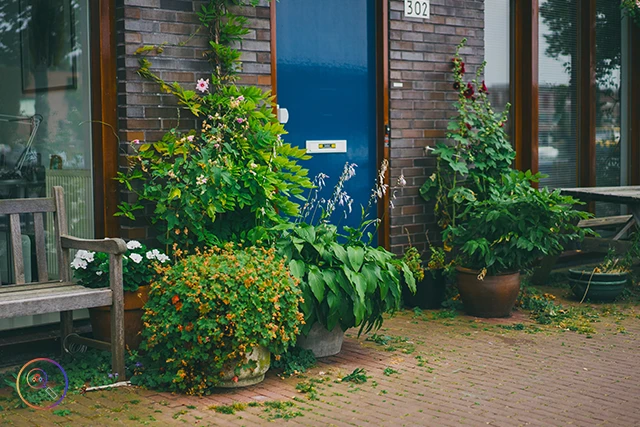

The front door is one of the first things people notice about a home. It influences curb appeal, contributes to security, and creates the initial impression guests have before stepping inside. While traditional front doors were designed primarily for privacy and protection, today’s innovative front door designs combine appearance, functionality, energy efficiency, and modern technology.
Homeowners now have more options than ever, from minimalist glass-and-steel entrances to beautifully crafted wooden doors with personalized details. Smart locks, sustainable materials, contemporary finishes, and improved insulation have also changed how people approach entryway design.
However, choosing a new front door involves more than selecting an attractive color or style. The right design must complement the home’s architecture, withstand local weather conditions, accommodate everyday activities, and provide dependable security.
Whether you’re renovating an older property, building a new home, or simply looking for ways to refresh an outdated entrance, understanding the latest front door innovations can help you make a more practical and visually appealing choice.
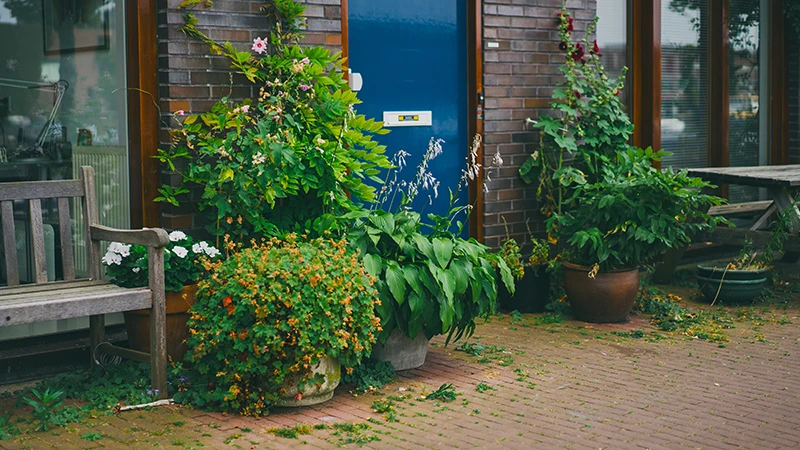
Why Front Door Design Matters More Than You Think
A front door may occupy only a small portion of a home’s exterior, but its influence on the overall appearance can be significant.
An outdated, poorly maintained door can make an otherwise attractive property feel neglected. By contrast, a thoughtfully designed entrance can connect different architectural features, enhance the exterior color palette, and make the home appear more welcoming.
Beyond appearance, front doors serve several essential purposes:
- Security: A properly installed door with suitable locking hardware helps protect the home against unauthorized entry.
- Energy efficiency: Insulated materials, weatherstripping, and properly fitted frames can reduce unwanted air leakage.
- Weather protection: Durable doors help prevent rain, wind, moisture, and outdoor debris from entering.
- Accessibility: Appropriate door widths, hardware, and thresholds make entrances easier to use.
- Everyday convenience: Smart locks, durable finishes, and low-maintenance materials simplify daily routines.
The most successful innovative front door designs address these considerations together rather than prioritizing appearance at the expense of performance.
Smart Technology Is Transforming Front Door Designs
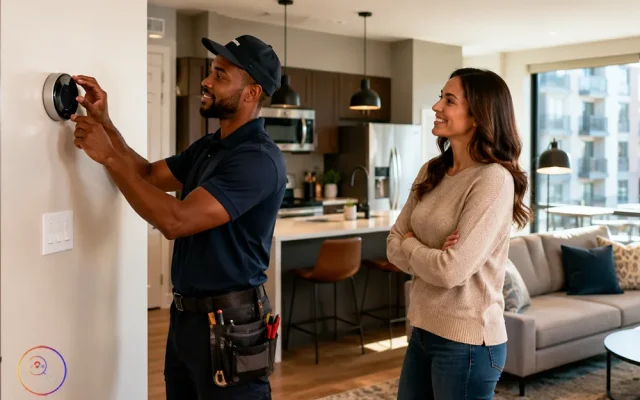
Smart technology has become an increasingly practical addition to residential entryways. Instead of relying entirely on conventional keys and doorbells, homeowners can now integrate connected devices that improve convenience and provide additional security features.
Smart Locks and Keyless Entry
Smart locks allow homeowners to unlock their doors using methods such as PIN codes, smartphones, electronic keypads, or compatible biometric readers.
Some models also provide temporary access credentials for guests, family members, or service providers.
For example, a homeowner may create a unique access code for a visiting relative rather than arranging to hand over a physical key. Certain systems also maintain access histories that show when specific codes were used.
However, it’s important to choose devices with appropriate security features, reliable software support, and secure account settings. Homeowners should also consider battery life and whether a physical key or another backup entry method is available.
Video Doorbells and Smart Cameras
Video doorbells allow residents to see and communicate with visitors through connected devices.
Depending on the product, features may include:
- Motion detection and mobile notifications
- Two-way audio communication
- Live video monitoring
- Recorded video clips
- Package delivery notifications
- Integration with compatible home security systems
These features offer convenience, particularly when residents are away from home.
Camera placement should consider visitor privacy, visibility, local regulations, and the possibility of capturing neighboring properties.
Integrated Smart Home Systems
Some innovative front door designs incorporate technology into a broader smart home system.
For instance, unlocking the front door might activate selected indoor lights or disarm a compatible alarm system. Other configurations can send notifications when a door is left open.
Homeowners should prioritize dependable operation and security over adding unnecessary connected devices.
Front Door Porch Enclosures for a More Functional Entrance
A front door doesn’t have to stand alone as an isolated architectural feature. Surrounding structures can make an entrance more comfortable, protected, and visually appealing.
One option is incorporating front door porch enclosures, which create a transitional area between the outdoors and the main living space.
Depending on their construction, porch enclosures can help shield the entrance from wind, precipitation, and airborne debris while creating a more comfortable place to greet visitors.
They may also provide space for shoes, umbrellas, or seasonal decorations.
Choosing the Right Enclosure Style
Several enclosure configurations can complement modern entryways.
Glass porch enclosures offer visibility and natural light while maintaining a defined boundary between the enclosed area and the outdoors.
Screened enclosures improve ventilation while helping keep insects away during warmer months.
Fully enclosed vestibules can create an additional buffer between outdoor conditions and interior living spaces.
The best choice depends on the home’s architectural design, available space, climate, and intended use.
Before installing a porch enclosure, homeowners should review applicable building regulations, permits, ventilation needs, and structural requirements.
A successful enclosure should feel like a natural extension of the home rather than an addition that competes with the front door.
Sustainable Materials Are Influencing Modern Entryways
Sustainability has become an important consideration in residential construction and renovation. Manufacturers increasingly offer front doors designed with material efficiency, durability, and environmental impact in mind.
However, sustainability involves more than identifying whether a door contains recycled material. Product lifespan, maintenance requirements, manufacturing practices, insulation performance, and disposal options all matter.
Reclaimed and Responsibly Sourced Wood
Wood remains a popular material for residential entrances because of its natural warmth and design flexibility.
Homeowners interested in reducing demand for newly harvested materials may consider reclaimed wood or timber from responsibly managed forests.
Reclaimed wood can introduce distinctive grain patterns, weathered textures, and visual character.
However, reused wood must be evaluated for structural condition, moisture damage, previous finishes, and suitability for exterior applications.
Recycled Steel and Aluminum
Metal doors are common in contemporary architecture because they provide clean lines, strength, and versatility.
Products containing recycled steel or aluminum can reduce the need for some virgin raw materials. Their overall environmental impact still depends on manufacturing processes, transportation, coatings, durability, and eventual recycling.
For exterior use, corrosion resistance and proper insulation deserve particular attention.
Fiberglass and Composite Materials
Fiberglass doors are often selected for their resistance to moisture-related problems and relatively modest maintenance requirements.
They can also reproduce the appearance of wood grain without requiring the same refinishing schedule as many natural wooden doors.
When comparing composite products, look beyond appearance and evaluate insulation, manufacturing information, replacement parts, and expected service life.
Choosing the Best Front Door Material
Door material influences appearance, maintenance, durability, security, and energy performance.
The following comparison provides a useful starting point.
| Material | Main advantages | Potential drawbacks | Common design applications |
|---|---|---|---|
| Solid wood | Natural appearance, customizable finishes | Requires maintenance; moisture sensitivity | Traditional, rustic, luxury homes |
| Steel | Strong construction, broad range of finishes | Can dent; coating damage may lead to rust | Modern and traditional homes |
| Fiberglass | Moisture resistance, low maintenance | Quality and realism vary | Suburban, coastal, contemporary homes |
| Aluminum | Lightweight, contemporary appearance | Thermal performance varies by construction | Modern and minimalist homes |
| Glass-heavy doors | Natural light, open appearance | Privacy and solar heat considerations | Contemporary and transitional homes |
No single material is ideal for every property.
A coastal home exposed to salt air may require different hardware and finishes from a residence in a dry climate. Likewise, a heavily shaded entryway may have different maintenance requirements from a south-facing door exposed to intense afternoon sunlight.
Homeowners should compare complete door systems, not just individual materials, because the frame, glass, seals, and installation can significantly influence performance.
Custom Artistry and Unique Front Door Designs
One of the most interesting changes in residential entryways is the growing emphasis on customization.
Rather than choosing an ordinary door that blends into the exterior, homeowners can use the entrance to introduce visual character.
Custom artistry may include carved patterns, decorative glass, geometric paneling, distinctive handles, or unusual material combinations.
Geometric and Minimalist Patterns
Modern homes frequently emphasize clean lines and simple proportions.
Flat-panel doors, vertical grooves, asymmetrical detailing, and concealed hinges can create a streamlined appearance.
These designs work particularly well when the entryway already contains strong architectural lines or large windows.
A minimalist door does not need to look plain. Subtle changes in texture, material, or hardware can provide visual interest without excessive decoration.
Handcrafted Wooden Doors
Wooden doors with carved details, raised panels, or specialized finishes can complement craftsman, Mediterranean, farmhouse, and traditional architectural styles.
The material’s natural variations can make each entrance feel distinctive.
However, complex detailing may create additional maintenance needs, particularly in areas frequently exposed to moisture.
Mixed-Material Designs
Combining materials allows homeowners to balance warmth and modern appearance.
Examples include wooden panels framed by steel, glass inserts surrounded by aluminum, or smooth composite surfaces paired with textured metal handles.
The goal is to create a coordinated design rather than incorporate multiple materials simply because they are available.
Energy-Efficient Front Doors for Greater Comfort
Energy efficiency is another important aspect of innovative front door designs.
An exterior door that allows significant air leakage can contribute to drafts and increase heating or cooling demands. Poor insulation and improperly installed glass may also create uncomfortable temperature differences around the entrance.
Modern door systems address these problems through improved construction and weather protection.
Insulated Door Cores
Many steel and fiberglass exterior doors contain insulating materials that reduce heat transfer.
However, actual performance depends on the complete assembly, including the frame and glazing.
When evaluating energy performance, homeowners should consider the door system’s rated U-factor, which measures heat transfer. Lower U-factors generally indicate better insulating performance.
Double- and Triple-Glazed Glass
Decorative glass can make an entrance more attractive, but its energy characteristics matter.
Insulated glazing may include multiple panes, low-emissivity coatings, and gas-filled spaces between panes.
For homes in warmer climates, solar heat gain can be an important consideration. In colder climates, insulation performance and the amount of beneficial solar warmth may receive greater attention.
Weatherstripping and Proper Sealing
Even a high-quality door may perform poorly if its installation allows outside air to enter.
Common problem areas include:
- Worn weatherstripping
- Gaps between the door and frame
- Poorly adjusted hinges
- Damaged thresholds
- Improperly sealed frame connections
A professional installation that addresses alignment, flashing, and weather resistance is often just as important as the door itself.
Accessibility Features for More Inclusive Entryways
Front door design should account for the different physical needs of people who use a home.
An attractive entrance becomes less practical if the threshold is difficult to cross, the handle requires excessive force, or the opening is too narrow for mobility equipment.
Accessibility-focused innovative front door designs may include wider clear openings, appropriate thresholds, lever-style handles, and automated operating systems.
Low-Profile Thresholds
A raised threshold can create an obstacle for wheelchair users, individuals with limited mobility, and people moving strollers or carts.
Low-profile thresholds can improve access, provided they also address drainage and weather protection.
Easy-to-Operate Hardware
Lever handles can be easier to operate than traditional round doorknobs.
Similarly, electronic locks and automatic opening systems may reduce the physical effort required to enter or exit.
Improved Entrance Visibility
Adequate lighting helps residents identify steps, changes in elevation, handles, and potential hazards.
Motion-activated lighting can be useful, although placement should avoid uncomfortable glare.
For accessibility projects, homeowners should evaluate the entire approach to the doorway, including pathways, landings, slopes, opening clearances, and applicable accessibility standards.
Front Door Colors and Finishes That Make an Impression
Color offers one of the simplest ways to transform an entryway without undertaking an extensive renovation.
While black, white, gray, and natural wood finishes remain versatile choices, more expressive colors can add character to otherwise understated exteriors.
The right finish depends on the architecture, siding, surrounding landscape, roof color, and desired visual effect.
Popular Front Door Color Directions
| Color or finish | Visual effect | Suitable exterior styles |
|---|---|---|
| Matte black | Clean, dramatic, contemporary | Modern, industrial, transitional |
| Deep navy | Refined, understated contrast | Coastal, traditional, modern |
| Forest green | Natural, grounded appearance | Cottage, craftsman, farmhouse |
| Terracotta | Warm, earthy character | Mediterranean, rustic |
| Natural oak | Welcoming texture and warmth | Scandinavian, contemporary |
| Deep red | Expressive architectural accent | Colonial, classic, eclectic |
| Soft sage | Muted, relaxed appearance | Cottage, modern farmhouse |
These combinations are design suggestions rather than fixed rules. A successful entrance usually responds to the home’s existing characteristics.
Matte Versus Glossy Finishes
Matte finishes tend to create a softer appearance and can complement minimalist architecture.
Glossy finishes reflect more light, making them useful for homeowners seeking a polished or traditional statement.
However, visible fingerprints, surface scratches, maintenance demands, and sun exposure should also influence finish selection.
For doors receiving prolonged direct sunlight, homeowners should choose coatings specifically rated for the door material and exposure conditions.
Security Innovations Beyond Smart Locks
A secure front entrance requires more than advanced electronic hardware.
Door construction, installation, hinges, locking systems, and frame strength all contribute to its overall resistance to forced entry.
Some of the most useful security improvements involve relatively straightforward structural upgrades.
Multipoint Locking Systems
Multipoint locks secure a door at several locations along the frame.
They are commonly incorporated into certain modern exterior door systems and can help distribute locking forces more effectively.
However, performance depends on the door’s complete construction and correct installation.
Reinforced Frames and Strike Plates
A strong door is less effective when surrounded by a weak or poorly attached frame.
Reinforced strike plates, suitable fasteners, secure hinges, and properly installed framing hardware can improve the strength of the overall entrance.
Security-Focused Glass
Glass entrances offer light and visibility, but glazing selection matters.
Depending on the application, laminated or appropriately rated security glazing may provide additional resistance to impact and intrusion.
Safety glazing requirements must also be considered, particularly near doorways and other hazardous locations.
Entryway Lighting and Visibility
Well-positioned lighting improves visibility around the door and helps residents identify visitors.
Motion-activated lights, illuminated address numbers, and a clear view of the entrance can complement other security measures.
A comprehensive approach combines physical durability, effective hardware, good visibility, and responsible use of connected technology.
Cultural and Historical Influences on Modern Front Doors
Innovative design doesn’t always mean abandoning tradition.
Many contemporary entryways draw inspiration from historical architectural styles, regional construction methods, and cultural design practices.
These influences provide opportunities to create entrances with visual depth and a connection to the home’s broader architecture.
Mediterranean-Inspired Entrances
Mediterranean designs often incorporate substantial wooden doors, arched openings, decorative ironwork, and warm colors.
These features can complement stone, stucco, and textured exterior finishes.
Japanese-Inspired Minimalism
Japanese architectural traditions have influenced modern entryways through simplicity, careful proportions, natural materials, and the use of filtered light.
Contemporary interpretations may incorporate wood slats, understated detailing, or glass panels with translucent finishes.
Scandinavian Design
Scandinavian-inspired entrances frequently emphasize natural materials, practical details, and restrained color palettes.
Light wood, clean surfaces, simple hardware, and thoughtful lighting can create a welcoming appearance without extensive ornamentation.
Blending Traditional and Contemporary Elements
Many modern homes combine design influences rather than following one historical style exactly.
For example, a traditional wooden door may work well with contemporary metal hardware. Likewise, a classic paneled design can take on a more modern appearance with a simplified frame and updated color.
The key is maintaining consistency in proportions, materials, and architectural details.
Glass Front Doors: Balancing Natural Light and Privacy
Glass has become an important feature of contemporary entryway design because it allows natural light to enter areas that might otherwise feel dark or confined.
However, more glass does not automatically create a better entrance.
Homeowners must consider privacy, energy efficiency, glare, safety, and the visibility of interior spaces from the street.
Frosted and Textured Glass
Frosted, etched, and textured glazing can admit daylight while limiting clear views into the home.
These treatments are particularly useful for entrances facing public sidewalks or neighboring properties.
Sidelights and Transoms
Sidelights are narrow glass panels positioned beside a door, while transoms are installed above it.
Both can introduce additional light without requiring an entirely glazed door.
Their dimensions should complement the entrance and provide appropriate structural support.
Oversized Glass Panels
Large glass elements can create a striking modern appearance.
Before selecting an oversized design, homeowners should review the glazing specifications, door weight, frame requirements, solar exposure, and privacy implications.
A balanced design provides daylight without sacrificing the practical functions of the entrance.
Oversized and Pivot Front Doors
Larger door openings are another recognizable feature of modern residential architecture.
Oversized doors can create a dramatic entrance, particularly on homes with tall ceilings and wide exterior facades.
Pivot doors are a popular variation. Unlike traditional hinged doors, they rotate around a pivot mechanism positioned away from the outer edge.
This creates a distinctive opening motion and can accommodate certain large, heavy designs.
However, pivot doors require careful planning.
Important considerations include:
- Weight and structural support
- Hardware durability
- Weather sealing
- Opening clearances
- Accessible operation
- Maintenance and adjustment requirements
They can also cost more than standard hinged systems.
For many properties, a conventional door with thoughtfully selected proportions may offer a more practical solution.
Personalization Through Hardware and Entryway Details
Not every front door transformation requires replacing the entire door.
Smaller changes can make a meaningful difference, especially when the existing structure remains in good condition.
Statement Door Handles
Long vertical pull handles, decorative brass hardware, and streamlined matte-black fixtures can change how a door looks and feels.
Hardware should be comfortable to use, suitable for outdoor conditions, and compatible with the locking system.
House Numbers and Lighting
Coordinated house numbers, exterior sconces, and appropriately positioned lighting can create a unified entryway.
Good design considers readability and function alongside appearance.
Coordinated Landscaping
Plants, pathway materials, and entryway landscaping can frame the door and establish a visual connection between the building and surrounding outdoor space.
Avoid placing dense landscaping where it obscures visibility, interferes with drainage, or blocks access.
Seasonal Decorations
Wreaths, planters, and entryway accessories allow homeowners to personalize an entrance without committing to permanent architectural changes.
The best accessories enhance the front door rather than overwhelm it.
Technological Advancements in Front Door Manufacturing
Technology also influences how front doors are designed and manufactured.
Computer-aided design and advanced fabrication methods allow manufacturers to develop increasingly detailed patterns, precise components, and customized configurations.
Digital Design and Visualization
Homeowners can explore different combinations of materials, finishes, glazing, and hardware using digital visualization tools.
Some design platforms support augmented reality, allowing users to preview the approximate appearance of a new door against their home’s exterior.
These tools can be useful for comparing styles, although measurements, lighting, color accuracy, and installation requirements still need independent verification.
Precision Manufacturing
Computer-controlled cutting and fabrication help manufacturers produce consistent dimensions and complex decorative features.
This can be particularly valuable for customized panels, geometric patterns, and specialty components.
Additive Manufacturing
Three-dimensional printing also provides possibilities for prototyping, decorative elements, and certain specialized components.
However, not every 3D-printed material is appropriate for structural exterior applications.
Long-term durability, UV resistance, building-code compliance, fire performance, and weather exposure remain essential considerations.
Technology is most valuable when it improves fit, reliability, design flexibility, or product performance.
How to Choose the Right Innovative Front Door Design
With so many materials, features, and configurations available, choosing a new front door can feel overwhelming.
A structured approach helps homeowners narrow their options.
1. Consider Your Home’s Architecture
Begin by studying the proportions, materials, and design characteristics of the home’s exterior.
A sleek aluminum door may complement a modern property, while a natural wood design could better suit a traditional facade.
Look for visual consistency rather than selecting a door based only on its appearance in a catalog.
2. Identify Your Climate Requirements
Weather conditions affect long-term door performance.
In regions experiencing heavy rainfall, proper drainage, flashing, and weather sealing are especially important.
For homes exposed to extreme sunlight, finishes must tolerate prolonged UV exposure. Coastal properties may also require corrosion-resistant hardware.
In severe-wind regions, additional product ratings and building-code requirements may apply.
3. Set a Realistic Budget
The purchase price is only one component of a front door project.
Homeowners may also need to budget for:
- Removal and disposal of the existing door
- Structural or framing modifications
- Hardware and locks
- Weatherproofing and flashing
- Glass upgrades
- Finishing and painting
- Professional installation
- Permit or inspection requirements
Custom dimensions, specialty glazing, and complex hardware can increase project costs.
4. Evaluate Maintenance Requirements
Some materials need periodic refinishing, while others may only require routine cleaning and inspections.
Consider how much time you’re willing to spend maintaining the entrance.
A visually striking design may be less appealing if it requires upkeep that doesn’t fit your schedule or environment.
5. Check Energy and Security Performance
Review the product’s tested specifications rather than relying exclusively on descriptions such as premium, high-security, or energy-saving.
Relevant details may include insulation ratings, glazing performance, lock quality, weather resistance, and compatibility with local building standards.
6. Prioritize Professional Installation
Even an excellent door can develop problems when it is incorrectly fitted.
Poor installation may lead to uneven operation, drafts, water intrusion, hardware wear, or security weaknesses.
An experienced installer can help verify measurements, alignment, drainage, framing, and product-specific requirements.
Common Front Door Design Mistakes to Avoid
A new front door should remain attractive and functional for years. Avoiding a few common mistakes can help prevent unnecessary expenses.
Choosing appearance over durability: A particular finish may look appealing in photographs but perform poorly under your home’s weather conditions.
Ignoring the surrounding entrance: The door should coordinate with exterior lighting, pathways, porch details, and the facade.
Overlooking privacy: Large glass panels may expose interior spaces if glazing and sightlines are not considered.
Buying incompatible hardware: Not every smart lock, handle, or multipoint system works with every door configuration.
Neglecting maintenance: Even weather-resistant products require inspections, cleaning, and occasional adjustment.
Using incorrect measurements: Door replacements may require more than measuring the existing visible panel. Frames, structural openings, clearances, and thresholds must be checked.
Planning around these issues can reduce complications during installation and improve long-term satisfaction.
Maintaining Your Front Door for Long-Term Performance
Regular maintenance helps preserve appearance, smooth operation, and protection against the elements.
Homeowners should periodically clean the door using manufacturer-approved products, inspect seals, and look for damage around the frame.
The following checklist provides a general maintenance guide.
| Component | What to check | Suggested approach |
|---|---|---|
| Door finish | Fading, peeling, surface damage | Clean and refinish as needed |
| Weatherstripping | Cracks, gaps, compression damage | Replace worn material |
| Hinges and hardware | Loose screws, unusual movement | Inspect and adjust |
| Locking system | Smooth locking and unlocking | Maintain according to manufacturer instructions |
| Threshold | Dirt, moisture buildup, gaps | Clean and inspect sealing |
| Glass and glazing | Cracks, seal failure, moisture between panes | Arrange repair when needed |
| Smart devices | Battery status, software updates | Check regularly |
Inspection frequency should reflect local conditions, product instructions, and how heavily the entrance is used.
Homeowners should address water intrusion, loose hardware, and difficulty locking the door promptly rather than allowing those problems to worsen.
Frequently Asked Questions About Innovative Front Door Designs
What are the most popular materials for modern front doors?
Wood, steel, fiberglass, aluminum, and glass are commonly used in modern entryways. Each material offers different advantages in terms of appearance, durability, maintenance, and insulation.
Are smart front door locks worth installing?
Smart locks can provide convenient keyless access, temporary codes, and activity notifications. Their value depends on product reliability, cybersecurity features, compatibility, and household preferences.
Which front door material requires the least maintenance?
Fiberglass and appropriately finished metal doors often require less routine refinishing than natural wood. However, all exterior doors need occasional cleaning and hardware inspections.
Can replacing a front door improve energy efficiency?
Yes. Replacing a poorly insulated or improperly sealed door may reduce drafts and unwanted heat transfer. The actual improvement depends on the original door, replacement specifications, and installation quality.
Are glass front doors secure?
Glass front doors can incorporate suitable safety or security glazing and strong locking hardware. Security depends on the complete door assembly rather than the presence or absence of glass alone.
What color should I choose for a modern front door?
Matte black, deep navy, forest green, natural wood, and neutral tones are versatile choices. The most suitable color should complement the exterior materials, architectural style, and lighting conditions.
Are pivot doors better than traditional hinged doors?
Pivot doors can provide a distinctive appearance and accommodate certain oversized designs, but they aren’t necessarily better for every home. Cost, sealing, accessibility, maintenance, and structural requirements should guide the decision.
How can I modernize my front door without replacing it?
Refreshing the paint, updating hardware, improving exterior lighting, installing compatible smart technology, and adjusting surrounding landscaping can significantly change an entryway’s appearance.
What should I consider when adding porch enclosures?
Consider ventilation, drainage, accessibility, weather exposure, architectural compatibility, permits, and structural support. The enclosure should also allow convenient and safe entry and exit.
How long should a front door last?
Service life varies by material, construction quality, climate, installation, maintenance, and usage. Rather than relying on a single lifespan estimate, inspect the door regularly and address performance problems as they develop.
Conclusion
Front doors have evolved from straightforward building components into important features of home design. Today’s innovative front door designs bring together attractive materials, thoughtful craftsmanship, improved insulation, accessible features, and convenient technology.
However, the best entrance isn’t necessarily the largest, most elaborate, or most technologically advanced.
A well-designed front door should suit the home’s architecture, perform reliably in local weather conditions, provide appropriate security, and remain practical for everyday use.
Whether you’re interested in a bold contemporary entrance, a customized wooden door, or a more energy-efficient replacement, focusing on both function and appearance will help you make a lasting improvement.
By choosing materials carefully, considering the entire entryway, and investing in proper installation, homeowners can create welcoming entrances that remain attractive and dependable for years to come.