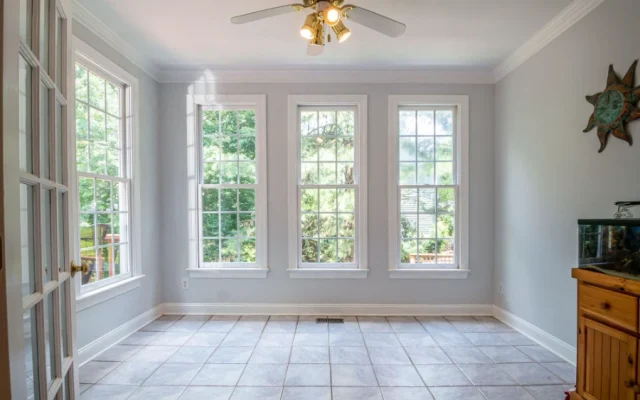

The call comes at the worst possible time, and it comes with a house attached. A parent or relative has died, and somewhere a few hundred or a few thousand miles away there is now a property with your name moving toward the deed – a property you have never maintained, cannot easily visit, and did not ask for.
If you rent, the situation has a particular strangeness to it. You may have spent years choosing the predictability of apartment living: one monthly rent payment, manageable utilities, renter’s insurance, and a maintenance team that handles roofs, water heaters, plumbing problems, and major repairs. Now you may also be responsible for a mortgage, property taxes, homeowners insurance, utilities, repairs, and a vacant home located in another state.
An inherited house can quickly affect more than the estate. It can change your apartment budget, influence whether you renew your lease, create a need for storage, and force you to think about relocating before you are emotionally ready. Before deciding whether to keep, rent out, move into, or sell the property, you need to understand both the house and the effect it may have on your current housing.
Here is a practical sequence for handling it – what to establish first, what the real clock is, how to protect your apartment budget, and how the available options compare once you run the numbers.
First, Find Out What You Actually Inherited
Before making decisions about keeping or selling, you need to know what legally exists. “I inherited a house” can mean several very different things.
You may already own it. If the property was held in a living trust, in joint tenancy with right of survivorship, or under a transfer-on-death or beneficiary deed, ownership may have passed to you automatically at death, without court involvement. In that case, you may be able to act relatively quickly.
It may need to go through probate. If the house was titled solely in the deceased person’s name with no survivorship provision and no trust, a court process is generally required before the property can be sold or transferred. Until someone is formally appointed to act for the estate, no one has authority to sign a deed.
You may be one of several owners. Siblings and cousins frequently inherit fractional shares. Every co-owner may need to agree before a sale can close, which means the practical constraint on your timeline is often family consensus, not paperwork.
It may carry debt. A mortgage does not disappear at death. Neither do home equity lines, tax liens, judgment liens, or unpaid homeowners association assessments. The estate’s obligations are generally settled from estate assets, and the house is often the largest one.
The fastest way to clarify the situation is to order a copy of the deed and a title search from a title company in the county where the property is located. This can help establish who owns what and what debts or restrictions are attached to the property. Getting that information early can prevent expensive surprises later.
While you are gathering documents, avoid making major changes to your apartment lease. Do not give notice, sign a long-distance moving contract, or assume you will move into the inherited home until you know whether you have the legal authority to occupy, rent, renovate, or sell it.
The Clock Starts Immediately, Whether You Are Ready Or Not
This is the part that catches remote heirs off guard. Probate may take months, but the carrying costs do not wait for the court.
Property taxes continue to accrue, and missed installments may accumulate penalties. Insurance is another sharp edge. Many standard homeowners policies restrict coverage after a home has been vacant for a certain period. Call the existing insurer as soon as possible, explain that the owner has died and the property is unoccupied, and ask what coverage is required. A vacant-property policy may cost more, but carrying an uninsured asset can be far more expensive.
Utilities may need to stay on. The instinct is often to shut everything down to save money, but that can create new risks. In a cold climate, pipes may freeze and burst. Electricity may be needed for sump pumps, alarms, exterior lighting, or climate control. If the plumbing system is not being used, ask a local professional whether the property should be winterized and drained.
The mortgage also keeps coming due. The servicer may require documentation before discussing the loan with an heir or estate representative, and payments may still be expected while that paperwork is processed. Contact the mortgage company promptly rather than assuming the estate process automatically pauses the account.
The house also needs someone to look at it. Vacant properties can attract break-ins, theft, vandalism, pests, and slow-moving problems such as roof leaks or water intrusion. If no relative or trusted neighbor is nearby, arrange for a local property-check service, property manager, or other responsible person to inspect the home regularly.
Add it up and an inherited home may cost hundreds or even thousands of dollars each month simply to exist. Every month of indecision has a price, and renters feel that pressure especially strongly because they may be paying for two housing situations at once.
How An Inherited House Affects Your Apartment Budget
Before deciding what to do with the property, calculate the full monthly cost of maintaining both your apartment and the inherited house. This is not the time to compare only your rent with the inherited home’s mortgage. The real comparison includes insurance, taxes, travel, repairs, utilities, storage, and the possibility of overlapping moving costs.
A basic dual-housing budget may look like this:
| Current apartment costs | Inherited-house costs |
|---|---|
| Monthly rent | Mortgage payment |
| Utilities | Property taxes |
| Renter’s insurance | Homeowners or vacant-property insurance |
| Parking, pet, or amenity fees | Utilities and security monitoring |
| Lease renewal or termination costs | Maintenance and emergency repairs |
| Storage or moving costs | Travel and local property-check services |
Review at least three months of bank statements and create a separate estimate for the inherited property. Include predictable bills and a repair reserve. A house that appears affordable based on the mortgage alone may become unmanageable once taxes, insurance, deferred maintenance, and repeated travel are included.
Try not to use the emergency fund that protects your apartment household unless there is no alternative. You still need cash for rent, medical costs, car repairs, and other ordinary emergencies. When several heirs are involved, agree in writing on who will pay property expenses, how those payments will be recorded, and when contributors will be reimbursed by the estate.
It may also help to revisit how to budget for an apartment using your new financial picture. Your previous rent ceiling may no longer be realistic if you must temporarily support an inherited property, pay for travel, or reserve money for a future move.
Understand Your Actual Probate Timeline

Probate timelines vary enormously by state and by estate. A small, uncontested estate with clear paperwork may move through in a few months. A larger estate, or one with disagreements among heirs, missing documents, or unclear title, can take much longer.
What matters for planning purposes is less the total length than one specific milestone: when the court appoints a personal representative – the executor or administrator – and issues the document proving that person’s authority. That appointment is often the point at which someone can legally sign contracts and deeds on behalf of the estate. Before it, sale conversations may be preliminary. After it, they can become actionable.
A probate attorney in the property’s state may be worth the fee, particularly across state lines. The rules are local, the court’s expectations are local, and errors can add months to the process.
For renters, the probate timeline should also be compared with the apartment lease. Check the lease expiration date, renewal deadline, notice requirements, and early-termination provisions. If probate is likely to continue beyond your current lease, renewing may be safer than assuming the inherited house will be available on a particular date. A shorter renewal or month-to-month option may provide flexibility, although it may also cost more.
The Step-Up In Basis Changes The Tax Math More Than People Expect
Here is the piece that surprises heirs most often, usually pleasantly.
When property is inherited, its cost basis is generally reset – or “stepped up” – to its fair market value as of the date of death rather than what the deceased originally paid for it. If a relative bought the house decades ago for a much lower amount, the inherited basis may be closer to the property’s current value.
The practical effect is that capital gains tax is generally calculated on appreciation after the date of death. Selling reasonably close to that date may result in a smaller taxable gain than many heirs expect. Holding the property for several years, making it a rental, or completing major improvements can change the calculation.
This is worth discussing with a qualified tax professional before deciding. Get a date-of-death valuation documented early through an appraisal or other formal valuation method. Good records can also help heirs compare the realistic net proceeds of a sale with the ongoing cost of keeping the property.
Should You Move Into The Inherited House Or Stay In Your Apartment?
Owning a house does not automatically mean moving into it is the right choice. The property may be larger than your apartment, but it may also be far from your job, family, medical providers, or support network. It may need major repairs, contain more space than you want to maintain, or be located in a community that does not fit your lifestyle.
Before ending your lease, ask practical questions:
- Is the home legally available for you to occupy?
- Has it been inspected for electrical, plumbing, roofing, moisture, and structural problems?
- Is it near your job or would moving require a career change?
- What would property taxes, insurance, utilities, repairs, and transportation cost each month?
- Would you lose apartment amenities, walkability, security, or maintenance support that you currently value?
- Does the house suit your actual household size and daily routine?
- Are you choosing it because it works for your life, or because selling feels emotionally difficult?
- When does your lease end, and what would an early move cost?
Compare the full monthly cost of the home with the full monthly cost of your apartment. Homeownership can build equity, but it also transfers maintenance responsibility and financial risk to you. Apartment living may offer less space, yet provide predictability, convenience, and flexibility while the estate is being settled.
If the house is not right for your life, choosing not to live there is not a rejection of the person who left it to you. It is a housing decision.
Keep It, Rent It Out, Move Into It, Or Sell It
Once you know what you own and what it costs, the decision usually resolves into four paths.
Keeping it without immediately occupying it may make sense when the house has genuine personal meaning, when another family member plans to use it, or when you have a clear future purpose for it. It makes much less sense as a default. “We’ll decide later” is still a decision, and it carries a monthly cost.
Renting it out is appealing on a spreadsheet and harder in practice at a distance. Long-distance landlording can mean property-management fees, maintenance reserves, vacancy periods, tenant screening, compliance requirements, and repairs before the home is rentable. It can be a sound outcome when the numbers work and you genuinely want to be a landlord. It is a poor outcome when you drift into it only because selling feels difficult.
Moving into the property may work when the location fits your life, the home is safe and affordable, and the move creates a meaningful long-term benefit. Before committing, price the move, inspect the house, confirm insurance, calculate the tax and utility burden, and review your apartment lease.
Selling is what many remote heirs ultimately choose, and there is no shame in it. The house was a home, but it is also an asset. Converting it to money that can be divided among heirs ends the carrying costs and eliminates the risk of managing something you cannot easily see.
Renters who decide to sell may also want to read about selling your house and moving to an apartment. Even when you are already renting, the same comparison between ownership costs, flexibility, location, and lifestyle can help clarify why remaining in an apartment may be the better choice.
If You Sell, Three Routes – And What Each Really Costs
A traditional listing with a local agent generally aims for the highest gross price, and for a property in good condition it may be the right answer. The costs can include commission, repairs, cleanout, staging, photography, utilities, showings, and the time required to reach closing. For an out-of-state heir, the hidden cost is coordination: contractors, cleaners, agents, and inspectors may all need decisions from someone living in another time zone.
An auction offers a defined timeline but may attract buyers looking for a discount. It may fit properties in rough condition or situations where speed and certainty matter more than maximizing the price.
A direct sale to a cash buyer trades price for certainty and speed. The offer will usually be below a fully prepared retail listing price. In exchange, the seller may receive a faster closing, fewer repair demands, no showings, and no buyer-financing contingency. Families settling an estate from out of state often weigh this route because it can remove much of the coordination problem; heirs in Missouri, for example, will look at what it takes to sell a house fast in St. Louis and compare that net number against a listing’s projected net after commission, repairs, and several more months of carrying costs.
For someone currently living in an apartment, the sale timeline should also be compared with the lease, monthly rent, possible moving expenses, and the date sale proceeds will actually become available. Do not assume an accepted offer means the money is immediately usable. Inspection issues, title problems, court approvals, financing delays, or disagreements among heirs can all affect timing.
That comparison – net to net and time to time – is the only honest one. A higher listing price can become less impressive after repair costs, commission, taxes, utilities, travel, and several months of carrying expenses are subtracted. Run every option using realistic figures.
Whichever route you choose, get more than one opinion on value. Be cautious with anyone who pressures you to sign quickly, refuses to explain how an offer was calculated, or asks for money up front.
How To Coordinate The Property Decision With Your Lease
Your apartment lease and the inherited property are now part of the same planning problem. One may determine the timing and affordability of the other.
Start by locating the lease and marking four dates: the expiration date, the deadline for giving notice, the renewal decision date, and any date by which the landlord must be informed of a move. Then review clauses covering early termination, subletting, lease transfers, move-out fees, required professional cleaning, and damage deposits.
Avoid giving up stable housing based only on an estimated probate or closing date. Real-estate transactions can be delayed, and an inherited home may not be ready to occupy. Paying for one month of overlap may be frustrating, but it can be less expensive than needing a hotel, temporary rental, or rushed apartment because the property timeline changed.
When a move becomes likely, ask your apartment community about:
- Required move-out notice
- Elevator or loading-area reservations
- Permitted moving hours
- Parking rules for moving trucks
- Key, access-card, and garage-remote returns
- Cleaning and inspection requirements
- Security-deposit procedures
The apartment moving guide can help organize the logistics once the housing decision is firm. The important point is to coordinate the lease and property timeline rather than treating them as separate projects.
Handling The Cleanout From A Distance

The emotional weight of an inherited house is concentrated in its contents, and remote heirs consistently underestimate how long this takes.
Go once, in person, if you reasonably can. Photograph rooms before anything moves. Take the items that matter and be selective. Grief can make every object feel urgent, while storage units can quietly become permanent monthly bills.
Before shipping furniture to your apartment, measure rooms, doors, hallways, elevators, and loading areas. A dining table, sofa, or cabinet that fit the inherited home may not fit through an apartment entry or may overwhelm the available space. Ask the property manager whether large deliveries require reservations, proof of insurance from movers, or specific moving hours.
For the rest, estate-sale companies may sell items with value and clear the remainder. Specialized cleanout services can empty a house for an agreed fee. Price these options against repeated flights, rental vehicles, missed work, and long-term storage.
Keep important records. Tax returns, deeds, insurance policies, receipts, loan statements, and financial documents may be needed by the estate. Store digital copies in a secure shared folder when several heirs are involved.
If the house is being sold as-is, ask whether the buyer will accept remaining contents. That can remove one of the most difficult and expensive parts of the process.
Managing An Inherited House While You Continue Renting
There is a real advantage to handling this from a rental: your primary housing can remain stable while you sort out the inherited property. Your own maintenance responsibilities are limited, your monthly costs may be relatively predictable, and you do not have to manage two owner-occupied homes at once.
Use that stability carefully. Keep every estate document in one place, both digital and physical. Create a dedicated email folder. If there are multiple heirs, use a shared folder and written decision log so nobody has to reconstruct conversations later. If the estate has its own bank account, route property expenses through it when appropriate and keep receipts.
Consider the effect on your next lease renewal. A long renewal may be less attractive when the estate could require relocation, but automatically switching to an expensive month-to-month arrangement may also strain the budget. Ask the apartment community what renewal lengths are available and compare the premium for flexibility with the likely estate timeline.
Inherited belongings may create another apartment problem: space. Before renting a storage unit, decide which items you genuinely intend to keep, which can be distributed to relatives, and which should be sold or donated. Estimate the annual storage cost, not just the introductory monthly rate. A year of storage can exceed the value of many ordinary household items.
Set a decision date. This is not necessarily a deadline to sell. It is the date by which you and any co-heirs will choose a direction: keep, rent, move into, or sell. Families often handle inherited property more effectively when they treat it as a project with defined responsibilities and an end point rather than an open-ended obligation.
Finding Your Next Apartment After The House Is Settled
Resolving the inherited property may change what you need from your own housing. Selling the house could remove monthly carrying costs, free money for moving expenses, or allow you to relocate closer to work or family. Keeping or renting the property could reduce the amount you can comfortably spend on rent. Moving inherited furniture may require a larger floor plan, while choosing not to keep those belongings may allow you to remain in a smaller, more affordable apartment.
Reassess these factors before starting an apartment search:
- Monthly rent ceiling after estate expenses
- Preferred city, neighborhood, and commute
- Required bedroom and storage space
- Parking, pet, accessibility, or amenity needs
- Desired lease length
- Earliest realistic move-in date
- Whether temporary or furnished housing is needed
People relocating after selling or settling an inherited property may benefit from relocation strategies for homeowners moving to apartments, especially when downsizing, choosing a new neighborhood, or coordinating an interstate move.
Once the property decision is complete, your apartment search should reflect your updated financial situation rather than the budget and priorities you had before the inheritance. Renters moving to or within Texas can also work with an apartment locator to compare communities based on price, location, floor plan, amenities, and move-in timing.
An inherited house can create months of uncertainty, but your own housing does not have to remain uncertain indefinitely. Establish what you own, protect the property, understand the estate timeline, calculate the cost of maintaining two residences, and make a deliberate choice. The goal is not to preserve the house at any cost. It is to make a sound decision that respects the estate while protecting your finances and the life you are already living.
Frequently Asked Questions (FAQs)
Usually not before a personal representative has been appointed or another legally authorized person can sign. Some properties pass through a trust, survivorship arrangement, or transfer-on-death deed and may not require the same probate process. Ask a local probate attorney which rules apply.
The basis is generally adjusted to the property’s fair market value at the date of death, so tax may apply mainly to appreciation after that date. Holding or renting the property can change the calculation, so consult a tax professional.
The mortgage does not disappear. Contact the servicer promptly, provide the requested estate documents, and make sure payments are addressed while authority over the estate is being established.
Coverage can change when a home becomes vacant or the named insured dies. Contact the insurer immediately and ask what policy or endorsement is required.
Only when the numbers work after management fees, repairs, vacancy, insurance, taxes, and maintenance reserves – and when you actually want the responsibilities of long-distance landlording.
Not until you confirm that you can legally occupy it, inspect its condition, calculate its full cost, and compare that cost with any lease-termination and relocation expenses.
This article provides general information and is not legal, tax, insurance, or financial advice. Rules differ by state and individual estate, so consult qualified professionals in the state where the inherited property is located.