

Moving into a New York City apartment can be exciting, but it also comes with details that are easy to underestimate. A new neighborhood, a better layout, or a shorter commute can make the transition feel worthwhile. Still, the moving process itself often requires more planning than renters expect.
Apartment moves in the city are rarely as simple as loading boxes into a truck. Buildings may have elevator rules, move-in windows, insurance requirements, loading restrictions, and narrow hallways. Even a short move within Manhattan can become complicated if these details are handled at the last minute.
That does not mean every renter needs a full-service moving company. Some people can manage a small move with basic supplies, a few helpers, and careful timing. Others may need extra support because of large furniture, fragile belongings, walk-up stairs, or strict building policies.
The best approach is to understand the move before choosing how to handle it. When renters know what to expect, they can save time, reduce stress, and avoid common moving-day problems.
Review Building Rules Before Anything Else
Before packing boxes or booking help, start with the building rules.
Many apartment buildings in New York City have specific moving procedures. These rules are especially common in managed rentals, co-ops, condos, doorman buildings, and high-rises. However, smaller buildings may also have expectations around move-in hours, elevator use, hallway protection, and loading access.
Ask both your current building and your new building about:
- Approved moving hours
- Elevator reservations
- Certificate of insurance requirements
- Freight elevator access
- Loading zones
- Move-in or move-out fees
- Security deposits for possible damage
- Parking instructions
- Advance notice requirements
This step matters because one missed requirement can delay the entire move. For example, if your building requires a certificate of insurance and your mover has not submitted it, management may not allow the move to begin. If the elevator was never reserved, another resident may already have the time slot.
Getting the rules in writing helps prevent confusion. It also gives you clear information to share with movers, friends, or anyone else helping on moving day.
Decide Whether a DIY Move Makes Sense
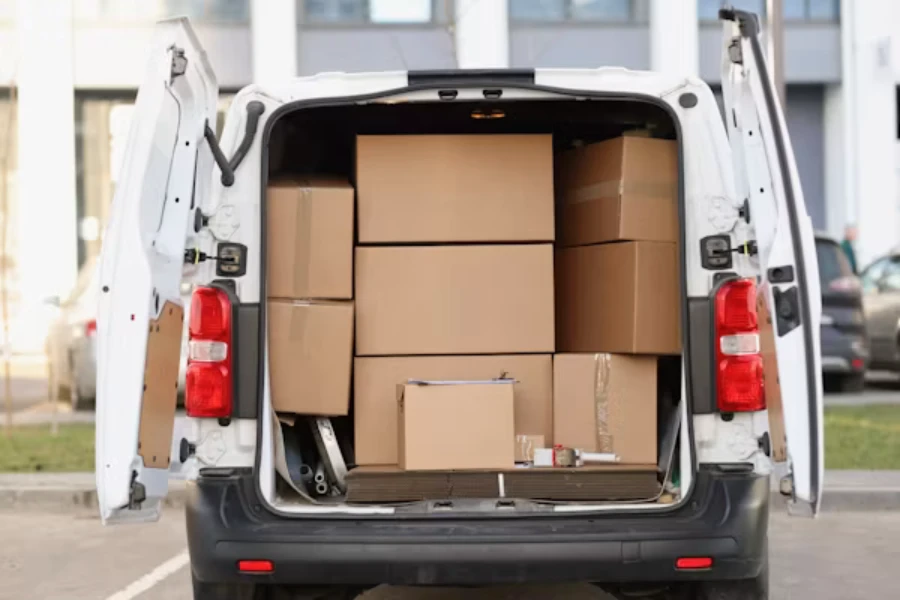
A do-it-yourself move can work well in the right situation.
If you are moving from a furnished room, a small studio, or an apartment with limited belongings, handling the move yourself may be realistic. It can also make sense when both buildings have easy access, flexible hours, and no strict insurance requirements.
However, a DIY move becomes more difficult when heavy furniture, tight stairwells, elevator schedules, or limited parking are involved. In New York City, these details can change the entire experience.
Before choosing a DIY move, ask yourself:
- How much furniture do I need to move?
- Are there stairs at either building?
- Is the elevator large enough for my biggest items?
- Can a truck park close to the entrance?
- Do I have reliable help?
- Do I have the right equipment?
- Can I safely lift and carry heavy items?
- Can I afford delays if the move takes longer than expected?
A DIY move may look cheaper at first. Still, the final cost can include truck rental, gas, tolls, parking, packing supplies, equipment rentals, and time away from work. For smaller moves, that may still be worth it. For larger moves, the savings may not be as significant as expected.
Know When Professional Help May Be Useful
Professional movers are not necessary for every apartment move. However, they can be useful when the move involves heavy items, fragile belongings, complicated building access, or a tight timeline.
For example, renters moving into high-rise buildings may need a company that can provide insurance documents, coordinate with building management, and follow elevator rules. Renters moving from walk-ups may need help carrying furniture safely through narrow staircases. People with artwork, mirrors, electronics, or glass furniture may also want extra care during packing and transport.
Professional help may be worth considering if:
- You have large furniture
- Your building requires documentation
- You are moving into or out of a high-rise
- You have fragile or valuable belongings
- You are short on time
- You cannot safely lift heavy items
- Your move involves stairs or long hallways
- You need packing or furniture disassembly
If you decide to compare movers, look beyond the lowest quote. Ask what is included, whether packing materials cost extra, how long the estimate covers, and whether there are fees for stairs, long carries, waiting time, or specialty items.
Experienced Manhattan Movers in NYC are familiar with the local neighborhoods, traffic situation, and the buildings. So, they are better suited to provide a stress-free moving experience.
Build a Realistic Moving Budget
Moving costs can add up quickly, especially in dense city neighborhoods where parking, building rules, and access can affect the final price.
A moving budget should include more than the truck or mover quote. It should account for the full process from packing to settling in.
Possible costs include:
- Moving company or truck rental
- Packing supplies
- Plastic bins or boxes
- Tape, labels, and protective wrap
- Building move-in or move-out fees
- Elevator reservation fees
- Parking costs
- Tips for movers
- Temporary storage
- Utility setup fees
- Cleaning supplies
- Replacement furniture or household items
It is smart to keep a cushion for unexpected expenses. A move may take longer if the elevator is delayed, the truck has to park far from the entrance, or a piece of furniture needs to be disassembled before it can fit through a doorway.
Even a modest backup budget can make moving day feel less stressful.
Pack With the New Apartment in Mind
Packing should not be only about getting belongings into boxes. It should also make the new apartment easier to set up.
Many New York City apartments have limited storage, compact kitchens, smaller closets, or unusual layouts. Moving is a good time to decide what should actually come with you.
Before packing, sort belongings into four groups:
- Keep
- Donate
- Sell
- Discard
Then pack by room and label each box clearly. Instead of writing only “kitchen,” use labels such as “kitchen plates,” “kitchen pantry,” or “kitchen cleaning supplies.” This helps boxes land in the right place and makes unpacking less chaotic.
For heavy items like books or dishes, use smaller boxes. For bedding, towels, and pillows, larger boxes are fine. Fragile items should be wrapped carefully and packed with enough cushioning to prevent shifting.
It also helps to prepare a first-night box.
Include:
- Phone chargers
- Medications
- Toiletries
- Toilet paper
- Paper towels
- Trash bags
- Basic cleaning supplies
- A change of clothes
- Important documents
- Simple kitchen items
- Pet supplies, if needed
This box should stay easy to access. After a long move, you do not want to search through ten boxes just to find soap, a charger, or clean clothes.
Measure Furniture Before Moving Day
Furniture measurements can prevent major problems.
Before moving, measure your largest items. This includes sofas, bed frames, desks, dressers, dining tables, shelving units, and oversized chairs. Then compare those measurements with doors, elevators, stairwells, hallways, and tight corners at both buildings.
Older buildings can be especially tricky. A couch may fit inside the apartment but not through the stairwell. A bed frame may need to be taken apart. A dining table may need its legs removed before transport.
Measure:
- Apartment doors
- Building entrances
- Elevator interiors
- Stairwell turns
- Hallway widths
- Ceiling clearance
- Large furniture pieces
- Room dimensions
If something looks questionable, plan for disassembly before moving day. Waiting until movers arrive or friends show up can waste valuable time.
Protect the Apartment During the Move
Moving can easily damage walls, floors, doors, elevators, and hallways if items are not handled carefully.
This matters because tenants may be responsible for damage caused during move-in or move-out. Even minor scratches can become an issue if the building collects a deposit or inspects the property afterward.
Ask your building whether protection is required. Some buildings provide elevator pads. Others expect movers or tenants to bring protective materials.
Useful protection may include:
- Floor runners
- Furniture blankets
- Doorway protection
- Elevator pads
- Corner guards
- Plastic wrap for furniture
- Careful padding around fragile items
This applies to both DIY and professional moves. Even a small dresser can scrape a wall if it turns awkwardly through a narrow hallway.
Plan for Parking and Loading Access

Parking can be one of the most frustrating parts of a city move.
A moving truck may not be able to park directly outside the building. Street cleaning, traffic, loading restrictions, bike lanes, bus stops, and construction can all affect access. If items have to be carried a long distance, the move can take longer and become more expensive.
Before moving day, check:
- Whether the building has a loading area
- Whether trucks can stop near the entrance
- Whether street parking is restricted
- Whether there are better times of day to move
- Whether long carries may increase labor time
- Whether building management has parking instructions
If you are using movers, give them accurate access details. If you are moving yourself, scout the area ahead of time so you are not figuring it out with a loaded truck.
Confirm Everything Before Moving Day
A few days before the move, confirm every major detail.
This includes the moving time, elevator reservation, building approval, parking plan, utility setup, and payment method. It is better to find a problem three days early than three minutes before the move begins.
Confirm:
- Move date
- Arrival window
- Building access instructions
- Elevator reservation
- Certificate of insurance approval, if required
- Parking or loading details
- Final quote
- Payment method
- Items needing special care
- Furniture that requires disassembly
Also make sure you have contact information for building management, your mover, and anyone helping you.
Do a Final Walkthrough
Before leaving the old apartment, do one careful walkthrough.
Check closets, cabinets, drawers, medicine cabinets, under sinks, storage areas, and behind doors. Small items are easy to miss when the apartment is mostly empty.
Look for:
- Chargers
- Keys
- Documents
- Cleaning supplies
- Toiletries
- Small electronics
- Items in closets
- Items under beds
- Anything stored above cabinets
Take photos of the apartment once it is empty and clean. This can help document the condition at move-out.
Settle Into the New Apartment Carefully
Once everything arrives, the goal is not to unpack every box immediately. Start with the essentials.
Set up the bed, bathroom basics, kitchen necessities, chargers, and anything needed for work or school. Then unpack room by room.
After move-in, take photos of the new apartment, especially any existing damage. Document floors, walls, doors, appliances, cabinets, windows, and bathroom fixtures. If anything looks damaged before you moved in, report it to management in writing.
Then handle the practical updates:
- Change your mailing address
- Set up internet and utilities
- Learn trash and recycling rules
- Save maintenance contact information
- Check package delivery procedures
- Locate laundry areas
- Review building access rules
- Update renters insurance, if applicable
These small steps help the apartment feel organized faster.
Helpful Finds for Moving Day
Once the lease is signed, the move is the next hurdle. These make it painless:
- Moving Boxes Kit – assorted sizes delivered to your door.
- Furniture Sliders – move a sofa without scratching the floors you just inspected.
- Packing Tape Dispenser – the tool you will wish you bought first.
- Mattress Bag – keeps the mattress clean in the truck.
Rise Apartments is a participant in the Amazon Services LLC Associates Program. As an Amazon Associate we earn from qualifying purchases made through the links above, at no extra cost to you.
Final Thoughts
A New York City apartment move can feel overwhelming, but planning makes a major difference. The process becomes easier when renters understand building rules, measure furniture, pack carefully, budget realistically, and confirm logistics before moving day.
Some renters can manage the move themselves. Others may benefit from professional help, especially when the building has strict requirements or the move involves heavy furniture, stairs, or fragile belongings.
The best choice depends on the apartment, the schedule, the budget, and the amount of support needed. With the right preparation, moving can feel less rushed, less stressful, and much more manageable.