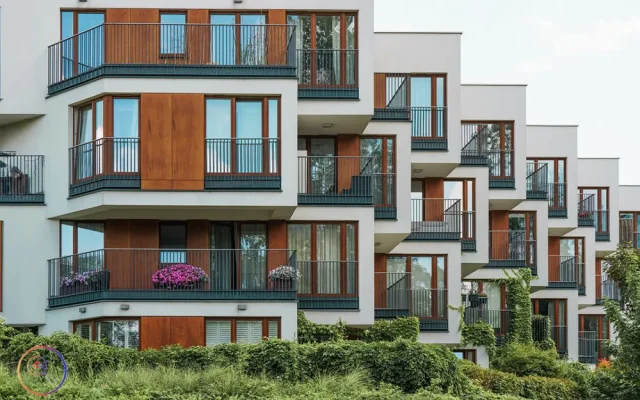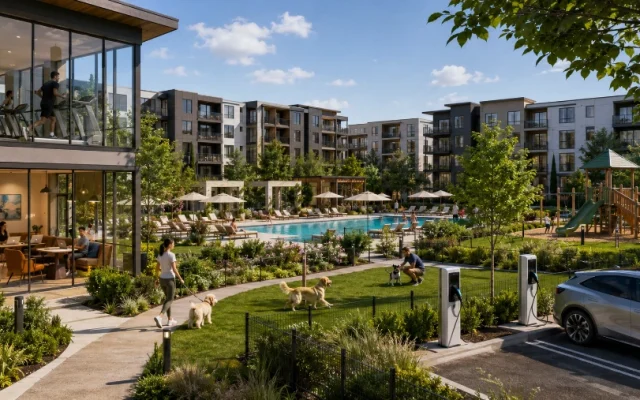
Downtown living appeals to many people because it offers convenience, walkability, entertainment, and closer access to work, restaurants, nightlife, and cultural spaces. For some, city apartments create a stronger sense of energy and flexibility compared to quieter suburban routines. But while urban living can feel exciting initially, the realities of daily life inside a downtown apartment often depend on details people overlook during the search process.
A beautiful unit alone does not always guarantee a comfortable experience long term. Noise levels, transportation access, storage space, building management, surrounding businesses, and neighborhood rhythm all shape whether an apartment remains enjoyable after the first few months. Many renters and buyers focus heavily on appearance while underestimating how strongly practical lifestyle factors influence overall satisfaction.
As more people move toward flexible and experience-focused lifestyles, apartment decisions are becoming less about square footage alone and more about how a space supports everyday routines realistically.
Neighborhood Rhythm Matters More Than Many People Expect
Downtown neighborhoods can feel very different depending on the time of day. Some areas remain relatively calm during evenings, while others become significantly louder due to nightlife, restaurants, traffic, or late-night pedestrian activity.
This is why experienced renters often visit neighborhoods multiple times before making decisions. A street that feels peaceful during the afternoon may feel completely different late at night or early in the morning.
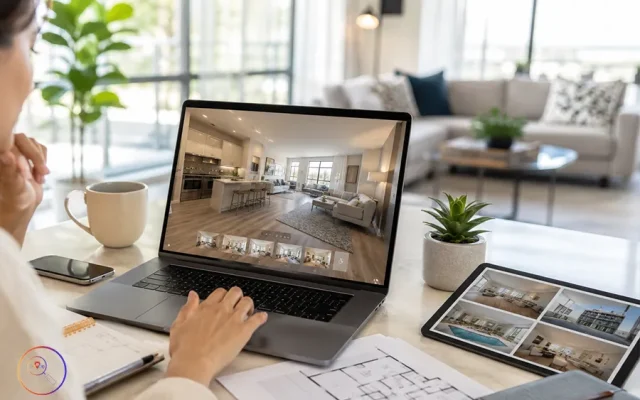
People researching communities connected to Urban Living often prioritize understanding how neighborhoods function day to day rather than evaluating buildings only from listing photos. The surrounding environment strongly affects long-term comfort and routine stability.
Natural Light and Layout Influence Daily Comfort
Downtown apartments sometimes prioritize location and views while sacrificing natural light or practical layouts. Over time, these factors can significantly affect how comfortable and relaxing a space actually feels.
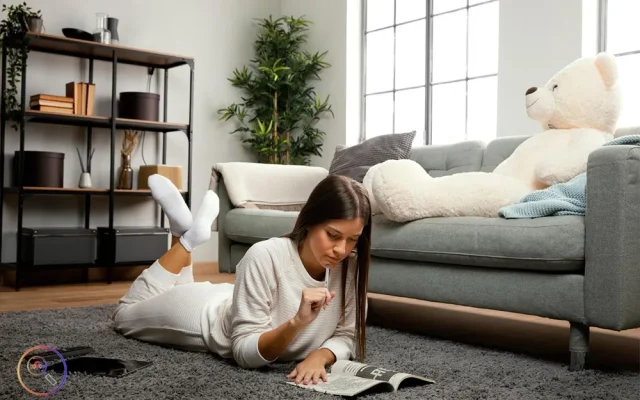
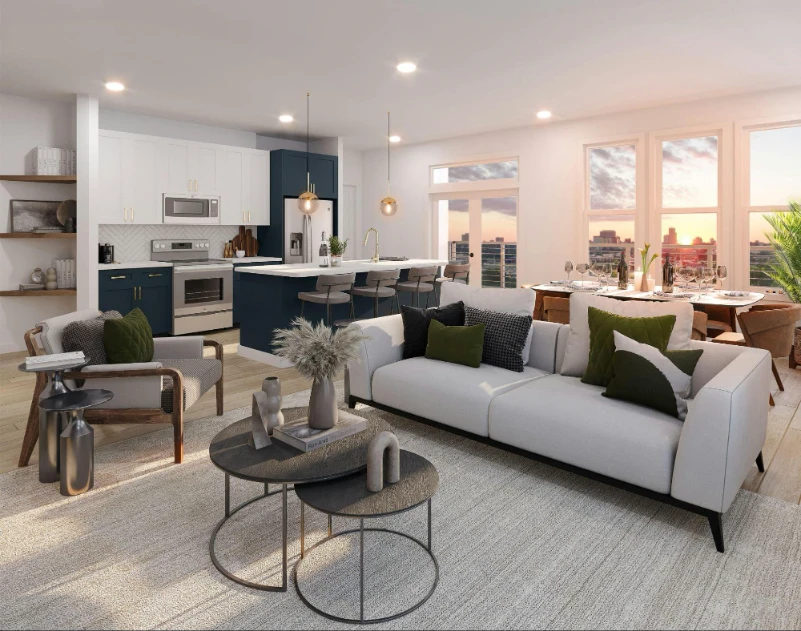
Apartments with better natural light often feel more open, calmer, and emotionally comfortable during long periods indoors. Functional layouts also matter because smaller urban spaces need to support multiple daily activities without feeling cluttered or restrictive.
Open floor plans may appear attractive initially, but storage access, kitchen functionality, and usable living space usually become far more important after moving in permanently.
Noise Levels Can Affect Sleep and Stress
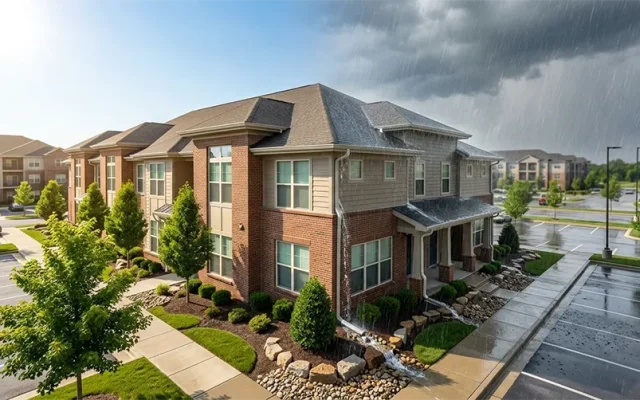
One of the most common surprises in downtown living involves noise exposure. Street traffic, construction, nightlife, public transportation, neighboring units, and emergency services all contribute to urban sound levels that may not seem obvious during short apartment tours.
For many people, noise eventually influences sleep quality, stress levels, and overall comfort more than expected. Windows, insulation quality, floor location, and building design all affect how much outside noise enters the apartment itself.
This does not mean downtown living is inherently stressful. Many people enjoy city energy, but understanding personal tolerance for noise and activity levels is important before committing long term.
Building Amenities Should Match Real Lifestyle Habits
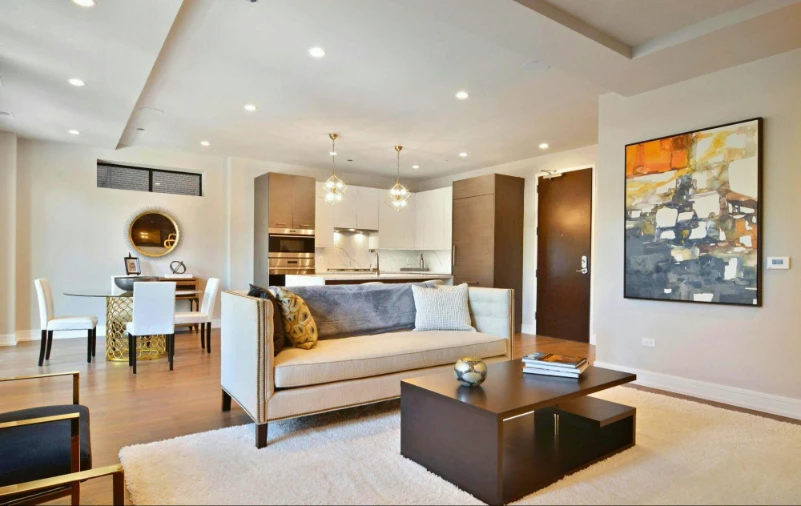
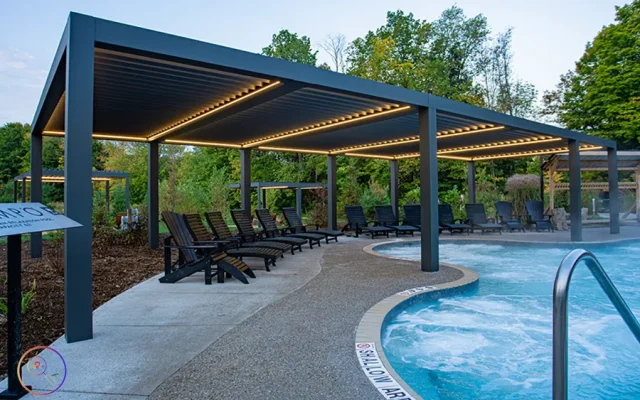
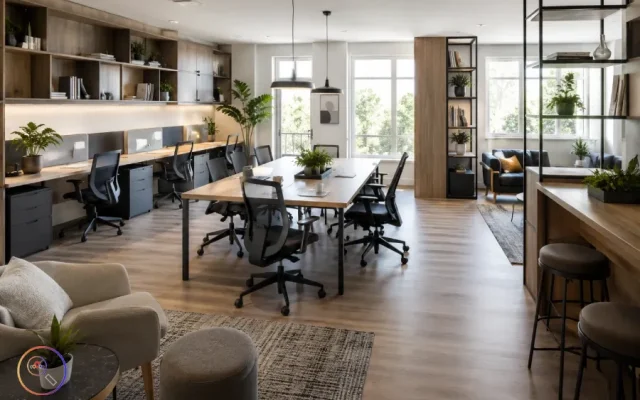
Luxury amenities often attract attention during apartment searches, but many residents later realize they rarely use certain features consistently. Rooftop lounges, coworking spaces, gyms, and entertainment areas can add value, but only if they realistically fit daily habits.
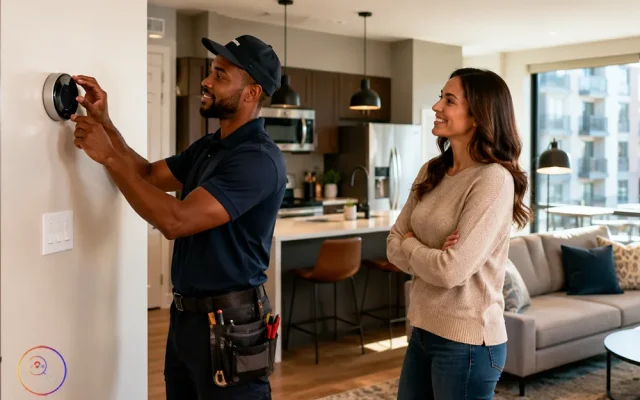
People increasingly evaluate amenities based on practicality rather than appearance alone. Secure package handling, reliable maintenance, laundry access, storage options, parking availability, and responsive management often affect everyday satisfaction more directly.
The most useful building features are usually the ones supporting ordinary routines consistently rather than occasional novelty experiences.
Walkability Changes Daily Life Significantly
One major advantage of downtown living is convenience. Walkability influences how people shop, socialize, commute, and spend free time throughout the week.
Easy access to grocery stores, coffee shops, parks, fitness studios, pharmacies, and transportation often reduces daily stress considerably. Many urban residents value being able to complete errands without relying heavily on driving or long commutes.
This lifestyle flexibility is one reason downtown apartments remain appealing even when living spaces themselves are smaller than suburban alternatives.
Storage Space Is Frequently Overlooked
Many downtown apartments maximize visual design while offering limited practical storage. This becomes especially important for long-term residents balancing seasonal clothing, work equipment, hobbies, or shared living arrangements.
Insufficient storage often causes smaller apartments to feel cluttered much faster than expected. Closets, kitchen organization, bathroom storage, and flexible furniture layouts all affect how manageable a space feels daily.
According to the Architectural Digest, functional design and lifestyle compatibility increasingly influence urban housing satisfaction as people prioritize comfort and routine efficiency alongside location and aesthetics.
Building Culture Influences the Experience Too
Apartment living is shaped not only by the unit itself, but also by the culture of the building and surrounding community. Some buildings feel quieter and more residential, while others attract highly social or short-term tenant populations.
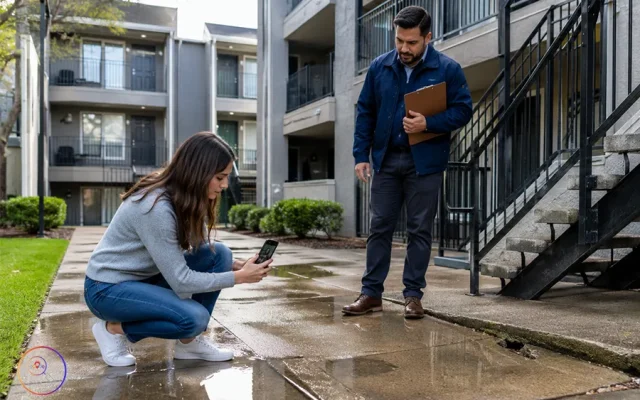
Management responsiveness, maintenance quality, guest policies, and overall building atmosphere all contribute to whether residents feel comfortable long term.
Many people underestimate how much community dynamics affect daily stress levels until after moving into a building where expectations around noise, cleanliness, or shared spaces differ significantly from their preferences.
The Best Downtown Apartments Support Everyday Life
The apartments people enjoy most long term are usually not simply the ones with the most dramatic views or trendiest interiors. More often, they are the spaces that support daily routines comfortably and consistently.
Natural light, manageable noise levels, walkability, functional layouts, reliable management, and neighborhood compatibility often matter more over time than initial visual impressions alone.
Downtown living can feel exciting, flexible, and highly rewarding when the apartment itself genuinely fits the realities of everyday life rather than only looking appealing during the search process.
Frequently Asked Questions (FAQs)
Focus on practical daily-life factors like noise levels, walkability, storage, natural light, and building management rather than appearance alone.
A downtown area can feel calm during the day but become noisy or crowded at night, especially near nightlife or busy streets.
Visit during peak evening hours, listen for traffic and neighboring sounds, and ask about window insulation and building construction quality.
Not always. Amenities only add real value if they fit your lifestyle and are used regularly.
Easy access to groceries, restaurants, transportation, and daily services can reduce stress and save significant commuting time.
Check closet size, kitchen cabinets, bathroom storage, and whether there is enough room for seasonal items or work equipment.
Responsive management can strongly affect maintenance quality, security, cleanliness, and overall long-term satisfaction.
They can if the layout is poorly designed or lacks functional storage, making the space feel cluttered quickly.
Good natural light often makes apartments feel larger, more comfortable, and more relaxing during long periods indoors.
Observe common areas, ask current residents about the atmosphere, and evaluate whether the building feels quiet, social, family-oriented, or short-term rental focused.