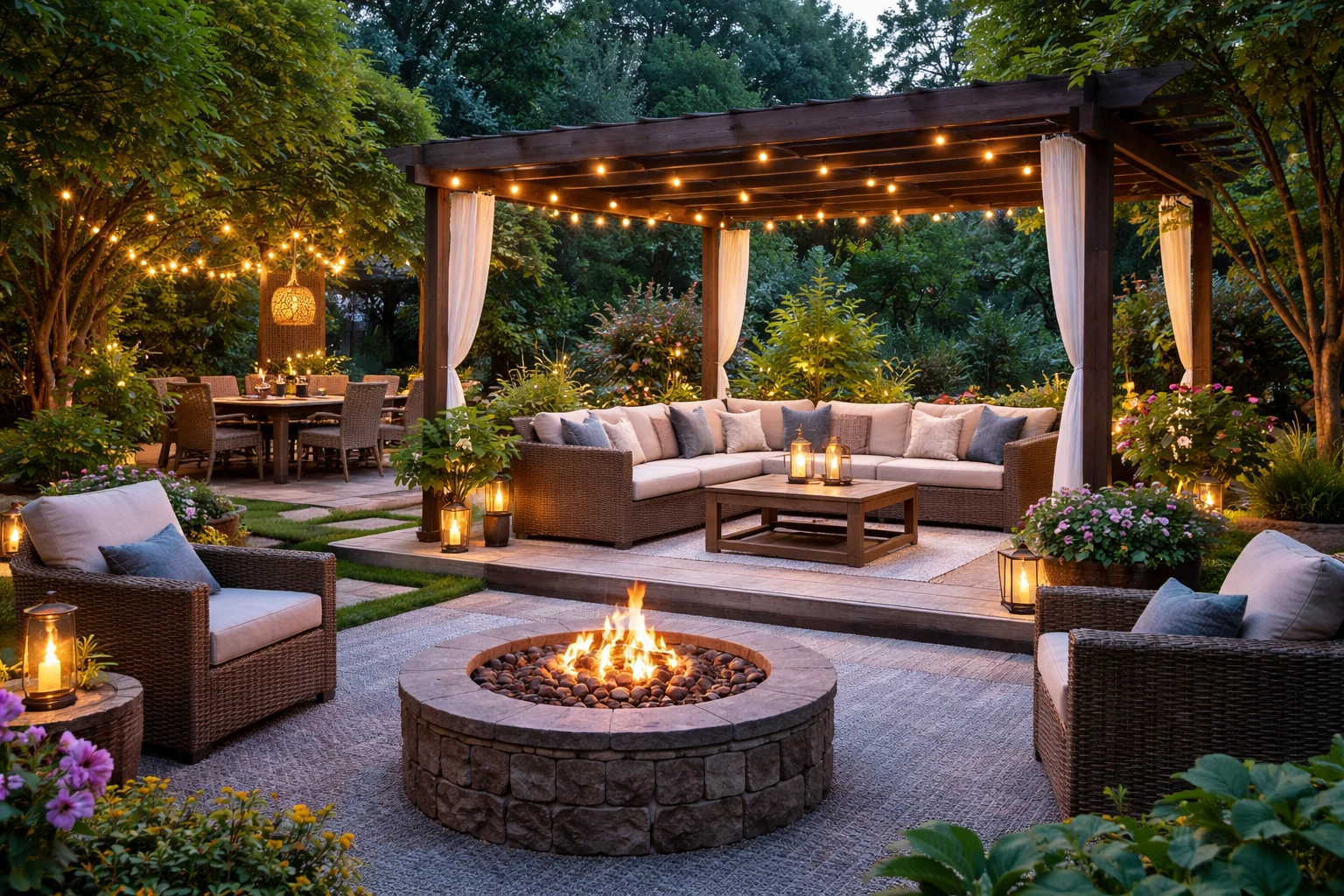
A well-designed outdoor living area extends the comfort of the home into the open air. With a few thoughtful choices, any patio, deck, or garden can become a welcoming retreat for family gatherings and social occasions.
Planning the Layout
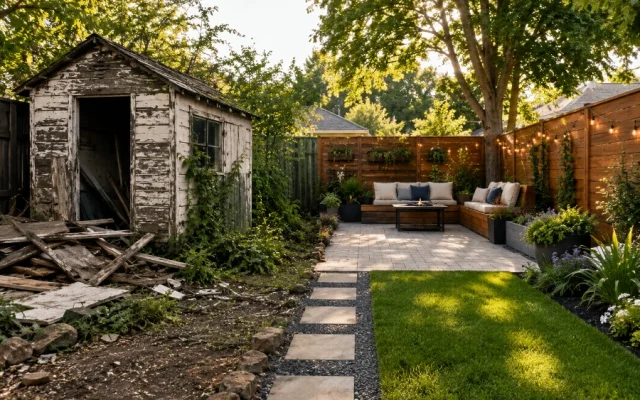
Before selecting furniture or decor, consider how the space will be used. Some households prioritize dining, while others focus on lounging or play. Zoning different areas helps maintain flow and functionality.
- Create defined spaces for dining, relaxation, and play.
- Ensure walkways are clear and furniture is arranged for easy conversation.
- Use natural boundaries such as planters or low walls to separate sections.
Position seating to take advantage of views, natural light, and shade. Thoughtful placement enhances comfort and encourages longer stays outdoors.
Adding Comfort Through Shade and Shelter
Sun and rain protection can turn a simple patio into an all-weather retreat. Options range from pergolas and umbrellas to retractable covers like motorized awnings. These allow flexible shade control and can be adjusted to suit changing conditions.
Proper shade solutions also help manage temperature and protect outdoor furniture from fading. Soft lighting integrated into structures provides evening ambiance without overpowering the natural setting.
Choosing Durable and Inviting Furnishings
Outdoor furniture should balance durability with comfort. Materials like treated wood, aluminum, and weather-resistant fabrics hold up well against the elements. Cushions and textiles in neutral tones or soft patterns create a relaxed, balanced atmosphere.
- Select furniture that complements the scale of the space.
- Incorporate a mix of seating styles, such as lounges, benches, and chairs.
- Use weatherproof storage to keep cushions and accessories protected.
Layering textures through rugs, throws, and accent pillows adds warmth and visual interest, making the area feel as cozy as an indoor living room.
Enhancing Ambiance with Lighting and Greenery
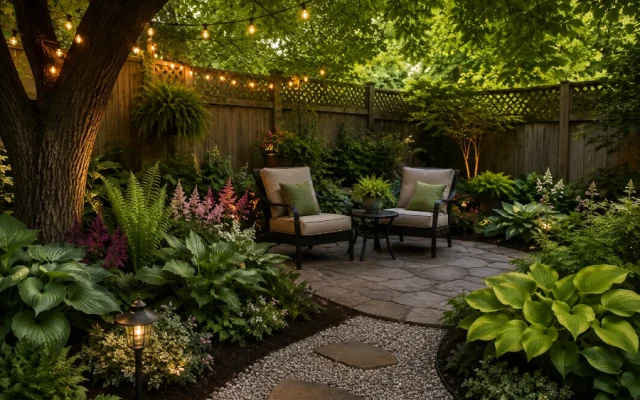
Lighting transforms outdoor areas after sunset. Soft, indirect illumination works best for relaxation, while brighter lights near dining or cooking zones improve visibility. Solar or low-voltage fixtures are practical and energy-efficient choices.
Plants contribute both beauty and privacy. Combining shrubs, potted trees, and flowering plants creates a natural border that defines the space. Fragrant herbs or blooms add a sensory dimension that enhances the overall experience.
Designing for All Seasons
A truly relaxing outdoor living area adapts to seasonal changes. In cooler months, portable heaters and fire pits extend usability. During warmer periods, shade sails and fans help maintain comfort. Motorized awnings are particularly useful for adjusting sun exposure throughout the year.
Weather-resistant fabrics and modular furniture make rearranging easy as needs shift. Regular cleaning and maintenance ensure the space stays inviting across seasons.
Creating an Atmosphere of Connection
A well-planned outdoor area fosters connection among family and friends. Whether it’s a quiet morning coffee spot or a lively evening gathering place, thoughtful design encourages interaction and relaxation. Attention to comfort, shade, and ambiance ensures everyone feels welcome and at ease.
Frequently Asked Questions (FAQs)
An outdoor living area is a space such as a patio, deck, or garden designed for relaxing, dining, and socializing outside while enjoying many of the comforts found indoors.
Add comfortable seating, weather-resistant cushions, shade structures, and soft lighting to create a cozy environment that encourages people to stay and relax.
A thoughtful layout helps create functional zones for dining, lounging, and movement, making the space more organized and enjoyable for guests.
Durable materials like treated wood, aluminum, and weather-resistant fabrics perform well outdoors because they can handle sun, rain, and changing temperatures.
Shade structures such as umbrellas, pergolas, or motorized awnings protect people from harsh sunlight and help keep the area cooler during warm weather.
Soft, indirect lighting such as solar lamps, string lights, or low-voltage fixtures creates a relaxing atmosphere while still providing enough visibility at night.
Plants add color, fragrance, and natural privacy, helping define the space while making the environment feel more peaceful and inviting.
Yes, features like fire pits, patio heaters, blankets, and wind barriers can make outdoor areas comfortable even when temperatures drop.
Using covers, storing cushions in weatherproof containers, and choosing durable materials can help extend the life of outdoor furnishings.
A mix of comfortable seating, good lighting, shade, and thoughtful layout encourages conversation and creates a welcoming environment for gatherings.