
Modern apartment buildings rise rapidly in cities and growing communities, but behind each finished structure lies a significant amount of planning, coordination, and heavy lifting. From steel beams and concrete panels to rooftop HVAC units and large glass windows, many components used in apartment construction are too heavy or unwieldy to be moved manually. This is where professional rigging and heavy lifting equipment become crucial.
Rigging is essential for safely lifting, positioning, and installing the large structural components that enable apartment buildings. Without proper lifting techniques and specialized equipment, modern apartment construction would be slower, less efficient, and far more dangerous.
Moving the Materials That Build Apartment Communities
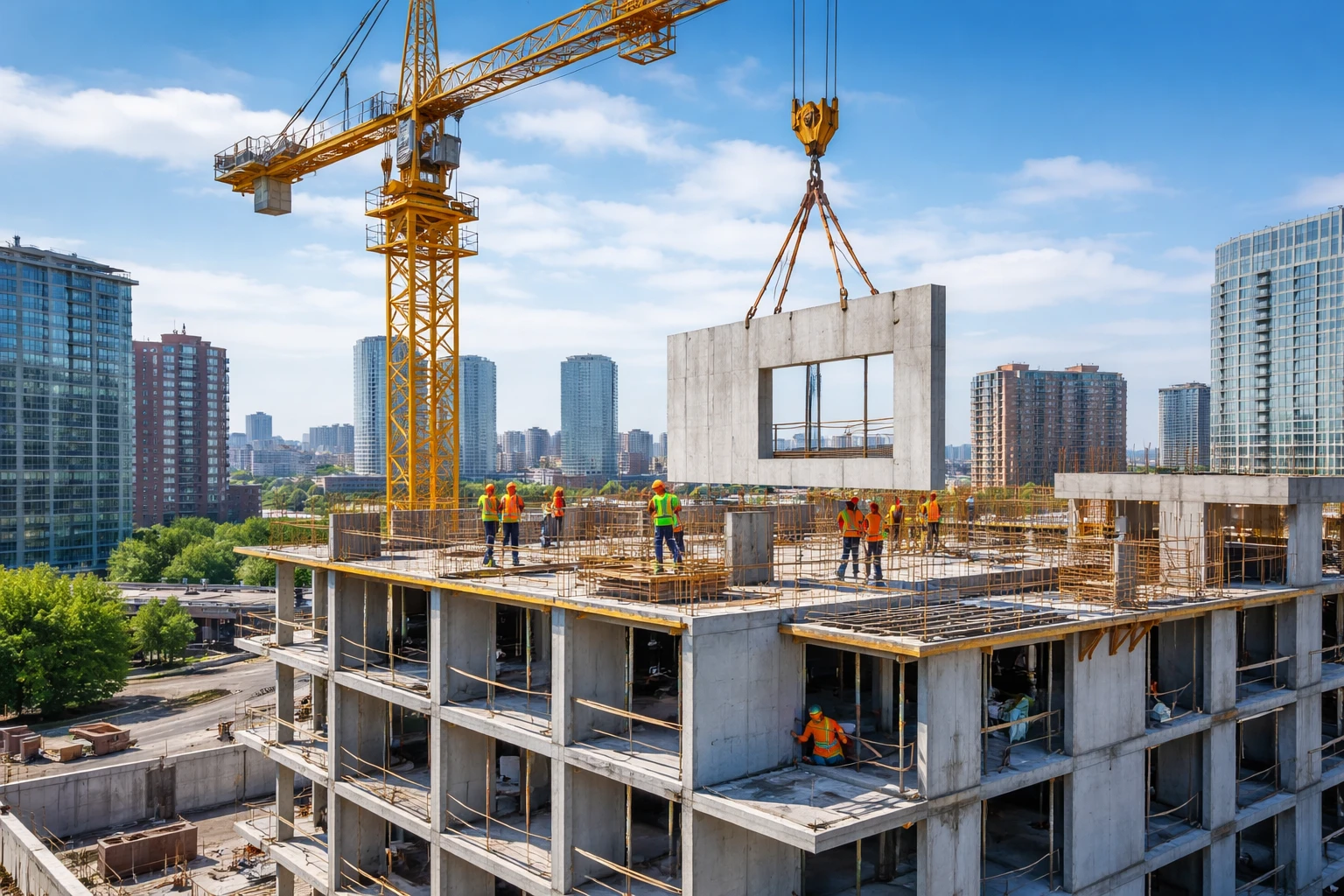
Apartment construction involves moving heavy materials from the ground to upper floors or across busy sites. Structural steel beams, prefabricated concrete panels, large stair assemblies, and mechanical equipment often weigh thousands of pounds. These materials need to be lifted with precision and placed exactly where they belong in the building structure.
Cranes are often the most visible lifting machines on an apartment construction site, but cranes alone cannot do the job safely. Rigging equipment connects the load to the crane and makes sure it stays balanced, secure, and controlled during lifting.
For example, lifting slings are commonly used to secure heavy materials before beginning a lift. Wire rope slings and synthetic slings are frequently chosen based on the load type. Wire rope slings provide durability and strength for lifting steel components, while synthetic slings can help protect finished materials such as architectural panels or glass assemblies from damage during installation.
Precision Placement of Structural Components
Apartment buildings depend heavily on prefabricated structural parts that need precise placement during construction. Steel columns, floor decking, and precast concrete elements must align perfectly to maintain the building’s structural integrity.
Rigging tools like shackles and master links is vital in lifting setups. Shackles serve as secure connection points between slings, hooks, and lifting attachments. Bow shackles are often used when connecting multiple sling legs to a single lifting point, enabling even load distribution.
Master links and sub-assemblies help connect multiple slings to crane hooks when lifting large structural components. These setups enable rigging crews to keep loads balanced while positioning beams or panels exactly where construction crews need them.
Without this level of control, safely placing heavy structural elements would be very difficult, especially on multi-story apartment buildings where precision is important.
Installing Heavy Building Systems
Apartment construction involves much more than just building the structure. It also requires installing large mechanical systems throughout the project. Rooftop HVAC units, backup generators, water tanks, and elevator parts often need heavy lifting equipment to be moved into place.
Many of these installations happen after most of the building is already built, which limits access points. Rigging professionals often depend on crane lifting beams, lifting beams, or spreader bars to safely lift bulky equipment without harming nearby structures.
Crane lifting beams are particularly useful when handling loads that need multiple pick points or extra stability during lifting. By attaching several slings to a single engineered beam, the load stays balanced and easier to control while the crane operator positions it on rooftops or mechanical platforms.
Spreader bars spread weight across multiple sling legs, preventing too much pressure on the equipment being lifted. This is especially important when installing large mechanical units with sensitive housings or uneven weight distribution.
By maintaining proper load balance, spreader bars and crane lifting beams help ensure that equipment arrives safely on rooftops or mechanical platforms where it will stay for decades.
Working in Tight Urban Construction Sites
Many apartment buildings are built in crowded urban areas where space for job sites is limited. Contractors might have only a small area available for staging materials, operating cranes, and coordinating workers.
Rigging solutions assist construction crews in safely lifting materials over existing structures, sidewalks, and narrow streets. In these settings, precise control is essential. Loads often need to be lifted vertically and then carefully guided into position with minimal swing.
Rigging crews often use tag lines to guide loads during lifting operations. These lines enable workers to control the load’s orientation from the ground while the crane operator manages the lift. When used with properly chosen slings, shackles, master links, and lifting attachments, this method helps lower risk in crowded job sites.
Urban apartment construction often depends on modular or prefabricated building sections. Entire wall assemblies or bathroom pods can be lifted into place as single units. Rigging equipment enables these large components to be hoisted and installed safely and efficiently.
Safety Is the Foundation of Every Lift
Apartment construction projects involve constant lifting operations, so safety must always be the top priority. Every lift requires careful planning, proper equipment selection, and trained personnel.
Rigging professionals must evaluate several key factors before starting a lift, including load weight, center of gravity, lifting points, and environmental conditions. Using the incorrect sling configuration or improperly rated hardware could cause hazardous situations on the job site.
High-quality rigging hardware, such as alloy shackles, properly rated lifting slings, engineered lifting beams, and crane lifting beams, helps ensure loads stay secure during lifting. These tools are built to perform reliably in demanding construction environments.
Along with using proper equipment, regular inspections and correct load ratings help construction teams ensure safe lifting operations from start to finish.
Building the Apartments of Tomorrow
The next time you see a new apartment building going up in your city, it’s helpful to remember the complex lifting operations that make these projects possible. Every beam placed, every rooftop system installed, and every prefabricated wall panel positioned depends on careful coordination between cranes, rigging equipment, and skilled construction workers.
Rigging might not always be visible after a project is finished, but it plays a crucial role in transforming architectural plans into actual buildings. By safely lifting and positioning large components used in construction, modern rigging equipment enables developers to build apartment communities faster, safer, and more efficiently than ever before.
As apartment construction advances with new materials and modular building methods, the need for professional rigging and heavy lifting will only increase. Essential tools like lifting slings, shackles, spreader bars, and crane lifting beams continue to be vital for constructing the modern apartment communities where people live, work, and thrive.
Helpful Finds for Landlords and Investors
Owning or managing rental property is a business. These are the tools that pay for themselves:
- The Book on Managing Rental Properties – the standard guide for small landlords.
- Keypad Deadbolt – rekey between tenants in seconds.
- Smoke & CO Detector (2-Pack) – code compliance made simple.
- Property Inspection Checklist Pad – document move-in and move-out condition.
Rise Apartments is a participant in the Amazon Services LLC Associates Program. As an Amazon Associate we earn from qualifying purchases made through the links above, at no extra cost to you.
Frequently Asked Questions (FAQs)
Rigging refers to the equipment and techniques used to safely lift, move, and position heavy construction materials. It connects loads to cranes or lifting devices so large components can be installed accurately.
Many construction materials such as steel beams, precast concrete panels, and HVAC systems weigh thousands of pounds. Heavy lifting equipment allows these materials to be moved safely and positioned with precision.
Common rigging equipment includes lifting slings, shackles, master links, spreader bars, lifting beams, and tag lines. These tools work together to stabilize and control heavy loads during lifting operations.
Lifting slings secure materials to cranes and distribute the weight evenly during a lift. Different sling types, such as wire rope or synthetic slings, are chosen based on the load and material being lifted.
Shackles act as connection points between slings, hooks, and other lifting hardware. They help create secure lifting configurations that maintain balance and stability.
A lifting beam supports a load from a single central lifting point, while a spreader bar distributes the load across multiple pick points. Both help control weight distribution and protect equipment during lifts.
Rigging crews often use tag lines attached to the load to guide and stabilize it. This helps control the load’s movement and orientation while the crane operator performs the lift.