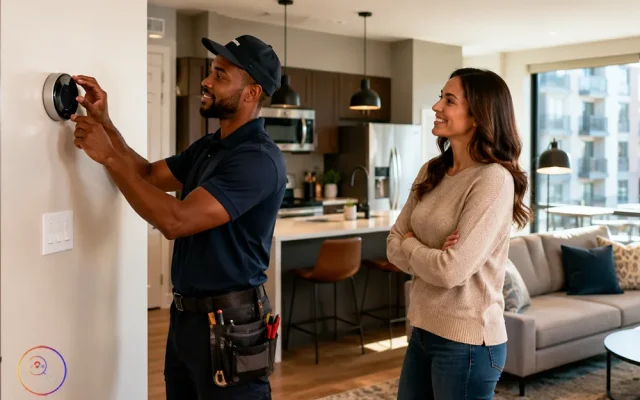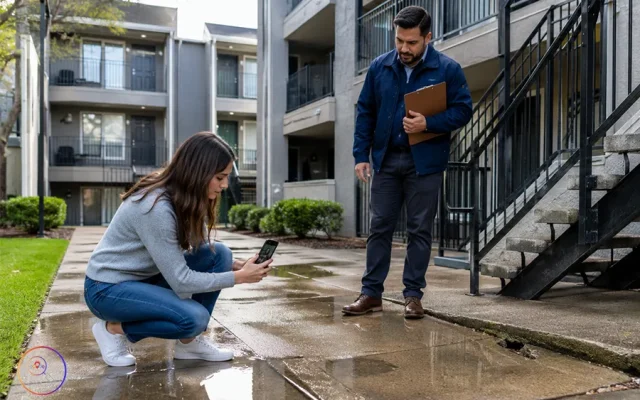


Moving to a new apartment in Houston can be overwhelming, with many hidden tasks and costs to manage. This essential checklist breaks down the seven crucial steps every renter should take before move-in day, from forwarding mail to setting up utilities.
Why a Pre-Move Checklist Matters
Moving to a new apartment requires significant financial planning, especially given the rising costs of urban living in Texas. Renters facing the pressures of a highly competitive market must approach their transition with a rigorous methodology. Applying a strict framework to the move-in process helps tenants protect their money from hidden fees and unexpected utility hikes. A comprehensive evaluation of both the physical property and the operational contracts prevents long-term budgetary strain.
Beyond standard aesthetic checks, prospective tenants must audit structural integrity and local regulatory compliance. Local officials in Houston have been debating a proposed apartment inspection ordinance for over five years, which aims to target chronic health and safety violations at multifamily properties. This legislative push highlights the critical need for independent renter verification before signing any binding lease agreements. A proactive approach helps renters avoid complexes with documented histories of raw sewage leaks or neglected maintenance. Analyzing historical complaints and utility market trends transitions the renter from a passive consumer to an informed market participant. Due diligence ultimately creates a stable, predictable living environment free from sudden administrative or infrastructural disruptions.
Utility costs represent the most significant variable expense for new renters establishing a household budget. Recent data from the local housing market indicates average electricity rates in Houston hit 16.17 cents per kilowatt-hour (kWh) in March 2026. Securing an affordable energy plan is a primary defense against volatile monthly costs. Analysts project residential electricity rates in Texas will climb to between 14 and 19 cents per kWh throughout 2026. Tenants must cross-reference historical pricing data with their specific household usage to secure the most favorable terms. Locking in a fixed-rate contract before move-in day eliminates the risk of defaulting to expensive month-to-month variable pricing.
Your 7-Step Renter’s Checklist
1. Check Municipal Ordinance Compliance
Houston leaders continue to push for stricter oversight frameworks to categorize chronic offenders under a “high-risk rental buildings” registry. A recent proposal targeted the 20 worst-ranked apartment properties citywide, establishing mandatory inspections and potential fines of up to $2,500 per day. Tenants must audit a property’s violation history using municipal reporting tools to ensure the complex is not facing ongoing penalties. Investigating historical 311 complaints regarding specific apartment communities provides a clear picture of management’s responsiveness to critical maintenance issues. Ensuring the property holds a valid certificate of occupancy protects renters from unexpected forced relocations due to sudden code enforcement actions. Renters should also attend community meetings or consult local legal aid resources to understand their rights regarding uninhabitable living conditions.
2. Assess Environmental Safety
Conducting a thorough environmental check of the physical unit prevents exposure to severe health hazards. Residents at specific Northeast Houston complexes recently organized press conferences to protest unsafe conditions, including mold and active rodent infestations. The Houston Health Department mandates that licensed pest control providers must monitor and mitigate any confirmed rodent or insect infestations within multifamily properties. Verifying that the property management complies with these sanitation regulations ensures the unit remains safe for long-term human habitation. Prospective tenants must inspect baseboards, under-sink cabinets, and HVAC vents for any signs of previous water intrusion or mold. Identifying environmental risks before taking possession allows renters to demand immediate remediation or terminate the application process entirely.
3. Inspect Infrastructure Integrity
Verifying a property’s infrastructural resilience serves as a primary defense against catastrophic weather events and prolonged utility failures. The devastating impacts of the 2021 winter freeze continue to influence how prospective tenants evaluate pipe insulation, window seals, and HVAC system ages. Recent reports of active water main breaks in local neighborhoods further highlight the fragility of aging residential plumbing systems across the metropolitan area. A visual audit of these critical components acts as a leading indicator of a property manager’s overarching capital expenditure strategy. Renters should actively test water pressure, inspect electrical panels, and check for drafty seals during their initial physical walkthrough. Documenting infrastructural deficiencies before signing the lease provides crucial negotiating power during final contract discussions.
4. Audit Your Lease for Hidden Fees
A meticulous financial audit of the proposed lease agreement identifies extra charges that inflate the rent. Recent scrutiny of affordable housing entities revealed instances of opaque maintenance fees and unexpected administrative deductions impacting true housing costs. Renters across the country are pushing back against these hidden costs; a recent survey launched in Seattle targeted junk fees, application charges, and irregular utility billing systems. Calculating the total cost of occupancy requires identifying all mandatory surcharges, including valet trash, pest control assessments, and common area maintenance. Tenants maintain the right to request detailed breakdowns of how rent payments are allocated. Finalizing a commitment without a comprehensive understanding of these hidden economic variables frequently leads to severe budget overruns.
5. Verify Essential Services Are Working
Texas property code dictates strict legal responsibilities regarding a landlord’s obligation to provide uninterrupted access to essential public utilities. Recent legal disputes in West Houston left tenants without hot water for weeks, highlighting the severe consequences of deferred maintenance. Renters should test all plumbing fixtures and water heaters during the initial walkthrough to establish a baseline of functionality on day one. If an essential service fails, tenants must notify the landlord in writing to legally compel repairs. Documenting the operational status of all utilities protects the renter from false damage claims upon eventual move-out. Understanding the specific legal mechanisms for enforcing essential service delivery guarantees a higher standard of living throughout the lease duration.
6. Choose an Electricity Provider
Because Houston operates within a deregulated energy market, you have the power to choose your own Retail Electric Provider (REP). Instead of being stuck with a single utility, you can shop around for the best Houston electricity rates, terms, and energy sources to fit your budget.
To navigate the hundreds of available plans, use these specialized tools and providers to secure a rate before your move-in date:
- Compare Transparent Plans: Look for providers like Rhythm Energy, known for 100% renewable plans and a “30-Day Test Drive” to ensure you aren’t locked into a plan that doesn’t work for you. Other providers leverage AI-driven pricing to offer highly competitive rates (often as low as 8.8 cents per kWh) without requiring you to install solar panels.
- Use Comparison Marketplaces: Platforms like Choose Energy, Gatby, and TexasElectricityRatings.com act as your digital shopping assistants. They aggregate data from over 1,800 active plans, filtering out deceptive introductory rates and “teaser” prices.
- Check the “Safe-Rate” Score: Before signing a contract, look for a provider’s Safe-Rate™ Score. This metric measures price predictability and billing volatility on a scale of 1-10, helping you avoid “bill shock” during Houston’s high-heat summer months.
- Manage Your Moving Budget: Many providers will reimburse your previous supplier’s early termination fees or offer flexible deposit options. Establish your service at least 72 hours before your lease starts to ensure the lights are on the moment you walk through the door.
7. Finalize Move-In Logistics
The final phase of the move-in process involves finalizing the physical and administrative details of the new residential unit. Law enforcement officials have noted a recent uptick in break-ins at storage units and residential complexes, emphasizing the need for robust access controls. Renters must verify the operational status of all deadbolts, exterior lighting, and perimeter security gates before moving valuable personal property. Simultaneously, tenants must systematically execute USPS mail forwarding, update financial institution records, and transfer their liability insurance policies. Completing these administrative tasks prevents critical lapses in liability coverage and eliminates the friction associated with delayed address changes. Consolidating these logistical details ensures the tenant transitions smoothly into their new environment.
The Payoff: A Secure and Predictable Move
Executing this comprehensive checklist helps shift the power dynamic between the prospective tenant and the property management company. Renters who aggressively audit lease economics and verify physical infrastructure establish a strong defensive posture against hidden operational costs. Proactively choosing the right utility contracts through data-driven aggregation platforms yields long-term financial benefits for the household. Local city councils’ delays in enforcing apartment inspection ordinances place the burden of property verification squarely on the individual consumer. By applying rigorous due diligence, tenants secure a stable, predictable living environment while mitigating the inherent risks of the modern rental market. This structured approach guarantees that move-in day marks the beginning of a secure and financially sound residential experience.
The content provided in this article is for informational purposes only and does not constitute financial, investment, or legal advice. The views expressed are the author’s own and do not necessarily reflect the official policy or position of this publication. Before making financial decisions, readers should obtain guidance from a qualified professional. Past results should not be interpreted as an assurance of future performance.
Frequently Asked Questions (FAQs)
A checklist helps renters avoid hidden costs, identify safety issues, and ensure all utilities and services are ready before move-in day.
Renters can review city records, search Houston 311 complaint histories, or check municipal databases for past property violations.
Look for signs of mold, pest infestations, water damage, or poor ventilation around baseboards, cabinets, and HVAC vents.
Checking plumbing, electrical panels, HVAC systems, and window seals helps identify maintenance issues that could cause costly problems later.
Common extra charges include valet trash fees, administrative fees, pest control charges, and shared utility costs.
Yes, Texas property law requires landlords to maintain essential services such as water, heating, and electricity.
Selecting a provider in advance prevents default utility rates, which are often higher than fixed-rate energy plans.
They can use comparison platforms that analyze provider rates, contract terms, and customer reviews to find the most affordable plan.
Important tasks include forwarding mail, updating addresses with banks, transferring renter’s insurance, and confirming security features at the property.
Planning ahead reduces financial surprises, prevents safety issues, and ensures a smoother transition into a new apartment.