
Moving to Houston often feels less like moving to a new city and more like moving to a small country. With over 600 square miles of territory, the way you experience the city depends entirely on which “circle” you choose to call home. Local residents define their lives by the major highway loops that ring the city. Specifically, people talk about being “Inside the Loop” or “Outside the Loop.” Understanding this geographic divide is the most important piece of research you can do before you start looking at floor plans.
Understanding the Houston Circle System
The primary divider in Houston is Interstate 610, better known as the 610 Loop. This highway creates a roughly circular boundary around the city’s historic and financial core. If you live inside this circle, you are “Inner Loop.” If you live anywhere beyond it, you are “Outer Loop.”
While 610 is the most famous boundary, it isn’t the only one. Further out, you will find Beltway 8, which is a much larger circle often called the Sam Houston Tollway. Even further out is the Grand Parkway, or Highway 99, which connects the distant suburbs. Your daily life, from your commute to your weekend grocery run, will be dictated by which of these rings you settle into.
Security and Privacy in Gated Communities
One of the biggest misconceptions for people moving from out of state is that privacy and restricted access are only available in the suburbs. Many renters assume they have to choose between a trendy urban lifestyle and a secure environment. However, the reality is that you can find high-quality gated communities in Houston regardless of whether you are in the heart of Midtown or out in the quiet streets of Cypress.
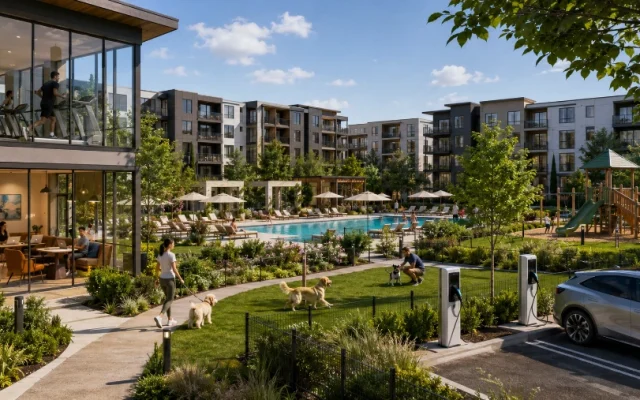
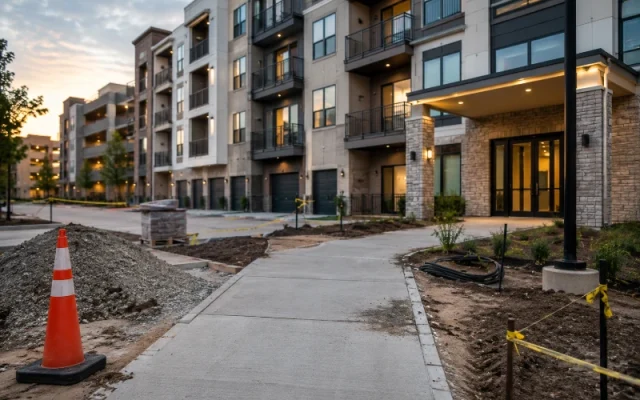
In the Inner Loop, gated options often take the form of luxury apartment complexes or boutique mid-rise buildings. These properties use controlled-access gates for parking garages and pedestrian entrances, giving residents a sense of seclusion even when they are steps away from a busy light rail station or a popular bar. As you move toward the Outer Loop and the suburbs, gated communities tend to be more expansive. These often feature “manned gates” where a security guard greets visitors, providing an extra layer of screening for large residential neighborhoods. Researching the specific type of gate system—whether it is a simple key fob entry or a 24-hour guarded station—is a vital step in finding a home that fits your personal comfort level.
Life Inside the 610 Loop
If you crave a fast-paced environment where your favorite coffee shop and office are only a few blocks away, the Inner Loop is likely your destination. This area is home to the city’s most iconic neighborhoods like Montrose, the Heights, and Downtown.
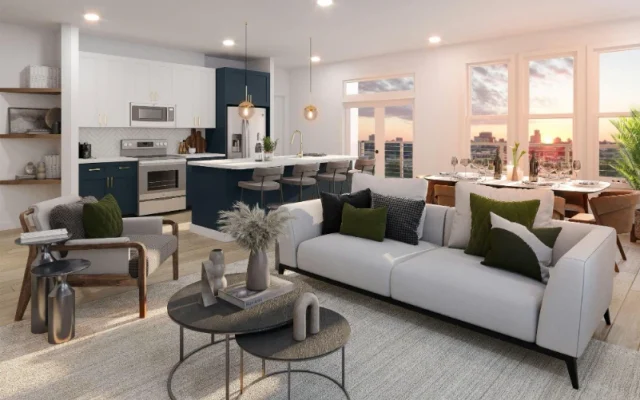
Living here means you are close to the Museum District, the Medical Center, and the professional sports stadiums. The trade-off for this convenience is usually price and space. Apartments inside the loop are often smaller and more expensive per square foot than those further out. You are paying for the “walk score” and the ability to avoid the infamous Houston freeway traffic during your morning commute. This area is perfect for those who want a high-rise view or a modern loft in a converted industrial building.
The Appeal of the Outer Loop
Once you cross over the 610 boundary, the city starts to open up. The Outer Loop offers a different version of the Texas lifestyle. Neighborhoods like the Energy Corridor, Memorial City, and Westchase provide a middle ground between the dense urban center and the far-flung suburbs.
The Outer Loop is generally where you go to get more “bang for your buck.” You will find larger apartment layouts, more green space, and often better parking options, such as attached garages. This region is popular with families and professionals who work for the major energy companies headquartered along I-10. While you will definitely need a car to get around, the proximity to massive parks like Terry Hershey Park offers a level of outdoor access that is harder to find in the concrete-heavy city center.
Critical Factors to Research
Before you sign a lease, you must look at the “Houston X-Factors.” First is the commute. A distance that looks like five miles on a map can take forty minutes during rush hour if you have to cross a major interchange. Use a mapping tool to check travel times at 8:00 AM and 5:00 PM before committing to a location.
Second, consider your lifestyle needs. If you enjoy quiet nights and big-box shopping convenience, the Outer Loop wins. If you want to be able to walk to a different restaurant every night of the week, stay inside the 610 Loop.
Finding the right balance between these two worlds can be overwhelming. If you want to skip the hours of manual searching, let a professional help you. Would you like me to connect you with a Rise Apartments locator who can find the best deals in these specific Houston neighborhoods today?
Frequently Asked Questions (FAQs)
“Inside the Loop” refers to neighborhoods located within Interstate 610, placing residents close to Houston’s downtown core, cultural districts, and major employment centers.
The Outer Loop includes neighborhoods outside the 610 Loop and often stretches toward areas near Beltway 8 and the Grand Parkway, including suburban communities.
Yes, housing inside the 610 Loop generally costs more per square foot because of its proximity to downtown, entertainment districts, and major job hubs.
Many Inner Loop residents still own cars, but the area offers better walkability, public transit access, and shorter commutes compared to outer areas.
Outer Loop living typically offers larger apartments, more green space, easier parking, and family-friendly neighborhoods at lower housing costs.
Yes, Houston offers gated apartment complexes and residential communities in both Inner Loop urban areas and Outer Loop suburban neighborhoods.
Inner Loop residents often enjoy shorter commutes to central job districts, while Outer Loop residents may face longer drives depending on traffic and freeway routes.
Well-known Inner Loop neighborhoods include Montrose, The Heights, Midtown, Downtown, and parts of the Museum District.
Inner Loop living tends to be more urban and walkable, while Outer Loop areas offer quieter environments with larger residential developments.
Compare commute times, budget, lifestyle preferences, and proximity to work or schools before choosing which Houston loop best fits your daily routine.