
Successful apartment communities depend on much more than attractive floor plans, modern amenities, and convenient locations. Behind every comfortable, well-managed residential property is a maintenance strategy that keeps buildings functional, protects residents, and prevents minor problems from becoming costly repairs.
Preventative maintenance in apartment communities is one of the most important factors in maintaining property value, controlling operating expenses, and providing a reliable living environment. From inspecting roofing systems to servicing HVAC equipment and maintaining exterior lighting, consistent upkeep affects nearly every part of apartment operations.
For property owners and managers, preventative maintenance is an investment in long-term performance. For residents, it often determines whether their everyday living experience is comfortable or frustrating.
Understanding how preventative maintenance works, what it should include, and why it matters can help apartment communities operate more efficiently while creating a better experience for everyone involved.
What Is Preventative Maintenance in Apartment Communities?
Preventative maintenance refers to scheduled inspections, servicing, repairs, and equipment adjustments designed to reduce the likelihood of unexpected failures.
Rather than waiting for something to break, property management teams regularly evaluate building systems and address signs of deterioration before those issues become serious.
For example, a maintenance technician might discover a small plumbing leak during a routine inspection. Repairing the leak immediately could prevent moisture damage, mold growth, and expensive repairs to surrounding materials.
The same principle applies to roofing, electrical systems, HVAC equipment, elevators, and exterior building components.
Preventative Maintenance vs. Reactive Maintenance
Although both approaches are necessary, they serve different purposes.
| Preventative Maintenance | Reactive Maintenance |
|---|---|
| Scheduled before equipment fails | Performed after a problem occurs |
| Focuses on preventing breakdowns | Focuses on restoring functionality |
| Generally easier to plan and budget | May involve unexpected expenses |
| Helps extend equipment lifespan | May follow significant deterioration |
| Reduces avoidable disruptions | Often requires urgent attention |
| Supports long-term property management | Addresses immediate operational needs |
Even well-maintained properties experience unexpected problems. However, communities that prioritize preventative care can reduce avoidable emergencies and improve their ability to respond when repairs are needed.
Resident Satisfaction Begins With Reliable Building Systems
Residents rarely think about the maintenance processes operating behind the scenes until something stops working.
A malfunctioning air conditioning system during summer, a plumbing backup, or an elevator that repeatedly breaks down can quickly affect someone’s opinion of their apartment community.
These problems may seem unrelated, but they share one important characteristic: many can be reduced through consistent inspection and servicing.
Reliable maintenance contributes to resident satisfaction in several ways.
- Comfort: Properly functioning HVAC, plumbing, and electrical systems support comfortable everyday living.
- Convenience: Fewer unexpected breakdowns mean fewer interruptions to residents’ routines.
- Confidence: Regular upkeep demonstrates that management takes property conditions seriously.
- Communication: Organized maintenance procedures make it easier to report problems and receive updates.
- Consistency: Well-maintained common areas provide a more predictable residential experience.
A resident may not notice when an HVAC filter is replaced on schedule. They will, however, appreciate an air conditioning system that operates reliably during periods of high demand.
Maintenance Responsiveness Builds Trust
Preventative care should work alongside an organized system for responding to resident requests.
When residents report a concern, management should acknowledge the issue, assess its urgency, and explain the next steps.
Even when repairs require additional time, transparent communication can prevent unnecessary frustration.
For communities working with apartment locating services or welcoming prospective renters, visible property conditions and resident experiences can also influence how the community is perceived.
Exterior Maintenance Creates Strong First Impressions
The exterior of an apartment property communicates a great deal about its management.
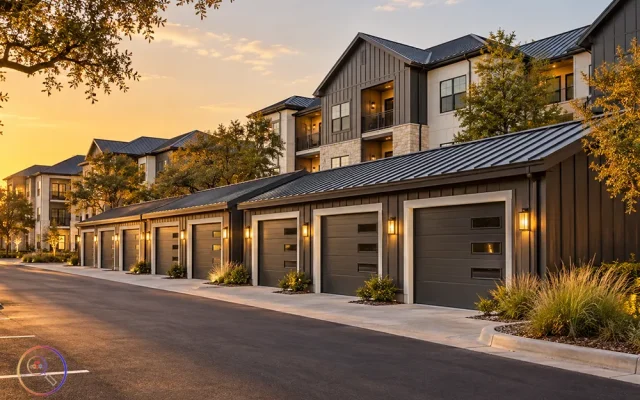
Prospective residents often notice the condition of parking lots, sidewalks, landscaping, building façades, and common entrances before they ever enter an apartment.
Neglected exterior maintenance can make an otherwise attractive community appear poorly managed.
Conversely, clean and functional outdoor spaces can create a more welcoming environment.
Important Exterior Maintenance Areas
| Property Component | Common Maintenance Tasks | Potential Consequences of Neglect |
|---|---|---|
| Roofing | Inspect flashing, drainage, and roof surfaces | Leaks and interior water damage |
| Parking areas | Repair potholes, cracks, and drainage problems | Vehicle damage and pedestrian hazards |
| Sidewalks | Inspect uneven surfaces and damaged concrete | Trip hazards and accessibility concerns |
| Exterior lighting | Replace failed fixtures and inspect wiring | Reduced visibility at night |
| Landscaping | Trim vegetation and maintain irrigation | Drainage issues and obstructed pathways |
| Building façades | Inspect siding, sealants, and exterior finishes | Moisture intrusion and deterioration |
| Gutters and drains | Remove debris and check water flow | Pooling water and foundation-related concerns |
Exterior upkeep requires coordination between onsite maintenance employees and specialized contractors.
Some property owners partner with companies providing commercial property maintenance to address building exteriors, roofing, drainage, and other specialized upkeep requirements.
Regardless of who performs the work, property managers should maintain clear inspection schedules, verify completed repairs, and address problems according to their urgency.
Preventative Maintenance Protects Long-Term Property Value
Apartment buildings are valuable assets that experience continual wear from weather exposure, daily use, and aging mechanical systems.
Without consistent upkeep, small maintenance issues can develop into larger problems that affect multiple parts of a building.
Consider a minor roof leak.
If identified during a scheduled inspection, the problem might require a relatively straightforward repair. If ignored, water intrusion could damage insulation, ceilings, drywall, electrical components, and apartment interiors.
The eventual restoration costs may be much greater than the original repair.
How Maintenance Supports Asset Preservation
Preventative maintenance helps protect property value by:
- Identifying deterioration before extensive damage occurs.
- Reducing unnecessary strain on mechanical equipment.
- Preserving the condition of apartment interiors.
- Protecting exterior surfaces from premature deterioration.
- Supporting accurate capital improvement planning.
- Maintaining attractive and functional shared amenities.
Property condition also influences how prospective renters evaluate available communities.
A well-maintained building can communicate stability and attention to detail, while repeated unresolved problems may raise questions about future living conditions.
For investors, documented maintenance practices provide useful information about operational discipline and anticipated future expenses.
However, preventative maintenance does not eliminate the need for major replacements. Roofs, HVAC systems, elevators, and other components eventually reach the end of their useful lives.
The goal is to manage that process more predictably rather than allowing avoidable deterioration to determine replacement timing.
Reducing Emergency Repairs and Controlling Operating Expenses
One of the strongest financial arguments for preventative maintenance is its potential to reduce avoidable emergency repairs.
Unexpected failures frequently involve more than the cost of replacing a damaged component.
Property managers may also face after-hours service charges, expedited materials, water restoration expenses, temporary service interruptions, or additional labor.
These expenses can complicate operating budgets.
Why Planned Maintenance Is Often More Economical
Scheduled maintenance provides several financial advantages.
Predictable labor costs: Regular inspections can be assigned during normal operating hours, reducing unnecessary emergency callouts.
Better purchasing decisions: Management teams have more time to obtain estimates, compare vendors, and schedule repairs.
Longer equipment service life: Proper servicing may reduce premature wear and improve equipment reliability.
Reduced secondary damage: Catching leaks, drainage problems, and other defects early can prevent damage to surrounding building materials.
More accurate financial planning: Maintenance records provide useful information when forecasting future repair and replacement expenses.
Example: A Plumbing Problem
Imagine a maintenance technician discovers a small leak beneath a bathroom sink during a routine inspection.
The issue may initially require a simple repair.
If the leak goes unnoticed for months, moisture could damage cabinetry, flooring, drywall, and adjacent building materials. A minor plumbing issue could become a substantial restoration project.
This example illustrates why preventative maintenance in apartment communities should focus on identifying problems early, rather than simply responding quickly after damage occurs.
A Practical Preventative Maintenance Schedule for Apartment Communities
Effective maintenance programs require organized schedules rather than relying entirely on staff memory.
Inspection frequency should reflect manufacturer recommendations, equipment age, building conditions, local requirements, and the property’s maintenance history.
The following table provides a general planning framework.
| Frequency | Recommended Activities |
|---|---|
| Daily | Check common-area cleanliness, obvious safety hazards, essential equipment alerts, and reported urgent issues |
| Weekly | Inspect common-area lighting, visible plumbing concerns, trash facilities, and frequently used amenities |
| Monthly | Review HVAC maintenance needs, drainage areas, exterior conditions, and outstanding maintenance requests |
| Quarterly | Evaluate mechanical equipment, inspect roofing where appropriate, review pest-control needs, and assess preventative work orders |
| Semiannually | Review seasonal HVAC servicing, building envelope conditions, landscaping systems, and major equipment performance |
| Annually | Assess property-wide conditions, update capital improvement plans, review vendor performance, and schedule required professional inspections |
This is an illustrative schedule, not a substitute for legally required inspections or manufacturer servicing instructions. Certain systems require more frequent checks, licensed professionals, or specific testing procedures.
Adjusting Maintenance Schedules to Seasonal Conditions
Seasonal weather patterns can influence maintenance priorities.
In warmer climates, HVAC performance and cooling efficiency may demand additional attention before peak summer temperatures.
In areas experiencing heavy rainfall, roofs, gutters, drainage systems, and exterior water management become particularly important.
Cold-weather communities may prioritize pipe freeze protection, heating equipment, and snow or ice management.
Properties should use their own maintenance records and environmental conditions to develop a schedule suited to their actual risks.
HVAC Maintenance Improves Comfort and Energy Efficiency
Heating, ventilation, and air conditioning systems are among the most important mechanical components in apartment buildings.
When HVAC equipment is poorly maintained, residents may experience inconsistent temperatures, reduced airflow, unusual noises, or unexpected breakdowns.
Regular servicing can help identify these concerns before they become more disruptive.
Common HVAC maintenance activities include:
- Replacing or cleaning filters according to equipment requirements.
- Inspecting condensate drains and drainage pans.
- Checking electrical connections and equipment controls.
- Cleaning accessible coils and components as appropriate.
- Evaluating airflow and system performance.
- Investigating unusual noises or declining cooling efficiency.
Well-maintained equipment may operate more efficiently than neglected systems, particularly when maintenance resolves restrictions or mechanical problems.
However, results vary depending on equipment condition, design, climate, and usage.
Property managers should also distinguish between basic maintenance tasks and work requiring qualified HVAC technicians.
Plumbing, Roofing, and Water Intrusion Prevention
Water damage is a major concern for apartment communities because one failure can sometimes affect several residences.
Leaks may develop around plumbing fixtures, supply lines, appliances, roofs, windows, and exterior building components.
In multifamily buildings, water can travel through shared walls, ceilings, and floors before the source becomes obvious.
Common Warning Signs
Management teams and residents should watch for:
- Unexplained water stains on ceilings or walls.
- Persistent dampness around plumbing fixtures.
- Unusual increases in water consumption.
- Musty odors or recurring moisture concerns.
- Peeling paint, bubbling finishes, or damaged drywall.
- Standing water near building foundations.
- Blocked roof drains or overflowing gutters.
Prompt investigation is essential because visible damage may represent only part of the underlying problem.
Why Drainage Deserves Special Attention
Drainage systems are sometimes overlooked until heavy rainfall exposes a problem.
Clogged gutters, obstructed drains, poor grading, or malfunctioning irrigation equipment may direct water toward areas that were not designed for prolonged moisture exposure.
Regular inspections help identify these conditions before they contribute to structural deterioration or interior damage.
Safety, Accessibility, and Regulatory Compliance
Preventative maintenance is also an important part of property safety and regulatory compliance.
Apartment communities must maintain various building systems in accordance with applicable laws, codes, and inspection requirements.
Specific obligations depend on factors such as building type, location, age, occupancy, and installed equipment.
Critical maintenance categories may include fire alarm systems, sprinkler systems, emergency lighting, exit routes, electrical infrastructure, elevators, and accessibility features.
Everyday Safety Considerations
Not every maintenance-related hazard involves specialized equipment.
Routine property inspections may reveal:
- Loose stair handrails.
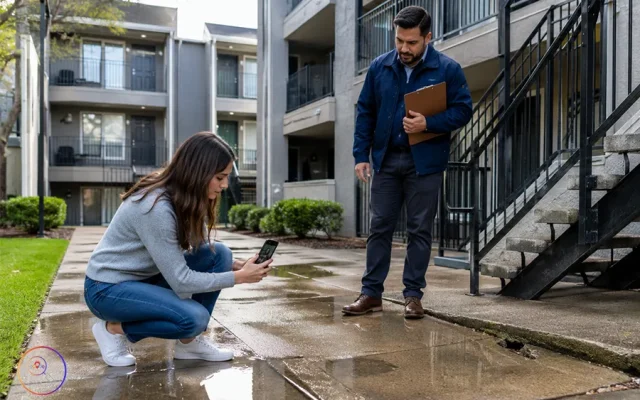
- Uneven walkways.
- Damaged steps or flooring.
- Burned-out exterior lights.
- Pool enclosure problems.
- Obstructed emergency exits.
- Missing or damaged safety signage.
Identifying and addressing these issues can reduce preventable hazards.
Preventative maintenance does not guarantee that accidents will never occur. Nevertheless, documented inspections and timely corrective action are important components of responsible property management.
Documentation Matters
Maintenance records should include inspection dates, observed conditions, work performed, responsible personnel, and follow-up requirements.
For safety-critical equipment, management should retain appropriate professional inspection and testing records.
These documents help establish accountability and support compliance reviews. They may also be relevant when investigating maintenance incidents or reviewing insurance claims.
Using Technology to Improve Maintenance Management
Digital property management tools can make preventative maintenance programs easier to organize.
Instead of tracking every inspection through paper forms or disconnected spreadsheets, many communities use maintenance management platforms to schedule recurring tasks and monitor completed work.
Useful capabilities include work-order tracking, automated scheduling, vendor assignments, maintenance histories, and reporting dashboards.
Important Maintenance Performance Indicators
| Metric | What It Measures | Why It Matters |
|---|---|---|
| Preventative maintenance completion rate | Percentage of scheduled tasks completed | Shows whether the maintenance plan is being followed |
| Average repair resolution time | Time required to close maintenance requests | Helps identify delays |
| Repeat repair frequency | How often the same issue returns | May reveal unresolved underlying problems |
| Emergency work-order volume | Number of urgent, unplanned repairs | Helps assess reliability and resource demands |
| Equipment downtime | Time building systems remain unavailable | Measures operational disruption |
| Maintenance cost per unit | Maintenance spending relative to apartment count | Supports budgeting and trend analysis |
Property managers should interpret these metrics together rather than relying on a single number.
For example, faster work-order closures are not necessarily beneficial if repairs are incomplete and residents must repeatedly report the same problem.
Residents Play an Important Role in Preventative Maintenance
Property management teams cannot observe every condition inside every occupied apartment.
Residents therefore play an important role in identifying potential maintenance concerns.
A small leak, a malfunctioning appliance, or an unusual electrical issue may first become noticeable to someone living in the unit.
Encouraging prompt reporting allows maintenance teams to investigate before conditions become more serious.
How Residents Can Support Property Maintenance
Residents can contribute by:
- Reporting leaks, unusual odors, and equipment problems promptly.
- Following community instructions for submitting maintenance requests.
- Avoiding disposal of grease and unsuitable materials through drains.
- Keeping ventilation openings unobstructed.
- Reporting malfunctioning smoke alarms or other safety concerns.
- Providing access for properly noticed inspections and repairs when required by the lease and applicable law.
Residents should not be expected to diagnose hazardous conditions or perform repairs requiring specialized training.
Their responsibility is generally to report concerns and follow appropriate community procedures.
Likewise, management should provide clear communication and reasonable follow-up once issues are reported.
How Preventative Maintenance Supports Resident Retention
Resident retention depends on several factors, including rental prices, location, lease terms, amenities, and overall satisfaction.
Maintenance quality is another important consideration.
Residents who experience repeated unresolved problems may be less inclined to renew their leases, even when other aspects of the property are appealing.
Consider two apartment communities with similar floor plans and amenities.
One consistently maintains common areas, responds to problems, and communicates repair schedules. The other experiences frequent equipment failures and delays in resolving maintenance concerns.
Over time, residents may develop very different impressions of the two properties.
Maintenance Quality Influences Reputation
Online apartment reviews frequently discuss experiences with repairs, cleanliness, and communication.
While individual reviews do not always represent the entire community, recurring complaints can indicate operational problems.
A reliable maintenance program can help reduce issues that lead to negative experiences and give residents greater confidence in their living environment.
This also matters when prospective renters are comparing communities in competitive rental markets.
Preventative Maintenance and Long-Term Financial Planning
Property owners need to balance routine operating expenses with future capital improvements.
These are related but distinct responsibilities.
Routine preventative maintenance helps preserve existing components, while capital planning prepares for major replacements and upgrades.
For example, servicing an apartment community’s HVAC equipment is generally an ongoing maintenance activity. Replacing aging systems throughout the property may require a larger capital investment.
Both should be considered when developing property budgets.
Building a Maintenance Budget
An effective budget should account for:
- Routine inspections and servicing: Recurring labor, materials, and equipment maintenance.
- Corrective repairs: Issues identified during inspections or reported by residents.
- Emergency reserves: Unexpected failures requiring immediate attention.
- Vendor and contractor costs: Specialized services not performed by onsite employees.
- Capital replacement planning: Major systems approaching the end of their useful lives.
Reviewing historical spending alongside equipment age and property conditions can help managers develop more realistic financial forecasts.
Organizations such as the Real Estate Management (IREM) provide professional resources related to property management, operational planning, and asset management.
Building a Strong Maintenance Culture
A maintenance program is only effective when the people responsible for implementing it understand their roles.
Successful apartment communities do not treat maintenance simply as a response to resident complaints.
Instead, they make preventative care part of everyday operations.
Five Ways to Strengthen a Maintenance Program
1. Create clear responsibilities. Assign tasks to qualified team members and ensure specialized work is handled by appropriate professionals.
2. Establish written inspection procedures. Standardized checklists reduce the likelihood that important building components will be overlooked.
3. Prioritize repairs by risk. Safety hazards, active leaks, and essential equipment failures should receive appropriate priority over cosmetic concerns.
4. Review recurring problems. Repeated repairs may indicate a larger underlying issue requiring investigation.
5. Evaluate performance regularly. Compare scheduled maintenance tasks, expenses, emergency repairs, and resident feedback to identify areas for improvement.
Management should also encourage communication between leasing personnel, maintenance employees, vendors, and residents.
When departments share information, recurring issues are easier to identify and address.
Common Preventative Maintenance Mistakes to Avoid
Even properties with dedicated maintenance teams can struggle when their systems are poorly organized.
Some common mistakes include:
- Skipping inspections during busy periods: A backlog of resident requests should not permanently displace important scheduled maintenance.
- Using incomplete records: Without documentation, recurring problems and missed inspections become harder to identify.
- Delaying minor repairs: Small defects may become more expensive when ignored.
- Failing to plan for equipment replacement: Regular servicing cannot indefinitely extend the life of aging systems.
- Overlooking resident feedback: Complaints about recurring odors, leaks, or equipment failures may reveal larger problems.
- Choosing contractors based only on price: Qualifications, scope, reliability, and applicable licensing requirements also matter.
Avoiding these mistakes requires consistent management oversight rather than simply increasing maintenance spending.
Maintenance as a Competitive Advantage
In competitive rental markets, apartment communities often emphasize amenities, finishes, and convenient locations.
However, the physical condition of a property can be just as important to the resident experience.
An impressive swimming pool offers limited value if it is frequently closed for repairs. A modern fitness center may disappoint residents if equipment is regularly unavailable. Attractive landscaping cannot fully compensate for persistent drainage or walkway problems.
Preventative maintenance helps communities deliver the everyday functionality their amenities are intended to provide.
It can also support more consistent property presentation during apartment tours.
Prospective residents notice whether common spaces are clean, fixtures are functional, and buildings appear well cared for.
Although maintenance alone cannot determine leasing performance, it contributes to the overall quality and reputation of a community.
The Foundation of Sustainable Apartment Living
Preventative maintenance in apartment communities is not merely a behind-the-scenes operational task. It is an essential part of responsible property management and long-term residential quality.
Consistent inspections, timely servicing, and organized repair procedures help reduce avoidable disruptions, protect physical assets, and support more predictable operating expenses.
Equally important, preventative maintenance demonstrates a commitment to the people who live in the community.
Residents depend on properly functioning systems, accessible common areas, and responsive management to make everyday living comfortable.
For property owners and managers, investing in preventative care supports the development of successful apartment communities that remain functional, attractive, and dependable over time.
Ultimately, the strongest maintenance programs are not defined by how many emergencies they resolve. They are defined by how effectively they prevent avoidable problems while responding responsibly to the issues that inevitably arise.
Frequently Asked Questions (FAQs)
1. What is preventative maintenance in apartment communities?
Preventative maintenance involves regularly inspecting, servicing, and repairing apartment building systems to reduce unexpected breakdowns and preserve equipment condition. It includes tasks such as HVAC servicing, roof inspections, plumbing checks, and exterior upkeep.
2. Why is preventative maintenance important for apartment residents?
Preventative maintenance helps maintain reliable utilities, comfortable living conditions, and functional shared amenities. It can also reduce disruptions caused by avoidable mechanical failures and building damage.
3. How does preventative maintenance reduce apartment operating costs?
Scheduled maintenance can identify minor problems before they require expensive emergency repairs. It also supports better budgeting, equipment efficiency, and long-term replacement planning.
4. What building systems require regular preventative maintenance?
Important systems include HVAC equipment, plumbing, electrical infrastructure, roofing, drainage, elevators, fire safety equipment, and exterior lighting. Maintenance requirements depend on the property’s design and applicable regulations.
5. How often should apartment buildings receive maintenance inspections?
Inspection frequency varies by system, equipment condition, manufacturer requirements, and local regulations. Many properties use a combination of daily, weekly, monthly, seasonal, and annual maintenance activities.
6. Does preventative maintenance increase apartment property value?
Consistent maintenance can help preserve physical condition, reduce avoidable deterioration, and support market appeal. Property value also depends on factors such as location, rental income, operating costs, and broader market conditions.
7. How does preventative maintenance improve resident retention?
Reliable building systems and responsive maintenance contribute to a more positive living experience. Residents may be more willing to renew when they feel their maintenance concerns are taken seriously.
8. Can preventative maintenance help apartment communities meet safety requirements?
Yes. Scheduled inspections, testing, professional servicing, and accurate documentation support compliance with applicable building and safety regulations. Required procedures vary by jurisdiction and equipment type.
9. What is the difference between preventative maintenance and emergency repairs?
Preventative maintenance is planned to reduce failures, while emergency repairs address problems requiring immediate attention. Both are necessary, but an effective preventative program can reduce some avoidable emergencies.
10. How can property managers improve their preventative maintenance programs?
Property managers can establish written inspection schedules, track work orders digitally, maintain detailed records, prioritize safety concerns, and regularly review maintenance performance. Resident communication and qualified vendor partnerships are also important.