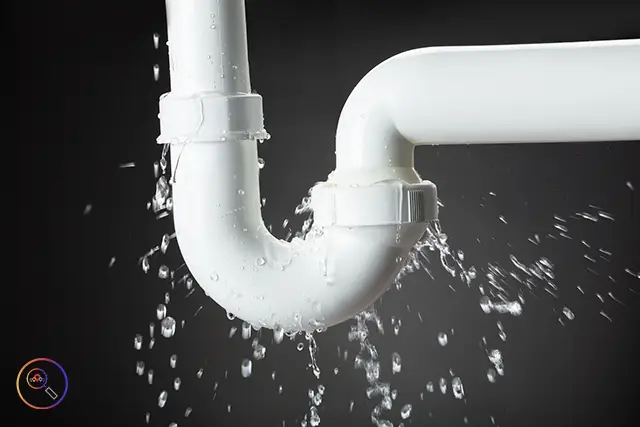

Water damage can happen quickly in an apartment. A pipe bursts behind the wall, a washing machine hose suddenly fails, or a storm damages the roof and rain enters your rental. Within minutes, furniture, electronics, clothing, and other belongings can be affected.
That raises an important question: Will renters insurance cover water damage?
In many situations, yes. Renters insurance commonly covers damage to your personal belongings when the water comes from a sudden and accidental covered event, such as a burst pipe or unexpected appliance leak. However, standard policies generally do not cover every type of water damage. Flooding, gradual leaks, poor maintenance, and certain sewer backups may be excluded.
The source of the water—and how the damage happened—usually matters more than the fact that water was involved.
Understanding the difference can help you know when renters insurance may apply, what your landlord is responsible for, and what steps to take if water damages your apartment.
Get A Coverage Now!
Starting from $5/mo.
What Does Renters Insurance Cover?
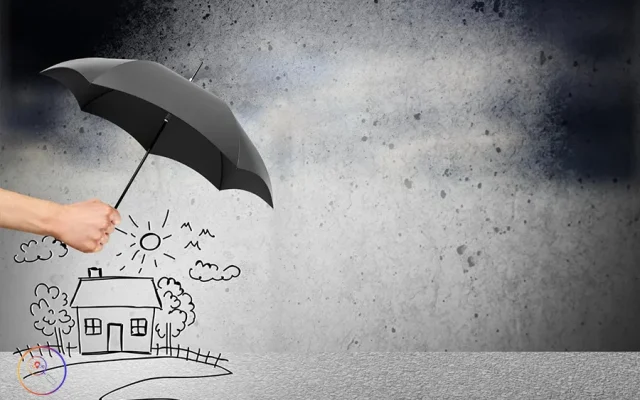
Renters insurance is primarily designed to protect the tenant rather than the physical apartment building.
A typical policy may provide three major forms of protection.
Personal Property Coverage
Personal property coverage helps protect belongings you own, including:
- Furniture
- Clothing
- Computers and electronics
- TVs
- Kitchen equipment
- Bedding
- Books
- Certain jewelry and valuables
- Other household possessions
If your belongings are damaged by a covered water event, your policy may help pay to repair or replace them, subject to your deductible, coverage limits, and policy terms.
Your landlord’s property insurance generally protects the building itself—not your personal possessions.
That distinction is one of the biggest reasons renters may want their own renters insurance.
Personal Liability Coverage
Liability coverage may apply when you are legally responsible for accidentally damaging someone else’s property or causing an injury.
For example, suppose a washing machine in your apartment overflows and water reaches the unit below yours. If you are considered responsible for the incident, the liability portion of your policy may help with covered damages.
Exactly when liability coverage applies depends on what happened and the terms of the policy.
Additional Living Expenses
Water damage can occasionally make an apartment temporarily uninhabitable.
If a covered loss forces you to leave your rental home while repairs are completed, additional living expenses—sometimes called loss-of-use coverage—may help with qualifying expenses.
Depending on the policy, this could include part of the cost of:
- Temporary housing
- Hotel stays
- Additional meal expenses
- Laundry
- Transportation
- Other necessary increases in normal living expenses
The important detail is that the event that made the apartment uninhabitable generally must itself be covered by the policy.
When Will Renters Insurance Cover Water Damage?
There is no universal answer because policies differ.
However, renters insurance is most likely to respond when water damage occurs because of a sudden, unexpected, and covered event.
Here are several common examples.
| Water Damage Scenario | Renters Insurance May Cover It? | What May Be Covered |
|---|---|---|
| Burst plumbing pipe | Often | Personal belongings and qualifying temporary living expenses |
| Sudden appliance leak | Often | Damaged personal property |
| Storm damages roof and rain enters | Possibly | Personal belongings damaged by resulting rain |
| Accidental toilet overflow | Possibly | Personal property and potentially liability |
| River or surface flooding | Usually not under standard renters insurance | Separate flood coverage may be needed |
| Long-term plumbing leak | Often excluded | Depends on cause and policy |
| Sewer backup | Often excluded unless endorsed | Coverage may require an add-on |
| Damage caused intentionally | Generally not | Typically excluded |
Always check the wording of your individual policy because deductibles, exclusions, limits, and definitions vary between insurers.
Burst Pipes
A burst pipe is one of the clearest examples of water damage that may be covered.
Imagine a pipe unexpectedly breaks inside the wall while you are away from your apartment. Water reaches your bedroom and damages a mattress, dresser, clothing, and computer.
The building owner would generally handle repairs to the building’s plumbing, drywall, flooring, and other property belonging to the landlord.
Your renters insurance may help cover your damaged belongings if the event qualifies under your policy.
If the apartment cannot safely be occupied while extensive repairs are underway, loss-of-use coverage may also apply.
Leaking or Overflowing Appliances
Appliances can create substantial water damage surprisingly quickly.
Potential sources include:
- Washing machines
- Dishwashers
- Refrigerators with water lines
- Water heaters
- Ice makers
Suppose a washing machine hose unexpectedly breaks while the machine is running and water damages your furniture and clothing.
Because the event was sudden and accidental, the damage to your belongings may be covered.
The situation can become more complicated when an appliance has been leaking slowly for weeks or when a tenant knowingly ignores an existing problem.
That distinction is important.
Rain Entering Through Storm Damage
Renters sometimes assume that all rainwater damage is considered flooding.
That is not necessarily the case.
Imagine a severe storm damages the roof of your apartment building. Rain then enters through the newly created opening and damages your furniture.
Depending on your policy and the circumstances, your personal property may be covered because the water entered as the result of a covered storm event.
This is different from surface water rising outside the property and entering the apartment, which is generally treated as flooding.
Toilet and Plumbing Overflows
An unexpected toilet overflow may also result in a covered claim in some circumstances.
Coverage can depend heavily on what caused the overflow.
A sudden plumbing malfunction is different from an ongoing problem that was ignored or damage resulting from deliberate or clearly negligent behavior.
When any plumbing problem occurs, notify your landlord or property manager promptly and document the problem.
Get A Coverage Now!
Starting from $5/mo.
When Won’t Renters Insurance Cover Water Damage?
Understanding exclusions is just as important as understanding coverage.
A renters insurance policy may provide meaningful protection, but it is not a blanket policy for every problem involving water.
Flood Damage
Standard renters insurance generally does not cover flooding caused by outside surface water.
Examples may include water entering your apartment because of:
- Overflowing rivers
- Flash floods
- Coastal storm surge
- Rising surface water
- Certain severe rain events that cause outside flooding
Renters who live in areas with meaningful flood exposure may want to investigate separate flood insurance.
That distinction can be confusing because two apartments can contain water damage after the same storm while the insurance treatment is completely different.
Rain entering through a storm-damaged roof may be treated differently from floodwater rising from the ground and entering through the door.
Gradual Leaks
Insurance is generally intended for unexpected losses rather than damage that develops slowly.
For example, imagine a small pipe under the kitchen sink has been dripping for several months. The cabinet eventually rots, mold develops, and nearby belongings are damaged.
A claim involving long-term seepage can be more difficult than one involving a pipe that suddenly bursts.
As soon as you notice:
- Dripping pipes
- Damp cabinets
- Water stains
- Bubbling paint
- Musty odors
- Wet flooring
- Unexplained moisture
report the issue to your landlord or property manager.
Prompt reporting can help limit the damage and create a record showing when the problem was discovered.
Sewer and Drain Backups
Sewer or drain backups are another common source of confusion.
Standard renters insurance may exclude certain types of water backup damage unless additional coverage has been purchased.
Some insurers offer optional water-backup or sewer-backup endorsements.
If you are concerned about this type of loss, check your policy declarations and endorsements rather than assuming it is automatically included.
Negligence
Insurance coverage can also become complicated when the policyholder’s actions caused or significantly worsened the loss.
Consider the difference between these situations:
Scenario A: A washing machine hose unexpectedly bursts.
Scenario B: You notice that the hose has been leaking for several weeks but continue operating the washing machine without reporting or repairing the problem.
The first is sudden and unexpected.
The second involves a known condition that was allowed to continue.
Whether a specific incident qualifies as negligence is highly dependent on the facts and policy language, but renters should report known water problems quickly rather than allowing damage to spread.
Wear and Tear
Normal deterioration is another common exclusion.
A renters policy usually is not intended to pay for routine maintenance problems involving:
- Aging plumbing
- Corroded pipes
- Worn appliances
- Deteriorated roofing
- Old fixtures
- Long-term moisture problems
Responsibility for maintaining the rental property itself generally falls to the property owner, subject to the lease and applicable laws.
Your personal belongings, however, are a separate issue.
Even if your landlord repairs the pipe that caused the problem, you may still need your own insurance to seek coverage for damaged possessions.
Does Renters Insurance Cover Water Damage You Cause?
Possibly.
Suppose water accidentally escapes from your apartment and damages someone else’s property.
Your liability coverage may become relevant.
For instance, an overflowing appliance in your apartment could send water through the floor and damage your downstairs neighbor’s belongings.
A liability claim may examine:
- What caused the incident
- Whether you were legally responsible
- Whether the incident was accidental
- Whether exclusions apply
- The amount of damage
- Your policy’s liability limit
Do not automatically promise to pay another person’s damages or admit legal responsibility before speaking with your insurer.
Instead, document what happened and report the incident.
Landlord vs. Tenant: Who Pays for Water Damage?
One of the most common sources of confusion after apartment water damage is determining which expenses belong to the landlord and which belong to the renter.
In general, responsibility can be divided like this:
| Type of Property or Expense | Usually Associated With |
|---|---|
| Building plumbing | Landlord/property owner |
| Roof and structural components | Landlord/property owner |
| Drywall and permanent fixtures | Landlord/property owner |
| Tenant’s clothing | Tenant |
| Tenant’s furniture | Tenant |
| Tenant’s electronics | Tenant |
| Tenant’s temporary living costs after a covered loss | Potential renters insurance coverage |
| Damage tenant causes to another person’s property | Potential liability coverage |
The exact legal responsibility can depend on the lease, local law, the cause of the damage, and whether either party was negligent.
For renters, one of the most important things to understand is that the landlord’s insurance generally does not replace the renter’s personal belongings.
Get A Coverage Now!
Starting from $5/mo.
What Should You Do Immediately After Water Damage?
The first few hours after discovering water damage can make a major difference.
Follow these steps when it is safe to do so.
1. Stop the Immediate Source if Possible
If you can safely stop the water without risking injury or damaging the property further, do so.
For example, you may be able to shut off a washing machine or close a readily accessible water valve.
For major leaks, electrical hazards, sewage, or structural problems, avoid unnecessary exposure and contact emergency maintenance.
2. Notify Your Landlord or Property Manager
Report the problem immediately.
Give them clear information about:
- Where the water is coming from
- When you discovered it
- Whether water is still flowing
- Which rooms are affected
- Whether neighboring units may be affected
Written communication can be useful because it creates a record of your report.
3. Document Everything
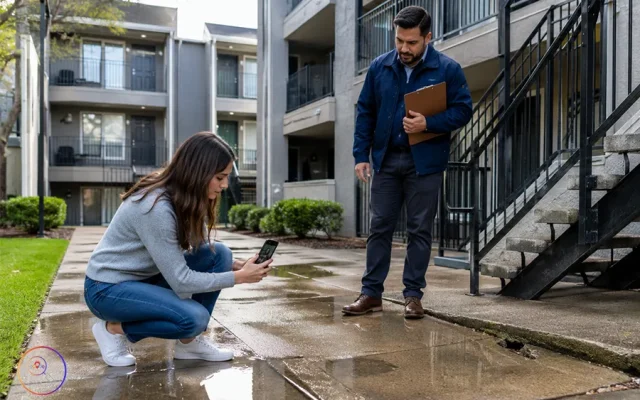
Before moving or disposing of damaged property, take photographs and video whenever it is safe to do so.
Capture:
- The source of the water
- Wet walls and floors
- Damaged furniture
- Electronics
- Clothing
- Water lines or stains
- Damaged boxes or storage containers
- Any visible structural damage
Take wide photographs showing the entire room as well as close-up photographs showing individual items.
4. Protect Your Belongings From Further Damage
Move undamaged property away from the affected area when possible.
For example, move furniture away from standing water or relocate electronics from a leaking room.
Do not put yourself at risk around electrical outlets, contaminated water, collapsing ceilings, or other hazards.
5. Contact Your Insurance Company
Report the incident as soon as reasonably possible.
Your insurer may ask:
- What happened?
- When did it happen?
- What property was damaged?
- Has the water source been stopped?
- Is the apartment still habitable?
- Has the landlord been notified?
Follow any instructions regarding documentation, damaged property, inspections, and repairs.
6. Create a Damaged-Property Inventory
Make a list of everything affected.
Include details such as:
- Item description
- Brand
- Model
- Approximate purchase date
- Original purchase price
- Estimated replacement cost
- Photographs
- Receipts, when available
A home inventory created before a loss can make this process much easier.
7. Keep Your Receipts
If you must temporarily relocate because of a covered event, save receipts for qualifying additional expenses.
That can include lodging, meals, laundry, and other costs depending on the policy.
Do not assume every expense will automatically be reimbursed. Ask your insurer what documentation it requires and what limits apply.
How Much Will Renters Insurance Pay?
Having a covered water loss does not necessarily mean the insurer pays the full cost of everything that was damaged.
Several policy provisions can affect the settlement.
Your Deductible
The deductible is the amount you generally pay toward a covered property claim before insurance benefits apply.
For example, if you have $3,000 in covered property damage and a $500 deductible, the deductible may be subtracted from the amount otherwise payable.
Your Personal Property Limit
Your policy has a maximum amount available for covered personal property claims.
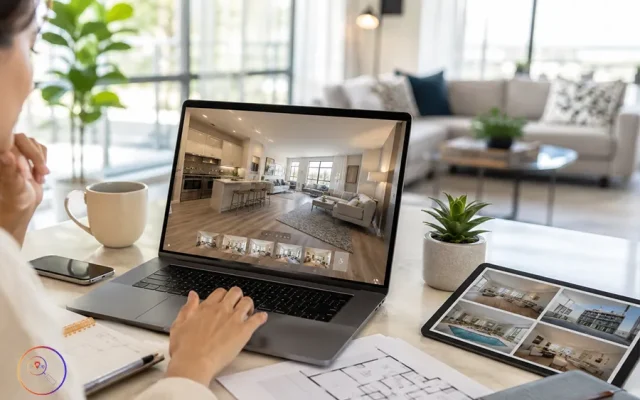
Review this limit periodically to make sure it reasonably reflects the belongings you own.
Special Limits
Certain categories of property may have separate limits.
Depending on the policy, special rules can apply to items such as:
- Jewelry
- Collectibles
- Cash
- Business property
- Expensive electronics
- Certain valuable personal possessions
Actual Cash Value vs. Replacement Cost
Another important distinction is how your policy values damaged belongings.
Actual cash value generally accounts for depreciation.
Replacement cost coverage generally bases payment on the cost of replacing covered property with comparable new property, subject to policy requirements.
This difference can significantly affect how much you receive after a loss.
Ways Renters Can Reduce the Risk of Water Damage
You cannot prevent every plumbing failure or storm, but renters can reduce the chance that a small issue becomes a major one.
Check Under Sinks
Occasionally inspect the areas beneath kitchen and bathroom sinks.
Watch for:
- Moisture
- Dripping
- Staining
- Swollen cabinetry
- Mold-like growth
- Unusual odors
A tiny leak can cause substantial damage when it continues unnoticed.
Watch Appliance Connections
Check the visible hoses and connections around washing machines and other water-using appliances.
Report anything that appears loose, cracked, corroded, or wet.
Report Ceiling and Wall Stains
A brown mark on the ceiling may seem minor, but it can indicate water entering from plumbing or another apartment.
Peeling paint, bubbling drywall, and unexplained moisture should also be reported.
Do Not Ignore Slow Leaks
Small leaks rarely improve on their own.
Report them promptly.
This protects the building, reduces the possibility of damage to your belongings, and creates documentation showing that you alerted management.
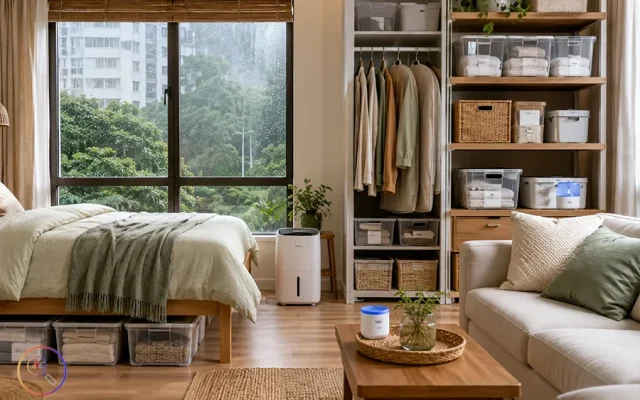
Consider Water-Leak Sensors
Compact water sensors can be placed near sinks, washing machines, water heaters, and other potential leak areas.
Some models sound an alarm while others can send alerts to a phone.
Early detection can turn a major water incident into a much smaller cleanup.
Questions to Ask About Your Renters Insurance Policy
The best time to understand water-damage coverage is before you need it.
Consider asking your insurer:
- Does my policy cover sudden plumbing leaks?
- Does it cover damage from a burst pipe?
- Is sewer or drain backup covered?
- Do I need a separate water-backup endorsement?
- Is flood damage excluded?
- Do I have replacement cost or actual cash value coverage?
- What is my deductible?
- How much personal property coverage do I have?
- What are my additional living expense limits?
- Are there special limits for electronics or valuables?
- What documentation should I keep for a future claim?
These questions can reveal coverage gaps while you still have time to address them.
Frequently Asked Questions
Will renters insurance cover a burst pipe?
It often covers damage to a renter’s personal belongings caused by a sudden burst pipe when the event is covered under the policy. The landlord is generally responsible for repairing the building’s plumbing.
Does renters insurance cover a leaking ceiling?
It may cover your belongings if the leak resulted from a covered event. Coverage can be more limited when the leak developed gradually over a long period.
Does renters insurance cover flooding?
Standard renters insurance generally does not cover traditional flooding caused by rising outside water. Separate flood insurance may be available.
Will renters insurance replace my furniture after water damage?
If your furniture was damaged by a covered event, personal property coverage may apply, subject to your deductible, coverage limits, exclusions, and the way your policy values belongings.
Does renters insurance pay for a hotel after water damage?
Potentially. Additional living expense coverage may help when a covered loss makes the apartment temporarily uninhabitable.
What if the apartment upstairs leaks into mine?
Your renters policy may cover damage to your belongings depending on the cause of the leak. Questions about who was legally responsible for causing the incident are separate from your personal property claim.
Does my landlord’s insurance cover my belongings?
Usually not. A landlord’s policy generally protects the building and property owned by the landlord rather than possessions belonging to tenants.
Should I throw damaged belongings away immediately?
Not unless necessary for health or safety. Photograph damaged property first and follow your insurer’s instructions whenever possible.
Does renters insurance cover mold after a water leak?
Mold coverage varies considerably. Whether it is covered can depend on what caused the moisture, how quickly the problem was reported, and specific policy limitations or exclusions.
Should I report even a small apartment leak?
Yes. Reporting leaks promptly gives your landlord an opportunity to correct the problem before additional damage occurs and provides documentation of when you discovered it.
Final Thoughts
So, will renters insurance cover water damage?
It often can when the damage results from a sudden and accidental event covered by your policy, such as a burst pipe or unexpected appliance leak. Your policy may help protect your belongings and, in some situations, provide temporary living expenses or liability protection.
But renters insurance does not cover every water-related loss.
Flooding, long-term leaks, wear and tear, certain sewer backups, and damage connected to excluded causes may require different coverage—or may not be covered at all.
The most important thing is to understand your own policy before a problem occurs. Review your coverage limits and exclusions, document the belongings in your rental, report maintenance problems promptly, and keep your insurer’s contact information accessible.
When water damage does happen, act quickly: protect yourself first, notify your landlord, photograph the damage, prevent additional loss when safely possible, and contact your insurance company.
Those steps cannot prevent every water problem, but they can make the aftermath much easier to manage.