
The monthly rent is usually the first number people look at when comparing apartments. It is important, of course, but it does not tell you everything about what living in a particular community may cost.
Property maintenance affects apartment residents in less obvious ways. It can influence utility bills, amenity fees, repair response times, the condition of common areas and even how comfortable an apartment feels throughout the year. A community that looks affordable on paper may become less attractive when recurring fees and inefficient systems are added to the equation.
That is why renters should look beyond the advertised monthly rent. Understanding property maintenance costs and how an apartment community handles upkeep can help you compare your options more realistically before signing a lease.
What Property Maintenance Really Includes
When people hear the word “maintenance,” they often picture a leaking faucet or a broken appliance. Apartment maintenance is much broader.
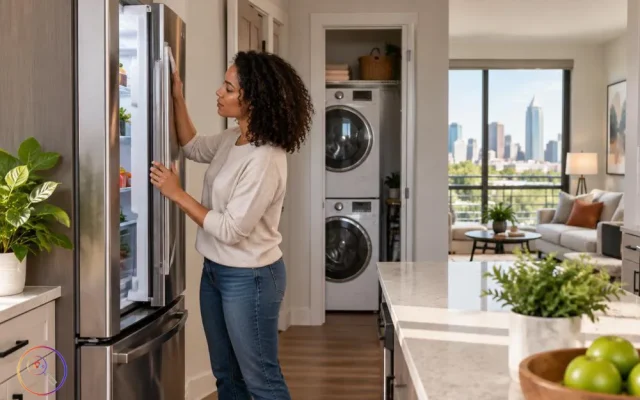
Inside individual units, maintenance may involve plumbing fixtures, electrical systems, heating and air conditioning, appliances, doors, locks, flooring and other fixtures supplied with the apartment.
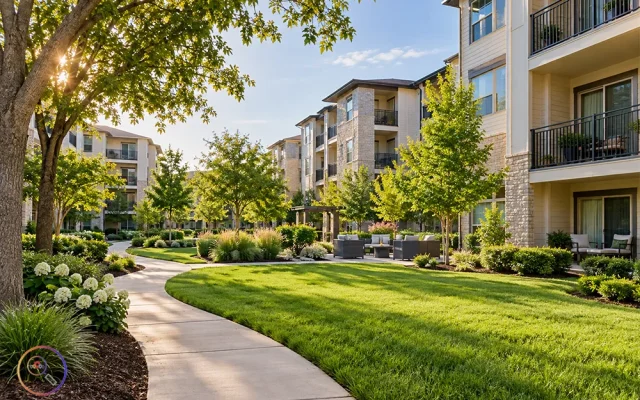
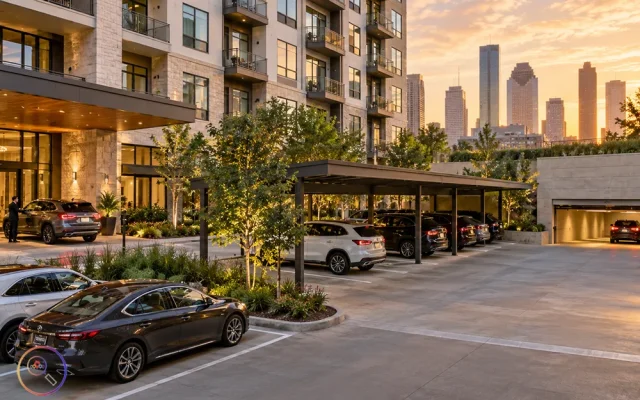
Outside your unit, the property management team may also be responsible for maintaining hallways, elevators, stairwells, landscaping, pools, fitness centers, parking areas, gates, lighting, drainage systems and other shared amenities.
Some of these expenses are absorbed into the rent. Others may appear indirectly through amenity fees, utility allocations or other recurring charges.
For renters, the important question is not simply, “How much does maintenance cost?” It is also, “Which of these costs could eventually show up on my monthly housing bill?”
Rent Is Only Part of Your Apartment Budget
An apartment advertised at $1,500 per month does not necessarily cost only $1,500 to live in.
Depending on the property and lease, you may encounter additional expenses for utilities, parking, trash service, pest control, internet packages, pets or amenities. The exact charges vary considerably from one community to another.
That makes it useful to compare apartments according to their total monthly housing cost, rather than advertised rent alone.
| Cost Category | What to Check Before Leasing |
|---|---|
| Base rent | Monthly amount and any scheduled increases |
| Utilities | Which utilities you pay directly or through the property |
| Parking | Whether standard parking is included or charged separately |
| Trash services | Standard trash, valet trash or other collection fees |
| Pest control | Whether there is a recurring charge |
| Amenities | Whether access is included or requires additional fees |
| Pets | Deposits, one-time fees and recurring pet rent |
| Internet/cable | Whether a technology package is mandatory |
| Maintenance-related charges | Situations in which a resident may be billed for repairs |
Two apartments with similar base rents can therefore have noticeably different monthly totals.
Before choosing between them, ask for a complete breakdown of required recurring charges.
Who Usually Pays for Apartment Repairs?
One of the biggest differences between renting and owning is that renters generally are not directly responsible for maintaining major building systems.
However, that does not mean every repair is automatically free.
The lease normally explains which responsibilities belong to the property owner or management company and which belong to the resident. A mechanical failure may be handled by maintenance, for example, while damage caused by a resident could potentially result in a charge.
This distinction matters.
If an appliance stops working through ordinary use, that is different from an appliance being physically damaged. Likewise, routine wear on flooring is not necessarily treated the same way as a large stain, burn or other avoidable damage.
Read the maintenance and damage provisions in the lease rather than relying on assumptions.
Routine Maintenance vs. Major Repairs
It is useful to think about apartment maintenance in two broad categories.
Routine maintenance includes the ongoing work required to keep a community functioning and presentable. Examples include landscaping, common-area cleaning, changing filters, servicing equipment and fixing ordinary plumbing or electrical problems.
Major repairs involve larger systems or structural components. Roof replacement, major plumbing repairs, exterior restoration, elevator replacement or extensive water damage can fall into this category.
Renters usually do not receive a separate bill every time a building needs major work. Even so, the overall condition of a property matters when choosing where to live.
A community where important repairs have repeatedly been postponed can create inconvenience for residents. Problems that start small may eventually affect individual apartments, common areas or amenities.
Maintenance Quality Matters When Comparing Apartments
A long amenity list can make an apartment community look impressive online.
But the number of amenities is only part of the story.
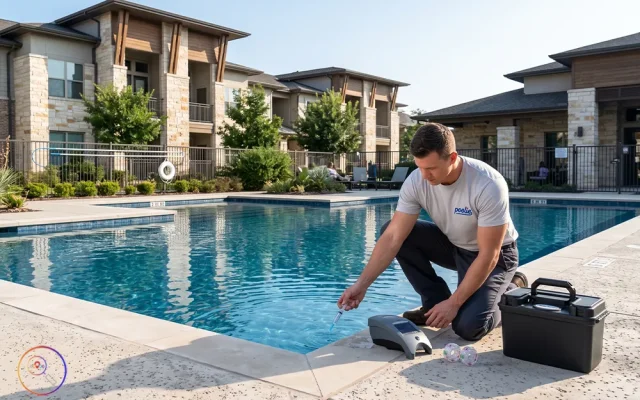
A swimming pool is much more appealing when it is consistently maintained. A fitness center adds value when equipment works. Controlled-access gates are useful when they function properly. Attractive landscaping makes a stronger impression when it is regularly cared for.
Maintenance quality can therefore be just as important as the amenities themselves.
This is also true in other housing markets. Someone researching a Cyprus property development company may compare developments based on pools, landscaping, fitness facilities and other features, but those amenities still require long-term servicing and upkeep.
The same basic principle applies when comparing apartment communities: an amenity only adds value if it is usable and well maintained.
Pay Attention to HVAC and Energy Efficiency
Heating and cooling can represent a meaningful portion of an apartment’s monthly running costs, particularly in regions where air conditioning is used heavily.
The condition of the apartment matters.
Older windows, poor seals, aging HVAC equipment or limited insulation can make it harder to maintain a comfortable indoor temperature. Your rent may look competitive while your electricity usage tells a different story.
When touring an apartment, pay attention to the windows and doors. Look for obvious gaps, condensation, staining or other signs that deserve further questions.
You can also ask about the HVAC system.
How are filters handled? Does management provide them? Are residents expected to replace them? What happens when the air conditioner stops cooling properly?
These are practical questions, especially if you are moving during warmer months.
Plumbing Problems Can Become Apartment-Wide Problems
Water does not always stay inside one apartment.
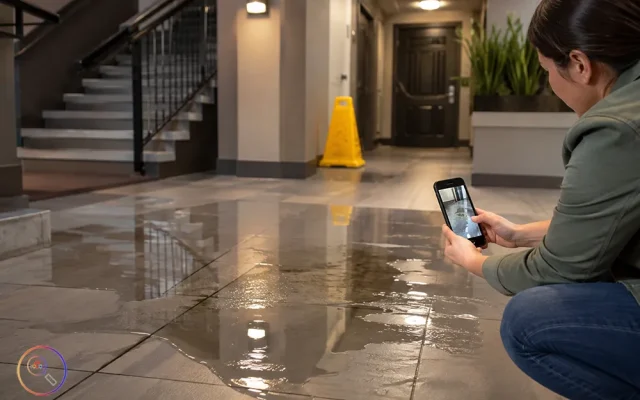
A leaking supply line, overflowing fixture or hidden plumbing problem can potentially affect walls, flooring and neighboring units. That makes prompt reporting particularly important in multifamily buildings.
Residents should know how to submit both ordinary and emergency maintenance requests.
A dripping faucet can usually follow the standard maintenance process. Water actively entering an apartment requires a different level of urgency.
The same applies to signs of hidden moisture.
Discoloration, unexplained dampness, bubbling paint, warped materials or persistent musty odors are worth reporting rather than ignoring. Even if the cause turns out to be minor, early attention is generally preferable to waiting until the affected area becomes larger.
Common Areas Tell You a Lot About an Apartment Community
You can learn quite a bit about property maintenance before ever signing a lease.
Look beyond the model unit.
Walk through the hallways. Look at staircases, elevators, parking areas and outdoor spaces. Notice whether lighting fixtures work and whether shared spaces appear routinely cared for.
A beautifully staged model apartment may not tell you much about day-to-day property operations.
The rest of the community often does.
This does not mean every scuff or burned-out light bulb should automatically eliminate an apartment from consideration. Properties are active places where things occasionally break. What matters more is whether there seems to be a pattern of neglect.
Ask About Maintenance During Your Apartment Tour
Apartment tours are often dominated by questions about floor plans, closets, kitchens and amenities. Maintenance should be part of the conversation as well.
Useful questions include:
- How do residents submit routine maintenance requests?
- Is emergency maintenance available outside normal office hours?
- What situations are considered maintenance emergencies?
- How are HVAC filter changes handled?
- Who is responsible for replacing light bulbs or other minor items inside the unit?
- How are pest-control concerns handled?
- Are residents charged for certain repairs?
- How are common-area problems reported?
- Are any major renovations or repairs currently planned?
- Are there mandatory monthly fees connected to property services or amenities?
The answers can help you understand both your potential expenses and what daily life at the property may look like.
Look at the Apartment’s Condition Before Moving In
Once you choose an apartment, document its condition carefully when you receive the keys.
Do not assume that a small issue is too minor to mention.
Take clear photos or videos of existing damage and follow the property’s move-in inspection process. Look at walls, floors, countertops, appliances, cabinets, doors, windows and bathroom fixtures.
Test anything the property allows you to test.
Existing stains, scratches or damaged fixtures should be documented so there is a record showing that the problem existed when you moved in.
This is not about being confrontational. It is simply good recordkeeping.
Maintenance Requests Should Be Documented
If something breaks after move-in, follow the apartment community’s established process for reporting it.
Online resident portals are common, but some properties may use phone calls, email or another system. For urgent situations, there may be a separate emergency maintenance number or process.
Keep confirmation messages when possible.
If the problem continues, having a record of when it was first reported and what follow-up occurred can make communication much clearer.
Photos can also help explain issues that are difficult to describe, such as a recurring leak or damage that changes over time.
Understand the Difference Between Wear and Damage
Apartments naturally change while people live in them.
Carpet experiences foot traffic. Walls develop small marks. Fixtures age. Appliances eventually wear out.
Other problems may result from accidental or avoidable damage.
The difference can matter when determining whether a resident could be charged for a repair, particularly when moving out. Lease language and property policies should explain how damage responsibilities are handled.
This is another reason to keep your move-in documentation until after you have moved out and settled your final account with the property.
Older Apartments Are Not Automatically Poorly Maintained
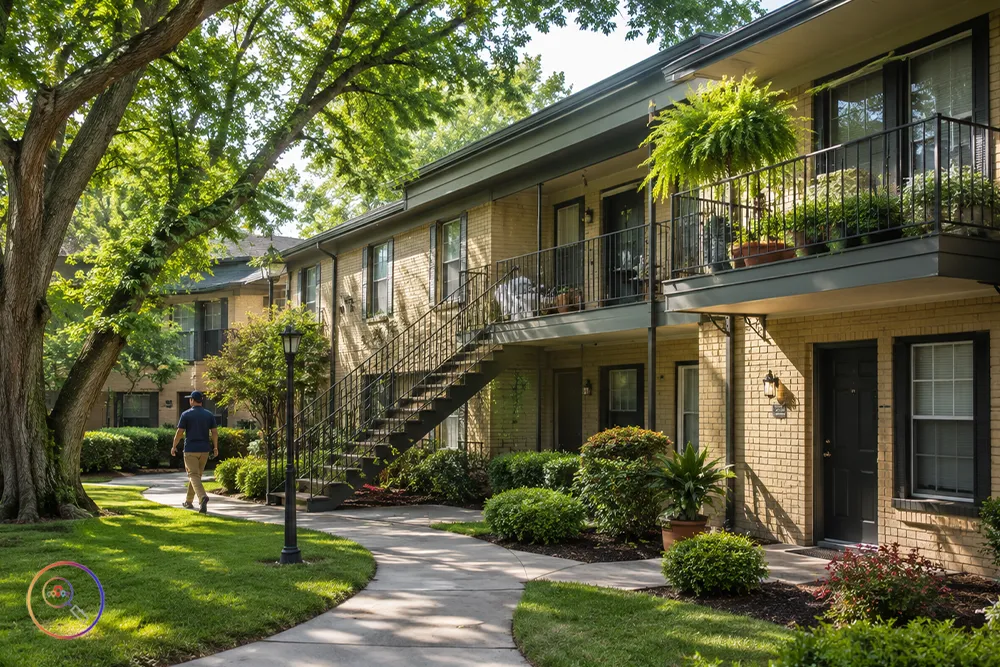
The age of an apartment community can influence the kinds of maintenance it requires, but age alone does not tell you whether a property is well managed.
An older community may have updated plumbing, new appliances, renovated interiors and carefully maintained grounds.
A newer building can still experience equipment failures, leaks or construction-related issues.
Instead of choosing purely according to age, look at the actual condition of the property and how management appears to handle maintenance.
Recent renovations can also deserve closer attention.
Ask what was updated. New flooring and countertops are easy to see, but improvements to HVAC systems, windows, roofing, plumbing or building infrastructure can have a greater effect on long-term comfort.
Amenities Have Maintenance Costs Too
Apartment hunters sometimes compare properties by counting amenities.
One has a pool. Another has two pools, a dog park, coworking spaces, fitness rooms, package lockers and outdoor kitchens.
More is not always better.
If you will use those amenities frequently, they may add significant value to your living experience. If you will rarely use them, a simpler community with fewer fees could make more sense.
Consider your actual lifestyle rather than choosing the longest amenity list.
Someone who works from home may place a high value on coworking areas. A dog owner may appreciate pet facilities. A resident who exercises elsewhere may not care whether the property has an elaborate fitness center.
The goal is to pay for features that improve your everyday life.
Budget for Small Apartment Expenses
Renters avoid many of the major maintenance costs associated with homeownership, but apartment living still involves smaller household expenses.
You may need cleaning supplies, air filters if required by the lease, replacement bulbs, basic tools, shower curtains, batteries and other everyday items.
None of these purchases is particularly dramatic.
Together, however, they are part of the real cost of maintaining a home.
Creating a modest household budget for these expenses can make your monthly spending more predictable.
Check Utility Arrangements Before Signing
Utilities are another area where apartments can differ significantly.
At one community, residents may arrange and pay for electricity directly. At another, some services could be billed through the property.
Ask which utilities are included, which are individually metered and which are allocated or billed separately.
Also find out whether any services are mandatory.
A monthly technology package, trash service or other required program should be included when you calculate your actual housing budget.
This matters even more when comparing an apartment offering a move-in concession with one that has a lower standard rent.
The headline number is only the beginning.
Think About Maintenance When Comparing Apartment Specials
Move-in specials can reduce the upfront or effective cost of an apartment, but they should not distract you from the larger financial picture.
Suppose one apartment offers several weeks of free rent but has higher recurring fees. Another provides a smaller concession but lower monthly expenses.
Which one costs less over the full lease?
You have to run the numbers.
Compare the rent you will actually pay, required fees, estimated utilities, parking and other recurring costs. Then consider the condition of the property and whether the amenities are worth what you are paying for them.
A strong apartment deal is not simply the largest concession. It is the option that provides the right combination of price, location, features and living conditions for your situation.
What to Check Before You Sign a Lease
You do not need to become an expert in building maintenance before renting an apartment.
You simply need enough information to understand what you are agreeing to.
Review the lease carefully, ask how maintenance requests are handled and find out which recurring charges are mandatory. Tour the actual community rather than focusing exclusively on photos or the model unit.
If something is unclear, ask.
It is much easier to clarify a maintenance policy or monthly fee before signing than to discover it after moving in.
The Real Cost of Apartment Living
Property maintenance is not the most exciting part of an apartment search. Pools, kitchens, neighborhood restaurants and floor plans tend to get more attention.
Yet maintenance can have a noticeable effect on the experience of living somewhere.
A well-kept apartment community can make everyday life easier. Functional systems, cared-for common spaces and a clear repair process may not look dramatic in a listing, but they matter after move-in.
At the same time, renters should understand what they may be expected to pay themselves.
Look beyond base rent. Consider required monthly fees, utilities, parking, pets, amenity charges and the responsibilities described in the lease. Pay attention to the physical condition of both the apartment and the community.
The best apartment for your budget is not necessarily the one with the lowest advertised rent.
It is the one whose total cost and overall condition make sense for the way you actually plan to live.
Helpful Finds for Apartment Repairs and Upkeep
Most small fixes do not need a maintenance ticket. A compact kit handles them:
- Household Tool Kit – hammer, drivers, pliers and tape in one case.
- Drain Snake – the most common apartment plumbing problem.
- Spackle Repair Kit – patch nail holes before move-out inspection.
- Cordless Drill – for curtain rods, shelves and furniture assembly.
Rise Apartments is a participant in the Amazon Services LLC Associates Program. As an Amazon Associate we earn from qualifying purchases made through the links above, at no extra cost to you.