

Finding the right apartment involves more than choosing a spacious floor plan, modern appliances, or an attractive neighborhood. One of the most important factors is the property’s overall condition. Understanding the signs an apartment building is well-maintained can help you avoid unexpected repairs, uncomfortable living conditions, and frustrating maintenance problems after moving in.
A beautiful apartment can quickly lose its appeal when plumbing problems go unresolved, air conditioning breaks down, or common areas show signs of neglect. Fortunately, you don’t need to be a building inspector to recognize a property that receives consistent care.
From clean hallways and properly functioning equipment to responsive management and preventive repairs, certain details reveal how seriously a property owner approaches maintenance.
Before signing a lease, take time to evaluate the building beyond its appearance. This guide explains what to inspect, which warning signs deserve attention, and how to determine whether an apartment community is likely to provide a comfortable living environment.
Why Apartment Building Maintenance Matters
Regular building maintenance affects nearly every aspect of apartment living. Although attractive finishes can create a positive first impression, proper upkeep is what keeps a property functional over time.
A well-maintained apartment building is more likely to provide dependable plumbing, reliable heating and cooling, safer shared spaces, and fewer recurring maintenance disruptions.
Additionally, routine maintenance can help property managers identify small problems before they develop into expensive repairs.
For example, repairing a minor roof leak early may prevent water damage from spreading into ceilings, insulation, and surrounding apartments.
Likewise, servicing heating and cooling equipment regularly can reduce the likelihood of unexpected breakdowns during extreme weather.
For renters, the benefits often include:
- Greater comfort: Functional building systems make everyday living more convenient.
- Improved safety: Maintained walkways, staircases, lighting, and safety equipment reduce avoidable hazards.
- Fewer interruptions: Preventive maintenance can reduce disruptive equipment failures.
- Better living conditions: Clean, dry, properly ventilated spaces help support a healthier indoor environment.
- Greater confidence in management: Consistent upkeep suggests that property owners take their responsibilities seriously.
Importantly, an older building can be better maintained than a newer property. Building age alone doesn’t tell you whether the owner is investing in necessary repairs.
Instead, look for evidence of consistent attention throughout the property.
1. Clean and Organized Common Areas
One of the earliest signs an apartment building is well-maintained is the condition of its shared spaces.
Apartment hallways, elevators, stairwells, entrances, and laundry facilities receive frequent use. Consequently, their appearance often reflects the property’s daily maintenance routine.
During your visit, observe whether these areas look clean, functional, and appropriately maintained.
What to Look For
Positive indicators include:
- Clean floors without excessive stains or debris.
- Hallways free from unnecessary clutter.
- Properly functioning overhead lighting.
- Trash containers that are not overflowing.
- Clean elevator interiors and functioning buttons.
- Stairwells with secure handrails.
- Walls and ceilings without obvious water damage.
- Shared facilities with operational equipment.
However, cleanliness alone doesn’t guarantee effective building maintenance.
A freshly mopped hallway may still have damaged flooring, loose fixtures, or recurring moisture problems.
Therefore, evaluate both cleanliness and physical condition.
Helpful tip: Visit the property at different times when possible. A building that remains reasonably clean during busy hours may have more consistent housekeeping practices than one that looks presentable only before scheduled tours.
2. A Building Exterior That Shows Regular Care
The outside of an apartment building provides valuable clues about its maintenance history.
Although cosmetic imperfections aren’t always serious, widespread deterioration can indicate that repairs have been postponed.
Before entering the leasing office, walk around the property and examine its exterior.
Look at the walls, siding, balconies, walkways, and landscaped areas.
Positive Exterior Maintenance Signs
A property receiving regular care may feature:
- Exterior paint without widespread peeling.
- Siding and masonry in generally good condition.
- Secure balcony railings.
- Clean, accessible sidewalks.
- Maintained parking areas.
- Landscaping that doesn’t obstruct walkways.
- Properly positioned drainage components.
- Outdoor lighting fixtures in good condition.
Additionally, examine areas where water may collect.
Large puddles that remain long after rainfall, soil erosion near foundations, and visible water stains can suggest drainage concerns.
Minor cosmetic cracks aren’t necessarily evidence of structural problems. However, large, widening, or displaced cracks deserve further investigation by qualified professionals.
The goal isn’t to find a flawless building. Rather, it’s to determine whether property management addresses deterioration before it becomes more serious.
3. Roofing and Drainage Systems That Prevent Water Damage

Roofing maintenance is particularly important because water intrusion can affect multiple apartments simultaneously.
A neglected roof may allow moisture to enter ceilings, walls, insulation, and structural materials.
Unfortunately, renters usually cannot inspect the roof directly.
Nevertheless, several visible conditions may reveal whether the building has experienced water-related problems.
Warning Signs of Possible Water Intrusion
Watch for:
- Brown or yellow stains on ceilings.
- Bubbling paint or peeling wall coverings.
- Persistent musty odors.
- Damp walls near windows.
- Water marks around ceiling fixtures.
- Damaged gutters or downspouts.
- Standing water near building entrances.
These conditions don’t automatically mean the roof is leaking. Plumbing problems, condensation, and window defects can produce similar symptoms.
However, unexplained moisture deserves attention.
Ask the leasing representative whether the property has experienced recent water intrusion and how the underlying cause was addressed.
Professional roof inspections and timely repairs are valuable components of preventive property maintenance.
A management team that monitors drainage systems and responds quickly to water problems demonstrates attention to the building’s long-term condition.
4. Apartment Interiors That Function Properly
A modern-looking apartment doesn’t necessarily indicate a properly maintained unit.
New countertops and flooring may look impressive during a showing, but functional details reveal much more.
Whenever possible, tour the exact apartment you plan to rent rather than relying exclusively on a staged model.
Inspect Doors and Windows
Open and close accessible doors and windows, with permission.
They should operate smoothly without excessive sticking, unusual movement, or damaged hardware.
Check for:
- Secure door handles and locks.
- Windows that close properly.
- Damaged weatherstripping.
- Visible gaps around window frames.
- Condensation trapped between glass panes.
- Drafts around exterior openings.
Damaged seals and poorly fitting windows can affect comfort and energy efficiency.
Examine Walls, Ceilings, and Flooring
Pay attention to the condition of interior surfaces.
A well-maintained apartment should generally have secure flooring, intact walls, and ceilings without unexplained stains or deterioration.
Watch for soft flooring, loose tiles, bulging surfaces, or repeated patchwork in the same area.
A few cosmetic repairs are normal, especially in older buildings. Nevertheless, extensive temporary-looking repairs can suggest unresolved underlying problems.
Test Cabinets and Fixtures
Open kitchen cabinets, inspect accessible drawers, and check closet doors.
Cabinets should be reasonably secure, while drawers and hinges should function as intended.
These small details matter because they reveal whether management completes routine repairs between residents.
5. Reliable Plumbing and Proper Drainage
Plumbing is one of the most important systems to evaluate during an apartment walkthrough.
Leaks, clogged drains, and malfunctioning fixtures can cause daily inconvenience and property damage.
Fortunately, many common plumbing problems can be identified through a basic visual and functional inspection.
How to Evaluate Apartment Plumbing
With the leasing representative’s permission:
- Turn on kitchen and bathroom faucets to observe water flow.
- Check whether sinks drain normally.
- Flush the toilet and listen for unusual running water.
- Look underneath accessible sinks for moisture.
- Examine faucets and supply lines for visible leaks.
- Check around toilets and tubs for damaged caulking.
- Notice persistent sewage or musty odors.
Water pressure can vary depending on building design and local supply conditions. However, unusually weak flow or inconsistent operation is worth discussing with management.
You should also ask how residents report plumbing emergencies.
A well-organized property should have a clear procedure for urgent leaks, especially outside regular office hours.
6. Electrical Fixtures and Lighting in Good Condition
Electrical maintenance is essential for apartment safety and daily functionality.
Although renters shouldn’t attempt technical electrical inspections, they can identify visible warning signs.
During your walkthrough, examine outlets, switches, lights, and accessible fixtures without removing covers or opening electrical panels.
What to Watch For
Positive indicators include:
- Switches and lighting fixtures that operate normally.
- Outlet covers that are secure and undamaged.
- Adequate lighting in hallways and stairwells.
- No exposed or visibly damaged wiring.
- Exterior lighting around entrances and walking paths.
- Electrical equipment areas kept accessible to authorized personnel.
Conversely, scorch marks, buzzing outlets, exposed conductors, or persistent flickering warrant professional evaluation.
Never test damaged electrical components or investigate exposed wiring yourself.
If you notice a concern, report it to management and request an appropriate inspection before move-in.
7. Heating, Ventilation, and Air Conditioning That Work Efficiently
Heating, ventilation, and air conditioning systems influence indoor comfort throughout the year.
A beautiful apartment can become unpleasant when cooling is inadequate, heating fails, or airflow is restricted.
Consequently, HVAC performance is one of the most useful signs an apartment building is well-maintained.
What to Evaluate During a Tour
If operating conditions permit, check whether:
- The thermostat responds appropriately.
- Conditioned air reaches different rooms.
- Vents are reasonably clean and unobstructed.
- The system operates without unusual rattling or grinding.
- There are no obvious water leaks around indoor equipment.
- Indoor temperatures feel reasonably consistent.
Keep in mind that a short apartment tour cannot fully establish HVAC efficiency or reliability.
Instead, ask management about maintenance practices.
For example, find out who replaces air filters, how residents request service, and whether equipment receives periodic inspections.
A clear maintenance process is more meaningful than an unsupported promise that the system rarely breaks.
8. Properly Maintained Safety Features
Safety features are particularly important when evaluating apartment communities.
Even an attractive, recently renovated property can contain avoidable hazards if safety equipment and shared facilities are neglected.
During your walkthrough, pay attention to features designed to protect residents.
Important Safety Indicators
Inspect visible conditions such as:
- Smoke alarms installed in required locations.
- Carbon monoxide alarms where required.
- Clearly identified emergency exits.
- Stairways free from stored objects.
- Secure handrails and balcony guards.
- Functioning common-area lighting.
- Entry doors and locks in good condition.
- Fire extinguishers or other fire protection equipment where provided or required.
Avoid assuming equipment works simply because it’s present.
Ask management about smoke alarm testing, fire system maintenance, and procedures for reporting safety concerns.
Requirements vary by jurisdiction, building type, and construction age.
For additional safety information, renters can consult the U.S. Fire Administration, which provides resources about fire prevention and residential fire safety.
A property that treats safety inspections as a routine responsibility rather than an afterthought demonstrates a more reliable approach to maintenance.
9. Responsive and Organized Property Management
The physical condition of a building tells only part of the story.
Management’s response to maintenance requests can be just as important as the visible condition of the property.
Even well-maintained apartments occasionally experience unexpected repairs.
What matters is whether the property has an organized process for addressing those issues.
Questions to Ask Property Management
Before signing your lease, consider asking:
- How do residents submit maintenance requests?
- Is there an online maintenance portal?
- Is emergency maintenance available after office hours?
- How are urgent requests prioritized?
- Who performs routine inspections?
- How are residents notified about scheduled repairs?
- What happens when a problem requires outside contractors?
Look for straightforward answers that explain the actual process.
For example, a representative who explains how emergency calls are routed and how requests are tracked provides more useful information than someone who simply says, “Maintenance is always fast.”
Response times can vary based on the issue, staffing, access requirements, and parts availability.
Therefore, focus on transparency, documented procedures, and follow-through rather than promises of instant repairs.
10. Evidence of Preventive Maintenance
One of the strongest indicators of a well-managed property is its emphasis on preventing problems before they occur.
Reactive maintenance focuses on fixing something after it breaks.
Preventive maintenance involves regular inspections, servicing, cleaning, and planned replacement of equipment.
Both approaches are necessary. However, buildings that depend exclusively on emergency repairs may experience more avoidable disruptions.
Preventive vs. Reactive Maintenance
| Preventive maintenance | Reactive maintenance |
|---|---|
| Equipment inspected periodically | Equipment checked after a failure |
| HVAC filters changed according to a schedule | Filters changed after performance complaints |
| Gutters and drains cleaned routinely | Drainage addressed after backups |
| Roof problems identified through inspections | Leaks addressed after water enters the building |
| Safety systems checked regularly | Problems discovered after equipment malfunctions |
| Minor defects repaired before worsening | Repairs delayed until damage becomes obvious |
A building doesn’t need to display its maintenance schedule publicly.
Nevertheless, management should be able to explain its general approach to inspections, seasonal servicing, and routine repairs.
11. Well-Maintained Parking Areas and Outdoor Amenities
Parking lots, garages, courtyards, swimming pools, and fitness centers are easy to overlook during an apartment search.
Yet their condition can reveal whether the property maintains all its facilities consistently.
Parking Lots and Garages
Look for reasonably maintained pavement, accessible walkways, clear traffic markings, and adequate lighting.
Also observe whether drainage areas are blocked or whether standing water is a recurring concern.
Swimming Pools
If the community has a pool, check for obvious debris, broken gates, damaged decking, and posted safety information.
Visual appearance alone cannot establish whether pool water is properly treated, so ask about inspection and maintenance procedures if you have concerns.
Fitness Centers and Shared Amenities
A well-maintained fitness center should have reasonably clean surfaces and equipment without obvious damage.
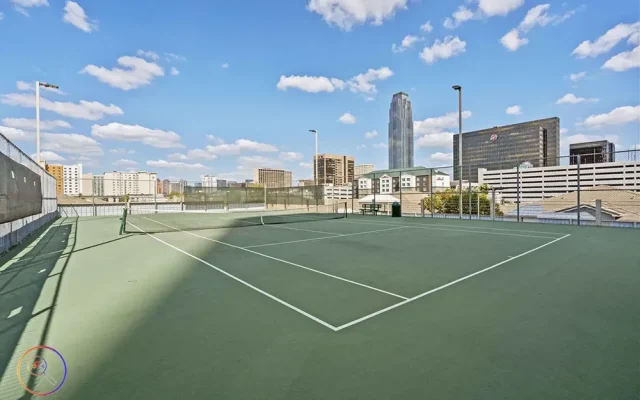
Similarly, shared laundry rooms should have clean floors, functional machines, and instructions for reporting problems.
Consistent maintenance across amenities supports the impression that the property takes routine upkeep seriously.
12. Signs of Pest Prevention and Sanitation
Pest prevention is another important consideration when choosing an apartment.
Even clean properties can occasionally experience pests, especially in densely populated buildings.
However, recurring infestations, unsanitary trash areas, and unsealed entry points may indicate underlying maintenance problems.
What to Look For
Pay attention to:
- Trash enclosures that are clean and properly maintained.
- Waste containers with functioning lids.
- No obvious rodent droppings in accessible areas.
- Doors and windows without major gaps.
- No visible accumulation of discarded furniture or debris.
- No unexplained insect activity in kitchens or bathrooms.
Ask whether the community has a pest management program and how residents should report problems.
The Environmental Protection Agency’s integrated pest management guidance emphasizes prevention, monitoring, and appropriate control practices.
A proactive pest management program is generally more reassuring than repeated treatment without addressing conditions that attract pests.
13. Consistent Maintenance Across the Entire Property
One of the most revealing signs an apartment building is well-maintained is consistency.
A leasing office may look spotless while residential hallways, staircases, or parking structures receive less attention.
Therefore, evaluate the property as a whole rather than judging it based on a single impressive area.
Compare the condition of:
- The leasing office and residential buildings.
- Main entrances and secondary entrances.
- Model apartments and available rental units.
- Shared amenities and surrounding walkways.
- Visible landscaping and less prominent outdoor areas.
A property doesn’t have to look brand new everywhere.
However, signs of regular repairs, cleaning, and general upkeep should appear throughout the community.
Consistency suggests that maintenance is part of normal operations rather than something performed only for prospective renters.
Apartment Maintenance Red Flags You Shouldn’t Ignore
Some maintenance issues are minor inconveniences. Others warrant further investigation before committing to a lease.
The following warning signs deserve particular attention.
| Warning sign | Why it matters | What to do |
|---|---|---|
| Persistent musty odors | May indicate moisture or ventilation problems | Ask about the cause and remediation |
| Recurring ceiling stains | Could suggest unresolved water intrusion | Request details about completed repairs |
| Broken or loose handrails | Can create fall hazards | Ask for correction before move-in |
| Exposed electrical wiring | May present a serious electrical hazard | Avoid contact and request professional inspection |
| Multiple malfunctioning appliances | May indicate incomplete unit preparation | Request repairs and test appliances again |
| Overflowing garbage areas | Can attract pests and create sanitation issues | Ask about waste collection practices |
| Damaged exterior stairs | May present an immediate safety concern | Avoid affected areas and notify management |
| Repeated vague maintenance promises | Makes accountability difficult | Request specific written commitments |
Not every red flag means you should reject the property.
However, significant unresolved safety or habitability concerns deserve a more cautious response.
When an issue affects the apartment you’re considering, ask for the correction to be documented before signing or taking possession.
Apartment Building Maintenance Inspection Checklist
Use this checklist during your next apartment tour.
| Inspection area | What to check |
|---|---|
| Building exterior | Siding, paint, railings, sidewalks, and drainage |
| Common areas | Cleanliness, lighting, flooring, and odors |
| Roofing and moisture | Ceiling stains, peeling paint, and visible water damage |
| Doors and windows | Locks, seals, hinges, and operation |
| Plumbing | Faucet flow, drainage, leaks, and toilet function |
| Electrical | Intact outlets, working lights, and visible wiring concerns |
| HVAC | Airflow, thermostat response, unusual noises, and leaks |
| Safety | Alarms, clear exits, handrails, and secure entrances |
| Amenities | Condition of pools, gyms, laundry rooms, and parking |
| Pest prevention | Trash management, gaps, and visible pest activity |
| Management | Maintenance request procedures and emergency contacts |
Photographs and written notes can make it easier to compare properties after several tours.
Additionally, consider keeping a record of any maintenance concerns discussed with the leasing representative.
Questions to Ask Before Signing an Apartment Lease
A building walkthrough is valuable, but it cannot reveal every maintenance issue.
Asking specific questions helps you understand how the property operates after residents move in.
Consider discussing the following topics:
Maintenance response procedures: How are routine and emergency requests submitted, assigned, and completed?
Move-in condition: Will the apartment be inspected and prepared before you receive the keys?
Recent repairs: Have there been significant plumbing, roofing, HVAC, or water intrusion issues affecting the unit?
Preventive servicing: Which systems receive periodic maintenance, and what responsibilities belong to residents?
Repair responsibilities: Does the lease explain which repairs and routine maintenance tasks are handled by management?
Documentation: Can the leasing office confirm that agreed-upon repairs will be completed before move-in?
These questions help set realistic expectations.
Additionally, reviewing the lease carefully can clarify how maintenance requests, emergency access, and resident responsibilities are handled.
How to Compare Two Apartment Buildings Based on Maintenance
When you’re deciding between two attractive communities, maintenance quality can provide an important point of comparison.
Instead of focusing only on rent, amenities, and interior finishes, consider how each property performs in areas that affect everyday living.
For example, one building may offer newly renovated kitchens but have poorly maintained hallways and inconsistent lighting.
Another property may feature more modest interiors but demonstrate cleaner common areas, functional equipment, and a clearly explained repair process.
The second property may offer a better overall living experience, depending on your priorities and the specific conditions involved.
To compare apartments more effectively, evaluate three categories:
Visible condition: Does the property appear consistently clean, functional, and free from significant unresolved damage?
Maintenance procedures: Can management explain how inspections, repairs, and emergencies are handled?
Resident experience: Do available resident reviews reveal recurring unresolved maintenance complaints or describe reasonable follow-through?
Remember that online reviews reflect individual experiences and may not represent every resident’s situation.
Look for patterns across multiple recent reviews rather than relying on a single unusually positive or negative comment.
Why Maintenance Quality Matters After Move-In
The importance of maintenance doesn’t end once you’ve signed your lease.
In fact, that’s when the quality of property upkeep becomes most noticeable.
Daily comfort depends on systems that residents rarely think about when everything works properly.
Reliable air conditioning, adequate drainage, functional appliances, clean shared areas, and safe building access all contribute to a better rental experience.
By contrast, unresolved maintenance issues can interfere with work schedules, create inconvenience, and lead to repeated communication with management.
It’s also important to understand that even the best-managed communities occasionally experience unexpected problems.
A well-maintained building isn’t one that never needs repairs. It’s one where problems are taken seriously, addressed appropriately, and monitored to reduce the likelihood of recurrence.
This distinction helps renters develop realistic expectations while recognizing the value of responsible property management.
Finding a Well-Maintained Apartment With Professional Help
Searching for an apartment can become overwhelming when comparing rental prices, neighborhoods, floor plans, amenities, and property conditions.
Working with an apartment locator can help narrow your search based on the features and practical needs that matter most.
For renters exploring available communities, Rise Apartments’ apartment locating service can help with the apartment search process.
However, even when working with a locator, visiting the property and evaluating its condition remains important.
Take advantage of in-person or live virtual tours, ask specific maintenance questions, and review the lease before making a final decision.
An informed apartment search considers both what a property offers today and how responsibly it appears to be managed over time.
Final Thoughts: Choose Consistent Care Over First Impressions
Recognizing the signs an apartment building is well-maintained can make a meaningful difference in your rental experience.
Clean common areas, functional plumbing, reliable HVAC equipment, maintained safety features, and responsive property management all provide useful clues about a property’s condition.
However, no single feature tells the entire story. The best approach is to evaluate the building as a whole, ask thoughtful questions, and look for consistent evidence of proper upkeep.
Before signing your next lease, look beyond fresh paint and attractive amenities. A property that demonstrates ongoing care may provide greater comfort, fewer avoidable disruptions, and a more dependable place to call home.
Frequently Asked Questions (FAQs)
1. What are the most obvious signs an apartment building is well-maintained?
Clean common areas, functional lighting, secure doors, maintained landscaping, and responsive property management are some of the clearest signs.
2. How can I tell whether an apartment has hidden maintenance problems?
Look for moisture stains, unusual odors, damaged flooring, malfunctioning fixtures, and recurring repair marks. Ask management about previous issues affecting the unit.
3. Are older apartment buildings harder to maintain?
Older buildings may require additional servicing and system upgrades, but consistent maintenance can keep them functional and comfortable.
4. Should I check the plumbing during an apartment tour?
Yes. With permission, test faucets, toilets, and drains while checking accessible areas for visible leaks or moisture.
5. What questions should I ask about apartment maintenance?
Ask how repairs are requested, whether emergency service is available, and how the property handles preventive inspections.
6. Does a clean apartment building mean it’s well-maintained?
Not necessarily. Cleanliness is a positive sign, but structural condition, mechanical systems, and repair procedures are equally important.
7. What are major apartment maintenance red flags?
Persistent water damage, exposed wiring, damaged stairs, sewage odors, and unresolved safety concerns deserve immediate attention.
8. How important is HVAC maintenance in apartments?
Regular HVAC servicing helps support reliable heating and cooling, comfortable airflow, and dependable equipment operation.
9. Can online reviews help identify apartment maintenance issues?
Yes. Multiple recent reviews describing similar unresolved problems can provide useful context, although individual experiences may vary.
10. Should I request repairs before signing a lease?
Yes. Identify existing problems, discuss the required repairs with management, and request written confirmation of agreed-upon work.