

“Moving is so much fun,” said no one ever. Movies sell it as a sunny montage of laughing couples and tidy boxes. In real life, moving down the block is enough to make you want to pull your hair out.
Now make it a move to another country, where the language, the lease rules, and even the way apartments are measured are different. Then add one more twist: you don’t have a place to live yet.
The fix is simple to say and harder to do. Start your apartment search long before you book the flight. Here’s how to do it from the other side of the world without getting burned.
When to Start Your Search
Give yourself at least three months if you can. Rental markets abroad move at different speeds. In some cities good apartments are gone within days, while in others landlords won’t commit until a month before move-in. Starting early lets you learn the market before you have to act on it.
| Time before your move | What to do |
|---|---|
| 3+ months | Research neighborhoods, local rental sites, typical rents, and lease rules |
| 2 months | Gather your paperwork and set a budget that includes the deposit and fees |
| 4–6 weeks | Contact landlords and agents, and book live video tours |
| 2–4 weeks | Review and sign the lease, then pay the deposit through a traceable method |
| Arrival week | Inspect the apartment, photograph everything, and set up utilities |
If you’re moving on short notice, skip ahead to the short-term rental option below. It buys you time to search properly once you arrive.
Start With the Sites Locals Actually Use
Zillow won’t help you if you’re moving to France. Your first job is figuring out where to look in your new country.
Search for the most popular rental websites in the country and city you’re moving to. Big international rental platforms tend to show up first, but they usually carry fewer listings and higher prices than the sites locals use. If a site isn’t in English, your browser’s built-in translation will get you through most of it.
Local expat groups on Facebook and city forums are worth joining too. Members share which sites are reliable, which neighborhoods suit newcomers, and which landlords to avoid.
Learn How Listings Work Where You’re Going
Apartment listings don’t mean the same thing everywhere. A few differences catch Americans off guard:
| Listing term | What it often means | What to ask |
|---|---|---|
| “3-room apartment” | In much of Europe the living room counts, so it may have two bedrooms | How many bedrooms are there? |
| 60 m² | About 650 square feet (1 m² ≈ 10.76 sq ft) | Does the size include balconies or storage? |
| “Cold rent” (Germany) | Rent without heating and service charges | What is the all-in “warm rent”? |
| Rent excluding utilities | Water, power, gas, and internet are billed separately | What do utilities usually cost per month? |
| Unfurnished | Sometimes no kitchen appliances or even light fixtures | Which appliances and fixtures stay? |
| Furnished | Anything from full furniture to a bed and a fridge | Can you send an inventory list? |
Always ask for an estimate of the total monthly cost, not just the rent. A cheap-looking listing can end up costing more than a pricier one that includes everything.
Get to Know the Local Housing Stock
Even if you plan to rent, browsing homes for sale is one of the fastest ways to learn a city’s housing. Sale listings tend to have more photos and spell out building age, construction, and renovations, which rental ads often skip.
Say you’re moving from the U.S. to Israel. Looking through listings for a home for sale Jerusalem gives you a quick picture of what the city looks like inside and out. Jerusalem has long required building facades in local limestone, so you’ll see older stone buildings sitting right next to modern apartment blocks.
The older buildings have real charm, but they come with trade-offs. Here’s how the two typically compare:
| Feature | Older stone buildings | Newer apartment blocks |
|---|---|---|
| Character | Thick stone walls, high ceilings, arched windows | Modern finishes and larger windows |
| Comfort | Little insulation, so winters can feel cold inside | Better insulation and more central heating and AC |
| Systems | Older plumbing and wiring | Newer plumbing, wiring, and appliances |
| Layout | Smaller, separate rooms | More open-plan living |
| Access | Often stairs only | Elevators are more common |
| Safety | Often no safe room in the unit | Many include a reinforced safe room |
Newer apartments feel closer to what Americans are used to, but they’re often smaller and pricier for the space.
Neither option is wrong. The point is to know the trade-offs before you’re asked to sign, wherever you’re moving.
Verify the Apartment Before You Pay Anything
You’ve probably seen the videos: someone lands in a new country, opens the door to their “perfect” apartment, and finds a mess. Don’t be that person.
Ask for a live video tour. Get the landlord or agent on a video call and have them walk you through every room. Ask them to run the taps, flush the toilet, open the windows, and show you the water heater. A pre-recorded video can hide things; a live call lets you decide where the camera points.
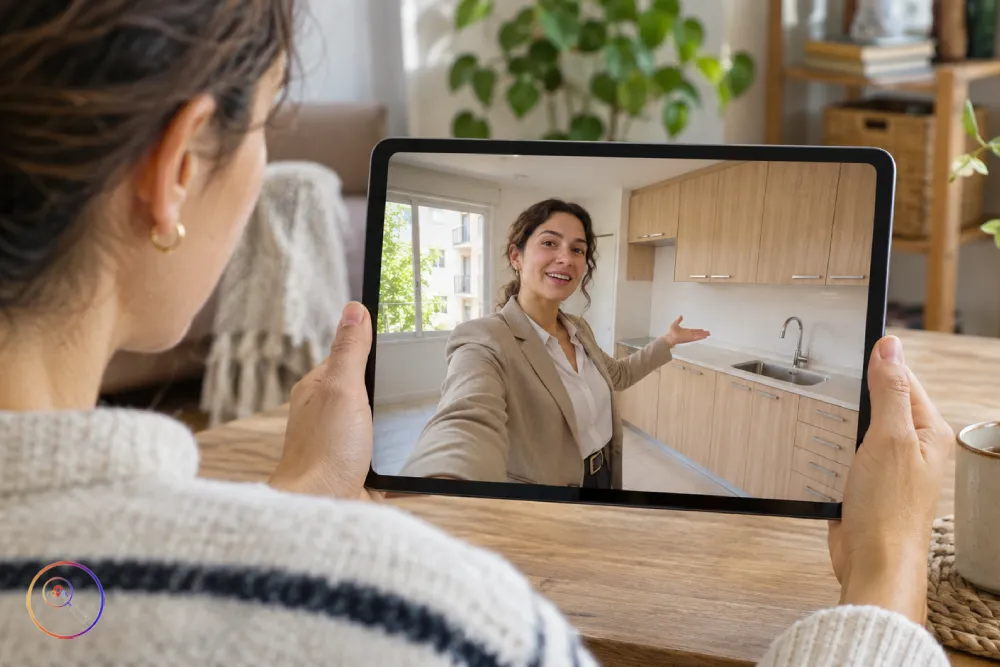
Use this checklist during the call:
| Area | What to check |
|---|---|
| Kitchen | Appliances turn on, water pressure is good, no leaks under the sink |
| Bathroom | Toilet flushes, hot water arrives quickly, there’s a fan or window, no ceiling stains |
| Walls and ceilings | No damp patches, peeling paint, cracks, or dark spots in corners |
| Windows | They open and close, seals are intact, street noise is bearable |
| Heating and cooling | Radiators, AC, or heaters work, and you know how they’re billed |
| Building | Entrance, stairs or elevator, mailboxes, trash area, and the street outside |
Ask them to point the camera out the window and down the street, too. Thirty seconds of footage tells you a lot about the neighborhood.
Look hard for damp and mold. Damp patches on walls or ceilings usually mean a moisture problem, and mold can trigger allergies and breathing problems. It’s also hard to get rid of in older buildings. If you see it, move on.
Find out what comes standard. An apartment that looks perfect may have no heating, no air conditioning, or no washing machine. Learn what’s normal in local rentals, then ask the landlord for a written list of what’s included. The same goes for “furnished,” which can mean anything from a full set of furniture to a bed and a fridge.
Watch for Rental Scams
Renting from overseas makes you an easy target, because scammers know you can’t stop by to check. Be wary if you see any of these red flags:
| Red flag | Why it matters | What to do |
|---|---|---|
| Rent well below similar listings | It’s bait to make you act before you think | Compare it with at least five similar listings |
| The landlord is “abroad” and can’t show it | No one can confirm the apartment exists | Insist on a live video tour or a viewing by a local agent |
| A deposit is due before a viewing or lease | Once it’s sent, it’s usually gone | Pay only after a signed lease with a verified landlord |
| Payment by wire, crypto, or gift cards | These payments are nearly impossible to reverse | Use a traceable method tied to a verified landlord or agency |
| The photos appear on other sites | The listing may be copied from a real rental | Run a reverse image search on the photos |
To protect yourself, confirm that the landlord or agency is real, use a licensed local agent when you can, and pay only through methods you can trace. Don’t send copies of your passport to anyone you haven’t verified.
Get Rent, Fees, and Paperwork Clear in Writing
Do not skim the lease. If it’s in another language, run it through a translator and, if you can, have someone who speaks the language read it too. Before you sign, you should know:
- The monthly rent and exactly what it includes
- The deposit amount and the conditions for getting it back
- Any agent or admin fees, and who pays them
- The minimum lease term and the notice period to leave
Some landlords stay vague on purpose and send surprise bills later. Get every cost in writing.
Also gather your paperwork early. Requirements vary by country, but landlords abroad commonly ask for these:
| Document | Why landlords ask | Tip |
|---|---|---|
| Passport | To confirm your identity | Share a watermarked copy, and only with a verified landlord |
| Visa or residence permit | To see that you can stay for the lease term | Some landlords accept proof that your application is in progress |
| Employment contract or proof of income | To check that you can afford the rent | Ask your employer for a letter stating your salary and start date |
| Recent bank statements | To back up your income or savings | Keep the last three months ready as PDFs |
| Local guarantor | Someone local who covers the rent if you don’t pay | Without one, expect a bigger deposit or rent paid upfront; some countries have paid guarantor services |
Budget for the Upfront Costs
The first month abroad is usually the most expensive one. Even with a fair rent, the money due at signing can add up to several months’ worth. Plan for these costs before you start making offers:
| Upfront cost | What it covers | What to ask or plan |
|---|---|---|
| First month’s rent | Your first month in the apartment | Is it due at signing or on move-in day? |
| Security deposit | Damage or unpaid rent | Often one to three months’ rent; ask where it’s held and when it’s returned |
| Agent fee | The agent’s work finding or letting the apartment | In some countries the tenant pays; ask before you book a viewing |
| Utility setup | Connecting power, gas, water, and internet | Will the accounts stay in the landlord’s name or move to yours? |
| Guarantor service | A paid stand-in if you have no local guarantor | Compare its fee with the cost of a bigger deposit |
| Furniture and appliances | Anything an unfurnished place is missing | Price out the basics before you choose unfurnished |
Keep a cushion for surprises, too. Currency swings, bank transfer fees, and a few nights in a hotel can all eat into your budget in the first weeks.
Consider a Short-Term Place First
If you can’t verify enough from home, book a furnished short-term rental for your first few weeks and do the real search in person. It costs more per month. But it’s a lot cheaper than being locked into a year-long lease on a place you’ve never stood in.
| Factor | Short-term furnished first | Long-term lease from abroad |
|---|---|---|
| Monthly cost | Higher | Lower |
| Risk of a bad apartment | Low, since you tour in person | Higher, since you rely on video and photos |
| Flexibility | Easy to switch neighborhoods | Usually locked in for 12 months |
| Setup | Furniture, Wi-Fi, and utilities included | You set up utilities and may need furniture |
| Best for | Unfamiliar cities and tight timelines | Moves backed by a trusted agent or employer |
Four to eight weeks is usually enough time to tour apartments, apply, and move in.
Document Everything on Move-In Day
When you arrive, walk through the apartment before you unpack. Photograph and video every room, including scratches, stains, and anything that doesn’t work. Email the files to the landlord the same day so there’s a dated record.
Many countries use a formal check-in report, such as the état des lieux in France, and it decides how much of your deposit comes back. Write down the meter readings too, so you only pay for the utilities you actually use.
Conclusion
Finding an apartment abroad will test your patience, and maybe your bank account if you’re a stress shopper. Most of the pain comes from starting late. Begin early, learn how local listings work, see the place live before paying, keep your money traceable, and read every line of the lease.
And if your move is bringing you to Texas instead, Rise Apartments can help for free. Our locators can line up video tours and send you a matched list of apartments before you land.